Choosing the Best AI Blog Generator: Features, Speed, and ROI in 2026
Why is an AI Blog Generator a Strategic Imperative in 2026?

The digital landscape is a relentless battleground for attention, where fresh, high-quality content is the ultimate currency. In 2026, the sheer volume and velocity required to compete mean that traditional content creation methods are simply no longer sustainable. This isn’t just about efficiency; it’s about survival and growth in an increasingly AI-driven search environment.
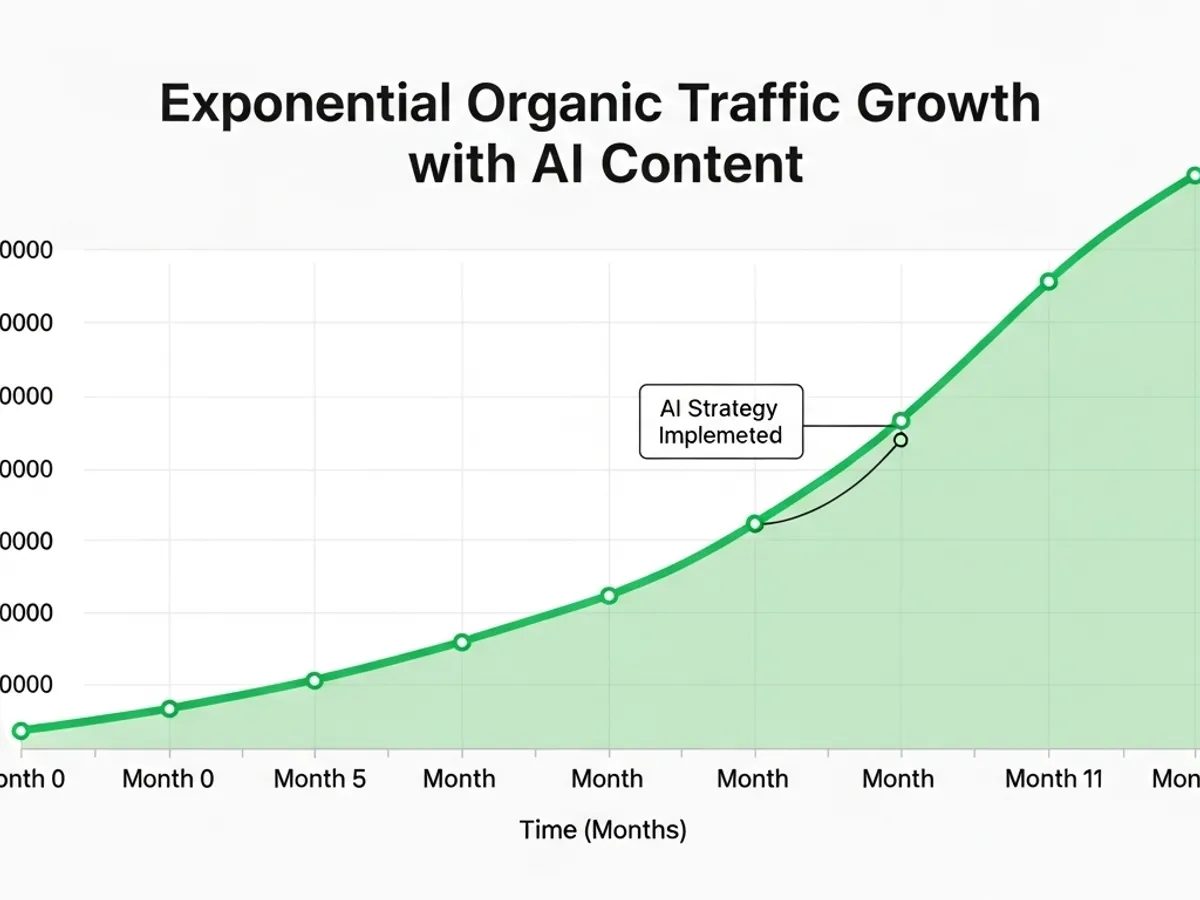
Consider the data: the AI in SEO market is projected to reach an astounding $12.6 billion by 2028, reflecting a CAGR of 27.2% from 2023. This explosive growth isn’t a trend; it’s a fundamental shift. Companies leveraging AI for content generation are reporting a 2x increase in organic traffic within their first year, while AI can automate up to 80% of SEO tasks. These aren’t marginal gains; they’re game-changers.
An AI SEO blog generator is no longer a luxury; it’s a strategic imperative. The demand for consistent, optimized content to fuel search engine rankings, attract organic traffic, and engage audiences has never been higher. Relying solely on manual processes means falling behind, struggling to meet publishing schedules, and missing critical opportunities for visibility.
Platforms like GenWrite exemplify this strategic shift. We understand that businesses need to maintain a competitive edge by leveraging AI blog writing tools to automate the entire content creation process. This includes everything from keyword research and competitor analysis to adding relevant links and images, ensuring every piece of content is SEO-optimized and aligns with current search engine guidelines and LLMs. By doing so, we significantly reduce content production costs—up to 70%—while dramatically increasing output.
The choice is clear: embrace AI SEO blog writing tools to scale your content strategy, or concede valuable market share. The ability to generate high-quality, relevant blogs at speed, consistently optimized for search, directly translates into improved search engine rankings and sustained organic reach. This strategic adoption of AI-driven content writing is critical for any business aiming to thrive in 2026 and beyond.
What Core Features Should You Seek in a Top AI Blog Generator for 2026?
As we navigate 2026, the question isn’t whether to use an AI blog generator, but which one offers the strategic advantage. The landscape of content creation is rapidly evolving, demanding tools that do more than just generate text. To truly stand out and achieve superior organic reach, you need an AI SEO content generator equipped with a specific suite of advanced features.
The Cornerstone: Superior Natural Language Generation (NLG)
At the heart of any top-tier AI blog generator is its ability to produce truly human-like, coherent, and engaging content. Gone are the days of robotic, formulaic output. Modern NLG models must understand context, nuance, and tone to craft narratives that resonate with readers and fulfill search intent.
High-quality content is non-negotiable for search engines and readers alike.
This means the AI should be capable of generating not just articles, but compelling stories and insightful analyses that establish authority. Without this foundational capability, all other features become secondary.
Deep SEO Integration and Optimization
An AI blog generator in 2026 must be an AI-powered SEO content tool first and foremost. It’s insufficient for it to merely generate words; it needs to understand and apply sophisticated SEO principles from the ground up.
Key SEO Capabilities:
- Keyword Research & Integration: The tool should integrate advanced keyword research, identifying not just primary terms but also long-tail variants, semantic keywords, and user intent. It should then weave these naturally into the content structure.
- Competitor Analysis: An effective AI can analyze top-ranking competitor content to discern patterns, gaps, and opportunities, ensuring your content is designed to outperform.
- On-Page Optimization: Beyond keywords, the AI should handle meta descriptions, title tags, heading structures, and internal linking suggestions to maximize on-page SEO content quality. This is where tools like GenWrite truly shine, automating these critical elements to boost rankings.
Your AI should be an SEO expert, not just a writer.
This holistic approach to SEO is what differentiates a basic content spinner from a strategic asset that drives consistent traffic growth. Learn more about how AI revolutionizes your strategy in “Boosting Website Traffic with AI: A New SEO Strategy for 2026“.
Customization and Control for Brand Voice
While automation is powerful, the ability to guide and refine the AI’s output is critical. A top generator allows you to define brand voice, target audience, specific angles, and desired calls-to-action. This ensures that while the process is efficient, the output remains uniquely yours.
Personalization ensures AI-generated content aligns perfectly with your brand.
This level of control prevents generic content and maintains authenticity, crucial for building trust and authority.
Seamless Workflow Automation and Integrations
Efficiency extends beyond content generation. The best AI blog generators automate the entire end-to-end process. Consider features like:
- Image and Video Integration: Automatically sourcing and embedding relevant, optimized media.
- Internal and External Link Building: Intelligent placement of contextual links for SEO and user experience.
- Direct Publishing: The capability to publish directly to your CMS (e.g., WordPress) saves immense time and reduces manual steps.
This comprehensive automation, as offered by platforms like GenWrite, transforms content creation from a multi-step chore into a streamlined, integrated process. It lets you “Create SEO-Rich Blog Content Instantly with AI in 2026” and significantly reduces the manual effort involved.
Plagiarism Detection and Originality Assurance
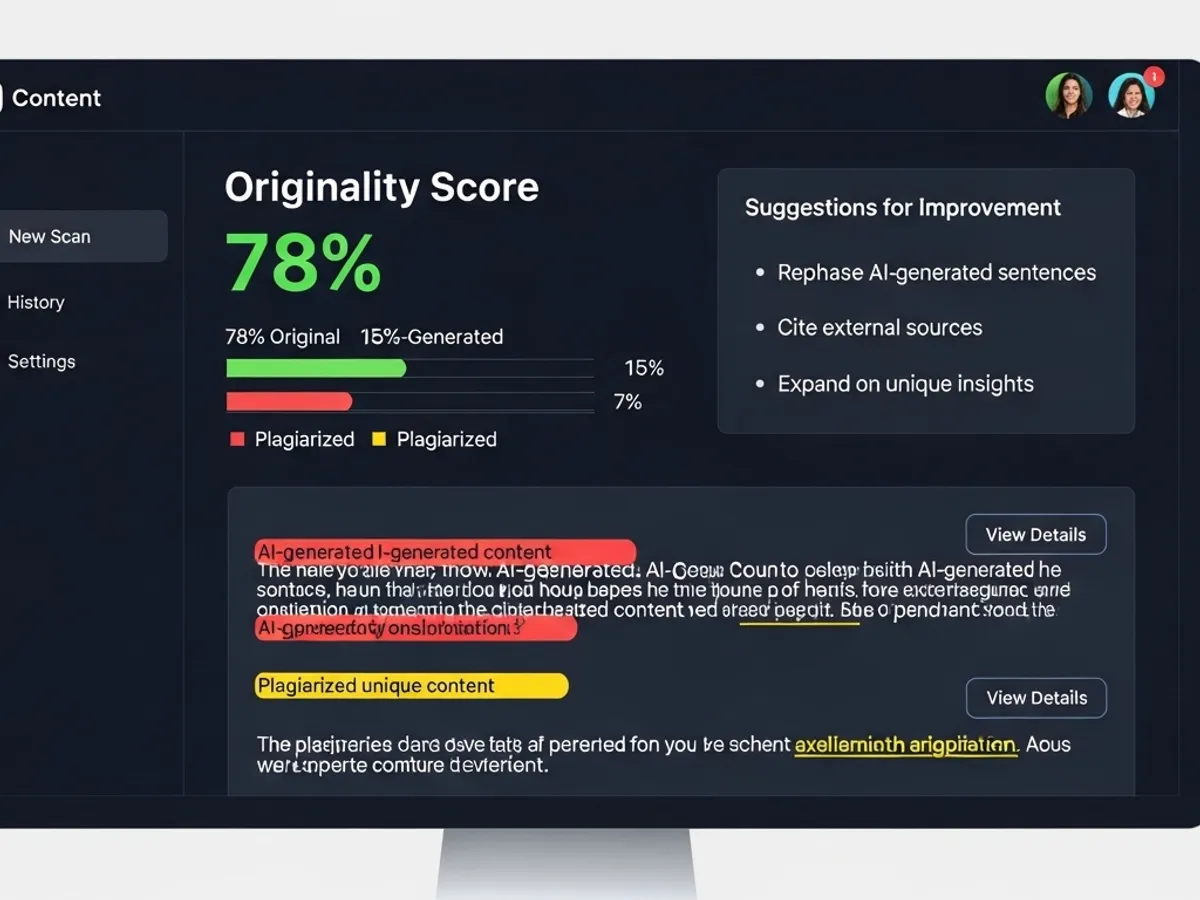
In an age where content originality is paramount for search engine favor, a robust AI blog generator must include built-in plagiarism checks. This ensures every piece of content is unique and passes the scrutiny of search algorithms and human editors alike.
Originality safeguards your domain authority and search rankings.
The features that define a top AI blog generator for 2026 go far beyond simple text generation. They encompass sophisticated NLG, deep SEO integration, robust customization, comprehensive workflow automation, and stringent originality checks. These capabilities are what allow businesses to create high-quality, high-ranking content at scale.
How Do AI Blog Generators Deliver Unprecedented Speed and Efficiency?
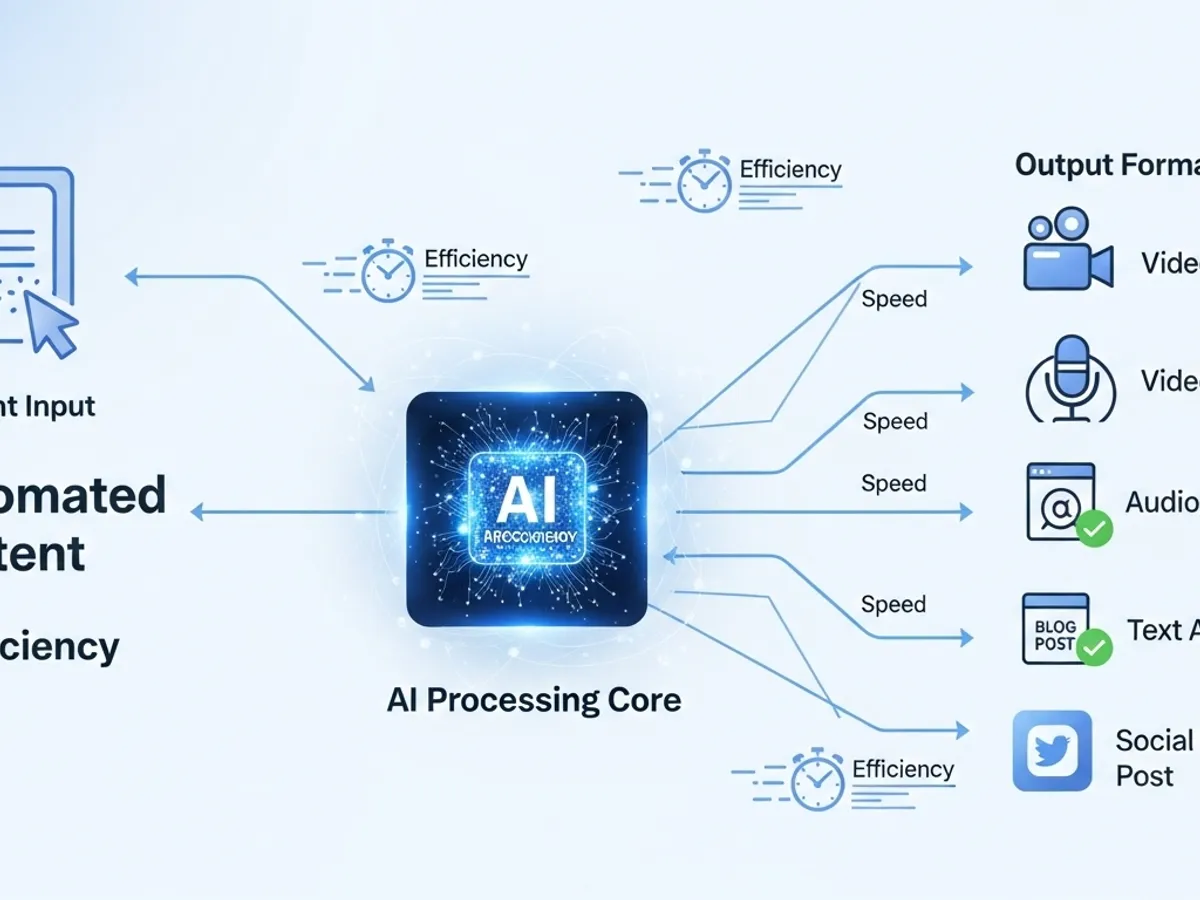
The relentless demand for fresh, high-quality content means that traditional manual processes are simply no longer sustainable. This is precisely where AI Writing Tools redefine the landscape, offering unparalleled speed and efficiency in blog generation.
Instant Content Generation and Scaling
At its core, the speed of an AI SEO blog generator stems from its ability to process vast amounts of data and generate coherent text at machine pace. While a human writer might spend hours researching, outlining, and drafting a single article, AI can complete these steps in minutes.
- Rapid Drafting: AI can produce a full draft from a prompt almost instantly.
- Automated Research: It pulls information from the web, synthesizing it into relevant content.
- Scalability: This speed isn’t limited to one article; AI can generate dozens, even hundreds, of articles simultaneously, allowing businesses to scale their content strategy exponentially. This capability is critical for maintaining a competitive edge and capturing diverse search intent.
AI-powered content creation can reduce production costs by up to 70%, freeing up vital resources.
Streamlining the End-to-End Workflow
Efficiency goes beyond just speed; it encompasses the entire content production pipeline. Modern SEO content automation tools integrate various stages, from initial ideation to final publication.
Think about the traditional workflow: keyword research, competitor analysis, outlining, drafting, image sourcing, internal linking, and publishing. Each step is a bottleneck for human teams. Tools like GenWrite, however, automate this end-to-end process.
- Automated Keyword Research: Identifying high-value keywords relevant to your niche.
- Competitor Analysis: Analyzing top-ranking content to understand structure and topics.
- Content Structuring: Building outlines that are optimized for readability and SEO.
- Image and Link Integration: Automatically adding relevant visuals and internal/external links, which is crucial for faster Google rankings.
By handling these tasks autonomously, AI significantly reduces the need for constant human intervention, allowing marketing teams to focus on strategic oversight and refinement rather than repetitive production tasks. This automation empowers businesses to truly create SEO rich blog content instantly with AI in 2026.
AI automation allows for higher content volume without compromising quality or SEO integrity.
Can You Quantify the Return on Investment (ROI) of an AI Blog Generator?
Measuring the tangible return on investment (ROI) from an AI blog generator might seem like a complex endeavor, yet it’s a critical exercise for any business serious about optimizing its content strategy. We’re not just talking about efficiency; we’re talking about a measurable impact on your bottom line and market presence.
The Core Pillars of AI Blog Generator ROI
Quantifying the blog generator ROI hinges on several key areas where AI tools deliver significant value. These include substantial cost reductions, a marked increase in organic traffic, and strategic advantages that free up valuable human resources for higher-level initiatives.
Cost Reduction and Operational Efficiency
One of the most immediate and impactful areas where an AI blog generator demonstrates ROI is through reduced content production costs. Traditional content creation—from research and drafting to editing and SEO optimization—is resource-intensive. AI-powered content creation tools, however, can reduce these costs by up to 70%.
Think about the time saved. What once took hours or days for a human writer, an AI can generate in minutes. This means less spent on salaries, fewer hours diverted from other projects, and a streamlined workflow that directly impacts your operational budget. An AI-powered tool like GenWrite automates the entire end-to-end blog creation process, significantly cutting down on manual labor and associated expenses.
Lowering per-article costs scales your content output without linearly increasing expenditure.
Amplified Organic Traffic and SEO Performance
The ultimate goal of most content is to attract and engage your target audience. AI SEO blog writing tools are engineered precisely for this. By automating keyword research, analyzing competitor content, and ensuring SEO best practices are embedded from inception, AI generators produce content highly optimized for search engines.
Companies leveraging AI for content generation have reported a 2x increase in organic traffic within the first year. This isn’t just about more visitors; it’s about attracting the right visitors—those actively searching for solutions your business provides. Higher search engine rankings for relevant keywords translate directly into increased visibility, more leads, and ultimately, higher conversions.
We’ve seen firsthand how AI SEO tools can elevate a website’s position in competitive SERPs. For a deeper dive into tools that can streamline your SEO workflow, explore how to Streamline Your SEO Workflow: Top 6 AI Tools for 2026.
Strategic Advantages and Resource Reallocation
Beyond direct cost savings and traffic gains, the strategic advantage gained by automating content creation is invaluable. AI can automate up to 80% of SEO tasks, liberating your marketing team to focus on strategic planning, creative campaigns, and deeper customer engagement. This reallocation of human capital to higher-value activities is a significant, albeit often overlooked, component of ROI.
Freeing up your team allows for innovation and strategic growth, not just content production.
Consider how an AI Seo tool like GenWrite not only writes but also adds relevant links and images, analyzes competitor content, and auto-publishes. This comprehensive automation empowers businesses to maintain a consistent publishing schedule, capitalize on trending topics faster, and adapt to algorithm changes with agility. This capability becomes even more critical when navigating complex search landscapes, as discussed in Dominate Google & AI Search: Geo-SEO Secrets for 2026.
Measuring Your AI Blog Generator ROI
To effectively quantify your ROI, focus on these key metrics:
- Website Visits: Track increases in organic traffic directly attributable to AI-generated content.
- Bounce Rate: A lower bounce rate on AI-generated content indicates higher reader engagement.
- Time on Page: Longer durations suggest your content is valuable and holds reader attention.
- Conversion Rates: Monitor how many visitors from AI-generated content convert into leads or customers.
- Content Production Costs: Compare pre-AI expenses with current costs to see direct savings.
- Keyword Rankings: Observe the improvement in rankings for target keywords.
By diligently tracking these metrics, you can create a clear picture of how your AI blog generator is delivering measurable value and contributing to your business’s growth.
Which AI Blog Generators Lead the Market in 2026: An Overview?
The landscape of content creation is continually reshaped by artificial intelligence, and by 2026, the market for AI in SEO is projected to swell to an impressive $12.6 billion. This surge underscores a critical truth: the AI SEO blog generator is no longer a novelty but a strategic imperative. As we look at the leaders, it’s clear they differentiate themselves through more than just speed; they deliver unparalleled quality and depth.
Defining the Market-Leading AI Blog Generators of 2026
In 2026, the premier AI blog generators are those that seamlessly blend advanced Natural Language Generation (NLG) with sophisticated SEO capabilities. These aren’t just writing assistants; they are comprehensive content strategists. They lead the market by offering tools that can reduce content production costs by up to 70% and often lead to a 2x increase in organic traffic for businesses within their first year of adoption.
A top-tier AI blog generator prioritizes relevance and authority.
What truly sets market leaders apart is their ability to produce original, high-ranking content that aligns with evolving search engine guidelines and Large Language Models (LLMs). They move beyond simple article spinning, focusing instead on semantic richness, factual accuracy, and a human-like tone. This ensures the content isn’t just present, but performs.
Key Characteristics of Leading AI SEO Blog Tools
The most impactful AI SEO blog tools in 2026 share several common traits, reflecting the demands of a competitive digital ecosystem. They empower users to achieve significant SEO gains and operational efficiency.
- Advanced Natural Language Generation (NLG): Producing text that is indistinguishable from human writing, with nuanced language and coherent flow.
- Deep SEO Integration: Incorporating keyword research, competitor analysis, and on-page optimization directly into the generation process.
- Customization and Brand Voice Adaptation: Tools that can learn and replicate a specific brand’s tone and style across all content.
- Workflow Automation: End-to-end solutions that automate drafting, linking, image integration, and even publishing.
- Data-Driven Insights: Leveraging analytics to suggest content topics, optimize existing posts, and predict performance.
These capabilities allow businesses to automate up to 80% of their SEO tasks, enabling marketing teams to focus on higher-level strategy rather than manual content creation.
GenWrite: A Benchmark for AI SEO Blog Generation
Among the leading platforms, GenWrite stands out as a prime example of a comprehensive SEO blog generator tool. Our focus is on automating the entire blog creation process, from initial keyword research and competitor analysis to integrating relevant links and images, and finally, auto-publishing to platforms like WordPress. We ensure that the content produced is not only high-quality and SEO-friendly but also aligns perfectly with search engine guidelines and LLMs, driving increased website traffic and organic reach.
The best AI tools are those that simplify complexity without sacrificing quality.
Ultimately, the market leaders in 2026 are those that provide robust, user-friendly, and highly effective solutions for generating content that ranks. They are the partners in scaling content strategy, turning ambitious content goals into achievable realities by delivering speed, efficiency, and measurable ROI.
How Do Top-Tier AI SEO Tools Compare for Specific Blogging Needs?
Navigating the diverse landscape of AI SEO blog writing tools can feel overwhelming, especially when each promises to revolutionize your content strategy. While many AI-powered SEO content tools offer general assistance, discerning their specific strengths for different blogging needs is crucial for optimizing SEO content quality and achieving tangible results. We’ve moved beyond the era of generic content generation; today, it’s about precision and strategic application.
Dissecting AI SEO Tools: Focus and Functionality
When evaluating AI Seo Tools, it’s helpful to consider their core design philosophy. Some are built for deep content optimization, others for rapid content creation, and a select few aim for a holistic approach. Understanding these distinctions helps align a tool with your specific workflow and objectives.
Clearscope: The Content Quality Arbitrator
Clearscope is renowned for its granular approach to SEO content quality and optimization. It meticulously analyzes top-ranking content for a target keyword, providing a detailed brief that includes relevant terms, readability scores, and content structure recommendations. Its strength lies in semantic SEO, ensuring your content covers topics comprehensively.
Best for: Enterprises, agencies, and content teams focused on optimizing existing content or crafting highly authoritative, long-form articles that demand deep semantic relevance. Its pricing reflects its premium, analytical depth, often making it a significant investment.
Surfer SEO: The On-Page Optimization Powerhouse
Surfer SEO excels at data-driven on-page optimization, integrating keyword research, content briefs, and real-time content scoring directly into your writing process. It analyzes hundreds of on-page factors, offering actionable recommendations for word count, headings, images, and keyword usage. It’s an ideal companion for writers looking to hit specific SEO targets.
Best for: SEO specialists and content marketers who need to quickly create SEO-friendly content and optimize it against specific competitor benchmarks. Surfer SEO’s pricing is generally more accessible than Clearscope, offering flexibility for growing teams.
Frase: Research and Outline Automation
Frase positions itself as an AI-powered SEO content tool for research and content outlining. It rapidly digests top search results to generate comprehensive content briefs, answering key questions and identifying important topics. This tool significantly cuts down the time spent on initial content research and structuring.
Best for: Content strategists and writers who prioritize efficiency in the research and outlining phases of content creation. It’s particularly useful for generating ideas and ensuring foundational coverage before the writing even begins. Frase offers competitive pricing tiers suitable for individuals and teams.
Writesonic & Jasper: Scalable Content Generation
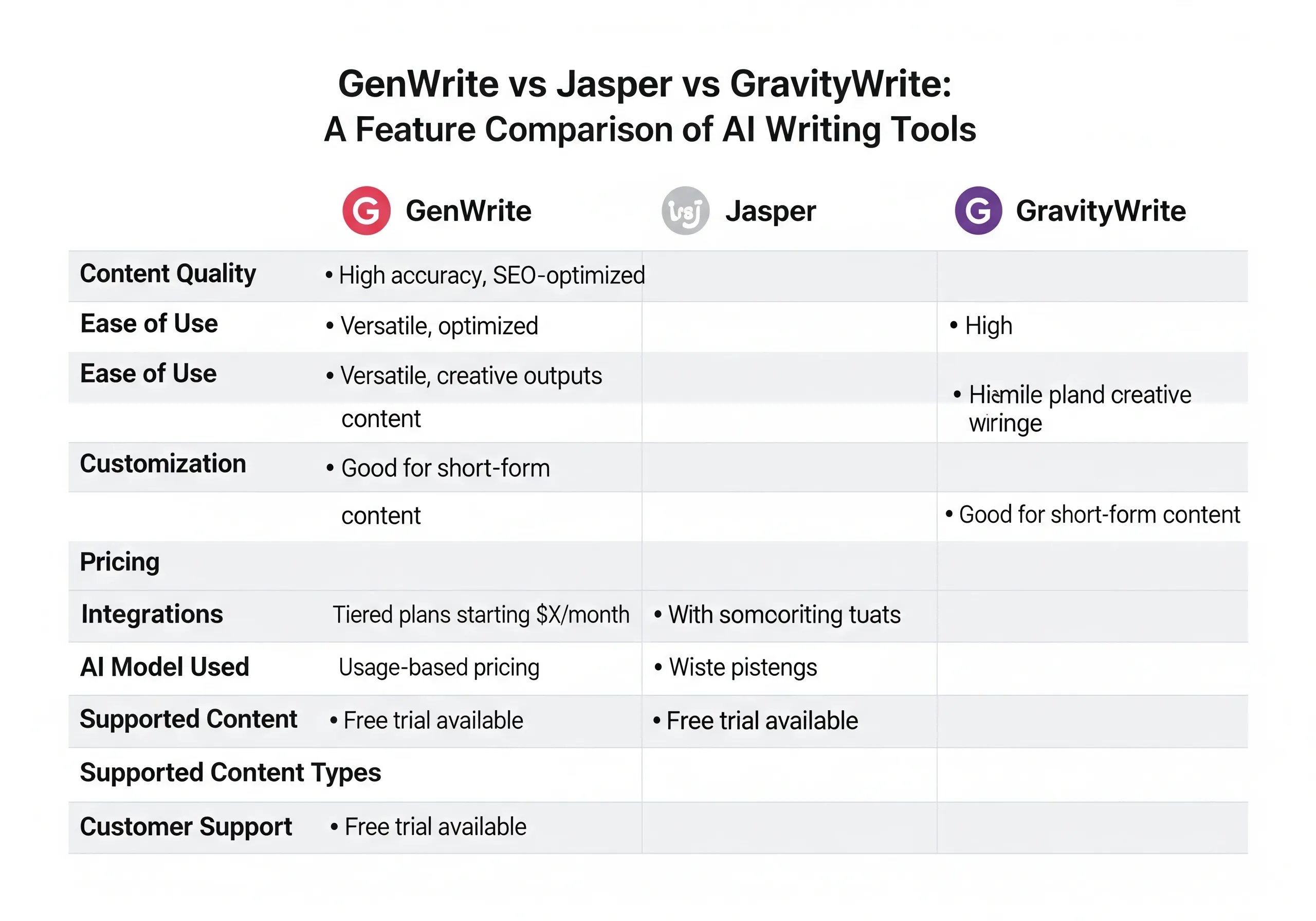
Writesonic and Jasper represent the broader category of AI blog generator platforms focused on generating a wide array of content types, from blog post outlines and introductions to ad copy and social media posts. They leverage advanced natural language generation (NLG) to produce creative and engaging text at scale.
Best for: Copywriters, marketers, and small businesses needing to generate diverse content quickly and efficiently across various channels. Their pricing models are typically credit-based, scaling with usage, making them flexible for fluctuating content needs.
GenWrite: The Integrated Solution for Holistic Blogging Needs
While each of these tools offers distinct advantages, the challenge often lies in integrating their functionalities into a seamless workflow. This is where a comprehensive AI SEO blog writing tool like GenWrite truly shines. Instead of juggling multiple subscriptions and platforms, GenWrite aims to automate the entire end-to-end blogging process.
GenWrite combines the in-depth SEO analysis you’d expect from a dedicated optimizer with the content generation capabilities of a creative AI. It researches keywords, analyzes competitors, adds relevant links and images, and even automates publishing to platforms like WordPress. This integrated approach ensures SEO content quality from conception to publication, drastically reducing content creation costs and time.
GenWrite is designed for users who want to increase website traffic and organic reach through a streamlined, AI-driven process. It’s about leveraging artificial intelligence to build an efficient content automation pipeline that aligns with search engine guidelines and LLMs, ensuring every piece of content is optimized for discoverability and engagement. Explore how GenWrite can transform your content strategy at https://genwrite.co/.
Choosing the best AI SEO tool isn’t about finding a one-size-fits-all solution, but rather identifying which tool, or combination of tools, best addresses your unique blogging challenges and strategic goals. For a truly integrated, automated, and SEO-centric approach, platforms like GenWrite offer a compelling vision of the future for content creation.
Can You Build an Effective AI SEO Workflow on a Budget in 2026?
The idea that advanced AI SEO workflows are exclusive to enterprises with deep pockets is a common misconception in 2026. In reality, building a highly effective AI-powered SEO strategy on a budget is not only possible but increasingly accessible. It requires a strategic approach, combining smart tool selection with a clear understanding of where AI delivers the most significant impact.
Leveraging Modular, Cost-Effective AI Tools
Instead of investing in a single, prohibitively expensive all-in-one platform, a budget-conscious strategy focuses on building a modular tech stack. This involves utilizing a blend of free or freemium tools for preliminary tasks like keyword ideation and topic clustering, then integrating them with more robust, specialized solutions for content creation and optimization.
Strategic integration of AI tools can drastically cut content production costs.
For instance, you might use free keyword planners for initial research, then feed those insights into an advanced AI SEO blog generator that excels at long-form content production. This layered approach ensures you’re only paying for the specific, high-value AI capabilities you truly need, rather than a suite of features you might not fully utilize. This modularity allows for greater flexibility and cost control.
The Power of an End-to-End AI SEO Content Generator
At the heart of any effective, budget-friendly workflow lies an AI SEO content generator capable of streamlining the entire blog creation process. Tools like GenWrite exemplify this efficiency. We designed GenWrite to automate end-to-end blog production, from comprehensive keyword research and competitor analysis to drafting, image integration, and even direct publishing.
This level of automation significantly reduces the need for multiple subscriptions or extensive manual labor. By consolidating these critical steps, GenWrite acts as a powerful AI SEO blog generator, transforming raw ideas into fully optimized, search-engine-ready blog posts without the associated high costs of traditional content teams or a patchwork of expensive tools. For an ultimate solution, explore how an AI SEO content generator can boost your rankings.
Focusing on High-ROI AI SEO Blog Tools
To maximize a limited budget, prioritize AI SEO blog tools that offer the highest return on investment in terms of time saved and ranking potential. This means looking for platforms that not only generate content but also embed critical SEO best practices from the outset. Think about tools that automatically incorporate semantic keywords, structure content for readability, and ensure alignment with current search engine guidelines.
GenWrite provides a powerful, affordable solution by automating complex SEO tasks.
By focusing on an intelligent platform like GenWrite, you gain access to an AI SEO content generator that handles the heavy lifting of content creation and optimization. This allows smaller teams or individual marketers to produce high volumes of quality content that ranks, directly competing with larger organizations without their extensive budgets. It’s about working smarter, not just harder, in the evolving landscape of AI-driven SEO.
What Future Innovations Will Shape AI Blog Generation Beyond 2026?
As we look beyond 2026, the landscape of AI blog generation is poised for transformative shifts, moving far beyond current capabilities. The tools we rely on today, such as GenWrite, which automate keyword research, content creation, and SEO optimization, are just the foundation for what’s to come. Future innovations will push the boundaries of what AI Writing Tools can achieve, significantly elevating SEO content quality and efficiency.
The Rise of Hyper-Contextual AI
One of the most significant advancements will be the development of hyper-contextual AI. Current AI SEO blog writing tools excel at generating content based on provided keywords and competitor analysis. However, future models will possess an even deeper understanding of audience intent, emotional nuances, and the broader competitive landscape.
This means AI will not just produce relevant content, but also anticipate reader needs and industry trends with remarkable precision. Imagine AI capable of discerning subtle shifts in audience sentiment in real-time, adjusting content tone and focus instantly to maintain maximum engagement. This level of predictive intelligence will redefine content strategy.
Multimodal Content Generation and Distribution
The future of AI in content creation isn’t limited to text. We’re on the cusp of truly multimodal AI that can generate rich content experiences across various formats. This includes:
- Dynamic Video and Audio: AI will automatically transform blog posts into engaging video summaries, podcasts, or even interactive presentations, tailored for different platforms.
- Interactive Visuals: Expect AI to create bespoke infographics, data visualizations, and even 3D models to accompany textual content, enhancing comprehension and retention.
- Personalized Content Streams: AI will curate and distribute personalized versions of content to individual users based on their historical engagement, preferences, and demographics, maximizing impact.
This evolution will enable content teams to reach wider audiences with less effort, ensuring consistency across channels.
Advanced Predictive SEO and Real-Time Optimization
Beyond generating content, future AI will play a far greater role in content distribution and promotion. We’ll see AI SEO blog writing tools that offer real-time predictive SEO analysis, not just suggesting keywords but forecasting their performance and suggesting optimal publishing times.
This means AI will continuously monitor search engine algorithm changes and market trends, automatically updating and optimizing existing content to maintain its ranking. The focus will shift from periodic optimization to continuous, adaptive content management. AI will become a strategic partner in maintaining SEO content quality and driving organic traffic.
The Era of Autonomous Content Agents
Ultimately, we’re moving towards an era of autonomous content agents. These sophisticated AI Writing Tools will operate with minimal human intervention, managing an entire content lifecycle from ideation and research to generation, optimization, and distribution. Think of it as a highly specialized digital marketing team, powered by AI, working around the clock to ensure your brand’s online visibility and authority. This shift promises unprecedented scalability for content operations, allowing businesses to dominate their niches with an endless stream of high-quality, targeted content.
How Can You Make the Best Investment in an AI Blog Generator Today?
Making the best investment in an AI blog generator today isn’t merely about acquiring a tool; it’s about strategically positioning your content operation for sustained growth and superior blog generator ROI in an increasingly competitive digital landscape. As we’ve explored, the right AI SEO blog generator can dramatically cut content production costs, potentially by up to 70%, and double organic traffic within the first year.
The key lies in a thoughtful evaluation process that transcends surface-level features. You need to look beyond mere content generation to assess true SEO integration, the quality of natural language output, and the platform’s capacity for customization. Consider how seamlessly the tool integrates with your existing marketing stack and its ability to adapt to evolving search engine guidelines.
Prioritize solutions that offer robust keyword research, competitive analysis, and intelligent content optimization features. These capabilities ensure your AI-generated content isn’t just fast, but also highly relevant and authoritative. Remember, the goal is to produce high-quality, original content that aligns with both search engine guidelines and large language models.
A truly effective AI SEO blog writing tool acts as an extension of your team, not a replacement.
When evaluating options, ask yourself: Does this tool empower me to scale my content efforts without compromising quality? Does it provide the analytics needed to measure my blog generator ROI effectively? Will it help me automate up to 80% of SEO tasks, freeing up my team for more strategic initiatives?
For those seeking an all-encompassing solution, platforms like GenWrite exemplify what a top-tier AI SEO blog generator should offer. It automates the entire blog creation process, from keyword research and competitor analysis to relevant linking and image addition, ensuring your content is optimized for traffic generation and organic reach from the outset. Choosing wisely today means securing a significant competitive advantage for tomorrow.
Invest in an AI SEO blog writing tool that promises not just speed, but strategic depth and measurable impact, ensuring your content always hits the mark.
Ready to elevate your content strategy with AI? Explore how GenWrite can automate your blog creation, optimize for SEO, and drive significant traffic.
Frequently Asked Questions about AI Blog Generators
What makes an AI blog generator a strategic imperative in 2026?
In 2026, AI blog generators are essential for staying competitive due to the increasing demand for high-quality, SEO-optimized content at scale. They offer significant cost savings and automation, allowing businesses to maintain a consistent online presence and outrank competitors.
What are the most important features to look for in an AI blog generator?
Key features include advanced Natural Language Generation (NLG) for human-like text, robust SEO integration for keyword research and optimization, plagiarism detection, and customization options to maintain brand voice. Workflow automation and direct publishing capabilities are also crucial.
How can I measure the ROI of using an AI blog generator?
ROI can be quantified by tracking increased organic traffic, improved search engine rankings, reduced content production costs, and higher lead generation rates. Monitoring metrics like website visits, time on page, and conversion rates will demonstrate the impact of AI-generated content.
Are there any risks or pitfalls to consider with AI SEO tools?
Potential pitfalls include generating generic or low-quality content, the need for human oversight to ensure accuracy and originality, and the risk of search engine penalties if content isn’t optimized correctly. It’s vital to choose tools that offer semantic understanding and strong SEO integration.
Can I build an effective AI SEO workflow on a budget?
Yes, you can build an effective AI SEO workflow on a budget by adopting a modular approach with cost-effective tools and focusing on integrated solutions. Prioritizing tools that embed SEO best practices, like those offered by GenWrite, allows smaller entities to compete effectively.
What future innovations will impact AI blog generation?
Future innovations include hyper-contextual AI for more personalized content, multimodal content creation (video, audio), predictive SEO analytics, and autonomous content agents. These advancements will further enhance content quality, efficiency, and strategic value.