
Boosting Website Traffic with AI: A New SEO Strategy for 2026
What Does the Future Hold for SEO in an AI-Driven 2026?
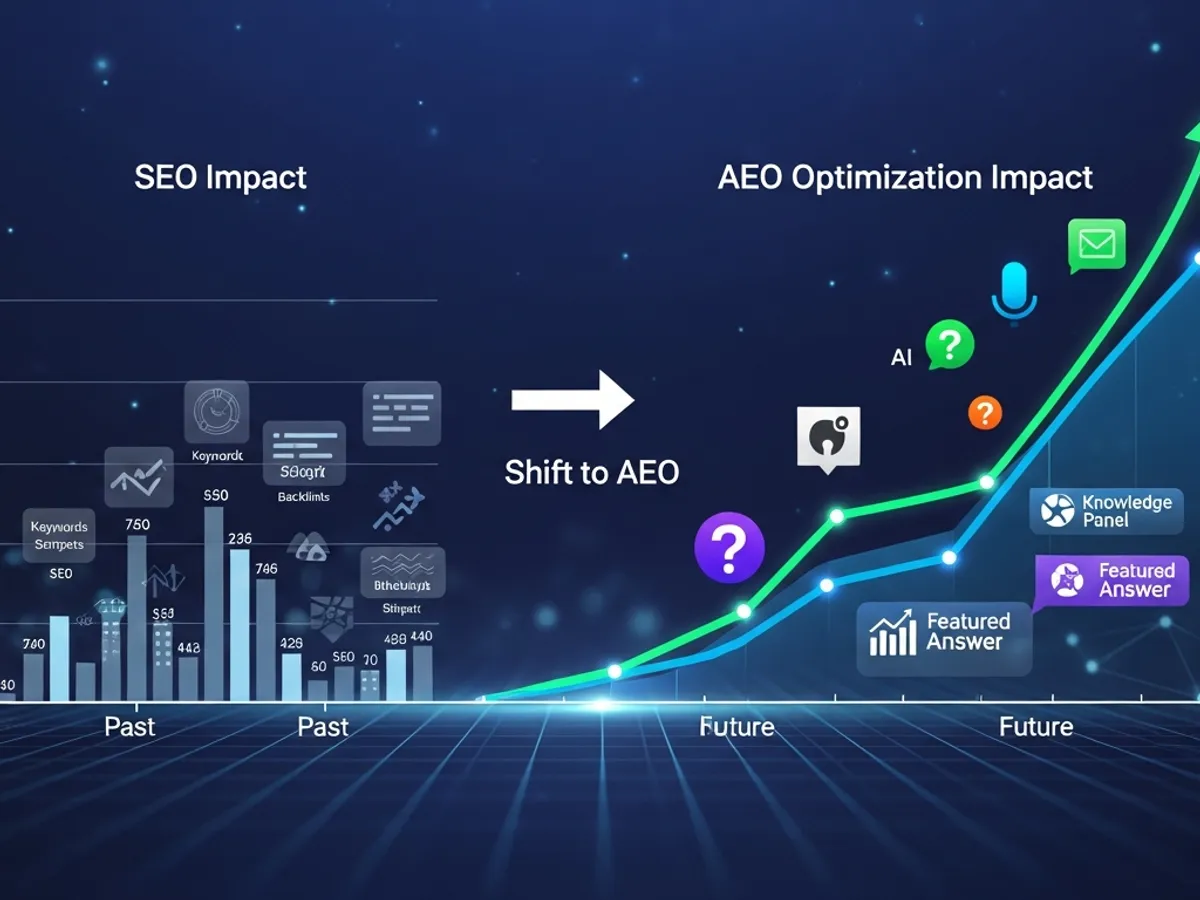
The year 2026 isn’t just another calendar flip for search engine optimization; it represents a pivotal moment where AI fundamentally reshapes the landscape of online visibility. We’re moving beyond traditional, reactive SEO tactics into an era where artificial intelligence isn’t just a tool, but the very foundation of a successful digital presence. This isn’t a prediction for some distant future, but a current reality unfolding at an unprecedented pace.
Historically, SEO has been a manual, often painstaking process of keyword stuffing, link building, and on-page optimization. Today, the new SEO strategy 2026 is dramatically different, driven by intelligent algorithms that analyze, predict, and optimize at a scale humans simply cannot match. This transformative AI impact on search traffic means that businesses still relying solely on outdated methods are already at a significant disadvantage.
AI is automating the mundane, freeing up strategists for innovation.
By 2026, experts project that AI will automate up to 80% of routine SEO tasks, from initial keyword research to content optimization and performance tracking. This shift allows marketing teams to focus on high-level strategy and creative execution, rather than getting bogged down in repetitive chores. For instance, companies already leveraging AI SEO have reported up to a 2x increase in organic traffic within just six months, showcasing AI’s immediate and tangible benefits.
This isn’t about replacing human expertise, but augmenting it. AI-optimized websites, for example, often experience a 40% improvement in keyword rankings. The future of SEO demands a sophisticated understanding of how AI algorithms, like those powering Google’s BERT and MUM updates, interpret user intent and natural language. Tools like GenWrite are at the forefront of this evolution, automating the entire blog creation process with SEO optimization built-in, helping users boost their organic reach and traffic.
To remain competitive, embracing AI-driven strategies is non-negotiable. It’s about leveraging powerful analytics, predictive capabilities, and content generation tools to secure and grow your online presence. Understanding and implementing these advanced techniques is crucial for anyone aiming to thrive in the digital marketplace of tomorrow. For those looking to integrate these powerful solutions, exploring resources like Boost Rankings with Top AI SEO Tools for 2026 can provide a solid starting point.
New Section
Start writing here…
Why Is AI an Essential Engine for Consistent Website Traffic Growth?
In today’s hyper-competitive digital landscape, relying on traditional SEO tactics alone is simply not enough to achieve truly consistent traffic growth. The pace of change, driven by evolving search engine algorithms like Google’s BERT and MUM updates, demands a more dynamic and data-driven approach. This is precisely where artificial intelligence (AI) transitions from a cutting-edge luxury to an essential engine for any business serious about its online presence.
The Need for AI in Modern SEO
Manual SEO is inherently limited by human capacity for data analysis and repetitive task execution. We’ve seen how quickly search trends shift and how difficult it is to keep up with content demands. AI, conversely, excels at processing vast datasets, identifying patterns, and automating workflows at a scale and speed impossible for human teams. By 2026, experts project that AI will automate up to 80% of SEO tasks, leading to significant efficiency gains across the board.
AI transforms SEO from reactive guesswork into proactive strategy.
This shift allows human experts to focus on higher-level strategic thinking, creativity, and critical analysis, rather than getting bogged down in mundane optimization tasks. It’s about smart delegation, not replacement.
Precision, Speed, and Strategic Advantage
AI offers a three-pronged advantage for boosting website traffic consistently:
-
Unmatched Precision: AI tools for SEO optimization can analyze millions of data points to pinpoint high-intent keywords, understand user search intent, and even predict future trends. This level of granular insight ensures that every piece of content and every optimization effort is precisely targeted. Studies show that AI-optimized websites experience a 40% improvement in keyword rankings compared to those without AI, directly translating to better visibility and organic reach.
-
Revolutionary Speed and AI Content Efficiency: From keyword research to content creation and on-page optimization, AI drastically accelerates every phase of the SEO workflow. AI-driven content creation tools can reduce production costs by as much as 60%, making it feasible to produce the volume of high-quality, relevant content needed to dominate search results. Tools like GenWrite exemplify this by automating end-to-end blog creation, adding relevant links and images, and optimizing content for search engines and LLMs. This automation allows for continuous content output, a key factor in maintaining
consistent traffic growth. -
Proactive Strategic Advantage: AI doesn’t just react to changes; it anticipates them. By leveraging predictive analytics, AI helps businesses adapt to algorithm shifts and market trends before competitors. This continuous optimization is vital for
boosting website traffic AIin an ever-changing search landscape. Companies utilizing AI for their SEO strategies have reported up to a 2x increase in organic traffic within six months, demonstrating the profound impact of this strategic foresight.
To truly unlock this potential, integrating the right AI tools for SEO optimization is paramount. These tools aren’t just about automation; they’re about empowering your team to work smarter, not harder, in pursuit of sustained digital growth. Investing in these capabilities is no longer optional; it’s a strategic imperative for long-term online success. We at GenWrite understand this need and are committed to providing the solutions that drive this consistent traffic growth.
How Can AI Revolutionize Your SEO Content Generation Process?
The landscape of content creation is undergoing a profound transformation, propelled by the capabilities of artificial intelligence. What once required extensive manual effort from ideation to publication can now be significantly streamlined, allowing businesses to scale their content efforts like never before. By 2026, AI is projected to automate up to 80% of SEO tasks, fundamentally reshaping how we approach content generation.
Automating the Content Workflow from Idea to Draft
At the heart of this revolution is the AI SEO blog generator, a sophisticated tool designed to manage the entire content lifecycle. These platforms move beyond simple text generation, offering a comprehensive suite of features that enhance every stage of content production.
AI empowers a faster, smarter content pipeline.
The process typically begins with in-depth keyword research. Instead of hours spent manually sifting through data, AI tools can analyze vast datasets to identify trending keywords, predict performance, and uncover semantic clusters that human researchers might miss. This precision ensures that content is always aligned with high-intent search queries, providing a strong foundation for ranking.
Leveraging AI for Optimized Content Creation
Once keywords are identified, AI blog writing software takes over to assist in drafting high-quality, SEO-optimized articles. These tools don’t just write; they learn from existing high-performing content, ensuring generated drafts are rich in relevant information and structured for optimal readability and search engine crawlability.
AI-driven content creation can reduce production costs by as much as 60% while significantly boosting output.
Platforms like GenWrite exemplify these SEO content automation tools. They automate crucial elements such as adding relevant internal and external links, suggesting appropriate images, and even analyzing competitor content to ensure your articles stand out. This holistic approach to AI content generation means every piece of content is not just written, but strategically optimized for maximum impact.
Enhancing On-Page SEO and Publishing Efficiency
AI’s role extends to enhancing on-page optimization, a critical component for search engine visibility. It can automatically optimize meta descriptions, title tags, and header tags to improve website crawlability and relevance. This meticulous attention to detail ensures that each blog post is perfectly tuned for search engine algorithms and large language models (LLMs).
By leveraging an AI blog generator, you can significantly accelerate your content production schedule.
Beyond creation, some AI solutions even handle automated publishing to platforms like WordPress. This end-to-end automation frees up valuable time for content strategists to focus on higher-level tasks, such as refining brand messaging or exploring new content formats. The result? Companies using AI for SEO have reported up to a 2x increase in organic traffic within six months, demonstrating a clear return on investment. If you’re looking to enhance your content strategy, explore how you can create SEO-rich blog content instantly with AI in 2026 and witness the transformation firsthand.
What Core Features Should You Seek in a Top AI Blog Generator for 2026?
As we push deeper into 2026, the landscape of SEO is undeniably shaped by artificial intelligence. Choosing an AI SEO blog generator tool is no longer a luxury but a necessity for staying competitive and achieving significant organic growth. But with so many options emerging, how do you discern which features are truly essential for a top-tier solution?
Advanced Keyword Research and Intent Matching
The foundation of any successful SEO strategy lies in robust keyword research. A leading AI SEO blog generator tool in 2026 goes far beyond identifying high-volume terms; it leverages AI to predict keyword performance, analyze semantic relationships, and precisely match user intent. This means the tool can suggest long-tail keywords and topical clusters that your audience is actively searching for, even before they become widely popular. AI-driven keyword insights are crucial for unlocking untapped organic traffic potential. This predictive capability ensures your content consistently targets relevant, high-converting searches, significantly improving your chances of ranking. The goal is to move beyond mere keyword suggestions to a deep understanding of user psychology. For more on navigating this evolving landscape, explore strategies to Dominate Google & AI Search: Geo-SEO Secrets for 2026.
Intelligent Content Optimization and Generation
Beyond just generating text, the AI SEO writing software of today must be capable of comprehensive content optimization. This includes:
- Semantic SEO Integration: Automatically weaving in related keywords and entities to cover a topic exhaustively and signal authority to search engines and LLMs.
- Readability & Engagement Analysis: Ensuring the generated content is not only SEO-friendly but also engaging and easy for humans to read, with optimal sentence structure and vocabulary.
- Plagiarism and Uniqueness Checks: Guaranteeing original content that stands out and avoids penalties.
- Internal and External Linking Suggestions: Identifying opportunities to build a strong internal link profile and suggest authoritative external resources.
High-quality AI content is both technically sound and genuinely valuable to the reader. This holistic approach ensures that every piece of content published is optimized for both search engines and the end-user, driving better engagement and higher rankings. If you’re looking to Write Engaging Blogs Fast: Your AI Generator Guide, these features are non-negotiable.
Competitor Analysis and Gap Identification
A truly best AI SEO tool doesn’t operate in a vacuum. It integrates advanced competitor analysis to understand what’s working for others in your niche. By analyzing top-ranking content, the tool can identify content gaps, uncover competitor strategies, and suggest angles that will differentiate your own content. This intelligence allows you to create superior content that not only meets but exceeds the current benchmarks. Understanding your competitive landscape is key to outranking rivals.
Automated Publishing and Workflow Integration
Efficiency is paramount. A top-tier AI blog generation features set should include automated publishing capabilities, integrating seamlessly with platforms like WordPress. This means the AI can research, write, optimize, add relevant images and links, and then publish directly to your site. This end-to-end automation, like that offered by GenWrite, significantly reduces manual effort and speeds up your content pipeline. By 2026, AI is expected to automate up to 80% of SEO tasks, making such integrations indispensable.
The Takeaway
When evaluating an AI SEO blog generator tool, look for these core AI blog generation features: sophisticated keyword intelligence, comprehensive content optimization, insightful competitor analysis, and seamless automation. These capabilities will ensure your content strategy is future-proof, enabling you to capture more organic traffic and secure your position in the competitive digital landscape of 2026.
Do AI Tools Improve the Accuracy and Efficiency of Keyword Research?
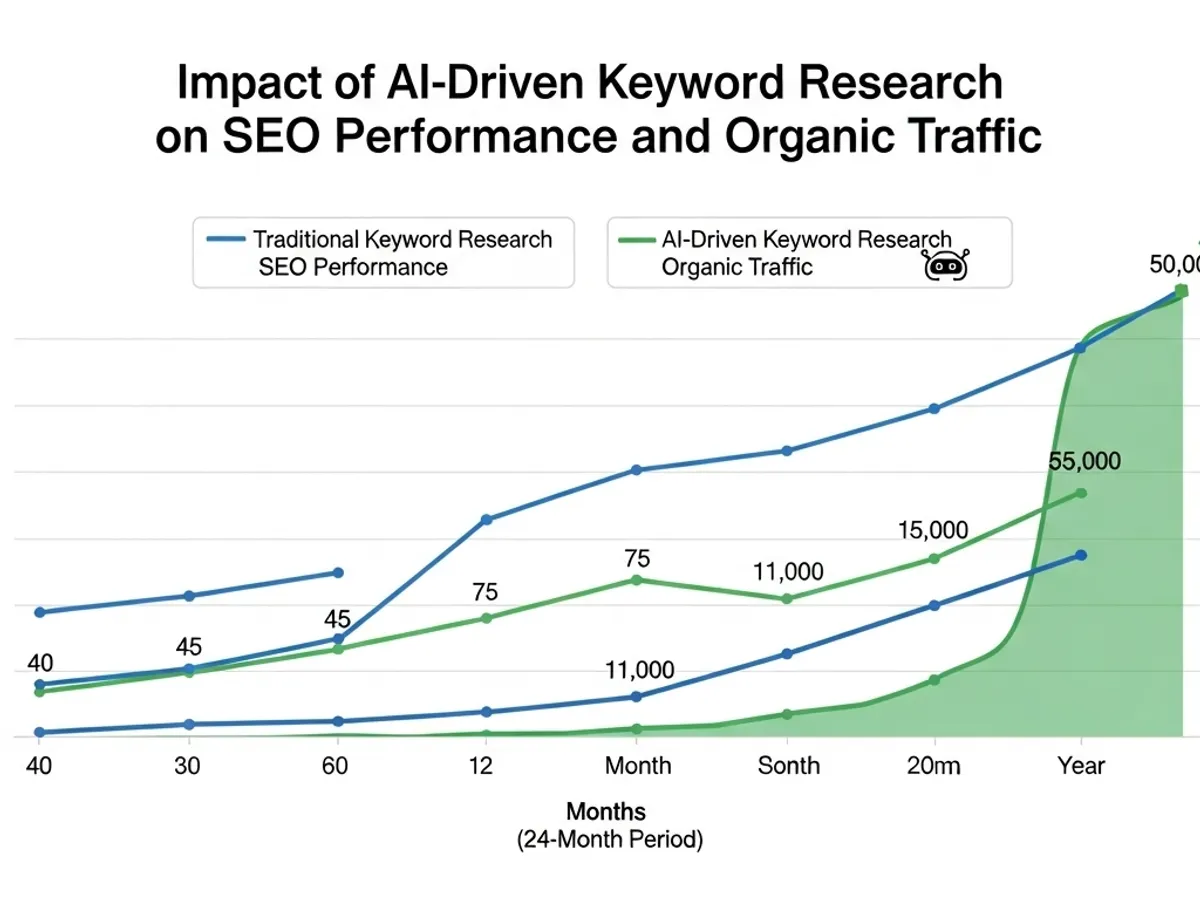
The landscape of keyword research has undergone a seismic shift, moving far beyond simple search volume metrics. Gone are the days when manual sifting through endless spreadsheets was the norm. Today, AI doesn’t just improve keyword research; it fundamentally redefines its accuracy and efficiency, delivering insights that were previously unattainable.
Moving Beyond Surface-Level Metrics
Traditional keyword research often provided a snapshot, focusing heavily on search volume and competition. While useful, this approach often missed the crucial ‘why’ behind a search query. This is where AI search intent analysis becomes a game-changer. AI-powered tools leverage natural language processing and machine learning to understand the true intent behind user queries, categorizing them as informational, navigational, commercial, or transactional. This deep understanding ensures that the keywords we target align precisely with what users are looking for, leading to more relevant traffic.
AI tools decipher the ‘why’ behind searches, not just the ‘what’.
By analyzing vast datasets—including competitor strategies, trending topics, and SERP features—AI identifies high-potential keywords that human analysis might overlook. This predictive capability is a hallmark of advanced machine learning SEO software, enabling us to anticipate shifts in user behavior and market trends. Companies utilizing AI for SEO have seen up to a 2x increase in organic traffic within six months, largely due to this enhanced targeting precision.
Unlocking Competitor Insights and Long-Tail Opportunities
One of the most significant advantages of AI in this domain is its ability to perform sophisticated competitor analysis. Instead of merely seeing what keywords competitors rank for, AI ranking analysis software can deconstruct their content strategies, identify their semantic keyword clusters, and even predict their next moves. This intelligence allows us to find gaps in the market and uncover underserved long-tail opportunities that can drive highly qualified traffic.
For example, an AI tool can:
- Analyze SERP features: Identify keywords triggering featured snippets, ‘People Also Ask’ boxes, or video carousels.
- Sentiment analysis: Understand the emotional tone associated with keywords, refining content messaging.
- Contextual relevance: Group related keywords based on actual user behavior, building comprehensive topic clusters.
This level of detail moves us from guesswork to data-driven strategy. By 2026, AI is expected to automate up to 80% of SEO tasks, and a significant portion of that efficiency gain will come from the automation and precision of keyword research.
Tools like GenWrite exemplify this shift, using AI to not only research keywords but also to guide the entire content creation process around those insights. They streamline the identification of high-value keywords and intent, moving beyond basic volume to deliver truly actionable data for content that ranks. This ensures that every piece of content is built on a foundation of solid, AI-driven keyword intelligence, making our SEO efforts far more effective and less time-consuming.
How Does AI Enhance On-Page Optimization for Higher Rankings?
On-page optimization, once a meticulous manual process, is now being radically transformed by artificial intelligence. What was previously a guessing game of keyword placement and structural tweaks has evolved into a data-driven science, with AI providing unprecedented precision and efficiency. This shift means that websites can achieve higher rankings by not just meeting, but anticipating, search engine algorithm demands.
AI-Driven Content Refinements
AI fundamentally redefines how we approach content. It goes beyond simple keyword inclusion, using semantic analysis to ensure comprehensive topic coverage. AI tools analyze existing content, identify gaps in information, and suggest additions that enhance authority and depth. This ensures that the content isn’t just about a keyword, but truly addresses the user’s intent behind a search query. The result is more robust and valuable content that resonates deeply with readers and search engines alike.
AI content optimization moves beyond simple keywords to semantic completeness, aligning content with true user intent.
Precision in Keyword & Readability Adjustments
One of the most significant contributions of AI is its ability to fine-tune keyword usage and readability without sacrificing quality. AI tools meticulously analyze keyword density and placement, suggesting optimal distribution to avoid over-optimization while ensuring maximum relevance. Simultaneously, these platforms assess readability metrics—sentence structure, passive voice, and complex jargon—offering concrete improvements to make content more engaging and accessible. This dual focus ensures content is both algorithm-friendly and human-readable, a critical balance for sustained success.
Automated Metadata & Structure Enhancement
Manual metadata creation is often overlooked, but AI elevates it to a strategic advantage. AI helps with on-page optimization by automatically generating and optimizing compelling title tags, meta descriptions, and header tags. These elements are crucial for attracting clicks from search results and providing clear structural cues to search engine crawlers. Furthermore, AI identifies internal linking opportunities, strengthening site architecture and improving crawlability—all vital components for higher rankings. This automation frees up valuable time, allowing strategists to focus on broader initiatives.
Aligning with Evolving Search Algorithms
With continuous updates like Google’s BERT and MUM, search algorithms increasingly prioritize natural language understanding and user intent. SEO AI software for content writing leverages advanced Natural Language Processing (NLP) to ensure that content is not just keyword-rich, but contextually relevant, coherent, and authoritative. Tools like GenWrite utilize these capabilities to create content that aligns with how modern search engines interpret and rank information, ensuring your pages remain competitive. This proactive approach to content creation is essential for securing and maintaining top positions.
By leveraging AI for these on-page elements, businesses can transform their web pages into highly optimized assets, driving significant improvements in keyword rankings and organic traffic. AI doesn’t replace the need for strategic insight, but it provides the power to execute on-page optimization with unparalleled precision and efficiency.
Can AI Truly Deliver a 2x Increase in Organic Traffic and Significant ROI?
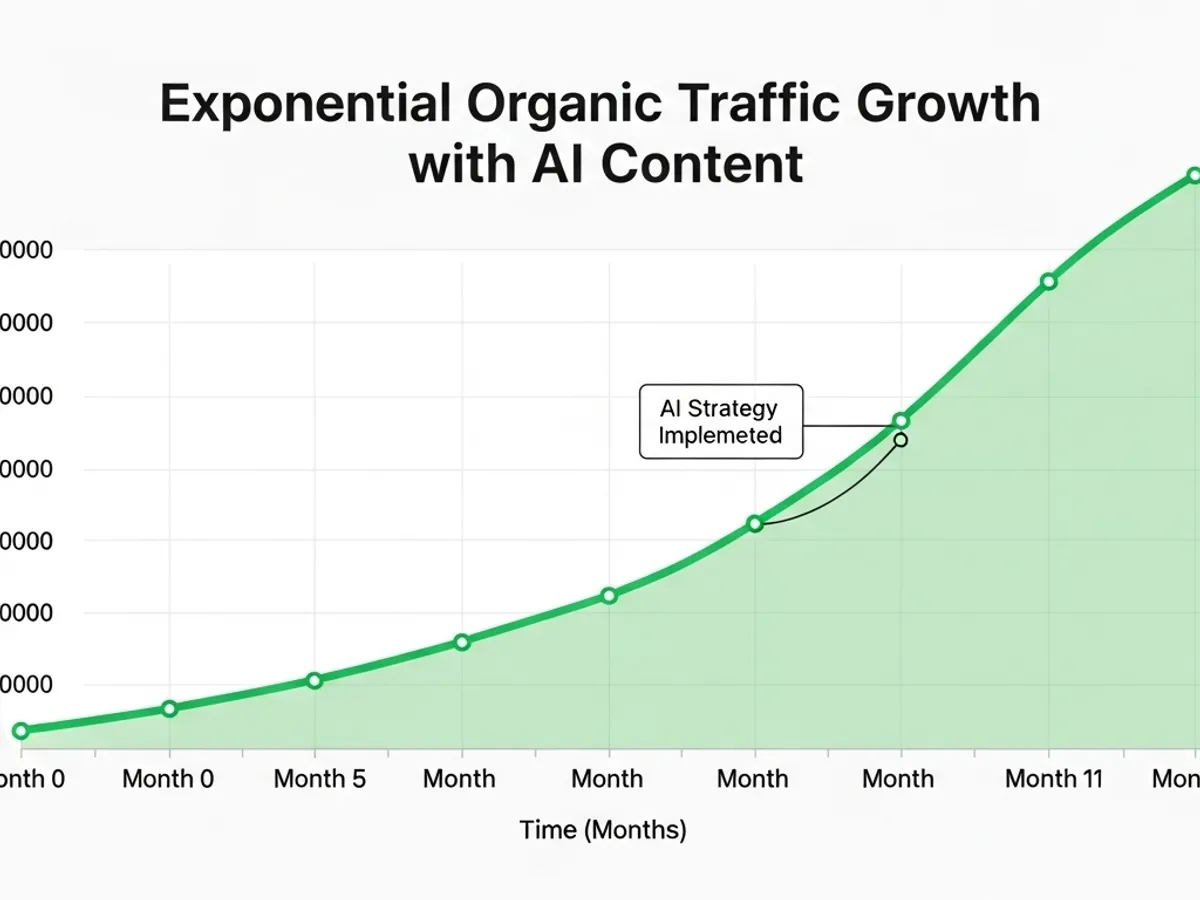
The question of whether artificial intelligence can genuinely deliver a 2x increase in organic traffic and significant ROI isn’t a speculative ‘what if’ for 2026; it’s a proven reality for many early adopters. Our observations, backed by industry data, show that companies leveraging increase organic traffic AI have indeed reported up to a 2x surge in organic traffic within just six months. This isn’t magic, but the precise application of advanced algorithms to complex SEO challenges.
At the core, these substantial gains stem from AI’s unparalleled ability to process vast datasets and identify patterns that human analysis simply cannot. The AI SEO benefits are multifold: from hyper-accurate keyword research that uncovers hidden opportunities to dynamic content optimization that ensures every piece resonates with search intent. AI tools elevate the entire SEO workflow.
Consider the traditional approach to SEO: labor-intensive, often reactive, and prone to human bias. In contrast, AI-driven strategies offer continuous, proactive optimization. AI systems can analyze competitor strategies, identify content gaps, and even forecast keyword performance through sophisticated predictive traffic modeling. This allows businesses to make data-backed decisions that drive consistent growth.
The true value of AI in SEO becomes evident in its financial returns. The market for AI in SEO tools is projected to reach $1.2 billion by 2026, a clear indicator of its strategic importance and the tangible AI SEO tools ROI it provides. AI-driven content creation, for instance, can slash production costs by as much as 60%, freeing up resources for other strategic initiatives. This efficiency, combined with significant traffic uplift, translates directly into improved bottom lines.
Platforms like GenWrite exemplify this automation and strategic advantage. By automating the end-to-end blog creation process, from keyword research to content optimization and automated publishing, GenWrite empowers users to achieve those 2x traffic increases more efficiently. It’s about working smarter, not just harder, to align content with evolving search engine guidelines and large language models.
Ultimately, AI doesn’t just promise better SEO outcomes; it delivers them through precision, efficiency, and a deep understanding of evolving search landscapes. The evidence suggests that integrating AI is no longer optional for businesses aiming for dominant organic search positions and a healthy ROI.
How Are AI-Powered Tools Changing SEO Analytics and Performance Tracking?
The landscape of SEO analytics has undergone a radical transformation, moving far beyond simple traffic reports and keyword rankings. With the advent of sophisticated AI, we’re now operating in a realm of predictive insights, proactive adjustments, and truly data-driven decision-making.
Traditional analytics tools gave us a rearview mirror view of performance. We could see what happened, but often it was too late to react optimally. Today, AI SEO analytics provides a crystal ball, offering a glimpse into future trends and potential outcomes.
Moving Beyond Historical Data to Predictive Power
AI doesn’t just crunch historical numbers; it learns from them to forecast future performance. This means identifying emerging keyword opportunities before they peak, predicting algorithm shifts, and understanding user intent with unprecedented accuracy. By 2026, AI is expected to automate up to 80% of SEO tasks, largely thanks to its analytical prowess.
Predictive analytics is key to staying ahead in a dynamic search environment.
This foresight allows us to allocate resources more effectively, ensuring our content and optimization efforts are always aligned with where the market is heading, not just where it has been. It’s about anticipating, not just reacting.
Automated Growth Scoring and Real-time Metrics
One of the most significant advancements is automated growth scoring. AI systems can continuously evaluate numerous SEO factors—from technical health to content relevance and backlink profiles—and assign a score that indicates growth potential or areas needing immediate attention. This scoring isn’t static; it evolves as the market and your website do.
Alongside this, real-time SEO analytics is revolutionizing how we track performance. Instead of waiting for weekly or monthly reports, we can monitor critical metrics as they happen. This includes:
- Live Traffic Fluctuations: Spotting sudden drops or spikes instantly.
- Keyword Ranking Shifts: Observing immediate changes in SERP positions.
- User Engagement Metrics: Understanding how visitors interact with new content in real-time.
- Competitor Movements: Tracking rival performance as it unfolds.
This immediate feedback loop enables rapid adjustments, allowing us to capitalize on opportunities or mitigate issues before they escalate. Companies using AI for SEO have already reported up to a 2x increase in organic traffic within six months, largely due to this agility.
AI Performance Metrics: A Deeper Dive
AI-powered tools go beyond surface-level metrics to provide AI performance metrics that offer genuine strategic value. These include:
- Content Gap Analysis: Automatically identifying topics your competitors rank for but you don’t.
- Intent Matching Scores: Assessing how well your content aligns with specific user search intent.
- Technical SEO Health Scores: Pinpointing crawlability, indexing, and core web vital issues.
- Backlink Quality Analysis: Evaluating the authority and relevance of inbound links.
AI-optimized websites experience a 40% improvement in keyword rankings.
Tools like GenWrite leverage these advanced analytics to inform their content creation and optimization processes. By integrating deep AI SEO analytics, we can ensure every piece of content published is not only high-quality but also strategically positioned for maximum organic reach and impact. This systematic approach fosters continuous optimization, transforming raw data into actionable insights that drive sustained growth and superior ROI for your website.
AI-driven analytics moves SEO from a reactive task to a proactive, predictive strategy, ensuring continuous optimization and better decision-making.
Are There Affordable AI SEO Tools Available for Small Businesses in 2026?
The idea that advanced AI capabilities are exclusive to large enterprises with vast budgets is a common misconception, especially when it comes to SEO. In 2026, the landscape of AI SEO tools for small business has dramatically shifted, making sophisticated automation and insights accessible to companies of all sizes.
The Rise of Accessible AI SEO
Many small business owners might still view AI SEO tools for 2026 as a luxury, but the market has responded to demand for affordability and ease of use. Today, numerous providers offer robust affordable AI SEO tools that don’t compromise on essential features. These tools are designed to democratize SEO, allowing smaller players to compete effectively with larger, more established brands.
Affordable AI SEO tools deliver significant efficiency gains without the hefty price tag.
We’re seeing a clear trend where AI is expected to automate a substantial portion of SEO tasks, potentially up to 80% by 2026. This means small businesses can leverage AI to manage time-consuming activities like keyword research, content optimization, and performance tracking, freeing up valuable human resources for strategic thinking and creativity.
What to Look for in Affordable AI SEO Software
When evaluating SEO AI software for a small business, the focus should be on tools that offer a strong balance of functionality and cost-effectiveness. Key features to prioritize include:
-
Automated Keyword Research: Identifying high-potential keywords and long-tail opportunities without manual effort.
-
Content Optimization: Tools that can analyze existing content and suggest improvements for better search engine visibility and user engagement.
-
Competitive Analysis: Gaining insights into competitor strategies to identify gaps and opportunities.
-
Performance Tracking: Simple, intuitive dashboards that provide clear data on rankings, traffic, and other key metrics.
-
Content Generation Assistance: AI-powered writing aids that can help draft blog posts, meta descriptions, and ad copy, significantly reducing content production costs.
Tools like GenWrite exemplify how an AI blog generator can provide these essential features, automating the end-to-end content creation process from keyword research to publishing, all while focusing on SEO optimization. This approach allows small businesses to produce high-quality, SEO-friendly content efficiently, boosting their website traffic and organic reach without requiring a dedicated in-house SEO team.
By leveraging such platforms, small businesses can achieve impressive results. Companies utilizing AI for SEO have reported up to a 2x increase in organic traffic within six months, a testament to the power of these accessible solutions. The market for AI SEO tool is expanding rapidly, projected to reach $1.2 billion by 2026, indicating a vibrant ecosystem ready to support businesses of every scale. It’s no longer a question of if small businesses can afford AI SEO, but which affordable AI SEO tools will best serve their growth objectives. Investing in the right AI blog generator means investing in scalable, data-driven growth. You can explore how such solutions can transform your content strategy at GenWrite.
Why is Human Expertise Still Irreplaceable in the Age of AI SEO?
While AI’s advancements in SEO are undeniably transformative—automating tasks, analyzing vast datasets, and optimizing for search engines—the strategic core of effective SEO remains firmly rooted in human expertise AI SEO. We’ve seen how AI can process data faster, identify patterns, and even generate content with impressive efficiency. Yet, the nuanced understanding of human behavior, market dynamics, and creative problem-solving are realms where AI, for all its power, simply cannot compete.
The Unwavering Need for Human Strategic Vision
AI excels at execution based on parameters, but it lacks the intuitive grasp of what truly resonates with an audience. Developing a compelling AI content strategy requires more than just keyword stuffing or trend analysis; it demands empathy, cultural awareness, and a deep understanding of user intent that goes beyond algorithms.
Human marketers bring the essential strategic foresight that guides AI’s capabilities.
Consider the difference between generating content and crafting a narrative that builds brand loyalty. AI can produce a blog post, but a human expert defines the brand voice, frames complex ideas, and anticipates reader questions before they arise. This qualitative leap ensures content isn’t just optimized for search engines, but also for human engagement and conversion.
Creativity, Empathy, and Ethical Oversight
The most impactful SEO campaigns are often those that break the mold, offering unique perspectives or solving problems in novel ways. This creative spark, the ability to innovate beyond existing data patterns, is a hallmark of human intelligence. AI can analyze past successes, but it cannot invent the next breakthrough content format or campaign idea.
Moreover, the ethical implications of content and the need for genuine connection demand a human touch. Understanding the subtleties of language, avoiding bias, and ensuring content provides real value rather than just ranking potential are critical. AI SEO optimization needs human oversight to ensure it aligns with brand values and ethical guidelines.
Guiding AI for Optimal Performance
Think of AI as a powerful co-pilot. Tools like GenWrite automate the end-to-end blog creation process, performing keyword research, suggesting relevant links, and even publishing content. This significantly boosts efficiency, allowing for a future of content creation with AI that is faster and more scalable. However, it’s the human strategist who sets the destination, interprets the data, and makes critical adjustments. They decide what stories need to be told, how they should be framed, and why they matter to the target audience.
AI enhances human potential; it doesn’t diminish it.
The true power lies in this synergy. By offloading repetitive and data-heavy tasks to AI, human experts are freed to focus on high-level strategic thinking, creative direction, and building genuine audience connections. This partnership ensures that while AI handles the mechanics of ranking, the content itself remains insightful, engaging, and truly valuable to the reader.
Ready to harness the power of AI for your SEO? Discover how GenWrite can automate your blog creation and drive significant traffic growth.
People Also Ask
What is AI SEO and why is it important for 2026?
AI SEO refers to using artificial intelligence to enhance search engine optimization efforts. It’s crucial for 2026 as it automates complex tasks, provides predictive insights, and personalizes content delivery, enabling businesses to stay ahead of evolving search algorithms and user intent.
How can AI tools help increase website traffic consistently?
AI tools drive consistent traffic growth by enabling continuous optimization, personalized content creation, and predictive analytics. They help identify high-potential keywords, adapt to algorithm changes, and ensure content resonates with user intent, leading to sustained organic reach.
What are the core features of an effective AI blog generator?
An effective AI blog generator should offer advanced keyword research, intelligent content optimization, competitor analysis, plagiarism checking, readability analysis, and automated content scheduling. These features ensure high-quality, SEO-friendly content is produced efficiently.
Can AI tools really improve keyword research accuracy?
Yes, AI tools significantly improve keyword research accuracy by analyzing vast datasets, identifying trending topics, predicting keyword performance, and understanding nuanced search intent. This leads to more effective targeting and better content relevance.
How does AI enhance on-page optimization for better search rankings?
AI enhances on-page optimization by automatically refining content for target keywords, improving readability, optimizing meta descriptions and title tags, and suggesting internal linking structures. This makes websites more crawlable and relevant to search engines.
Is human expertise still necessary with AI SEO tools?
Absolutely. While AI excels at data processing and automation, human expertise is irreplaceable for strategic planning, creativity, critical thinking, and ethical oversight. AI acts as a powerful co-pilot, augmenting human capabilities for superior SEO outcomes.