
Dominate Google & AI Search: Geo-SEO Secrets for 2026
The Future of Search: How Google Personalizes Results in 2026
In 2026, the traditional search experience has been completely replaced by Google’s advanced, agentic AI models. We are now operating in an era where search engine results pages (SERPs) are no longer pulled from a static index, but are dynamically constructed in real-time through multi-dimensional relevance. Understanding how google organic search results time location context personalization 2026 operates is essential for any modern digital strategy.
Instead of matching queries against a pre-compiled database, Google’s agentic algorithms dynamically assemble search results at the exact millisecond of query execution. This dynamic retrieval relies on a sophisticated synthesis of temporal, spatial, and behavioral variables.
The Three Pillars of 2026 Search Personalization
To successfully navigate this AI-powered landscape, brands must optimize for the three core pillars that Google’s 2026 algorithms use to dynamically retrieve and personalize organic listings:
1. User Intent History (Situational Context)
Google’s AI no longer treats searches as isolated events. Instead, it analyzes the user’s immediate situational factors, including past search history, active app workflows, and current device states. Through advanced context personalization, the algorithm can predict what information will be most helpful next, delivering highly tailored answers before the user even refines their query.
2. Real-Time Location (Spatial Context)
With the rise of Geo-SEO, location tracking has evolved far beyond city-level targeting. Google’s algorithms now leverage precise GPS coordinates, micro-neighborhood data, and spatial awareness to curate results. By evaluating the user’s exact location context, the search engine dynamically adjusts rankings based on physical proximity, ensuring that localized queries yield hyper-relevant physical products or nearby services.
3. Temporal Context (Time-Based Relevance)
Temporal relevance is the third pillar of modern search personalization. Google’s 2026 search engine evaluates the time of day, day of the week, and current seasonal trends to modify organic listings. A query entered at 8:00 AM on a weekday will yield vastly different organic results than the same query entered at 11:00 PM on a weekend, ensuring that temporal intent is always matched perfectly.
| Pillar | Core Data Inputs | Impact on Search Results |
|---|---|---|
| User Intent History | Search history, active app workflows, device state | Anticipatory answers tailored to active user intent |
| Real-Time Location | Real-time GPS, micro-neighborhoods, spatial awareness | Hyper-local rankings based on immediate physical proximity |
| Temporal Context | Time of day, day of week, seasonal shifts | Dynamic listings that adapt to changing daily or weekly needs |
Adapting with AI-Driven SEO Tools
Navigating this highly complex search environment requires more than traditional optimization methods; it demands intelligent tools that can analyze and adapt to algorithmic updates in real time.
Using advanced AI SEO tools is critical for maintaining visibility. Platforms like GenWrite are designed specifically for this landscape, automating deep keyword research, competitor analysis, and content generation. By leveraging smart automation, businesses can ensure their content aligns perfectly with Google’s multi-dimensional ranking signals, helping them effectively boost rankings and reach their target audience.
Why is Geo-SEO More Critical Than Ever for Local Businesses in an AI-Driven World?
The ground beneath local businesses has fundamentally shifted, making Geo-SEO not just a tactic but an absolute imperative in today’s AI-driven search landscape. While local SEO has always been vital for brick-and-mortar stores and service providers, the advent of AI search engines and generative AI has amplified its importance exponentially.
The AI Effect on Local Discovery
Historically, Geo-SEO involved optimizing for location-specific keywords, building local citations, and managing your Google Business Profile. It was about making sure you appeared when someone searched “coffee shop near me.” Today, AI-powered search goes far beyond simple keyword matching.
AI now interprets user intent with remarkable accuracy, often anticipating local needs even before a precise location query is typed. When a user asks a broad question, AI can infer local relevance based on their device’s location, search history, and even time of day. This means your business needs to be optimized not just for explicit local searches, but for implicit local intent as well.
AI search answers are increasingly personalized. Instead of just a list of links, users often receive direct, AI-generated answers or curated carousels of local businesses. Appearing in these prominent positions is critical for local discovery. If your local SEO isn’t finely tuned, your business risks being entirely overlooked.
Local businesses that fail to adapt will effectively become invisible to a significant portion of their potential customer base.
Why AI Makes Geo-SEO More Critical
- Hyper-Personalization: AI algorithms prioritize relevance based on the user’s immediate context, with location being a primary factor. This means a business in one neighborhood might rank highly for a user there, but be completely absent for someone a few miles away if its local SEO isn’t robust.
- Generative AI Overviews: Google’s AI Overviews often summarize information directly from local business profiles, reviews, and location-specific content. To be featured, your local data must be impeccable and easily digestible by AI.
- Voice Search & Conversational AI: People often use voice assistants for local queries, asking questions like “Where can I find the best pizza nearby?” These conversational queries demand semantic optimization that only strong Geo-SEO can provide.
- Increased Competition for Local Visibility: As AI becomes more sophisticated, so does the competition. Businesses that leverage AI SEO tools to understand local search patterns and optimize their content strategically will gain a significant advantage. For instance, an AI blog generator like GenWrite can help create hyper-local content that resonates with specific community interests, making it easier for AI to identify and recommend your business.
This shift means that generic SEO is no longer sufficient. Local businesses must focus on creating a rich, location-specific digital footprint that AI can easily interpret and prioritize.
How are AI Overviews and Generative Engines Reshaping SEO Strategies?
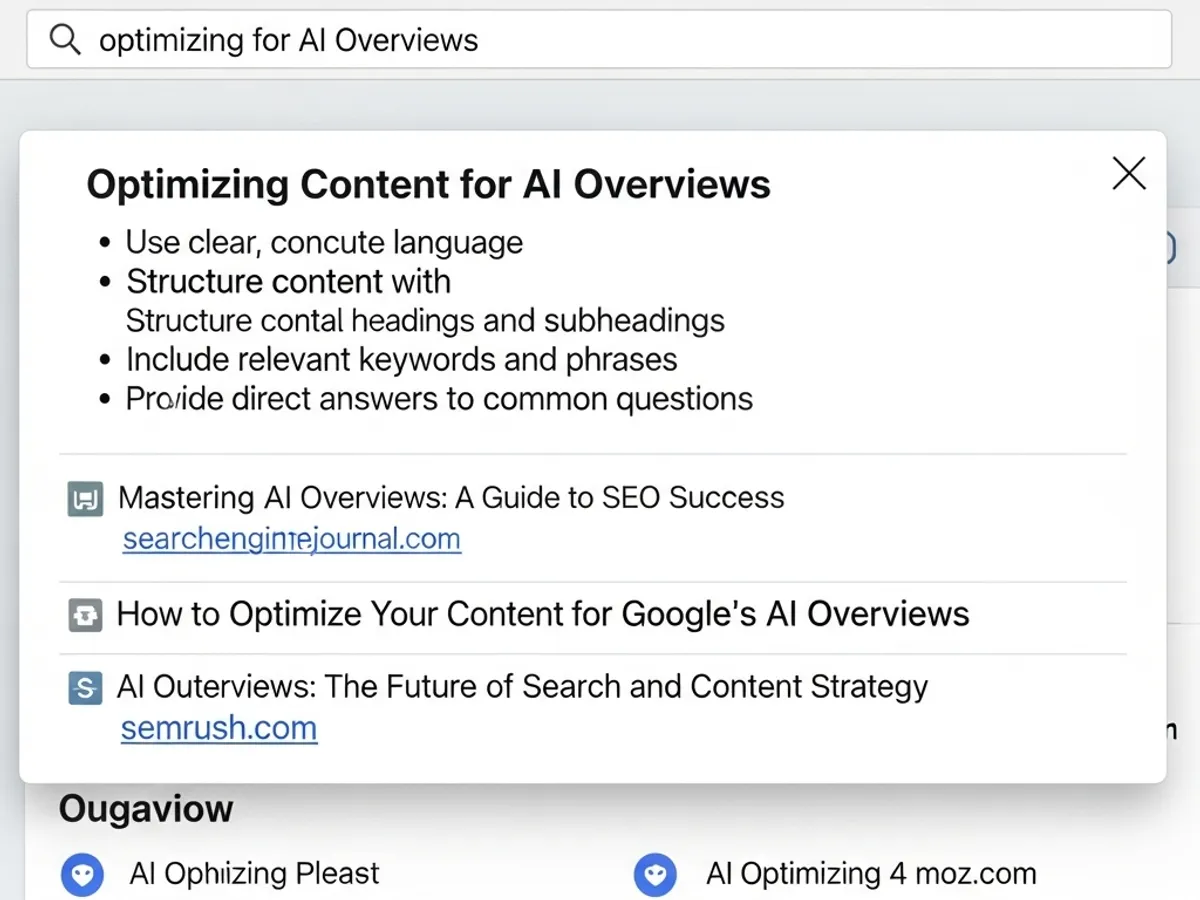
The digital landscape is undergoing a profound transformation, driven by the emergence of AI Overviews and advanced generative engines. This shift isn’t merely an update; it’s a fundamental redefinition of how users consume information and, consequently, how we must approach search engine optimization. Traditional SEO focused on ranking for keywords on a list of blue links; today, we’re optimizing for answers provided directly by AI.
The Rise of AI Overviews and Their Impact
Google’s AI Overviews, powered by its Search Generative Experience, present concise, AI-generated summaries at the top of search results. These overviews directly answer user queries, often reducing the need for users to click through to external websites. This means your content isn’t just competing for a click; it’s competing to be the source material for the AI’s answer. The implication is clear: visibility now hinges on providing the most authoritative, comprehensive, and structured information available.
AI Overviews prioritize clarity and direct answers.
For content creators, this necessitates a strategic pivot. Our focus must shift from simply keyword stuffing to crafting content that answers questions thoroughly and accurately, anticipating the nuances of user intent that AI models are designed to understand. This is where the concept of Answer Engine Optimization (AEO) becomes increasingly vital.
Understanding Generative Engine Optimization (GEO)
Beyond individual AI Overviews, the broader shift is towards Generative Engine Optimization (GEO). This encompasses optimizing content for search engines that generate responses, rather than just listing pages. It’s about designing content that is easily digestible, verifiable, and semantically rich for large language models (LLMs).
GEO demands a focus on:
- Factuality and Authority: AI prefers reliable sources. Content must be accurate and demonstrate expertise.
- Structured Data: Using schema markup helps AI understand the context and relationships within your content.
- Comprehensive Answers: Providing a holistic answer to a query, covering related sub-topics, increases the likelihood of your content being chosen by the generative engine.
- User Intent Alignment: Deeply understanding why a user is searching for a particular query and addressing all facets of that intent.
This new paradigm transforms content creation into a more scientific process. Instead of simply writing for human readers, we’re also writing for AI models that will interpret and synthesize our information. As we explored in “Rank Higher: Integrating AI Search and Geo-Targeted SEO for 2026“, the integration of AI search and geo-targeting fundamentally reshapes how we approach visibility.
Adapting Content Strategies with AI Tools
The good news is that specialized AI tools are emerging to help navigate this complex environment. Platforms like GenWrite are designed precisely for this new era. We automate the end-to-end blog creation process, focusing on SEO optimization that aligns with generative engines. This includes researching keywords, analyzing competitor content, and structuring output in a way that appeals to both human readers and LLMs. Our goal is to ensure your content is not just found but used by these advanced systems.
Leveraging AI for content creation is no longer optional; it’s essential for competitive advantage.
By employing tools that integrate AI SEO tools for keyword research and content optimization, businesses can produce high-quality, SEO-friendly content that meets the demands of AI Overviews and Generative Engine Optimization. As detailed in “Boost Rankings with Top AI SEO Tools for 2026“, these tools are crucial for staying ahead. The future of search is conversational and AI-driven; our strategies must evolve to match.
Choosing the Best AI SEO Tool to Dominate Local Search Rankings in 2026
Why Manual Local Optimization Fails Without a Dedicated AI SEO Tool
In the rapidly shifting landscape of AI-driven search, securing dominant local visibility is no longer achievable through manual workflows. As search engines transition to generative AI Overviews and hyper-personalized results, businesses must optimize for user intent, conversational context, and precise geographic relevance. Relying on outdated, manual processes makes it impossible to scale. To maintain a competitive edge, deploying a specialized ai seo tool is now a baseline requirement for modern local marketing.
Traditional local SEO strategies fall short because they cannot process local data at the speed of modern search algorithms. Manually researching hundreds of neighborhood-specific keyword variations, tracking localized competitor movements across multiple zip codes, and drafting unique content for various service areas is incredibly resource-intensive and highly prone to human error.
Comparing the Top AI Tools for SEO for Local Search Automation
To capture high-intent local search queries and outperform regional competitors, businesses must integrate advanced ai tools for seo into their daily workflows. The most effective platforms offer deep automation capabilities that handle repetitive tasks—such as citation monitoring, local keyword tracking, and review management—at scale.
Below is a comparison of how the leading ai tools for seo perform when applied specifically to local search automation:
| AI SEO Platform | Primary Local SEO Use Case | Key Automation Features |
|---|---|---|
| BrightLocal (with AI features) | GBP Optimization & Review Sentiment | Automated GBP audits, AI-generated review replies, and automatic local citation tracking. |
| Surfer SEO | Localized Content Optimization | Hyper-local NLP analysis, real-time localized content scoring, and automated SERP analyzer. |
| Semrush (Copilot & Local SEO) | Competitor Geo-Analysis & Tracking | Automated map pack rank tracking, AI-driven local keyword discovery, and automated competitor gap analysis. |
| Jasper | Geo-Targeted Content Scaling | Automated frameworks for local landing pages, neighborhood-specific FAQs, and automated service page generation. |
How a Modern AI SEO Tool Automates Local Search Success
Leveraging a specialized ai seo tool translates directly into automated, actionable insights that drive foot traffic and digital conversions. By removing manual bottlenecks, these platforms allow multi-location brands and local businesses to scale their presence effortlessly:
- Automated Hyper-Local Keyword Discovery: Instead of guessing search terms, an advanced ai seo tool can instantly unearth long-tail, conversational local queries that traditional keyword tools overlook. This ensures your content answers the exact questions local searchers ask.
- Automated Competitor Geo-Analysis: AI-driven platforms continuously monitor your local competitors’ digital footprint, tracking their Google Business Profile updates and content strategies to automatically flag visibility gaps you can exploit.
- Scalable Local Content Generation: Crafting unique content for dozens of service areas is simplified using specialized ai tools for seo. They automate the creation of location-specific blog posts, neighborhood landing pages, and localized FAQs that are semantically rich and optimized for AI search engines.
Key Automation Features to Look For in AI Tools for SEO
When evaluating the best ai tools for seo and local optimization suites, look for platforms that offer these specific, high-impact automation features:
- Automated Google Business Profile (GBP) Management: The tool should automatically audit your GBP, suggest optimized categories, and draft context-aware review responses to maintain high local engagement.
- Automated Citation Auditing & Syncing: Maintaining consistent NAP (Name, Address, Phone) data across the web is critical. The right ai seo tool will automatically scan directories, flag discrepancies, and push updates to keep your citations clean.
- AI-Powered Review Sentiment Analysis: Instead of reading hundreds of reviews manually, use AI to automatically extract customer sentiment, pinpoint common local pain points, and feed these insights back into your marketing strategy.
- Automated Localized Content Briefs: The software should generate structured content briefs tailored to specific regional search intent, guiding your writers to naturally include local landmarks, events, and community-specific terms.
For organizations looking to dominate local search rankings, integrating these automated features is essential. Advanced AI-powered content platforms streamline the creation process, ensuring that your local landing pages and blog posts are not only optimized for traditional search engines but are also highly visible within conversational AI search results. By adopting these cutting-edge ai tools for seo, you shift your focus from tedious manual execution to high-level strategic growth, securing your local market dominance for 2026 and beyond.
Can AI Help You Outrank Competitors with Hyper-Local Content Strategies?
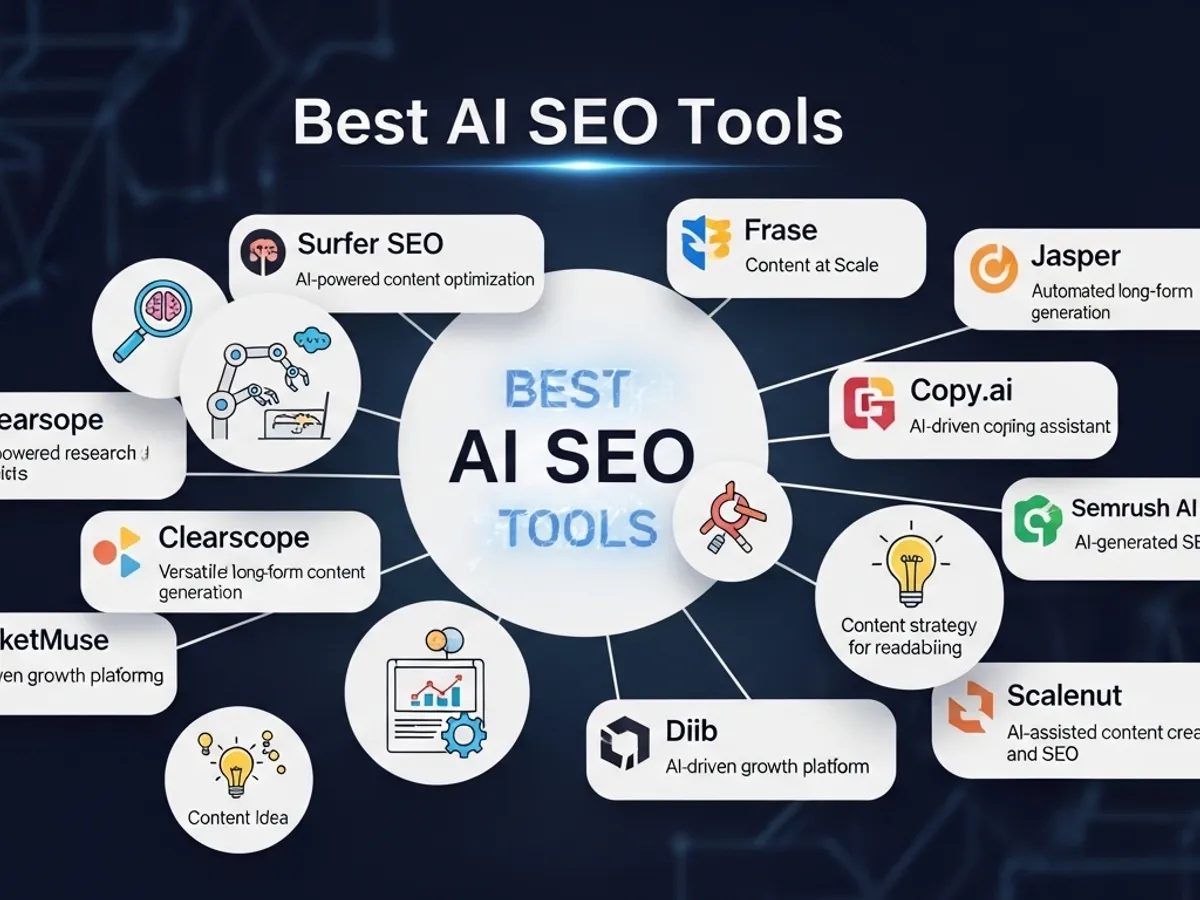
In an increasingly competitive digital landscape, merely having a local presence isn’t enough; you need to dominate it. As AI continues to personalize search results, the ability to create truly hyper-local content becomes a significant competitive advantage. Many businesses struggle to scale this level of specificity, but AI offers a powerful solution to outrank competitors by deeply engaging with local audiences.
The AI Advantage in Hyper-Local Content Creation
Creating content that genuinely resonates with a specific locale goes far beyond simply dropping in a city name. It requires understanding local nuances, common phrases, and specific community interests. This is where AI truly shines, transforming how we approach hyper-local content strategies.
Generating Location-Specific Narratives
AI-powered content generation moves beyond generic templates to craft narratives that feel authentic to a particular place. Instead of just mentioning a town, AI can analyze local news, community forums, social media discussions, and even historical data to identify prevalent themes, slang, and cultural touchstones.
For instance, an AI blog generation tool could produce an article about a local festival, incorporating details about specific traditions or unique vendors that only a true local would know. This level of detail makes the content highly relevant and engaging for the target audience, fostering a stronger connection and boosting local SEO signals.
Identifying Local Keyword Gaps and Opportunities
Traditional keyword research often misses the granular detail required for effective hyper-local targeting. AI-driven tools can analyze vast datasets of local search queries, competitor content, and even voice search patterns to uncover niche local keywords that human researchers might overlook.
These tools can identify long-tail keywords related to specific neighborhoods, landmarks, local events, or even colloquial terms used by residents. By pinpointing these underserved keyword gaps, businesses can create targeted content that directly addresses local search intent, giving them a significant edge in local search rankings. This advanced analysis is a core component of powerful Ai seo tool.
Optimizing for Unique Regional Queries
Beyond just keywords, AI helps optimize for the intent behind unique regional queries. For example, a search for ‘best late-night vegan tacos in Austin’ requires AI to understand not just the cuisine and location, but also the specific time constraint and dietary preference, matching it with highly relevant local businesses and reviews.
What are the Essential Features of the Best AI SEO Tools in 2026?
The landscape of search is dramatically shifting, and by 2026, the effectiveness of your SEO strategy will hinge on the sophistication of your AI tools. Navigating Google’s AI Overviews and personalized results requires a new generation of capabilities. The Best AI SEO Tool in 2026 won’t just automate tasks; it will provide strategic intelligence that was previously unattainable.
AI-Powered Semantic & Local Keyword Research
Gone are the days of simple keyword density. The top 2026 AI SEO tools leverage advanced natural language processing (NLP) to understand user intent, semantic relationships, and the nuances of conversational queries. For Geo-SEO, this means identifying hyper-local phrases, common local slang, and location-specific questions that traditional tools often miss. A superior tool will not only suggest keywords but also map them to stages of the customer journey, prioritizing those with high local search intent.
Understanding local intent is paramount for capturing nearby customers in an AI-driven search environment.
Content Optimization for Generative AI
With AI Overviews becoming prevalent, content must be structured and optimized for generative engines. Essential features include AI-driven content briefs that ensure comprehensive coverage of a topic, identification of knowledge gaps, and suggestions for structuring content to be easily digestible by large language models (LLMs). This means moving beyond keyword stuffing to creating truly authoritative, fact-checked, and contextually rich content. Tools that offer real-time feedback on content quality and alignment with AI search principles are invaluable.
Automated Content Generation and Optimization
Efficiency is key for scaling content efforts, especially for businesses targeting numerous local markets. The seo ai tools that stand out will offer robust content automation capabilities. This includes AI-powered writing assistants that can generate high-quality drafts, rewrite existing content for better search performance, and even automatically integrate internal and external links. For instance, an AI blog generator like GenWrite excels at this, providing end-to-end blog creation that focuses on SEO optimization, helping you churn out relevant, location-specific articles at scale. This allows teams to focus on strategy rather than manual content production.
Competitor Geo-Analysis and Rank Tracking
To truly dominate local search rankings, you need to know exactly where your competitors stand. The best AI SEO tools offer granular competitor analysis, showing their local ranking positions, the content they rank for, and their local citation profiles. Paired with advanced rank tracking capabilities—not just national, but hyper-local by postcode or neighborhood—these insights provide actionable intelligence. This level of detail allows you to identify opportunities and replicate successful strategies in your target areas.
Precise competitor analysis unveils hidden opportunities in your local market.
Data-Driven Insights and Performance Measurement
Finally, the Best AI SEO Tool in 2026 must provide clear, actionable insights derived from vast datasets. This includes predictive analytics for ranking changes, conversion rate optimization suggestions based on local search behavior, and comprehensive reporting that ties SEO efforts directly to business outcomes. Look for tools that offer intuitive dashboards and can integrate with other marketing platforms to provide a holistic view of your digital presence.
These advanced features, from semantic research to automated content creation and hyper-local analytics, are what define the leading AI SEO tools for 2026. Leveraging a robust AI content writer for blogs, like those offered by GenWrite, will be non-negotiable for businesses aiming to thrive in an AI-first search environment and achieve significant traffic generation through superior SEO optimization. The right tools don’t just optimize; they strategize and execute.
How Can You Measure Your Geo-SEO Performance in an AI-Dominated Environment?
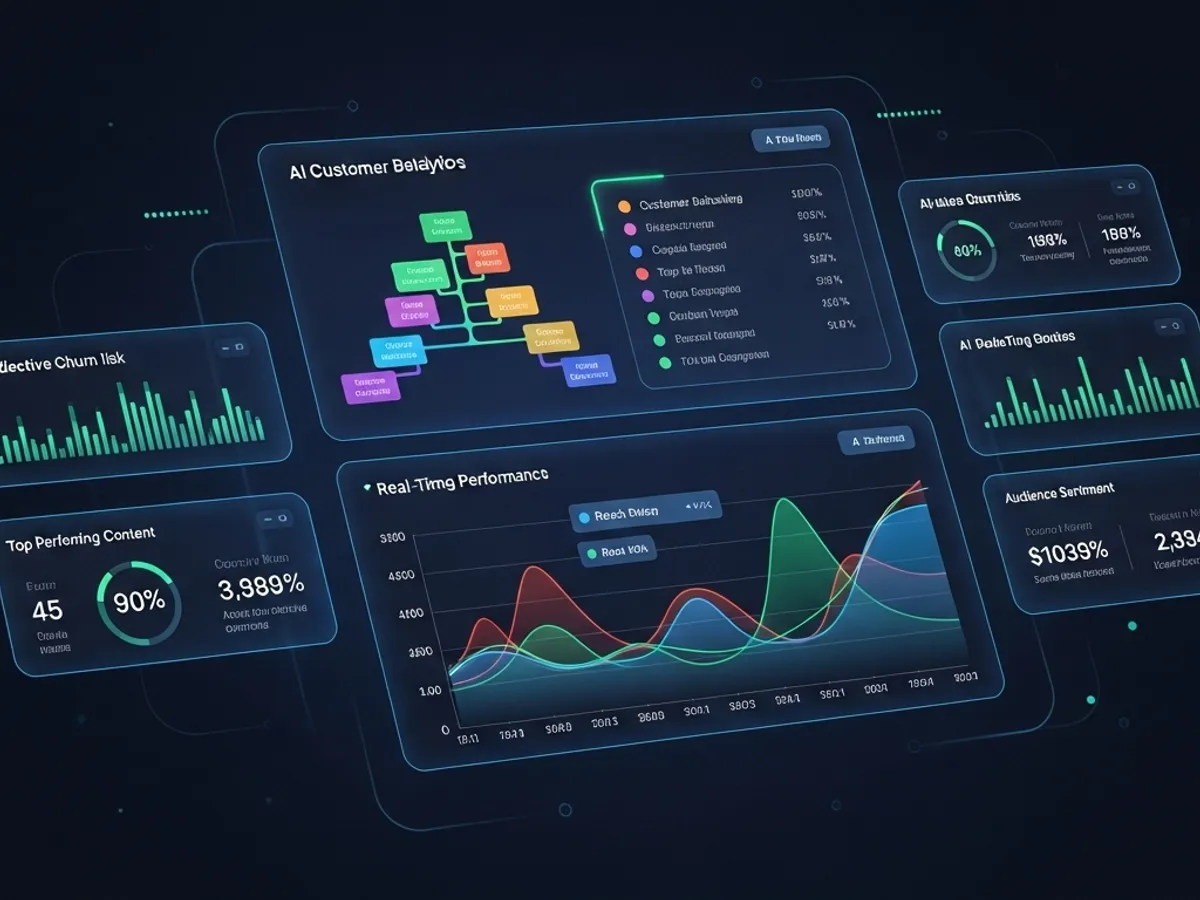
Measuring Geo-SEO performance in an AI-dominated environment requires a significant shift from traditional analytics. The game has changed, moving beyond simple keyword rankings to understanding how your local business appears in AI Overviews and generative AI responses. This evolution demands a more sophisticated approach to AI search tracking.
In 2026, simply ranking #1 in a local pack isn’t enough. Our focus must expand to encompass where our local information surfaces within AI-generated summaries and direct answers. This means closely monitoring appearances in Google’s AI Overviews and other generative AI responses, as these are becoming primary touchpoints for user queries.
From Rankings to Snippets: The AI Overview Metric
The most significant shift in SEO performance metrics for Geo-SEO involves tracking your presence within AI Overviews. These concise, AI-generated summaries often pull information directly from optimized local content. We need tools that can identify when our business is cited or provides the foundational data for these snippets. This goes beyond traditional rank tracking; it’s about tracking factual attribution and prominence.
Appearing in an AI Overview is a powerful signal of authority and direct visibility.
Furthermore, monitoring how your content contributes to featured snippets and knowledge panels remains crucial, as these often feed into AI Overviews. An effective AI search tracking strategy will combine both traditional local pack monitoring with advanced sentiment analysis and content attribution within AI-generated text.
Traditional SERPs vs. AI Overviews: A Dual Approach
While AI Overviews command increasing attention, the traditional Search Engine Results Pages (SERPs) are far from obsolete. Local pack rankings, map visibility, and organic local results still drive significant traffic. The challenge lies in understanding the interplay: how does strong performance in traditional SERPs influence your Generative AI visibility?
We must track key metrics across both landscapes:
- Local Pack Performance: Impressions, clicks, and direct actions (calls, directions, website visits) from your Google Business Profile (GBP).
- Organic Local Rankings: Your position for “near me” and specific local service keywords.
- AI Overview & Generative Snippet Appearances: Tools are evolving to detect when your optimized local content is referenced or summarized by AI.
Adapting to Evolving Analytics with AI
The good news is that AI itself is providing solutions for this new measurement paradigm. Advanced AI SEO tools are emerging, designed to parse complex data, identify content attribution in generative AI, and provide nuanced SEO performance metrics. This enables us to understand user intent better and adapt our content strategies.
For instance, a platform like GenWrite automates blog creation, but its underlying AI principles—like competitor analysis and keyword research—are precisely what’s needed to craft content that’s both highly relevant for local users and structured for AI consumption. It helps ensure our content is comprehensive, factual, and optimized for both traditional search and AI Overviews, boosting overall Generative AI visibility.
Effective measurement now relies on AI-powered insights that reveal where and how your local business is truly seen.
Key Geo-SEO Performance Metrics for 2026
To effectively measure your Geo-SEO performance, focus on these critical metrics:
- AI Overview & Snippet Attribution: How often is your content directly contributing to AI-generated answers?
- Local Pack Impressions & Clicks: Visibility and engagement within Google Maps and local search results.
- “Near Me” Search Rankings: Your position for highly localized, intent-driven queries.
- Google Business Profile Actions: Calls, direction requests, website clicks from your GBP listing.
- Local Conversion Rate: The percentage of local searchers who become customers.
- Geo-Specific Website Traffic: Analyzing traffic sources to understand local user engagement.
- Review & Sentiment Analysis: AI-driven insights into customer feedback and local reputation.
This comprehensive approach ensures you’re not just guessing but actively measuring your impact in every facet of the AI-driven search landscape.
Are You Ready for the Ethical and Technical Challenges of AI-Powered Geo-SEO?
The rapid adoption of AI in Geo-SEO brings unprecedented opportunities, but it also casts a long shadow of complex ethical and technical SEO challenges. Are we truly prepared to navigate the intricate landscape of data privacy, content accuracy, and algorithmic transparency that AI introduces into local search? This isn’t just about ranking; it’s about trust and responsible innovation.
One of the most pressing ethical considerations revolves around data privacy. AI-powered Geo-SEO thrives on vast amounts of location data, user behavior, and demographic insights. While this personalization enhances relevance, it also raises critical questions about how this data is collected, stored, and utilized. Ensuring user consent and protecting sensitive personal information becomes paramount, especially when targeting hyper-local audiences. Ethical AI content demands transparency in data handling.
Another significant hurdle is maintaining AI content accuracy. Generative AI, while powerful, can sometimes produce outputs that are factually incorrect or misleading, often termed “hallucinations.” In local search, where precise information about businesses, addresses, and operating hours is crucial, even minor inaccuracies can severely impact user experience and business reputation. This necessitates robust validation processes and human oversight to verify AI-generated local content before publication.
Beyond accuracy, the specter of AI bias looms large. If the training data for AI models reflects societal prejudices, the resulting Geo-SEO algorithms could inadvertently favor certain businesses or demographics while marginalizing others. This can lead to unfair visibility in local search results, undermining the goal of an equitable digital marketplace. Addressing AI bias is a continuous ethical imperative.
From a technical standpoint, the challenges are equally formidable. The “black box” nature of advanced AI algorithms often means it’s difficult to fully understand why certain content ranks or why a specific local search result is displayed. This lack of algorithm transparency complicates optimization efforts and makes it harder to diagnose issues or adapt strategies effectively. SEO professionals must grapple with increasingly opaque systems.
Integrating diverse AI tools into a cohesive Geo-SEO strategy also presents a technical headache. Ensuring seamless data flow, compatibility, and consistent performance across multiple platforms requires sophisticated technical expertise. Furthermore, the constant evolution of Google’s AI-driven search landscape demands continuous learning and adaptation, making past strategies quickly obsolete.
This is where platforms like GenWrite become invaluable. By focusing on creating high-quality, SEO-friendly content that aligns with search engine guidelines and LLMs, GenWrite helps navigate some of these “AI challenges” by emphasizing accuracy and optimization. Our AI blog generator automates content creation, but it’s built with the understanding that human review and ethical guidelines are non-negotiable for trustworthy local search. Responsible content automation is key to ethical AI SEO.
Ultimately, readiness for AI-powered Geo-SEO means proactively addressing these ethical and technical dimensions. It requires a commitment to data privacy, rigorous content validation, and a continuous effort to understand and mitigate algorithmic biases. Embracing tools that support ethical content practices is not just good practice, it’s essential for long-term success in the AI-driven search era.
What Strategic Steps Must Businesses Take to Future-Proof Their Geo-SEO for 2026 and Beyond?
As we hurtle towards 2026, the question isn’t whether AI will reshape Geo-SEO, but how proactively businesses are adapting. The future of local search is intrinsically linked to AI’s ability to personalize results, understand complex queries, and deliver concise answers through AI Overviews. To future-proof SEO, a business must pivot from reactive tactics to a forward-looking AI strategy that anticipates algorithmic shifts.
Embracing a Proactive AI Strategy for Geo-SEO
The traditional approach to Geo-SEO, focused solely on static keywords and directory listings, is becoming obsolete. Google’s AI-driven landscape demands a dynamic strategy centered on user intent, context, and the nuances of natural language processing (NLP). This isn’t just about ranking; it’s about being the most relevant answer when AI synthesizes information for a local query.
Anticipating AI-driven search patterns is crucial for long-term local visibility.
Businesses must begin by refining their understanding of local search intent. AI algorithms don’t just match keywords; they interpret the underlying need and geographical context of a query. This requires a deeper dive into how local customers phrase questions, what problems they’re trying to solve, and what information they truly seek.
Strategic Pillars for Sustainable Geo-SEO in 2026
To build a robust and sustainable Geo-SEO framework, focus on these critical areas:
-
Hyper-Personalized Content Development: Leverage AI to identify micro-segments within your local audience and create content that speaks directly to their unique needs and geographical markers. This means moving beyond generic city-level content to hyper-local narratives that resonate deeply with specific neighborhoods or communities. Our tools at GenWrite can significantly aid in this, using AI to generate highly relevant content that targets specific local audiences, ensuring your message hits home every time. Visit GenWrite to learn more about integrating AI search and geo-targeted SEO.
-
Structured Data and Schema Optimization: AI feeds on structured data. Ensure your local business information, products, services, events, and reviews are meticulously marked up using schema.org. This clarity helps AI understand your offerings precisely, making your business a prime candidate for rich snippets and AI Overviews.
-
Continuous Local Data Auditing: The accuracy of your Google Business Profile (GBP) and other local citations is paramount. Implement systems for ongoing verification and updates. Inaccurate or inconsistent information can severely hinder your local search performance, especially as AI prioritizes authoritative and verifiable data.
Accuracy and consistency are non-negotiable in an AI-powered local search ecosystem.
-
Voice Search and Conversational SEO: Optimize for the way people speak their queries, not just type them. This involves longer, more natural language keyword phrases and a focus on answering direct questions. AI’s conversational capabilities mean your content needs to be structured to provide direct, clear answers.
-
Leveraging AI for Competitive Intelligence: Use AI SEO tools to monitor competitors’ local strategies, identify gaps in their content, and pinpoint emerging local search trends. This proactive approach allows you to adapt quickly and maintain a competitive edge. Tools capable of competitor geo-analysis are invaluable here.
Future-proofing Geo-SEO for 2026 and beyond is about embracing AI as a partner in your strategy. It’s an iterative process of learning, adapting, and optimizing, ensuring your business remains visible and relevant in an increasingly intelligent search environment.
Can You Dominate Both Google and AI Search: A Geo-SEO Checklist for 2026?
The journey through the evolving landscape of Google and AI search reveals a profound truth: Geo-SEO isn’t just an option anymore; it’s the bedrock of AI search dominance. We’ve seen how AI overviews and generative engines are reshaping results, demanding content that is not only locally relevant but also optimized for machine understanding. This isn’t about incremental gains; it’s about fundamentally rethinking how local businesses connect with their audience in a conversational, AI-driven world.
Achieving AI search dominance requires a proactive stance, moving beyond traditional SEO tactics. It’s about leveraging AI as an ally, not just a trend to observe. The businesses that will Dominate Google & AI Search in 2026 are those already embedding AI into their strategies, from content creation to performance measurement.
Your Actionable Geo-SEO Checklist for 2026
To help you immediately implement the insights we’ve discussed, here’s a practical Geo-SEO checklist designed for the AI era:
- Optimize Your Google Business Profile (GBP) for AI: Ensure every field is meticulously filled, including services, attributes, and Q&A. Encourage local reviews with keyword-rich responses. GBP is the front door for AI-driven local discovery.
- Develop Hyper-Local, AI-Optimized Content: Create content that speaks directly to specific local queries and community interests. Use AI to identify niche local keywords and generate compelling, location-specific narratives that resonate. Think beyond city names; consider neighborhoods, landmarks, and local events.
- Implement Structured Data for AI Understanding: Schema markup is non-negotiable. Clearly define your business type, location, services, and products with relevant structured data. This feeds directly into AI Overviews and knowledge panels, increasing your visibility.
- Prioritize Local Citation Building and Link Earning: Consistent NAP (Name, Address, Phone Number) across high-authority local directories remains crucial. Seek local partnerships for backlinks that signal local relevance and authority to search engines and AI models.
- Monitor AI-Driven Performance Metrics: Go beyond traditional rankings. Track visibility within AI Overviews, voice search results, and local pack prominence. Understand how users are interacting with your content via AI-generated answers.
- Leverage AI SEO Tools for Continuous Optimization: Utilize platforms that offer AI-powered keyword research, competitor geo-analysis, and content optimization. These tools provide the competitive edge needed to adapt to algorithmic shifts swiftly.
The future of local search is here, and it’s powered by AI.
Embracing these strategies is not merely about staying competitive; it’s about seizing the opportunity for unprecedented local visibility. Tools like GenWrite can significantly streamline this process, acting as your personal AI blog generator to create high-quality, SEO-optimized content at scale. By leveraging content automation for local market insights and SEO optimization, you free up valuable time to focus on strategic growth.
Don’t let the complexity of AI search deter you. Start implementing this Geo-SEO checklist today to secure your position and Dominate Google & AI Search in 2026. The time to act is now. Explore how AI SEO tools can transform your local presence by visiting GenWrite’s blog on AI SEO tools.
Ready to conquer 2026 search? Discover how GenWrite can automate your Geo-SEO strategy and boost local traffic with AI-powered content creation.
Frequently Asked Questions about Geo-SEO and AI Search
What is Generative Engine Optimization (GEO) and how does it differ from traditional SEO?
Generative Engine Optimization (GEO) is an evolution of traditional SEO, specifically designed to optimize content for AI-driven search engines and AI Overviews. While traditional SEO focuses on ranking factors for organic search results, GEO emphasizes creating structured, factual, and contextually relevant content that AI models can easily understand, summarize, and present as direct answers.
How does AI personalization affect Geo-SEO strategies for 2026?
AI personalization means search results are increasingly tailored to a user’s location, search history, and context. For Geo-SEO, this amplifies the need for hyper-local content and precise location targeting. Businesses must ensure their online presence is optimized to be discovered by AI when users perform searches within a specific geographic radius.
What are the key benefits of using AI SEO tools for local search?
AI SEO tools offer significant advantages for local search by automating complex tasks like hyper-local keyword research, competitor geo-analysis, and content optimization for AI Overviews. They can identify local keyword gaps, analyze regional search trends, and help create content that resonates with specific local audiences, providing a competitive edge.
How can businesses optimize their Google Business Profile for AI search?
Optimizing your Google Business Profile (GBP) is crucial for AI search. Ensure all information is accurate, complete, and up-to-date, including services, hours, and location. Regularly post updates, respond to reviews promptly, and utilize relevant local keywords within your descriptions to signal your relevance to AI algorithms.
What are the ethical considerations for AI-powered Geo-SEO?
Ethical considerations include ensuring data privacy, avoiding algorithmic bias in content creation, and maintaining transparency about AI-generated content. It’s vital to use AI responsibly, focusing on providing accurate, helpful information and human oversight to prevent misinformation and build trust with local audiences.
How can I measure the success of my Geo-SEO efforts in an AI-dominated landscape?
Measuring Geo-SEO success now involves tracking more than just traditional rankings. Monitor visibility in AI Overviews, track local traffic and conversions from geographically targeted searches, and analyze user engagement metrics. AI-powered analytics tools can provide deeper insights into performance across both standard SERPs and generative AI features.