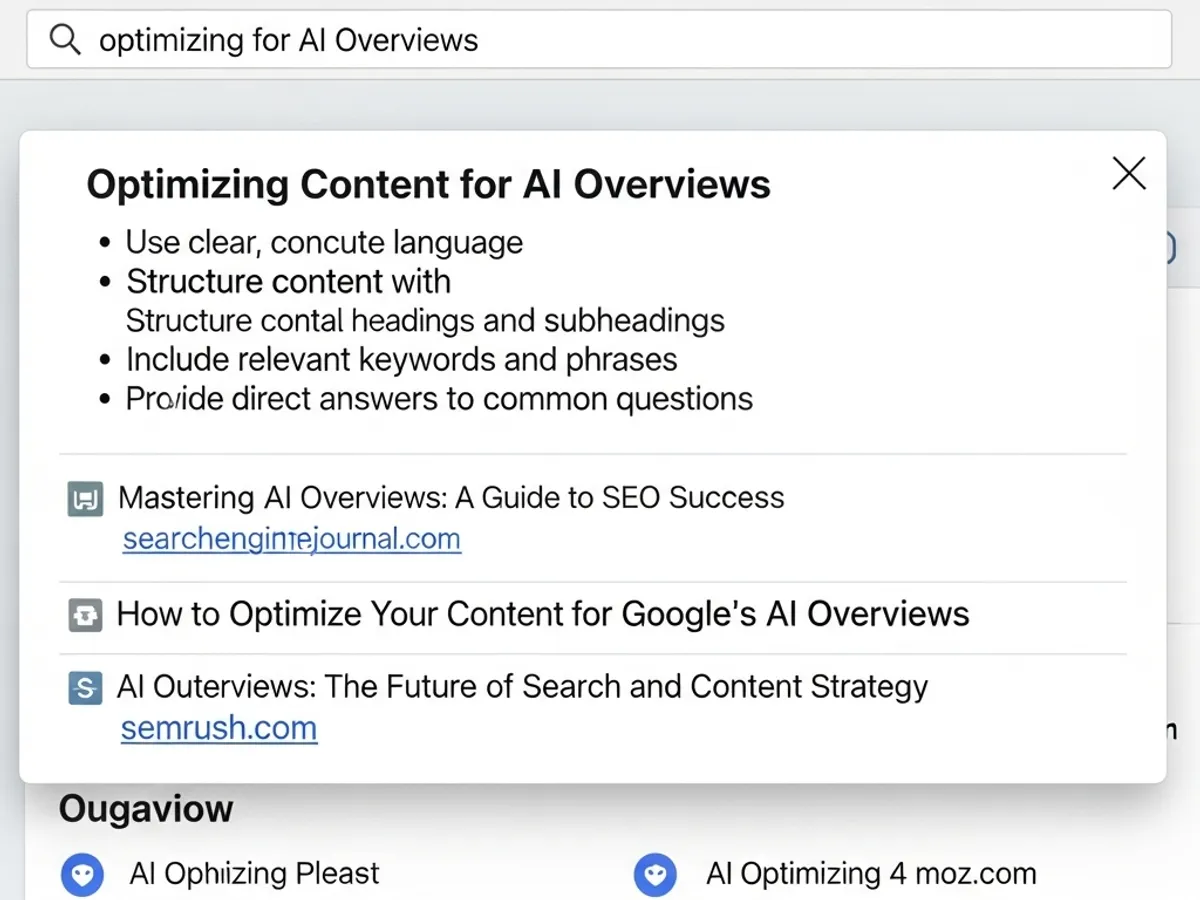
Rank Higher: Integrating AI Search and Geo-Targeted SEO for 2026
What’s Driving the SEO Revolution? Understanding AI Search and Generative Engine Optimization (GEO)
The landscape of search engine optimization (SEO) is undergoing its most profound transformation in decades. We’re moving beyond the era of simple keyword matching, entering a new frontier where artificial intelligence doesn’t just index content—it understands and generates it. This seismic shift redefines how visibility is achieved, moving the goalposts for every digital strategy.
This revolution is largely driven by the emergence of sophisticated AI search engines, like Google’s AI Overviews, alongside powerful generative AI platforms such as ChatGPT and Gemini. These systems aren’t merely presenting a list of blue links; they are synthesizing information to provide direct, often personalized, answers to user queries. This fundamental change necessitates a new approach to digital visibility, which we call Generative Engine Optimization (GEO).
Embracing Generative Engine Optimization (GEO)
Generative Engine Optimization is the practice of optimizing content specifically for these AI-driven outputs, ensuring your information is not only found but chosen and presented by generative AI. It’s a critical evolution from traditional SEO, demanding a focus on semantic richness, structured data, and clarity that AI models can easily process.
Closely related is Answer Engine Optimization (AEO), which centers on structuring content to directly answer user queries. This makes your content prime for immediate inclusion in AI-generated summaries and direct answers. The days of solely chasing traditional rankings are giving way to a more nuanced goal: becoming the authoritative source an AI selects.
Why AI Tools Are Now Indispensable
This paradigm shift means that relying on old SEO tactics is akin to bringing a knife to a gunfight in an era of advanced weaponry. AI search demands that we leverage AI ourselves to understand, adapt, and create at scale. Tools that automate complex processes, from deep keyword research to highly optimized content generation, are no longer a luxury but a strategic imperative.
To truly thrive, you must embrace the tools that can analyze vast amounts of data, predict emerging trends, and even draft content that resonates with both human readers and AI algorithms. For instance, platforms like GenWrite exemplify this necessity, automating the end-to-end blog creation process with SEO optimization built-in, helping you align with these new AI search guidelines. This ensures your content is semantically rich and structured in a way that AI models can easily digest and reproduce, making it valuable for users and for platforms like AI Overviews.
Ignoring these advancements means falling behind in a rapidly evolving digital ecosystem, losing out on the critical visibility that AI now dictates. To explore the critical tools defining this new era, consider checking out articles like Which AI SEO Tools Offer the Biggest Impact on Rankings This Year? and The 10 Best AI Writing Generators for Top SEO Blogs in 2026.
The future of search is intelligent, and your content strategy must be too.
Why Are AI SEO Tools Now Your Indispensable Allies for 2026?
The SEO landscape of 2026 has fundamentally transformed. Manual research has given way to dynamic, AI-powered environments. Ignoring this shift means being outmaneuvered; embracing ai seo tool 2026 solutions offers an undeniable competitive edge. Human capabilities simply can’t match the data volume, evolving algorithms, or rapid shifts in search intent. Traditional approaches are obsolete against today’s AI-powered search engines.
Automation: Reclaiming Strategic Bandwidth
One of the most profound benefits of seo ai tools is unparalleled automation. Imagine offloading keyword research, competitor analysis, and content generation. AI performs these tasks with superior accuracy and speed. This isn’t just efficiency; it’s reallocating your team’s valuable time to higher-level strategic thinking and creative development.
AI tools free up your experts to focus on what truly drives long-term growth.
Tools like GenWrite exemplify this, automating the entire blog creation process. From keyword research to adding links, images, and analyzing competitor content, GenWrite ensures a consistent flow of high-quality, SEO-optimized material. This automation is crucial for scaling digital presence.
Predictive Power: Anticipating Search Trends
Beyond automation, the predictive capabilities of modern ai tools are revolutionary. These platforms analyze vast datasets to forecast future shifts in search behavior and algorithm updates. Optimize content for future queries, not just current. Such foresight enables proactive strategy adjustments, ensuring your content captures emerging demand.
Staying ahead means understanding the curve before it forms.
This predictive edge helps identify semantic keyword clusters and emerging topics before saturation. For a deeper dive into specific tools, explore our guide on Streamline Your Workflow: Six Powerful AI SEO Tools for 2026 Success.
Optimization Beyond Human Scale
Finally, AI SEO tools excel at optimizing content and technical aspects with a scale and precision unattainable manually. They identify subtle on-page issues, suggesting granular improvements for search engines and LLMs. This holistic, data-driven optimization ensures maximum visibility and relevance in a complex search environment. Embracing these AI allies isn’t just about keeping up; it’s about redefining what’s possible in SEO.
What Differentiates the Best AI SEO Tools in 2026?
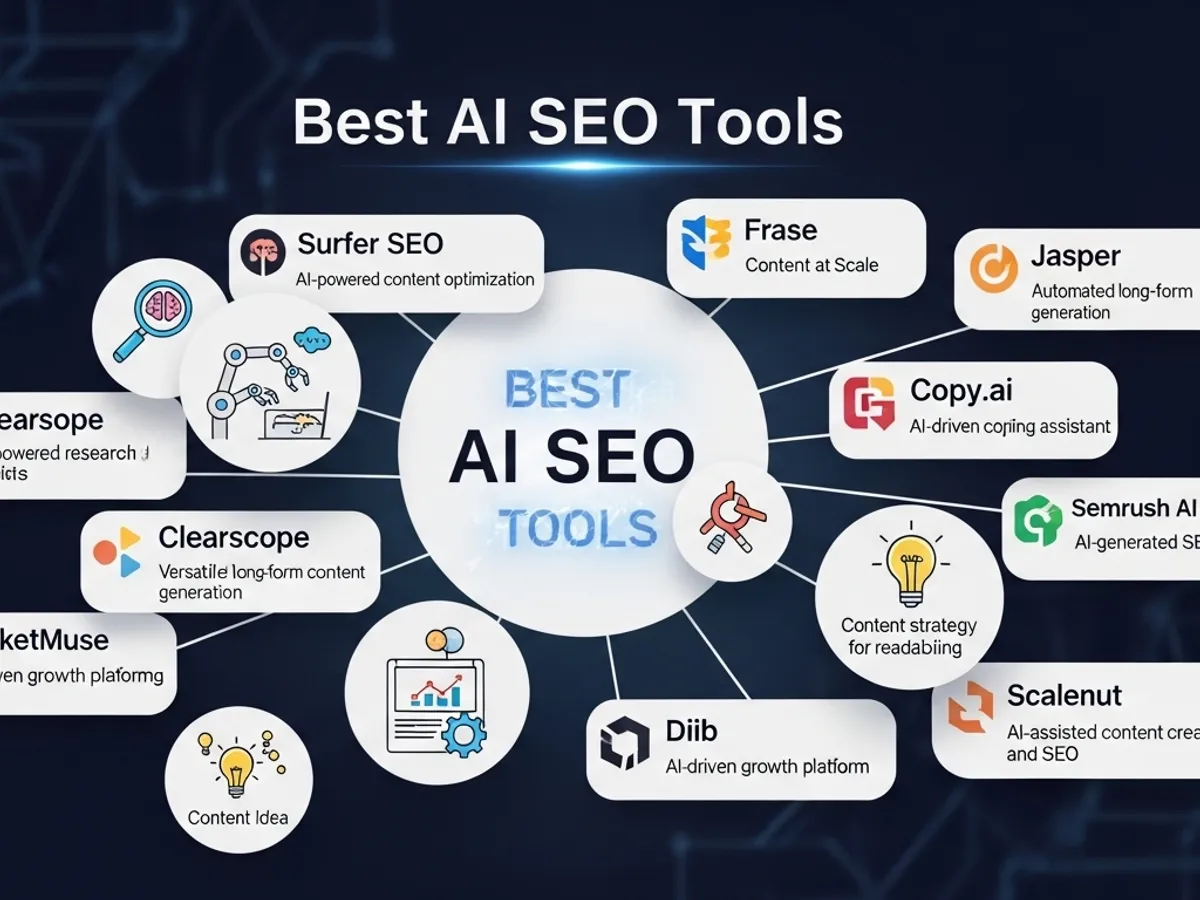
The landscape of AI SEO tools is rapidly evolving, making the distinction between a good tool and the Best AI SEO Tool in 2026 critical for digital success. As an advocate for efficient content creation, I see that true differentiation lies beyond mere feature lists; it’s about how these 2026 ai seo tools empower users to achieve tangible, measurable results.
The Diverse Landscape of AI SEO Tools
Not all online seo ai tools are created equal. The market has segmented into distinct categories, each serving unique aspects of a comprehensive SEO strategy.
All-in-One AI SEO Platforms
These platforms aim to be the central hub for all SEO activities, offering a broad suite of functionalities from keyword research and competitive analysis to rank tracking and technical audits. They provide a holistic view, integrating various data points to inform strategy. Their strength lies in convenience, but sometimes this breadth can come at the cost of depth in highly specialized areas.
Content Optimization & Generation Specialists
This category has seen explosive growth, focusing specifically on creating high-quality, SEO-optimized content. Tools here leverage advanced natural language processing (NLP) to generate blog posts, articles, and website copy that resonates with target audiences and ranks well. They analyze competitor content, suggest keyword clusters, and ensure semantic richness.
The most effective content AI tools move beyond basic generation to ensure semantic depth and search intent alignment.
For example, platforms like GenWrite specialize in automating the end-to-end blog creation process, ensuring SEO optimization from research to publishing. This level of content automation is crucial for scaling content efforts efficiently. If you’re looking to revolutionize your content workflow, exploring tools that help you Craft Engaging Blogs in Under a Minute with Advanced AI Writers can provide a significant competitive edge.
Geo-Targeting & Local SEO AI
As search engines become more personalized, tools specializing in geo-targeted SEO use AI to optimize for local search queries and map pack rankings. They analyze local intent, business listings, and proximity factors to help businesses dominate their specific geographic markets. This is vital for brick-and-mortar stores and service-area businesses.
Technical SEO AI
These specialized tools use AI to crawl websites, identify technical issues like broken links, crawl errors, site speed bottlenecks, and mobile usability problems. They provide actionable insights to maintain a healthy site architecture, which is fundamental for search engine visibility.
Core Differentiators of Top AI SEO Tools in 2026
Beyond their specific functions, the truly best 2026 ai seo tools share common characteristics that set them apart.
- Accuracy and Actionability: The best tools provide insights, not just data. They interpret complex algorithms to offer clear, executable recommendations that directly impact rankings and traffic.
- Seamless Integration: Superior AI SEO solutions integrate effortlessly into existing marketing stacks, allowing for data flow and workflow automation across platforms.
- Scalability and Automation: They offer the ability to handle large volumes of data and automate repetitive tasks, freeing up human resources for strategic thinking. This is where
AI contentplatforms truly shine, helping you Create Engaging Blogs in Seconds: Your AI Writer Guide for 2026. - Adaptability: The digital landscape is constantly shifting. The best tools are designed with machine learning capabilities that allow them to adapt quickly to new search engine algorithms, user behaviors, and emerging trends like Generative Engine Optimization (GEO).
Identifying the Best AI SEO Tool in 2026 involves assessing how well a platform aligns with your specific needs, offers accurate and actionable insights, integrates seamlessly into your workflow, and provides scalable automation for your SEO efforts.
Which AI Powerhouses Dominate the All-in-One SEO Landscape?
In the race to dominate search engine results, the foundational strength of an all-in-one AI SEO platform cannot be overstated. These robust ecosystems consolidate a myriad of tools, leveraging artificial intelligence to transform complex data into actionable strategies. They are not merely analytical instruments; they are strategic partners, providing a comprehensive view of the competitive landscape and guiding content creation.
Consider Semrush, a titan in the SEO world, which has aggressively integrated AI into its core offerings. The Semrush AI features span everything from highly granular keyword research, predictive content analysis, to sophisticated competitive benchmarking. Their AI-powered content templates, for example, guide writers on topics, tone, and structure, ensuring content is optimized for both search engines and user intent from the outset. This allows for a deeper dive into market trends and audience needs than ever before.
Similarly, Ahrefs has evolved its formidable suite with significant AI enhancements. The Ahrefs AI capabilities are particularly potent in refining backlink analysis, identifying content gaps, and understanding the true drivers behind top-ranking content. By processing vast amounts of data with intelligent algorithms, Ahrefs helps uncover opportunities that might otherwise remain hidden, giving users a distinct competitive edge.
These platforms represent the vanguard of SEO technology, offering unparalleled depth in data analysis and strategic planning. They move beyond simple data aggregation, providing insights into intent, sentiment, and predictive performance, crucial for staying ahead in an AI-first search environment.
The real value these powerhouses bring is their ability to streamline complex SEO tasks, allowing strategists to focus on refinement rather than manual data crunching. They serve as the central hub for identifying what to target and how to approach it. Once these strategic insights are gathered, tools like GenWrite step in. As an AI blog generator, we leverage such data to automate the content creation process, ensuring that the insights gained from an all-in-one AI SEO platform are quickly and efficiently translated into high-quality, SEO-optimized content, ready for publication. This synergy between comprehensive analytics and automated content generation is key to scaling your organic reach efficiently. Modern SEO demands a holistic approach, and these platforms deliver the backbone for that strategy.
How Can AI Revolutionize Your Content Strategy and On-Page Optimization?

AI is no longer just a futuristic concept; it’s the engine driving today’s most effective content strategies and on-page optimization efforts. The shift from simply stuffing keywords to understanding true topical authority and user intent has made content optimization AI tools indispensable for anyone aiming to rank higher in search results.
These specialized platforms leverage sophisticated natural language processing (NLP) to dissect top-ranking content, providing actionable insights that would be impossible to uncover manually. They move beyond basic keyword counts to analyze semantic relationships, sentiment, and the overall completeness of a topic.
AI-Driven Topical Depth with Surfer SEO and Clearscope
Tools like Surfer SEO and Clearscope stand at the forefront of this revolution. They don’t just tell you which keywords to use; they analyze hundreds of ranking factors for your target query, including the optimal word count, heading structures, and the precise semantic terms and phrases that Google expects to see.
Surfer SEO, for instance, provides a detailed content score based on how well your content covers a topic compared to competitors. It uses AI to identify missing concepts and suggest relevant terms, ensuring your content achieves comprehensive topical depth. This goes far beyond traditional SEO, optimizing for context and completeness.
Similarly, Clearscope uses its advanced AI to grade content, offering real-time feedback on relevance, readability, and the inclusion of critical terms. It helps writers craft content that is not only keyword-rich but also genuinely useful and authoritative, aligning perfectly with modern search engine algorithms that prioritize user experience and detailed information.
Crafting Strategic Content Briefs with AI
Before you even write a word, AI can lay the groundwork for success. Tools like Frase utilize AI to generate comprehensive content briefs by analyzing competitor content, identifying common questions, and suggesting key topics and subheadings. This automation ensures that every piece of content is strategically planned for maximum impact.
This is where an ai seo blog generation tool like GenWrite truly shines. It integrates these principles, automating the end-to-end blog creation process, from keyword research and competitor analysis to generating an SEO optimization content brief and publishing the final blog. This streamlines workflows, ensuring your content is optimized for search engines and large language models (LLMs) from the outset. You can learn more about how it works at GenWrite.co.
The Impact on AEO and GEO Scoring
These AI tools are not just about traditional SEO; they are critical for optimizing for Answer Engine Optimization (AEO) and Generative Engine Optimization (GEO). By ensuring topical depth and semantic completeness, your content is more likely to be selected by AI-powered search engines to directly answer user queries or be synthesized into generative AI outputs.
AI-powered optimization ensures your content is not just found, but understood and utilized by the smartest search systems. This precision allows for content to be highly relevant for specific geographic queries, enhancing GEO efforts by making sure local intent is addressed with authoritative answers.
Beyond the Basics: Exploring Specialized AI SEO Tools for Cutting-Edge Gains
While all-in-one platforms like Semrush and Ahrefs lay a strong foundation, the true competitive advantage in the rapidly evolving AI search landscape often comes from specialized AI SEO tools. These niche solutions delve deeper, offering capabilities that push the boundaries of traditional optimization and provide truly cutting-edge gains. For content creators and SEO strategists, understanding these advanced tools is no longer optional; it’s essential for achieving peak performance in 2026 and beyond. We’re moving past generic insights to highly targeted, AI-driven strategies.
Tracking LLM Visibility with LLMrefs
One such innovator is LLMrefs, a platform specifically designed to track LLM visibility. As search engines increasingly rely on large language models to generate direct answers, ensuring your content is visible within these AI-driven outputs becomes paramount. LLMrefs provides crucial insights into how well your content is positioned for Generative Engine Optimization (GEO), showing where you appear in AI-summarized results and offering actionable data to refine your strategy for Answer Engine Optimization (AEO). Securing a spot in AI-generated answers is the new ranking frontier. This tool helps us understand and adapt to the nuances of AI search, ensuring our content speaks directly to the LLMs.
Automated Fixes and Predictive Analytics with Rankscale.ai
Then there’s Rankscale.ai, which goes beyond tracking to offer automated fixes and predictive analytics. This tool identifies technical SEO issues and content gaps, often proposing solutions that can be implemented with minimal manual effort. Its predictive capabilities allow us to anticipate algorithm shifts and market trends, enabling proactive adjustments that keep our content ahead of the curve. Proactive SEO is the best defense against algorithm changes. Rankscale.ai empowers us to automate optimization and predict future SEO challenges, staying one step ahead.
Hyper-Local Optimization with Writesonic GEO
For businesses focused on localized search, Writesonic GEO emerges as a powerful ally. While Writesonic is known for AI content generation, its GEO-focused features are tailored to optimize content specifically for geographic intent. It helps craft localized content that resonates with specific regional audiences, ensuring that your message reaches the right people at the right location in an AI-first search environment. Local relevance is non-negotiable for targeted traffic. Writesonic GEO ensures our content is perfectly aligned with regional search queries, maximizing local visibility.
Comprehensive Intelligence with Search Atlas AI
Finally, Search Atlas AI offers a comprehensive suite that integrates advanced features for competitive analysis and content intelligence. It provides deep dives into competitor strategies, revealing opportunities for differentiation and content expansion. Search Atlas AI leverages artificial intelligence to identify high-value keywords and semantic clusters, streamlining the content creation process and ensuring every piece is optimized for maximum impact. Strategic content decisions are data-driven. Search Atlas AI provides the intelligence needed to outperform competitors and capture market share.
These specialized AI SEO tools represent the next frontier in digital marketing, offering an unparalleled competitive edge. By integrating their unique functionalities—from LLM visibility tracking to automated fixes and hyper-local content optimization—we can build a truly robust and future-proof SEO strategy. For those of us leveraging AI to streamline content creation, platforms like GenWrite, which automates the end-to-end blog creation process with SEO optimization in mind, perfectly complement these specialized tools. We can then focus our efforts on strategic oversight, allowing AI to handle the heavy lifting of execution and analysis.
Can Geo-Targeting Still Thrive in an AI-First Search Environment?
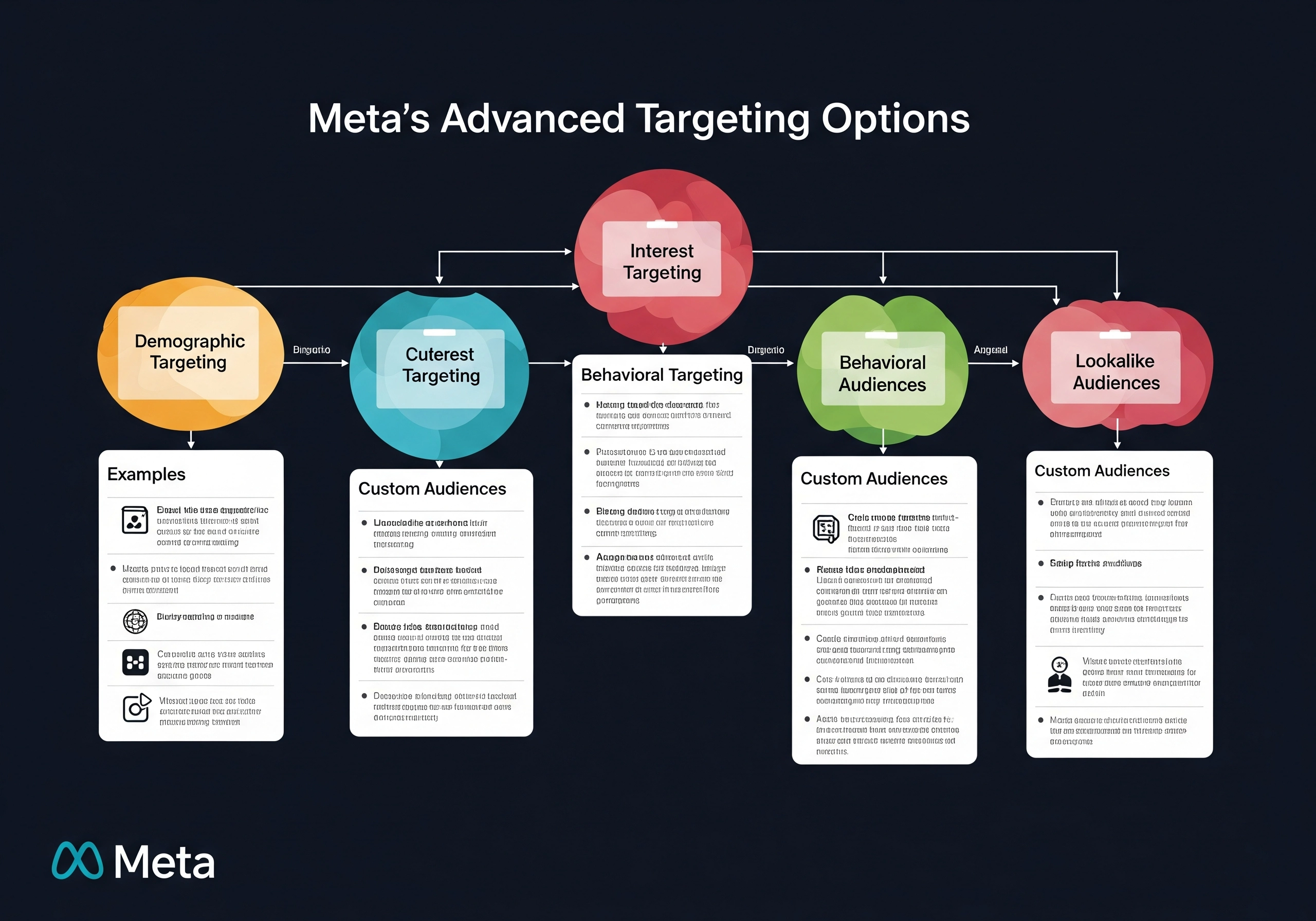
The rise of AI in search has many questioning the future of traditional SEO tactics. Does geo-targeting, a cornerstone of local business visibility, still hold its ground in an AI-first environment? Absolutely. Far from being diminished, geo-targeted SEO is evolving, becoming even more potent with AI.
AI-powered search engines, including AI Overviews and conversational search, are inherently designed to understand user intent and context, which critically includes location. When a user asks a query like “best Italian restaurant near me,” AI doesn’t just pull generic results; it leverages sophisticated algorithms to pinpoint truly local relevance based on a multitude of signals.
Foundational local SEO principles—accurate and optimized Google Business Profile listings, consistent Name, Address, Phone (NAP) data across directories, localized content, and positive customer reviews—remain paramount. AI processes these signals with greater efficiency and nuance than ever before, making meticulous local optimization more rewarding.
This is where local SEO AI tools become indispensable. They can automate the tedious process of local citation building, monitor local review sentiment at scale, and even generate hyper-localized content briefs based on regional search patterns. These tools empower businesses to maintain a strong local presence without the manual overhead.
AI doesn’t replace local relevance; it amplifies it.
For instance, an AI-powered platform like GenWrite can analyze local search intent, identify specific local keywords and semantic variations, and then generate blog posts or landing page content tailored to a particular geographic area. This ensures your content resonates not just with the topic, but deeply with the location of your target audience, enhancing your AI and local search performance.
The strategic integration of geo-targeting with AI search ensures that businesses can achieve higher visibility in local pack results and within AI-generated summaries. This directly connects you with nearby customers who are actively searching for your services, guaranteeing your business remains discoverable where it matters most.
How Do You Forge a Winning Strategy: Integrating AI Search and Geo-Targeting for 2026 Success?
Forging a winning strategy for 2026 demands more than just incremental SEO tweaks; it requires a revolutionary approach that seamlessly blends the power of artificial intelligence with precision geo-targeting. The goal is to not just rank, but to dominate locally and globally, anticipating user intent with unprecedented accuracy. This holistic AI SEO strategy 2026 is your blueprint for navigating the evolving search landscape.
Phase 1: AI-Driven Local Keyword and Intent Analysis
The foundation of any successful strategy lies in understanding your audience. AI tools now excel at analyzing search queries, identifying local intent signals, and uncovering niche geo-specific keywords that traditional methods might miss. This isn’t just about volume; it’s about relevance and conversion potential within specific geographic areas.
Leveraging AI to pinpoint hyper-local search intent is the first critical step.
For instance, AI can analyze local news, events, and community discussions to identify emerging trends and relevant phrases unique to a region. This deep dive ensures your strategy is built on real-world, localized demand, setting the stage for effective integrating AI SEO practices.
Phase 2: Geo-Targeted Content Creation and Optimization at Scale
Once local intent is clear, the next challenge is creating content that resonates. This is where tools like GenWrite shine, automating the generation of high-quality, geo-targeted blog posts and web content. By feeding AI models with localized keywords and audience insights, you can produce content that speaks directly to a specific community’s needs and questions.
AI enables content creation that is both highly relevant and scalable for diverse locales.
Effective SEO implementation here means not just generating content, but optimizing it for local search factors—including local schema, business listings, and location-specific calls to action. This ensures search engines and AI models understand the geographical context and relevance of your content.
Phase 3: Continuous Performance Monitoring and Adaptive Optimization
The digital landscape is fluid, especially with rapid AI advancements. A winning strategy isn’t static; it’s a living system that constantly learns and adapts. AI-powered analytics can track geo-specific rankings, user engagement, and conversion rates, providing real-time insights into what’s working and what isn’t.
This continuous feedback loop allows for agile adjustments, ensuring your AI SEO strategy 2026 remains effective against competitors and algorithm shifts. Predictive analytics can even forecast future trends, giving you a proactive edge.
Constant adaptation, driven by AI insights, is key to sustained success.
By uniting AI-driven analysis, intelligent content creation through platforms like GenWrite, and iterative optimization, businesses can forge an integrated strategy that maximizes local visibility and secures a leading position in the competitive 2026 search environment.
What Does the Future Hold? Emerging Trends in AI SEO Beyond 2026
The SEO landscape is a relentless current, constantly shifting with technological advancement. Beyond 2026, the future of AI SEO promises a profound transformation, moving us towards a hyper-intelligent, predictive, and intensely personalized digital ecosystem. This redefines how content connects with users.
Predictive SEO and Autonomous Optimization
A key SEO trend is the growth of predictive SEO. AI will forecast search intent, emerging topics, and algorithm shifts with unprecedented accuracy. This enables proactive content strategies, publishing highly relevant content precisely when demand surges.
AI-powered tools will transition into autonomous agents. Instead of merely suggesting optimizations, they will increasingly execute them, from automated content generation to self-correcting technical SEO. AI will move from assistance to active management. This is critical for performance in generative AI and evolving multimodal search (text, voice, image, video).
GenWrite’s Role in Future-Proofing
Advanced AI blog generator tools like GenWrite become pivotal. Already automating the end-to-end blog creation process with built-in SEO optimization, GenWrite is poised to integrate more sophisticated predictive SEO features. Anticipating content needs and automating deeper optimization for evolving search paradigms, GenWrite ensures strong organic reach with minimal manual effort. Explore how AI can boost your website traffic with AI SEO.
Adapting to the Algorithmic Horizon
Adapting to algorithms that learn and adapt rapidly will be the core challenge. Success hinges on leveraging AI to anticipate and respond in real-time, integrating new data streams from diverse user interactions and search environments. Continuous learning and intelligent automation will be non-negotiable. The future of AI SEO demands agility, data-driven foresight, and sophisticated AI SEO tools to secure a competitive advantage.
Conclusion: Your Path to Ranking Higher in the AI-Driven Era
The landscape of search engine optimization has undergone a profound transformation, driven by the relentless advancement of artificial intelligence. We’ve explored how AI search and Generative Engine Optimization (GEO) are reshaping how content is discovered, emphasizing personalized and localized experiences. This AI SEO summary reveals a clear path forward: integrating sophisticated AI tools with strategic geo-targeting is no longer optional but essential for achieving meaningful visibility.
Throughout this series, we’ve seen why AI SEO tools are indispensable allies for digital marketing 2026, offering automation, predictive analytics, and unparalleled data insights. They empower us to analyze user intent with greater precision, optimize content at scale, and adapt swiftly to evolving algorithms. Simultaneously, geo-targeting remains a critical layer, ensuring that your digital presence resonates deeply with local audiences, amplified by AI’s ability to understand local context and user location.
The synergy between advanced AI capabilities and targeted local strategies defines the new frontier of SEO success. Leveraging comprehensive AI SEO tools like GenWrite exemplifies this integration, automating the complexities of keyword research, content creation, and on-page optimization to align with both global AI search trends and specific geo-targeted needs.
Embrace the future of SEO now. Your journey to ranking higher in this AI-driven era demands a proactive approach. By leveraging AI-powered solutions, you can streamline your workflow, create highly optimized content, and ensure your business stands out in an increasingly competitive digital world. The time to adapt and thrive is here.
Ready to dominate AI-driven search? Explore how GenWrite can automate your SEO blog creation and amplify your organic reach.
Frequently Asked Questions about AI Search and Geo-Targeted SEO
What is Generative Engine Optimization (GEO)?
Generative Engine Optimization (GEO) is a new SEO approach focused on optimizing content for AI-powered search engines and their generative outputs, like AI overviews. It ensures your content is discoverable and valuable within these advanced search experiences.
Why is geo-targeting still important with AI search?
Geo-targeting remains crucial because AI search algorithms still prioritize location relevance for many queries. By optimizing for local search terms and ensuring location data is accurate, businesses can effectively reach customers in specific geographic areas, even within AI-driven results.
How do AI SEO tools help with content strategy?
AI SEO tools can revolutionize content strategy by identifying trending topics, analyzing competitor content, suggesting keyword opportunities, and even assisting in content generation. They help create more relevant, optimized content that aligns with both search engine algorithms and user intent.
What’s the difference between GEO and AEO?
GEO (Generative Engine Optimization) focuses on optimizing for AI-generated content summaries and conversational search results. AEO (Answer Engine Optimization) specifically aims to get your content featured as a direct answer to user queries within search engine results pages (SERPs), often through featured snippets or AI overviews.
Can AI tools automate blog creation for local SEO?
Yes, advanced AI tools can assist in creating geo-targeted content by incorporating local keywords, location-specific data, and relevant local information. This automation helps businesses maintain a strong local presence and attract nearby customers.
What are the key benefits of integrating AI search and geo-targeting for 2026?
Integrating AI search and geo-targeting for 2026 allows businesses to achieve superior visibility by understanding evolving search behaviors, personalizing content for specific audiences and locations, and staying ahead of algorithmic changes. This leads to increased organic reach and more qualified leads.