
Streamline Your Workflow: Six Powerful AI SEO Tools for 2026 Success
What Exactly Are AI SEO Tools, and Why Are They Revolutionizing Search?

The landscape of search engine optimization has dramatically evolved, moving beyond manual keyword stuffing and basic backlink checks. Today, the conversation is dominated by the power of artificial intelligence, leading to a new generation of sophisticated solutions known as AI SEO tools. These are not merely updated versions of traditional SEO software; they are fundamentally different, leveraging machine learning (ML) and natural language processing (NLP) to automate, analyze, and optimize tasks at a scale and speed previously unimaginable.
What Defines an AI SEO Tool?
At its core, an AI SEO tool is an application designed to enhance various aspects of search engine optimization through intelligent automation. Unlike older tools that relied on predefined rules and manual inputs, AI-driven platforms learn from vast datasets, identify complex patterns, and predict outcomes. This allows them to perform tasks such as in-depth keyword research, competitive analysis, content generation, technical SEO audits, and performance tracking with remarkable accuracy and efficiency.
AI SEO tools definition: Software solutions that use artificial intelligence, machine learning, and natural language processing to automate, optimize, and provide data-driven insights for search engine optimization tasks.
This intelligent automation frees up valuable human resources, allowing strategists to focus on higher-level strategic initiatives rather than repetitive operational tasks. It’s a significant shift from reactive adjustments to proactive, data-informed decisions.
Revolutionizing Search: Beyond Traditional SEO
The true revolution lies in how these tools are fundamentally changing our approach to ranking. Traditional SEO focused heavily on keywords and backlinks, aiming to satisfy search engine algorithms. While these elements remain important, the rise of AI in search engines themselves — like Google’s BERT and MUM updates — has shifted the goalposts.
We are now moving into an era of Generative Engine Optimization (GEO) and Answer Engine Optimization (AEO). This means optimizing content not just for search queries, but for AI models that interpret intent, generate answers, and provide comprehensive summaries, often within AI Overviews or chatbots. It’s about creating content that AI can easily understand, synthesize, and present as authoritative information.
For instance, platforms like GenWrite exemplify this shift by automating the end-to-end blog creation process, ensuring content is optimized for both human readers and AI interpreters. This includes intelligent keyword research and competitor analysis to align with current AI-driven search trends. To master these new ranking dynamics, understanding how to optimize for AI search is crucial, as detailed in our guide on Master Google Rankings & AI Search: Geo-Targeted SEO Tactics for 2026.
The shift from traditional SEO to AI SEO isn’t just about efficiency; it’s about adapting to a smarter, more intuitive search environment.
This new paradigm emphasizes clarity, context, and semantic richness, making content more valuable to both users and the AI systems that serve them. The leading AI SEO tools are those that best anticipate and facilitate this future, helping you to not only rank higher but also to provide more comprehensive and satisfying answers to evolving search queries. For more insights on selecting the best tools, explore articles like Which AI SEO Tools Outperform Competitors for 2026 Rankings?.
Why Is Embracing AI SEO Absolutely Essential for Your 2026 Strategy?
The digital landscape is undergoing a seismic shift, and for anyone aiming for online visibility, ignoring the rise of AI in search is no longer an option. As we rapidly approach 2026, the question isn’t whether AI will impact SEO, but how deeply it already has and how much more it will. This isn’t just about minor algorithm tweaks; it’s a fundamental reshaping of how users find information and how businesses connect with them. Embracing an AI SEO strategy now is not merely an advantage—it’s a necessity for survival.
The Evolving Search Landscape: AI Overviews and Conversational Search
The traditional blue-link SERP is giving way to a more dynamic, AI-driven experience. Google’s AI Overviews, coupled with the mainstream adoption of conversational AI platforms like ChatGPT and Gemini, are transforming AI search experiences. Users expect instant, comprehensive answers directly within the search interface, often without ever clicking through to a website. This means our content needs to be optimized not just for keywords, but for intent, context, and the ability to be synthesized by these powerful AI models.
Your content must be AI-ready, providing clear, authoritative answers that AI can easily interpret and present.
This shift demands a proactive approach, moving beyond reactive keyword stuffing to sophisticated content architectures that cater to both human and machine understanding. The future of SEO hinges on this adaptability.
Why Traditional SEO Falls Short in the AI Era
Manual SEO processes, while still foundational, simply cannot keep pace with the velocity and complexity of AI-driven search changes. Analyzing vast datasets for emerging trends, predicting user intent, or optimizing content for the nuanced requirements of AI models quickly becomes overwhelming. The sheer volume of data and the constant evolution of AI algorithms necessitate a new toolkit.
Human capabilities alone are insufficient to compete effectively in the AI-dominated search environment of 2026.
This is where advanced 2026 ai seo tools step in, providing the leverage needed to maintain and grow your organic presence.
AI SEO Tools: Your Competitive Edge for 2026 and Beyond
AI SEO tools automate the labor-intensive aspects of optimization, allowing marketers to focus on strategy and creativity. They can perform intricate keyword research, analyze competitor content at scale, identify semantic gaps, and even help generate high-quality, AI-optimized content briefs. For instance, platforms like GenWrite are specifically designed to automate the end-to-end blog creation process, ensuring SEO optimization from the ground up.
AI-powered tools ensure your content is not only visible but also highly relevant in the new search paradigm.
By leveraging these tools, we can analyze performance metrics, predict future trends, and adapt our content strategies with unparalleled speed and precision. This integration of AI isn’t just about efficiency; it’s about gaining a distinct competitive advantage in the future of SEO. For those looking to explore how AI can supercharge content creation, understanding how an AI for Blog Writing can streamline workflows is crucial. Moreover, the debate around ai seo writing tool performance highlights the practical benefits of these advanced solutions. As we look towards 2026, investing in the right ai blog generation tool is no longer optional but a strategic imperative.
How Can Semrush’s AI Features Transform Your All-in-One SEO Workflow?
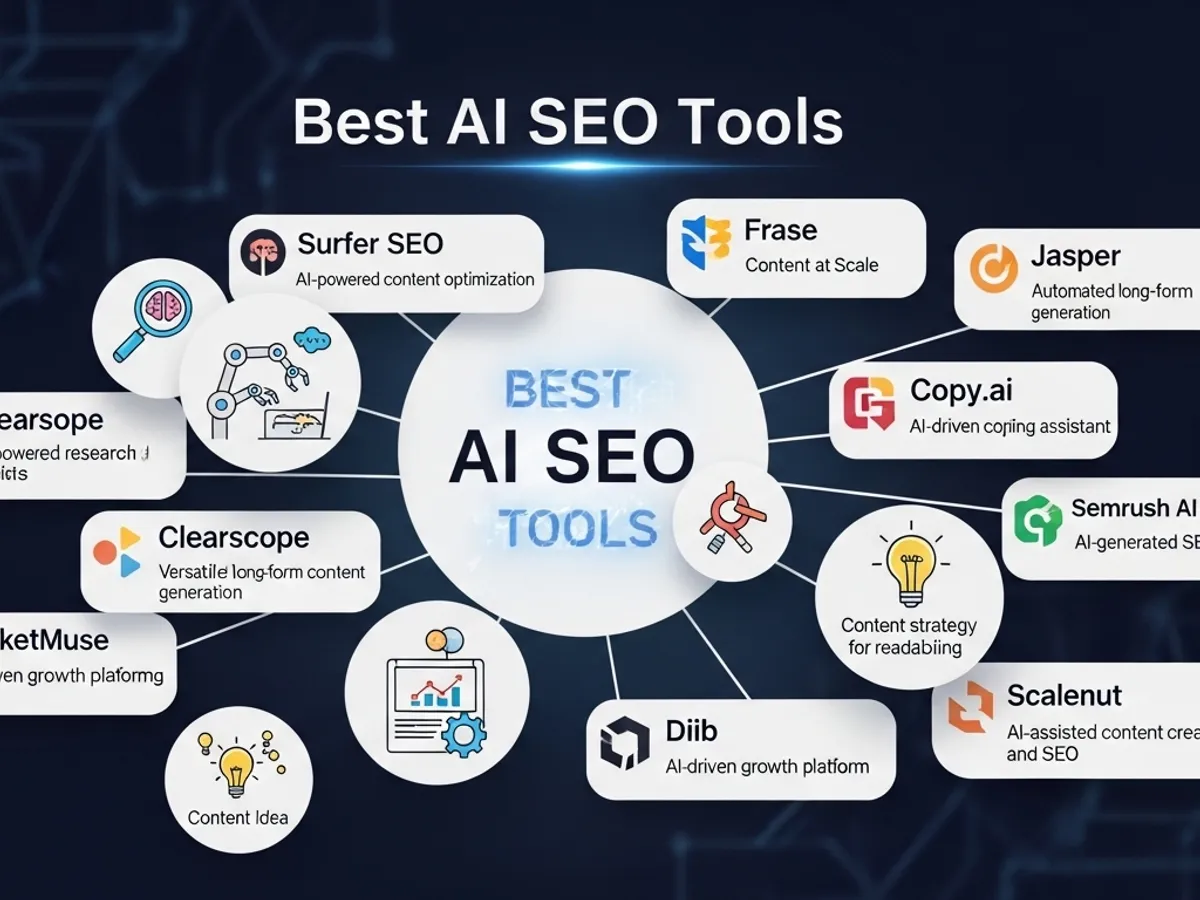
The modern SEO landscape demands more than just traditional tactics; it requires intelligent automation and a holistic view, which is precisely where Semrush AI features come into play. As an advocate for streamlined content creation, I see Semrush as a pivotal all-in-one AI platform that can dramatically transform your SEO workflow by integrating advanced AI capabilities across its vast suite of tools.
AI-Powered Insights for Comprehensive SEO Strategy
Semrush has long been a leader in SEO, but its recent advancements in AI are truly revolutionary. They’re not just adding AI as a buzzword; they’re embedding it deeply into core functions to deliver actionable insights. From identifying niche keywords with high search intent to analyzing competitor strategies at scale, Semrush uses machine learning to cut through the noise, providing a clearer path to ranking success.
Leveraging AI means less guesswork and more data-driven decisions.
This integration allows marketers to quickly adapt to evolving search algorithms and gain a significant competitive edge in a market where AI-driven insights are becoming non-negotiable. The platform’s ability to process vast datasets quickly makes strategic planning more efficient and effective.
Precision in Keyword Research and Topic Clustering
Gone are the days of manual, painstaking keyword research. Semrush’s AI enhances this process by not only suggesting high-volume, low-difficulty keywords but also by identifying semantic keyword clusters. This helps you understand user intent more deeply, ensuring your content truly answers the questions people are asking. The platform can analyze SERP features and provide recommendations that align with current search trends and Google’s emphasis on natural language understanding.
Content Generation and Optimization with AI
Perhaps one of the most impactful areas of Semrush’s AI integration is in content creation. Their ContentShake AI, for instance, acts as a powerful AI article generator, helping users overcome writer’s block and produce compelling drafts quickly. This tool doesn’t just spin text; it leverages insights from top-performing content to suggest structure, topics, and even tone, ensuring your articles are optimized from the ground up.
An AI article generator can dramatically reduce content production time.
Beyond generation, Semrush’s content optimization features, often powered by AI, act as a sophisticated content optimizer. They analyze your existing content against top-ranking pages, providing real-time suggestions for readability, keyword density, semantic relevance, and even internal linking opportunities. This ensures every piece of content you publish is not just good, but optimized for maximum search visibility. For those looking to fully automate their content creation and distribution, tools like GenWrite can take these optimized briefs and rapidly produce, publish, and even update entire blog series, ensuring consistent, high-quality output aligned with search engine guidelines and LLMs.
Streamlining Your All-in-One SEO Workflow
The true power of Semrush AI lies in its ability to connect these disparate SEO tasks into a cohesive, intelligent workflow. Instead of jumping between multiple tools for keyword research, content briefs, writing, and optimization, Semrush provides a centralized hub. This all-in-one AI platform approach frees up valuable time, allowing SEO professionals to focus on higher-level strategy and adaptation rather than repetitive manual tasks.
By unifying these AI-driven features, Semrush empowers teams to execute more efficiently, from initial research to content publication and ongoing performance tracking, making it an indispensable asset in any modern SEO toolkit.
Is Surfer SEO the Ultimate AI Tool for Content Optimization and Creation?
When we talk about achieving top rankings, raw content creation is only half the battle; true success lies in meticulous optimization. This is where tools like Surfer SEO come into play, offering a robust platform designed for content-first strategies. It’s not just about writing; it’s about writing strategically for search engines and, increasingly, for AI models.
The Power of Surfer SEO AI for Content Optimization
Surfer SEO leverages artificial intelligence to bridge the gap between in-depth SERP analysis and actionable writing directives. Its core strength lies in analyzing hundreds of top-ranking pages for a given keyword, extracting patterns, and providing a data-driven blueprint for your content. This approach ensures your articles are not just well-written, but also semantically rich and comprehensive enough to satisfy search intent.
Data-driven insights are crucial for content that ranks.
The heart of Surfer SEO’s offering is its Content Editor. This feature acts as a real-time coach, guiding you as you write or optimize existing content. As you type, it provides a live content optimization score, suggesting relevant keywords, ideal word count, number of headings, paragraphs, and images based on what’s working for your competitors. This real-time feedback loop is invaluable for crafting high-quality, relevant content that aligns with modern AI content guidelines.
From Analysis to Creation: One-Click AI Articles
One of the most compelling recent additions to Surfer SEO is its one-click AI Article feature. This capability significantly streamlines the content creation process. Instead of starting from scratch, Surfer can generate a well-structured draft based on its comprehensive SERP analysis, complete with headings and suggested topics. This feature is particularly powerful for content creators looking to scale their efforts without sacrificing quality or optimization. It’s a prime example of how Surfer SEO AI empowers users to produce optimized content efficiently.
Surfer SEO transforms raw data into actionable content strategies, making it a critical asset for anyone focused on organic growth. It helps you understand precisely what it takes to rank, from keyword density to content structure, ensuring every piece you publish has the best chance to perform.
Aligning with Modern SEO and AI Content Guidelines
In an era dominated by AI Overviews and sophisticated language models, simply stuffing keywords is a relic of the past. Surfer SEO’s methodology inherently aligns with the need for comprehensive, authoritative, and contextually relevant content. By focusing on semantic relevance and covering topics thoroughly, it helps you create content that appeals not only to Google’s algorithms but also to the underlying principles guiding AI-driven search results.
For those of us at GenWrite, who are dedicated to automating and optimizing the entire blog creation process, tools like Surfer SEO provide essential insights. Understanding how to create content that adheres to strict AI content guidelines and performs well in SERP analysis is fundamental to delivering high-ranking blogs. Surfer SEO offers a powerful framework for achieving that objective, making it a strong contender for the
Can Clearscope’s AI Drive Unmatched Content Quality and Ranking Prowess?
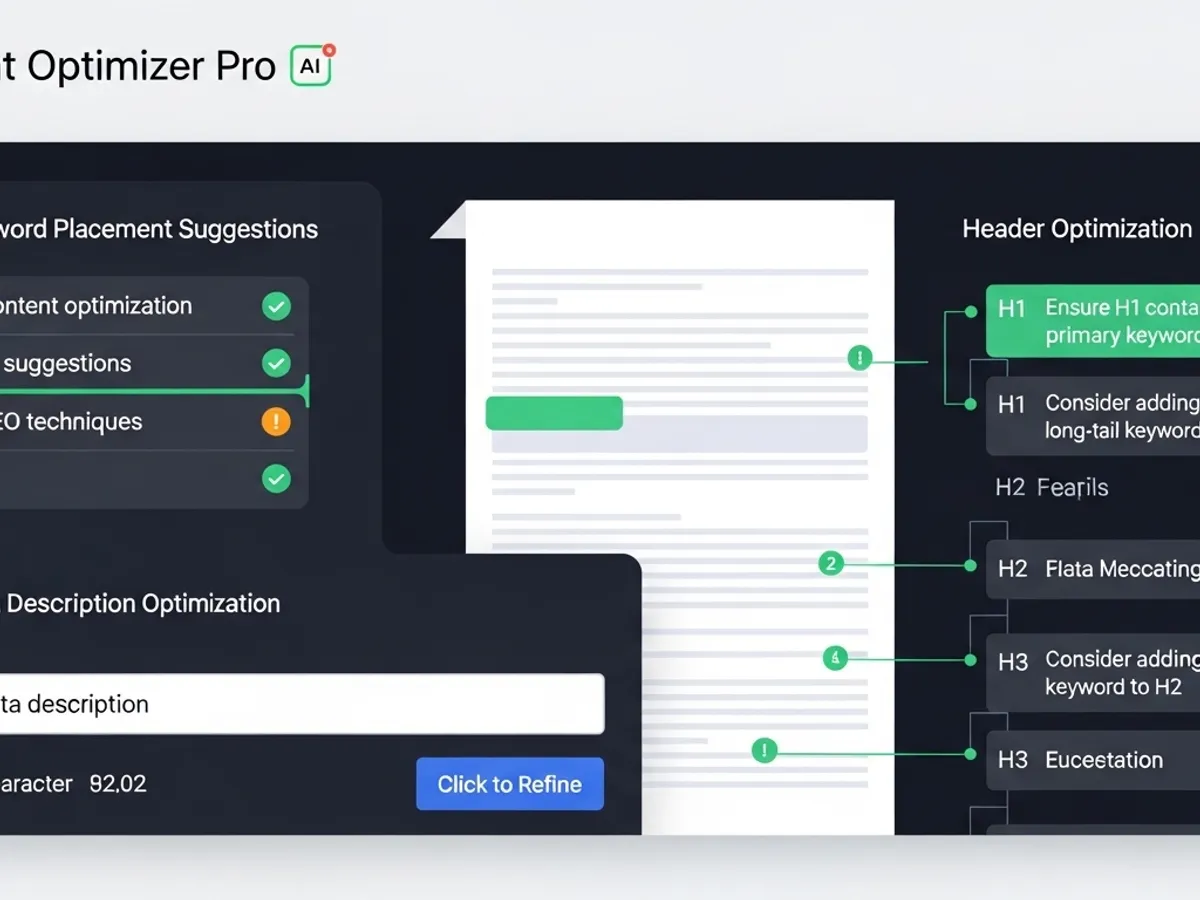
When we talk about achieving unparalleled content quality and ranking prowess, the conversation inevitably leads to tools that empower data-driven decisions. Clearscope’s AI stands out as a powerful solution, moving beyond simple keyword stuffing to deliver sophisticated insights that truly elevate content. It operates on the principle that to rank, you must understand and exceed the quality of what’s already performing.
Clearscope AI works by analyzing the top-performing search results for a given target keyword. This isn’t just about identifying keywords; it’s about conducting deep semantic analysis to understand the topical authority, entities, and questions Google’s algorithm expects. It provides a comprehensive list of terms, concepts, and readability benchmarks that are essential for ranking.
Data-Driven Content Optimization
Its core strength lies in its AI content optimization capabilities. Clearscope guides content creators by offering real-time suggestions based on what the highest-ranking content includes. This ensures your piece isn’t just relevant, but exhaustively covers the subject matter in a way that satisfies search intent.
True authority comes from comprehensive, well-structured content.
The platform provides intelligent keyword suggestions, highlighting not just primary terms, but also related phrases and topics that contribute to topical depth. This proactive approach helps content creators anticipate user queries and build content that serves as a complete resource. It’s about crafting content that leaves no stone unturned for the reader.
The Power of Content Grading
A standout feature is its objective content grading system. As you write, Clearscope assigns a grade, offering immediate feedback on how well your content aligns with the top-performing pages. This isn’t just a vanity metric; it’s a clear, actionable roadmap for improvement, encompassing word count, readability, and the inclusion of critical terms.
For enterprise teams, this translates into a scalable method for ensuring consistent content quality across diverse content portfolios. It streamlines the editorial process, reducing the back-and-forth and empowering writers to deliver highly optimized drafts from the outset. This systematic approach to AI content optimization is what drives significant improvements in organic visibility.
This intelligent approach to content creation aligns perfectly with the philosophy behind tools like GenWrite. We understand the need for efficient, data-backed SEO optimization that scales. Just as Clearscope refines individual pieces, GenWrite automates the entire blog creation workflow, ensuring high-quality, ranking-focused content from start to finish. Clearscope effectively empowers content creators to produce SEO-rich, human-centric articles that rank, thanks to its intelligent analysis and optimization guidance.
How Does Frase Leverage AI for Intelligent Content Briefs and Drafts?
Creating a truly effective content brief often feels like half the battle, requiring meticulous research to understand what genuinely resonates with search engines. This is where Frase AI distinguishes itself, transforming a time-consuming manual effort into an intelligent, data-driven process.
Frase’s Research-First AI Approach
Frase AI operates on a fundamental principle: understanding what already ranks is the key to creating content that will rank. It initiates its process with extensive SERP analysis, meticulously scanning the top-performing search results for a given target keyword. This isn’t just about identifying keywords; it’s about deconstructing the entire competitive landscape.
Frase extracts critical data points from these top pages, including common headings, frequently asked questions, key statistics, and even average word counts. This comprehensive data forms the bedrock of its intelligence, ensuring every subsequent output is deeply informed by current search best practices.
Data-driven insights power superior content strategy.
Generating Intelligent Content Briefs
From this robust analysis, Frase proceeds to construct highly detailed and actionable AI content briefs. Unlike generic outlines, these briefs are strategic blueprints, designed to guide content creators toward producing material that not only satisfies user intent but also outperforms existing content.
Each brief is packed with essential elements: suggested topic clusters, a list of critical questions to address, a recommended word count range, and even relevant external sources for deeper dives. This ensures that content development starts with a clear, validated roadmap, significantly reducing guesswork and iteration cycles.
Streamlining AI Content Drafting
Frase extends its capabilities beyond just outlining to facilitate AI content drafting. Leveraging the insights gleaned from its initial SERP analysis and the structured brief, it assists in transforming that detailed plan into a coherent, initial draft. This step significantly accelerates the content creation workflow, moving from a validated outline directly to a fleshed-out article.
This intelligent drafting process ensures that the generated content adheres closely to the strategic parameters defined in the brief, saving countless hours typically spent on initial composition. The synergy between research, briefing, and drafting dramatically increases efficiency and output quality.
From concept to draft, AI accelerates content velocity.
For content teams and individuals striving for peak efficiency, Frase’s integrated approach to research, briefing, and drafting proves invaluable. It empowers creators to focus their expertise on refining and adding unique value, rather than on the foundational research. This approach aligns perfectly with the mission of tools like GenWrite, which also champion the automation of the end-to-end blog creation process, from keyword research and competitor analysis to publication, to drive traffic and organic reach. By mastering blog post SEO with AI tools like Frase, you pave the way for superior content performance, much like we advocate at GenWrite.
Beyond Chatbots: How Can ChatGPT Power Your SEO Workflows?

While dedicated platforms like Semrush, Surfer SEO, and Clearscope offer specialized AI-powered features, ChatGPT stands out as an incredibly versatile AI assistant for SEO professionals. It’s not a direct SEO tool in the traditional sense, but its natural language processing capabilities make it an invaluable partner for accelerating and refining numerous keyword workflows.
Think of ChatGPT as your always-on brainstorming buddy and research assistant. It excels at generating creative solutions and processing information at a speed humans simply can’t match. This allows you to offload time-consuming, repetitive tasks and focus on the strategic oversight that truly drives results.
Supercharging Keyword Research and Content Ideation
One of the most immediate benefits of integrating ChatGPT into your SEO efforts is its ability to expand and refine your keyword strategy. Instead of manually sifting through broad terms, you can prompt ChatGPT to generate long-tail variants, identify semantic clusters, or even brainstorm entirely new content angles based on a core topic.
ChatGPT transforms raw ideas into structured opportunities. It can help you uncover less obvious search intent, providing a deeper understanding of what your audience truly seeks. This insight is crucial for developing content that resonates and ranks.
For content ideation, ChatGPT can outline articles, suggest compelling headlines, or even draft initial paragraphs. This significantly reduces the blank page syndrome, giving you a strong foundation to build upon. It’s a powerful AI content writing aid that accelerates the initial stages of creation.
Streamlining Technical SEO Support and Competitor Analysis
Beyond content, ChatGPT can also assist with more technical SEO tasks. While it won’t perform a site audit, it can explain complex SEO concepts, generate basic JSON-LD schema markup examples (always verify these!), or provide guidance on implementing best practices. This makes it an excellent learning and reference tool, especially for team members new to specific technical aspects.
In competitor analysis, ChatGPT can summarize key themes from competitor articles, identify common questions they address, or pinpoint content gaps in their strategy. By feeding it competitor URLs or article excerpts, you gain rapid insights into their approach, allowing you to formulate a more effective counter-strategy.
ChatGPT’s strength lies in its ability to process and synthesize information quickly, turning data into actionable insights. This allows you to move faster and smarter. For those looking to automate the entire blog creation process, from keyword research to publishing, dedicated solutions like GenWrite take these initial ChatGPT-generated ideas and transform them into fully optimized blogs, managing content automation, link building, and even image addition for superior organic reach. It’s about leveraging the best of both worlds: ChatGPT for ideation and GenWrite for end-to-end execution, ensuring high-quality, SEO-friendly content that aligns with search engine guidelines and LLMs. Learn more about how GenWrite provides an automated on-page SEO writing solution.
What Advanced AI SEO Tools Are Emerging for Specialized Needs in 2026?
As we push deeper into 2026, the landscape of AI SEO tools is not just expanding—it’s specializing. While comprehensive platforms like Semrush and Surfer SEO handle broad aspects of search optimization, a new wave of specialized AI SEO tools is emerging, designed to tackle niche requirements with unprecedented precision. These tools often focus on specific segments of the content lifecycle or highly complex data analysis, offering capabilities that general solutions might overlook.
Take, for instance, the innovation we see in platforms like eesel AI. While GenWrite excels at end-to-end blog generation, eesel AI blog writer focuses on similar full post generation capabilities, particularly for those needing rapid, high-volume content creation based on specific prompts or data inputs. This allows teams to scale their content output dramatically, moving beyond mere outlines to complete, coherent articles. Specialization drives efficiency and precision.
Then there’s AirOps, which represents another facet of this specialization. AirOps is not just an AI tool; it’s a platform for building custom, AI-powered workflows. Imagine needing to analyze competitor content for very specific semantic gaps, or to generate hyper-localized content variations across hundreds of pages. AirOps enables users to create bespoke AI agents and processes tailored exactly to these unique operational demands, pushing the boundaries of what traditional AI online tools can do.
These advancements highlight a critical trend: as AI becomes more integrated, the demand for adaptable and targeted solutions grows. While you might use a tool like GenWrite for its comprehensive, automated blog creation—from keyword research and content generation to image integration and WordPress auto-posting—you might also layer in a specialized tool like AirOps to build a custom competitor analysis pipeline. The future of AI SEO is modular and highly adaptable.
This synergy means marketers can cherry-pick the best AI solutions for each stage of their workflow, achieving levels of automation and insight previously unattainable. The emergence of these specialized platforms ensures that even the most unique or complex SEO challenges can be met with an intelligent, AI-driven approach.
How Do You Choose the Best AI SEO Tool for Your Specific Goals?
Navigating the rapidly evolving landscape of AI-powered solutions can feel overwhelming when you’re trying to pinpoint the Best Ai seo tool for your operations. The market is saturated with options, each promising revolutionary results. The key isn’t finding the single “best” tool, but rather the one that aligns perfectly with your specific objectives and workflow.
Define Your Primary SEO Goals
Before diving into an AI SEO tool comparison, start by clarifying what you aim to achieve. Are you primarily focused on scaling content creation, optimizing existing articles, conducting in-depth keyword research, or streamlining technical SEO audits? Each tool has its strengths.
- Content Optimization: Tools like Surfer SEO or Clearscope excel at analyzing SERPs and providing actionable recommendations for content quality and relevance.
- Keyword Research & Strategy: Platforms such as Semrush leverage AI to uncover high-potential keywords and analyze competitive landscapes.
- End-to-End Automation: For those looking to automate the entire blog creation process, from research to publishing, solutions like GenWrite are designed to handle multiple tasks seamlessly.
- Specialized Needs: Emerging tools (as we discussed in the previous section) offer niche functionalities for specific challenges.
Understanding your core pain points will dictate the feature set you need most.
Assess Your AI SEO Budget and Resources
Cost is a significant factor in choosing AI SEO tools. Options range from free or freemium models to enterprise-level subscriptions. Consider not just the monthly fee, but also the potential return on investment in terms of time saved and improved organic performance.
A higher AI SEO budget might unlock more comprehensive features, but value comes from utilization. Evaluate whether your team has the capacity to integrate and fully leverage a complex tool. Sometimes, a more focused, budget-friendly solution can deliver significant impact if used effectively.
Evaluate Integration and Workflow Fit
An AI SEO tool, no matter how powerful, is only as good as its integration into your existing workflow. Does it play well with your current content management system (CMS), project management tools, or other marketing platforms? Seamless integration reduces friction and increases adoption rates.
For instance, if your goal is to publish high volumes of SEO-optimized blogs directly to WordPress, an AI blog generator like GenWrite that offers WordPress auto-posting will provide immense value. It streamlines the entire process, from keyword research and competitor analysis to link building and image addition, ultimately boosting traffic generation without manual oversight.
Prioritize Scalability and Support
As your SEO strategy evolves, your chosen tool should be able to scale with you. Look for platforms that offer robust customer support, regular updates, and a clear roadmap for future features. This ensures your investment continues to pay dividends as search engines and AI capabilities advance.
The right AI SEO tool acts as an extension of your team, not an additional burden. By aligning your selection with specific goals, budget, and workflow, you can make an informed decision that drives tangible results for your 2026 success and beyond.
What’s Next for AI in SEO: Anticipating 2026 and Beyond?
Having explored the current landscape of AI SEO tools and their transformative power, it’s clear we’re standing at the precipice of an even more profound evolution. The future of AI SEO is not just about automation; it’s about intelligent, adaptive systems that redefine how we connect with audiences.
By 2026 and beyond, we anticipate AI’s influence will permeate every facet of search optimization, making AI SEO trends less about individual tools and more about integrated ecosystems. The market projection of $12.6 billion by 2028 underscores this undeniable momentum.
The Rise of Hyper-Intelligent Search
The next wave of AI in SEO will be characterized by significantly more sophisticated natural language processing (NLP) and machine learning (ML) algorithms. These advancements will enable search engines to understand user intent with unprecedented accuracy, moving beyond keywords to truly grasp context, nuance, and even emotional drivers behind a query.
Understanding intent will become paramount, shifting optimization from keyword stuffing to semantic relevance.
This means content that genuinely addresses user needs, offers unique value, and demonstrates authority will consistently outperform. Predictive analytics, once a niche capability, will become a standard feature, allowing us to anticipate search trends and content demands long before they materialize.
Personalization and Proactive Optimization
Imagine an SEO landscape where content isn’t just optimized for a broad audience, but for individual user profiles based on their past interactions, preferences, and even their current mood. Hyper-personalization, driven by next-gen AI tools, will deliver highly relevant experiences, increasing engagement and conversion rates.
AI will also transition from reactive analysis to proactive optimization. Instead of merely identifying issues, AI systems will automatically suggest and even implement real-time adjustments to content, technical elements, and link strategies. This autonomous optimization will drastically reduce manual intervention.
The Evolving Role of the SEO Professional
While AI automates more tasks, the human element remains critical. SEO professionals will evolve into strategic architects, guiding AI systems, interpreting complex data, and focusing on high-level strategy, creativity, and brand storytelling. Our role will shift from execution to direction, ensuring AI aligns with overarching business goals and ethical guidelines.
AI empowers strategists to think bigger, not just work harder.
For 2026 AI SEO success, integrating AI is no longer optional; it’s foundational. Solutions like GenWrite exemplify this future, automating the entire blog creation process from keyword research and competitor analysis to content generation and publication. It ensures your content is not only optimized for today’s search engines but also prepared for the intelligent search environments of tomorrow, aligning with LLM guidelines and driving organic traffic. Embracing such platforms ensures you remain competitive, agile, and poised for sustained growth in an AI-driven world. The journey ahead demands both foresight and the right tools.
Ready to supercharge your SEO workflow? Explore how GenWrite leverages AI to automate end-to-end blog creation and drive organic traffic.
Frequently Asked Questions about AI SEO Tools
What are the main benefits of using AI SEO tools in 2026?
AI SEO tools automate repetitive tasks like keyword research and content analysis, providing deeper insights than manual methods. They help optimize content for AI-driven search engines and conversational queries, giving you a competitive edge and freeing up time for strategic planning.
How do AI SEO tools like Semrush and Surfer SEO differ?
Semrush offers a comprehensive suite of AI-powered tools for all-in-one SEO, including content generation and optimization. Surfer SEO excels specifically in content optimization, using AI to analyze top-ranking content and provide actionable recommendations for improving your articles.
Can AI tools like ChatGPT truly replace human SEO expertise?
While ChatGPT and similar AI tools can significantly assist with tasks like content ideation, keyword research, and drafting, they don’t replace human expertise. Strategic oversight, nuanced understanding of brand voice, and complex problem-solving still require human input.
What are emerging specialized AI SEO tools focusing on?
Emerging specialized AI SEO tools are focusing on advanced areas like natural language processing (NLP) for better search intent understanding, predictive analytics for trend forecasting, and modular solutions for very specific SEO challenges, allowing for more tailored workflows.
How can I choose the right AI SEO tool for my business?
To choose the best AI SEO tool, first define your specific goals and budget. Then, assess how well each tool integrates into your existing workflow, consider its scalability, and look for strong support options. Tools like GenWrite offer end-to-end automation for blog creation.
What is Answer Engine Optimization (AEO) and why is it important?
Answer Engine Optimization (AEO) is an SEO strategy focused on optimizing content to directly answer user queries, often in a way that AI models can easily understand and present. With the rise of AI Overviews and conversational search, AEO ensures your content is visible and valuable in these new search formats.