
Create SEO-Rich Blog Content Instantly with AI in 2026
Why is AI the Game-Changer for SEO Content in 2026?
The landscape of digital marketing has undergone a massive paradigm shift. We have moved far beyond the early days of basic ai copywriting, which was once limited to simple drafting and generic text generation. Today, advanced copywriting ai has transitioned into a sophisticated, SEO-driven powerhouse. By 2026, artificial intelligence is no longer just a helpful assistant for brainstorming; it is the core engine driving strategic, highly optimized, and high-performing search engine optimization (SEO) content.
The Shift to Instant, SEO-Rich Content
For years, crafting high-ranking content meant a lengthy cycle of keyword research, topic ideation, drafting, optimizing, and publishing. This traditional workflow, while effective, was often slow and resource-intensive. Now, the paradigm has shifted dramatically. AI algorithms analyze vast datasets, identifying trending topics and critical keywords with unprecedented speed and accuracy.
AI empowers instant, data-driven content creation that aligns perfectly with search engine guidelines and Large Language Models (LLMs).
This immediate capability is why AI is proving to be the ultimate game-changer. We’re seeing estimates that AI will automate up to 80% of routine content creation tasks by 2026. This isn’t just about speed; it’s about strategic optimization from the ground up, making every piece of content work harder for your brand.
Why AI Dominates for SEO in 2026
What makes AI indispensable for SEO content today, and even more so in 2026? It’s the ability to generate SEO-Rich Content that resonates with both algorithms and human readers. AI-driven SEO tools can improve organic traffic by an average of 65%, a statistic that underscores the profound impact these technologies have on visibility and reach. This improvement comes from AI’s capacity to analyze over 1,000 data points for optimization, far surpassing what any human team could manage.
Moreover, the cost-efficiency is undeniable. AI content generation can reduce content creation costs by 40-60%. More importantly for competitive ranking, AI-generated content can rank three times faster than manually written content. This speed, combined with deep analytical power, ensures that your content isn’t just present, but dominant in search results.
For those looking to leverage these advancements, understanding the best practices and tools is crucial. If you’re interested in speeding up your content creation, exploring an ai blog writing tool can provide significant advantages. Tools like GenWrite are at the forefront, designed to automate the entire end-to-end blog creation process, from keyword research and competitor analysis to automated publishing, ensuring your content is optimized to increase website traffic and organic reach.
To navigate this new era effectively, you need an AI Content Writer for Blogs that can keep pace with the evolving demands of search engines. The future of content is intelligent, instantaneous, and strategically optimized, making AI in 2026 the definitive competitive advantage.
What Core Features Define the Best AI Tools for SEO Blog Generation?
Moving beyond mere text generation, the true value of an AI blog generation tool lies in its sophisticated capabilities that drive tangible SEO results. When evaluating the best AI writing tool for your content strategy, it’s crucial to look for features that transform raw AI output into high-ranking, engaging blog posts. We’re not just looking for words; we’re looking for strategic content assets.
Advanced SERP Analysis and Keyword Intelligence
At the forefront, a superior ai seo blog generation tool must offer deep SERP analysis. This isn’t simply identifying keywords, but understanding search intent, competitor strategies, and content gaps directly from Google’s top results. The best tools can analyze over 1,000 data points, providing actionable insights that guide the entire content creation process. They help you uncover long-tail keywords and semantic clusters that human researchers might miss, ensuring your content truly resonates with search queries.
True AI value comes from insights, not just output.
This analytical prowess allows an AI to craft content that isn’t just optimized for a single keyword but for an entire topic cluster, significantly improving your chances to boost rankings with top AI SEO tools for 2026. Tools like GenWrite leverage this to structure articles that inherently answer user questions and satisfy search engine algorithms.
Semantic SEO and Content Optimization Beyond Keywords
Modern SEO demands more than just keyword density; it requires semantic richness and contextual relevance. A top-tier AI blog generation tool employs advanced Natural Language Processing (NLP) to ensure the content is comprehensive, authoritative, and semantically connected to the core topic. It identifies related entities, concepts, and questions, weaving them into the narrative naturally. This approach ensures your content is not only readable but also highly informative, fulfilling the deeper requirements of search engines and LLMs.
Brand Voice Customization and Consistency
Your brand’s unique voice is its signature. The best AI writing tool doesn’t overwrite this; it learns and replicates it. Advanced AI tools can be trained on your existing content to understand your specific tone, style, and preferred terminology. This ensures that every AI-generated blog post feels authentically yours, maintaining brand consistency across all publications. It’s about empowering your brand, not replacing its identity.
Integrated Media and Structural Enhancements
Great blog posts aren’t just text; they’re visually appealing and well-structured. Look for an AI blog generation tool that can suggest and even integrate relevant images, videos, and other rich media to break up text and enhance engagement. Beyond media, these tools should automatically create logical heading structures (H3s, H4s), bullet points, and internal linking strategies. For instance, GenWrite simplifies this by adding relevant links and images automatically, streamlining the entire workflow.
Seamless media integration transforms plain text into engaging content.
This capability is crucial for readability and user experience, which are indirect yet powerful SEO signals. It allows you to dominate Google & AI Search by providing a richer content experience.
Real-time Data Integration and Performance Monitoring
Finally, the most effective Key features AI tools aren’t static. They integrate with real-time SEO data to monitor content performance post-publication. This allows for continuous optimization, identifying opportunities to refresh content, target new keywords, or improve existing rankings. This iterative feedback loop is what truly distinguishes an ordinary generator from an AI SEO tool that helps you achieve top Google rankings and sustains them over time. It’s about making data-driven decisions at scale, ensuring your content remains competitive in an ever-evolving search landscape.
How Can AI Instantly Generate Publish-Ready, Media-Rich Blog Posts?
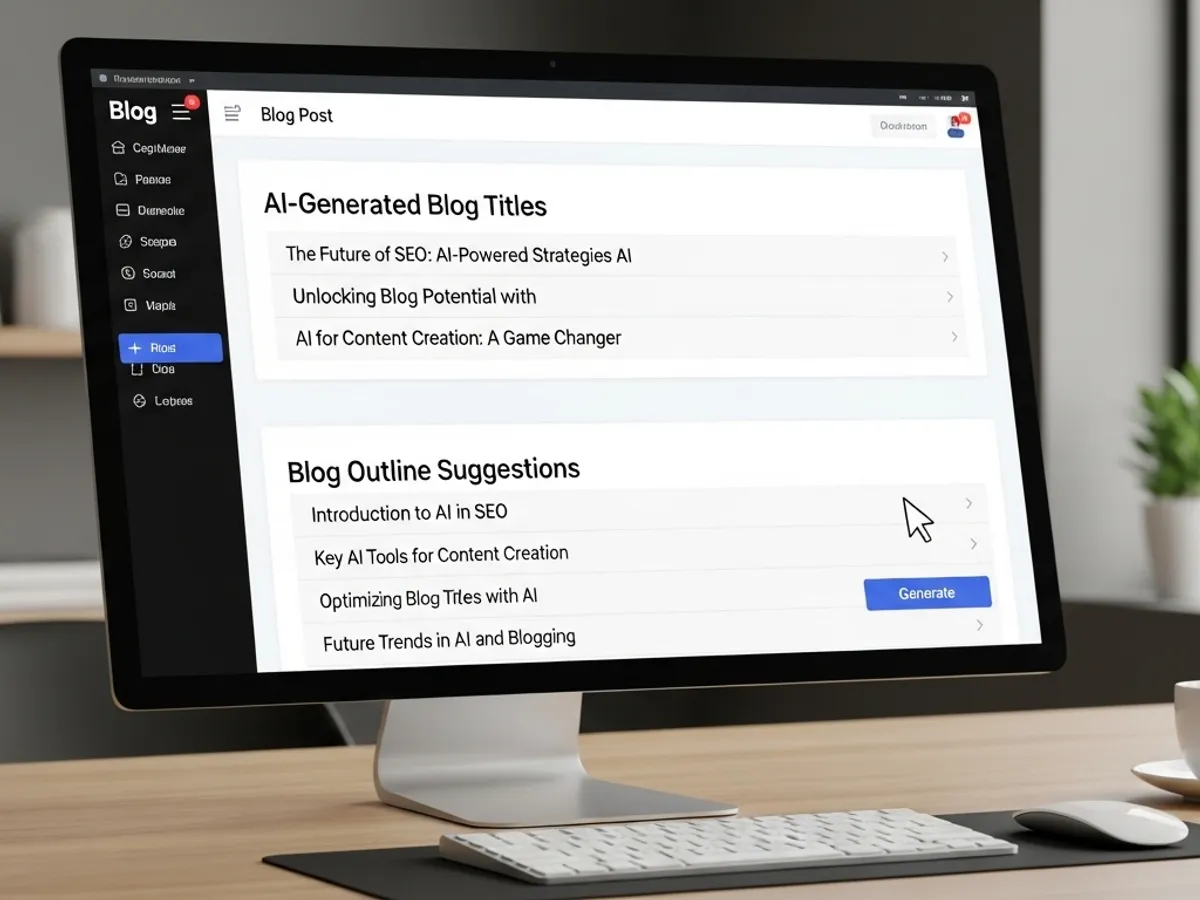
The Media Revolution: From Text to Rich, Publish-Ready Content
The true power of AI in content creation goes far beyond merely generating text. In 2026, the game-changer is the ability of advanced AI tools to transform raw content into a fully formed, media-rich blog post, ready for immediate publication. This means integrating visuals, video, and even social proof without extensive manual effort.
Traditional content creation often involves a disconnected workflow: writers draft, then designers source images, and editors ensure all elements align. This fragmented process introduces delays and inconsistencies. Modern AI, however, streamlines this by orchestrating the entire content package.
AI acts as a digital art director, curating and embedding relevant assets.
AI-powered platforms leverage vast databases of stock photography, integrate AI-generated images, and suggest relevant video embeds to break up text and enhance engagement. This capability isn’t just about adding visual flair; it’s about optimizing the reader’s journey and improving content retention. Imagine an AI blog generator that understands your topic and automatically pulls a compelling header image, relevant infographics, or even short explainer videos.
How AI Automates Media Integration
- Contextual Image Sourcing: AI analyzes the semantic context of your text to identify the most relevant images from vast libraries, or even generates unique visuals. This ensures that every image truly supports the narrative.
- Video Embed Suggestions: For deeper dives or complex topics, AI can recommend and integrate pertinent YouTube videos, enhancing the multimedia experience. This is critical for keeping readers on-page longer.
- Data & Social Proof Integration: Some advanced tools can scan for relevant statistics, quotes, or social media snippets to weave into your content, adding credibility and depth. This moves beyond simple text generation to true research automation.
- Automated Formatting: Beyond media, AI applies best practices for readability—automatically structuring content with H3s, H4s, bullet points, and bolded insights to create a scanning-friendly layout. It’s about creating publish-ready content that’s optimized for human consumption right out of the gate.
Tools like GenWrite exemplify this sophisticated approach. They act as a comprehensive eesel AI blog writer, taking your core topic and not only crafting compelling narratives but also enriching them with all necessary media and structural elements. This level of automated content creation is revolutionizing how businesses approach their content strategy, making it feasible to produce high-quality, SEO-optimized content at an unprecedented scale.
By 2026, AI-driven content generation will reduce creation costs by 40-60%.
The integration of such robust features allows for immediate publication, eliminating bottlenecks and ensuring a consistent flow of fresh, engaging material. For businesses aiming to boost rankings with top AI SEO tools for 2026, leveraging these capabilities is no longer optional; it’s a strategic imperative. This holistic approach to content generation ensures that your articles are not just written, but fully packaged for maximum impact on search engines and readers alike. To truly achieve top Google rankings with today’s most powerful AI SEO software, a media-rich content strategy, enabled by AI, is paramount. The goal is to produce content that’s not just good, but exceptional, and that’s precisely what these advanced AI SEO tools deliver.
In essence, AI is transitioning from a writing assistant to a full-fledged content production studio, delivering complete, engaging posts that are ready to hit publish the moment they’re generated.
Which AI Platforms Excel in Comprehensive SEO Research and Real-Time Optimization?
The SEO landscape has evolved beyond static keyword reports, now demanding dynamic, real-time insights for competitive advantage. Traditional, manual research methods simply cannot keep pace with the rapid shifts in search algorithms and user intent. This is precisely where advanced AI platforms become indispensable, fundamentally transforming our approach to comprehensive SEO research AI and real-time SEO data for content optimization.
AI’s ability to process and analyze vast datasets instantly has revolutionized competitive analysis and content strategy. These tools don’t just tell you what’s ranking; they predict what will rank, giving you a significant edge.
AI-Powered Real-Time Insights and Optimization
Modern AI platforms excel by integrating directly with powerful SEO databases, offering a granular, up-to-the-minute view of the search ecosystem. They move beyond mere suggestions, providing actionable insights grounded in the freshest data. This empowers content creators to understand not only current top-performing content but also to proactively identify emerging trends and competitor strategies as they unfold.
Staying relevant requires real-time intelligence, not just historical data.
These platforms enable a proactive approach, allowing content creators to optimize articles during the writing process, rather than as a post-production afterthought. This iterative feedback loop ensures every piece of content is aligned with the latest SEO best practices.
Leading Platforms for Comprehensive SEO Research
For SEO research AI that truly integrates deeply into the content creation workflow, tools like Writesonic stand out. They offer extensive content generation and optimization capabilities, analyzing competitor content, suggesting semantic keywords, and helping structure articles for maximum impact, all within a unified interface. It’s more than just writing; it’s intelligent content engineering designed for superior search performance.
Similarly, the Ahrefs AI Content Helper leverages Ahrefs’ industry-leading data to deliver highly specific content recommendations. This powerful tool refines outlines, identifies crucial missing subtopics, and optimizes for target keywords, ensuring your content is not only comprehensive but also exceptionally competitive. Integrating with such robust SEO tools means you’re always working with the most accurate and powerful data available to dominate search results.
For a deeper dive into how these tools are shaping the future, explore how SEO research AI can boost rankings. These advanced platforms are crucial for understanding nuanced user intent and crafting content that satisfies both discerning readers and evolving search engines.
The GenWrite Advantage: Streamlined SEO Automation
Our own platform, AI blog generator, embodies this commitment to end-to-end SEO optimization and content automation. We seamlessly integrate keyword research, competitor analysis, and real-time data to generate high-quality, AI blog generator content that rigorously aligns with search engine guidelines and LLMs. By automating the entire blog creation process—from ideation to publishing—GenWrite ensures your content is consistently optimized and strategically positioned for top rankings.
Automating your content workflow with AI is no longer a luxury; it’s a necessity for competitive SEO.
This holistic approach, which you can read more about in articles like “Achieve Top Google Rankings with Today’s Most Powerful AI SEO Software“, ensures that every piece of content you produce is strategically positioned for success. It’s about moving beyond basic content generation to truly intelligent, performance-driven content creation. To stay ahead, understanding Ai seo tool 2026 trends is vital, as detailed in “Dominate Google & AI Search: Geo-SEO Secrets for 2026“.
Can AI Tools Adapt to Your Brand Voice and Integrate with Existing Workflows?

A common concern I hear from content strategists is whether AI can genuinely capture a brand’s unique essence without sounding robotic or generic. The answer, increasingly, is a resounding yes. Modern AI tools are engineered for sophisticated brand voice customization, learning from existing content to replicate specific tones, styles, and even nuanced vocabulary.
This isn’t about simple keyword stuffing; it’s about deep learning algorithms analyzing thousands of content pieces to understand the rhythm, choice of words, and overall persona that defines your brand. This capability ensures that AI-generated content remains authentic, even as production scales.
Authenticity at scale is no longer an oxymoron with advanced AI.
Beyond just writing, the real power of today’s AI lies in its ability to orchestrate complex AI workflows. We’re moving past isolated content generation to fully automated processes that handle everything from initial keyword research and competitor analysis to final publication. These systems streamline the entire content lifecycle, acting as a true blogging agent for your team.
Seamless CMS integration is paramount for these workflows to succeed. Tools are now built to connect directly with popular platforms like WordPress and Webflow, allowing for automated publishing and updates. Furthermore, integrations with broader ecosystem tools such as Zapier and Google Docs ensure that AI-generated content flows effortlessly into your existing operational framework. Platforms like AirOps, for instance, exemplify how AI can be leveraged for powerful, custom workflow automation across diverse applications.
True AI integration means your content pipeline becomes an extension of your brand strategy, not a separate entity.
At GenWrite, our focus is precisely on providing an AI blog generator that not only delivers high-quality, SEO-optimized content but also fully integrates into your operational rhythm. Our platform facilitates WordPress auto posting and ensures your content aligns with search engine guidelines and LLMs, all while maintaining that crucial brand consistency. This allows for efficient bulk blog generation without sacrificing quality or brand voice.
Leveraging these integrated AI workflows is critical for traffic generation and maintaining a competitive edge in 2026. For a deeper dive into the tools leading this charge, explore how to Boost Rankings with Top AI SEO Tools for 2026.
The future of content creation hinges on AI tools that not only understand your brand’s voice but also seamlessly plug into your entire content ecosystem, driving efficiency and maintaining authenticity.
Top AI Blog Writing Tools for 2026: Budget-Friendly, Quick, and Specialized Drafts
Navigating the rapidly expanding landscape of automated content creation can be challenging, especially when balancing tight budgets with the demand for speed, scalability, and niche capabilities. As we head into 2026, choosing the right platform requires a clear understanding of how different systems handle everything from rapid drafting to advanced workflow automation.
Budget-Friendly and Rapid Draft Generation
For content teams focused on cost-effectiveness and quick turnaround times, finding an efficient ai blog writer is critical. These platforms excel at generating initial drafts, allowing creators to rapidly populate their content pipelines.
Rytr: Simplicity Meets Affordability
Rytr remains a popular option for budget-conscious creators. It offers an intuitive interface and a versatile suite of templates for various content types, including blog outlines, ad copy, and social media posts. While it may lack advanced SEO integrations, its ability to produce coherent, grammatically sound drafts quickly makes it a strong contender for those starting out.
Deep Dive: airops vs copy.ai for Blog Automation
When scaling content operations, choosing the best ai writer often comes down to workflow flexibility, data integration, and automation capabilities. A head-to-head comparison of airops vs copy.ai reveals two distinct approaches to automated blog generation, serving different operational needs and technical skill levels.
To help you identify the right solution for your specific workflow, the table below compares these top platforms across critical parameters, including blog automation, template availability, and ease of use:
| Feature / Parameter | Copy.ai | AirOps |
|---|---|---|
| Blog Automation Capabilities | Robust zero-code Workflows; automates multi-channel distribution from a single brief. | Advanced programmatic SEO pipelines, custom AI agents, and multi-step LLM chains. |
| Template Offerings | Extensive library of marketing, social, and blog templates. | Custom-built “apps” rather than rigid pre-made templates. |
| Ease of Use | Extremely high; user-friendly visual canvas designed for non-technical teams. | Moderate to technical; requires some workflow-building logic. |
| Primary Use Cases | High-volume multi-channel marketing campaigns and rapid drafting. | Scaled programmatic content, data-enriched articles, and custom developer workflows. |
Copy.ai: Speed, Versatility, and Collaborative Workflows
Copy.ai has transitioned from a simple drafting tool into a powerful platform for marketing teams. It excels at high-volume, quick drafting across diverse content formats. Using its “Workflows” feature, users can automate repetitive tasks, such as turning a product brief into a full blog post. It is an exceptional option for teams looking for a highly collaborative best ai writer that can brainstorm, iterate quickly, and deploy content across multiple channels simultaneously.
- Key Advantage: Rapid, collaborative workflow automation that is easy to set up for non-technical users.
AirOps: Programmatic Powerhouse and Deep Customization
In contrast, AirOps is built for teams requiring deep customization, advanced data integration, and programmatic SEO. Rather than relying on rigid templates, AirOps allows you to build custom AI “apps” and multi-step pipelines. It functions as a highly technical ai blog writer that can pull data from external APIs, scrape websites, and run complex chains of prompts to generate highly specialized, SEO-optimized blog drafts.
- Key Advantage: Unmatched flexibility for programmatic content generation and highly customized enterprise workflows.
While both platforms offer exceptional drafting capabilities, achieving top search rankings often requires a more unified approach. For teams looking to combine automated drafting with advanced, built-in search optimization, utilizing a dedicated AI blog generator can eliminate the need for managing complex, multi-tool pipelines.
Specialized AI Tools for Refinement and Humanization
Beyond initial drafts, the evolving landscape of AI-generated content necessitates specialized tools that can refine output, ensuring it meets high-quality standards and bypasses strict AI detection.
GPTHuman and WriteHuman: Ensuring Authenticity
With the rise of sophisticated AI content detectors, tools like GPTHuman and WriteHuman have emerged to address the need for humanizing AI-generated text. Their primary function is to rephrase and restructure content to make it appear more natural and less algorithmic. This is crucial for maintaining reader engagement and establishing authentic trust.
- Key Advantage: Transforms raw AI drafts into more natural, human-sounding content, a critical step for modern SEO.
WORDVICE.AI: Professional Proofreading and Editing
For unparalleled linguistic precision and stylistic polish, WORDVICE.AI offers professional editing and proofreading services, augmented by AI. While not a content generator, it acts as a critical final layer of quality control, ensuring that your drafts are grammatically perfect, flow smoothly, and convey your message with maximum clarity.
- Key Advantage: Elevates content quality through expert-level editing, ensuring error-free and polished final drafts.
Integrating these specialized functionalities within a single, streamlined workflow is key to efficiency. At GenWrite, we advocate for a holistic content strategy. Our platform is designed to not only generate compelling drafts but also to optimize them for search engines from the very beginning. To discover how to elevate your organic visibility, explore our insights on how to boost rankings with top AI SEO tools.
How Do All-in-One AI Writing Assistants Streamline the Entire Content Journey?
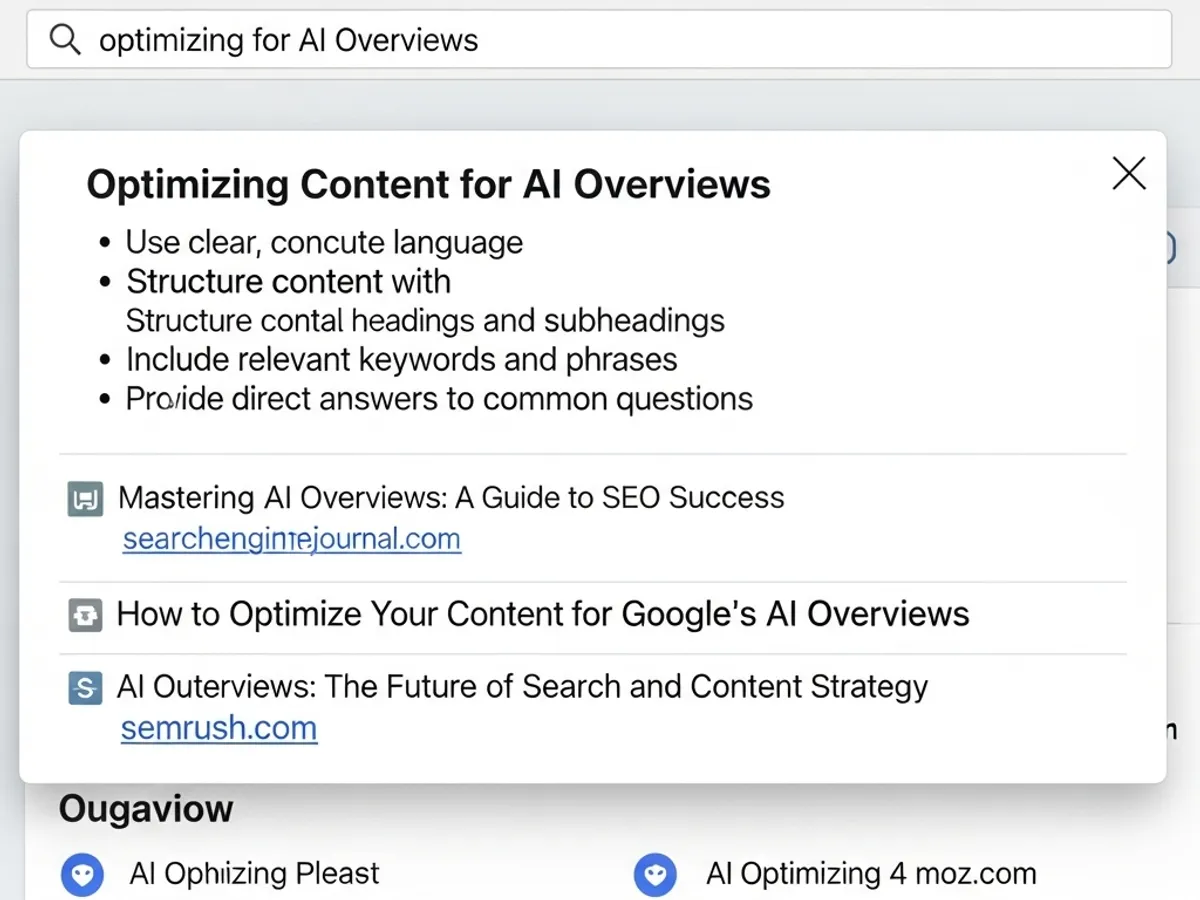
The modern content landscape demands more than just isolated tools; it requires a cohesive system that can navigate the entire content journey from concept to publication. This is where all-in-one AI writing assistants fundamentally change the game, transforming what was once a disjointed process into a streamlined, efficient workflow.
The Integrated Approach to Content Creation
Traditional content creation often involves juggling multiple platforms for research, writing, SEO analysis, and publishing. This fragmentation introduces inefficiencies and increases the likelihood of errors. All-in-one AI writing solutions, however, consolidate these functions into a single, intelligent ecosystem. They act as a central hub, orchestrating every step needed to produce high-ranking, engaging content.
These platforms automate up to 80% of routine content creation tasks, freeing up valuable human capital.
From initial topic ideation and keyword research to drafting, optimization, and even direct publishing, these tools ensure consistency and accuracy. This holistic approach is critical in a fast-paced digital environment where content velocity is a competitive advantage.
Key Players in the All-in-One Arena
Several powerful all-in-one AI writing platforms are redefining how content teams operate. Tools like Koala AI excel at generating long-form content with integrated SEO features, while Hypertxt.ai focuses on speed and versatility across various content types. GravityWrite offers a broad suite of writing tools, and Jasper AI writer is renowned for its robust content generation and brand voice adaptation capabilities.
These platforms share a common goal: to simplify complexity. They move beyond mere text generation, offering features such as:
- Comprehensive Keyword Research: Identifying high-potential topics and phrases.
- Content Structuring: Automatically generating outlines and headings.
- SEO Optimization: Integrating real-time suggestions for on-page SEO elements.
- Plagiarism Checks: Ensuring originality and uniqueness.
- Direct Publishing: Seamless integration with Content Management Systems (CMS).
GenWrite: Automating the End-to-End Content Lifecycle
At GenWrite, we understand that true efficiency comes from complete automation. Our AI blog generator is designed as a premier all-in-one AI writing assistant, automating the end-to-end blog creation process. We don’t just write; we strategize, optimize, and publish.
Imagine a platform that researches keywords, adds relevant links and images, analyzes competitor content, and automatically publishes blogs to your website. This comprehensive approach is how GenWrite helps users increase website traffic and organic reach, allowing you to focus on strategy rather than mechanics. Our focus on SEO optimization ensures that every piece of content aligns with search engine guidelines and large language models (LLMs), giving your content the best chance to rank.
AI-driven SEO tools can improve organic traffic by an average of 65%.
The shift to these integrated platforms is not just about convenience; it’s about strategic advantage. By centralizing the content journey, businesses can reduce creation costs by 40-60% while simultaneously boosting their online presence. This integrated workflow represents the future of effective content strategy, delivering high-quality, SEO-friendly content consistently. Discover how to master blog post SEO and faster Google rankings with AI tools on our blog: Mastering Blog Post SEO.
How to Strategically Choose the Best AI Tool for Your Specific Content Needs?
Navigating the crowded landscape of AI writing tools can feel daunting, but a strategic approach transforms this challenge into an opportunity. It’s not about finding a universally “best” tool, but rather the one that perfectly aligns with your unique operational needs and AI content strategy. The days of manually sifting through keyword data are fading; now, it’s about leveraging AI to do the heavy lifting, providing a clear path to choosing the best AI writing tool for your specific objectives.
Defining Your Content Needs Before Choosing an AI Tool
Before you even begin comparing AI writers, the first step is to clearly define your content goals. Are you focused on increasing organic traffic, generating leads, or building brand authority? Your objectives will dictate the features you prioritize. Consider your team’s current workflow, budget constraints, and the types of content you produce most frequently.
Clarity in your strategy dictates success in your selection.
Without a clear understanding of your internal requirements, even the most advanced AI tool might not deliver the expected ROI. This foundational step ensures that your AI tool selection criteria are grounded in reality.
Essential AI Tool Selection Criteria
Once your strategic needs are clear, evaluate potential AI solutions against these critical factors:
- Content Quality & Niche Specificity: Does the tool consistently generate human-like, relevant content tailored to your industry? Assess its ability to understand complex topics and produce nuanced output.
- SEO Capabilities: A top-tier tool should go beyond basic writing. Look for integrated features like keyword research, competitor analysis, content optimization suggestions, and internal linking capabilities. The goal is to generate content that’s designed to rank.
- Ease of Use & Workflow Integration: How intuitive is the interface? Can it seamlessly integrate with your existing content management systems (CMS) or marketing stacks? Frictionless integration is key for efficiency.
- Scalability & Support: Can the tool handle your projected content volume as your needs grow? Evaluate the provider’s customer support and ongoing development.
- Pricing Model: Does the cost align with your budget and usage patterns? Consider subscription tiers, credit systems, and any hidden fees.
- Brand Voice Adaptability: For consistent messaging, the AI should be able to learn and replicate your unique brand voice, ensuring all content feels authentically ‘you’.
Comparing AI Writers for Strategic Advantage
When comparing AI writers, focus on tools that offer comprehensive solutions. For instance, an AI blog generator like GenWrite provides an end-to-end automation experience, covering everything from keyword research and competitor analysis to content generation and even publishing. This integrated approach can drastically reduce content creation costs by 40-60% by 2026, as AI automates up to 80% of routine tasks.
The right AI tool acts as an extension of your content team, not a replacement.
By systematically applying these AI tool selection criteria, you ensure that your investment in AI directly supports your AI content strategy, leading to improved organic traffic and faster ranking times. A thoughtful evaluation based on specific criteria ensures you choose an AI tool that truly amplifies your efforts and delivers measurable results.
What Advanced Techniques Will Maximize SEO Performance with AI-Generated Content?
Simply generating content with AI is only the first step; true success in 2026 demands a sophisticated blend of automation and human ingenuity. While AI can automate up to 80% of routine content tasks, the real advantage comes from knowing how to elevate that output to genuinely maximize SEO performance AI and engage readers.
The Indispensable Human Layer: Editing and Fact-Checking
Even the most advanced AI models can occasionally misinterpret nuances or generate plausible but incorrect information. This is why thorough human editing is not just recommended, but essential. It ensures factual accuracy, maintains brand voice consistency, and refines the narrative flow that distinguishes great content from merely good content.
AI generates, humans elevate.
Fact-checking is paramount, especially for YMYL (Your Money Your Life) topics, preventing the spread of misinformation and protecting your brand’s credibility. This critical human oversight is a non-negotiable step in optimizing AI content for both search engines and discerning audiences.
Infusing Unique Value and Authority
To truly stand out, AI-generated content needs a unique spark that only human insight can provide. Integrate proprietary data, case studies, personal anecdotes, or expert opinions that AI cannot originate. This depth signals E-E-A-T (Experience, Expertise, Authoritativeness, Trustworthiness) to search engines and builds a stronger connection with your readers.
Traditional AI might give you information, but human input transforms it into wisdom. This strategic infusion of unique perspective is key to competitive differentiation.
Advanced SEO Synergy for AI Content
Beyond basic keyword insertion, AI content best practices involve a more granular approach to SEO. Think about semantic keyword clustering, where AI helps identify related topics and entities to build comprehensive content hubs, rather than isolated articles. This signals deep topical authority to search engines and large language models (LLMs).
Strategic internal linking is another powerful technique. By leveraging AI to identify relevant internal pages and suggest optimal anchor text, you can sculpt your site’s authority flow. Tools like GenWrite can automate the identification of these opportunities, streamlining the process of building robust internal link structures that enhance discoverability and user experience. For more insights on this, explore how to shape AI writing for top SEO results.
Optimizing for LLMs and E-E-A-T
As LLMs increasingly influence search, content must be structured for clarity, conciseness, and direct answers, often in Q&A formats. AI can draft these, but human refinement ensures the answers are truly helpful and authoritative. Focusing on clear, well-supported arguments rather than keyword stuffing is vital for future search landscapes.
By blending AI’s efficiency with meticulous human oversight, unique insights, and advanced SEO strategies, you create content that not only ranks but also resonates deeply with its audience.
What Does the Future Hold: AI Content Creation Beyond 2026?
The trajectory of AI in content creation isn’t just fast; it’s exponential. By 2026, we anticipate AI automating a staggering 80% of routine content tasks, fundamentally reshaping how we approach digital marketing. This isn’t a distant future; it’s the immediate horizon for AI content marketing 2026.
The Evolution of AI-Powered Content Ecosystems
What does this mean for the future of AI content? We’re moving beyond mere generation to sophisticated content ecosystems where AI acts as a strategic co-pilot. Expect hyper-personalized content tailored to individual user journeys. AI content trends will shift towards predictive SEO, where AI anticipates search query evolution and proactively optimizes content before trends even peak. Imagine AI analyzing over 1,000 data points to not just optimize, but predict content performance, ensuring articles rank 3x faster. Automated content distribution, intelligently deploying content across platforms based on real-time engagement data, will become standard. AI will become increasingly adept at understanding nuances, context, and even emotional resonance.
Navigating Ethical Frontiers and Human Oversight
With great power comes responsibility, and the rise of sophisticated AI brings critical ethical AI writing considerations. Ensuring fairness, transparency, and avoiding bias in AI-generated content will be paramount. As AI takes on more of the heavy lifting, content marketers must champion authenticity. The human element of oversight, fact-checking, and injecting unique perspectives remains irreplaceable. It’s about combining AI’s efficiency with human creativity and ethical judgment.
Staying Ahead: Strategic Collaboration with AI
For content marketers navigating this evolving landscape, the key is adaptation and strategic collaboration. We must embrace AI not as a replacement, but as an indispensable partner. Focus on developing strategic insight, critical thinking, and creative direction – areas where human ingenuity still reigns supreme. Platforms like GenWrite will be crucial, providing not just automation but also a robust framework for maintaining quality, optimizing for SEO, and adhering to evolving ethical standards. Our platform helps you create high-quality, SEO-friendly content that aligns with search engine guidelines and LLMs. Staying ahead means integrating advanced AI SEO tools that evolve with the technology. The future isn’t about AI replacing human marketers; it’s about AI empowering us to achieve unprecedented levels of efficiency, personalization, and strategic impact.
Ready to revolutionize your content strategy and dominate search results? Discover how GenWrite can automate your end-to-end blog creation, delivering SEO-optimized content instantly.
Frequently Asked Questions about AI Blog Content Creation
How does AI help in creating SEO-rich blog content instantly?
AI tools analyze vast datasets for trending topics and keywords, enabling the rapid generation of highly relevant, SEO-optimized content. This significantly reduces the time required to produce articles that attract organic traffic and rank higher in search results.
What are the essential features of AI tools for effective SEO blog generation?
Key features include advanced natural language processing (NLP), machine learning (ML) for content optimization, integrated keyword research, plagiarism checking, and readability analysis. Some advanced tools also offer SERP analysis and brand voice customization.
Can AI tools adapt to a specific brand’s voice and style?
Yes, sophisticated AI writing assistants can learn and replicate a brand’s unique writing style. This ensures consistency across all content, maintaining brand identity while leveraging AI for efficiency and SEO benefits.
How can AI automate the creation of media-rich blog posts?
AI tools can suggest or integrate relevant images, videos, and other media elements directly into blog posts during the generation process. This streamlines the creation of engaging, multimedia content that enhances reader experience and SEO.
What is the future of AI in content creation beyond 2026?
The future involves greater AI-driven content personalization, predictive SEO analytics, and automated content distribution across various platforms. AI will continue to evolve as a collaborative partner, enhancing human creativity and strategic content planning.
How do all-in-one AI writing assistants streamline the content creation process?
These platforms integrate various stages of content creation, from ideation and keyword research to writing, optimization, and even publishing. They offer a unified workflow that boosts efficiency and ensures consistent quality for SEO-focused content.