
Manual vs. AI Content: What Drives Faster Google Rankings in 2026?
Is Traditional SEO Dead, Or Just Evolving in 2026?

The question of whether traditional SEO is dead often surfaces with every major algorithm update, but in 2026, the reality is far more nuanced. It’s not dead; it’s undergoing a profound evolution, driven primarily by the rapid advancements in AI and Large Language Models (LLMs). The core principles that have always underpinned successful search engine optimization—understanding user intent, quality content, technical soundness, and authoritative backlinks—remain as crucial as ever. What has changed dramatically is how we achieve these outcomes.
Historically, SEO was a labor-intensive process, often characterized by manual keyword research, content creation, and meticulous on-page optimization. The landscape today, however, is being reshaped by powerful AI tools for SEO. Studies in late 2025 indicated a substantial 30% increase in the use of AI for keyword research and content optimization compared to the previous year, signaling a clear shift in industry practices.
The AI Augmentation of Core SEO Principles
AI isn’t replacing the fundamentals; it’s amplifying our capacity to execute them with unprecedented efficiency and scale. Consider keyword research: AI SEO optimization tools can now analyze vast datasets, predict trends, and identify semantic clusters that would take human experts weeks to uncover. Similarly, content generation, once a bottleneck, now benefits from AI’s ability to produce initial drafts, restructure existing content, and even suggest improvements for E-E-A-T (Experience, Expertise, Authoritativeness, and Trustworthiness) signals.
Purely AI-generated content can struggle with Google’s E-E-A-T emphasis.
Google’s algorithm updates throughout 2024 and 2025 have consistently underscored the importance of E-E-A-T, posing a challenge for content that lacks genuine human insight or experience. This isn’t a limitation of AI itself, but rather a call for a more sophisticated, hybrid approach. As an advocate for efficient content creation, I’ve seen firsthand how AI platforms like GenWrite automate the end-to-end blog creation process, enabling users to achieve faster Google rankings by streamlining keyword research, content optimization, and publishing.
Why a Hybrid Approach is Key for Faster Google Rankings
The most successful strategies in 2026 don’t pit manual effort against AI; they blend them. Approximately 68% of SEO professionals now believe a hybrid approach yields the best results for Google rankings. This means leveraging AI for its speed and analytical power—automating repetitive tasks, identifying optimization opportunities, and scaling content production—while reserving human expertise for strategic oversight, adding unique insights, ensuring factual accuracy, and infusing the crucial E-E-A-T elements that resonate with both users and algorithms. This blend allows us to streamline your SEO workflow while maintaining the quality and originality essential for competitive search landscapes.
Traditional SEO is not obsolete; it’s been upgraded. The future belongs to those who intelligently integrate AI tools for SEO with human strategic thinking to deliver truly impactful content and achieve faster Google rankings.
What Defines High-Quality Manual Content in an AI-Driven World?
In an era increasingly shaped by artificial intelligence, the very definition of high-quality content undergoes a significant shift. While AI tools excel at speed and scale, they often highlight, rather than diminish, the intrinsic value of human-generated content. So, what truly sets apart exceptional manual content in this AI-driven world?
The Irreplaceable Human Touch: E-E-A-T and Originality
High-quality manual content in 2026 is fundamentally defined by its ability to deliver what AI currently struggles to replicate: genuine Experience, Expertise, Authoritativeness, and Trustworthiness (E-E-A-T). This isn’t just about crafting well-written sentences; it’s about infusing content with unique insights drawn from real-world application, personal stories, and nuanced understanding that only a human subject matter expert can provide.
True originality stems from human thought and connection.
Purely AI-generated content, despite its sophistication, often operates on patterns and existing data. In contrast, effective human-generated content provides fresh perspectives, challenges assumptions, and connects with readers on an emotional or intellectual level that transcends mere information delivery. This level of depth and authenticity is crucial for establishing long-term audience loyalty and trust, elements Google’s algorithms increasingly prioritize.
Depth, Nuance, and Factual Precision
While AI can gather and synthesize vast amounts of information, discerning factual accuracy and presenting nuanced arguments remains a forte of manual optimization. High-quality content dives deep into a topic, exploring complexities and presenting balanced viewpoints that a large language model might gloss over. This precision is vital, especially in YMYL (Your Money Your Life) sectors where accuracy directly impacts user well-being.
Consider how manual SEO optimization involves not just keyword placement, but a holistic understanding of user intent and the specific context of their search journey. This enables the creation of content that truly answers questions and solves problems, going beyond surface-level information.
The Strategic Advantage of Manual Optimization
Even with powerful platforms like GenWrite automating much of the content creation workflow, the strategic direction and final polish benefit immensely from human oversight. Automated tools can quickly generate drafts, research keywords, and optimize for technical SEO factors, but a human expert refines the narrative, ensures brand voice consistency, and injects the unique value proposition.
A blended approach leverages AI efficiency for manual content excellence.
This synergy means using AI for tasks like initial research and drafting, while reserving human effort for critical thinking, fact-checking, and injecting the unique perspectives that turn good content into great content. For example, using an AI blog generation tool to kickstart an article allows human writers to focus on adding the layers of insight and personal experience that make it stand out. This strategic blend is key to achieving faster Google rankings in 2026, where algorithms reward both efficiency and profound quality.
The Evolution of Content Quality Indicators
As Google’s algorithms continue to emphasize user engagement and E-E-A-T, the markers of high-quality manual content become even clearer. It’s content that demonstrates a clear understanding of the audience, offers actionable advice, and builds a reputation for authoritativeness. This content doesn’t just inform; it educates, inspires, and builds lasting relationships. Tools like GenWrite streamline your workflow, enabling you to produce more of this high-quality, human-enhanced content efficiently. You can learn more about how to streamline your SEO workflow with top AI tools to maximize this blend.
How Are AI-Driven Content Tools Reshaping Content Creation in 2026?
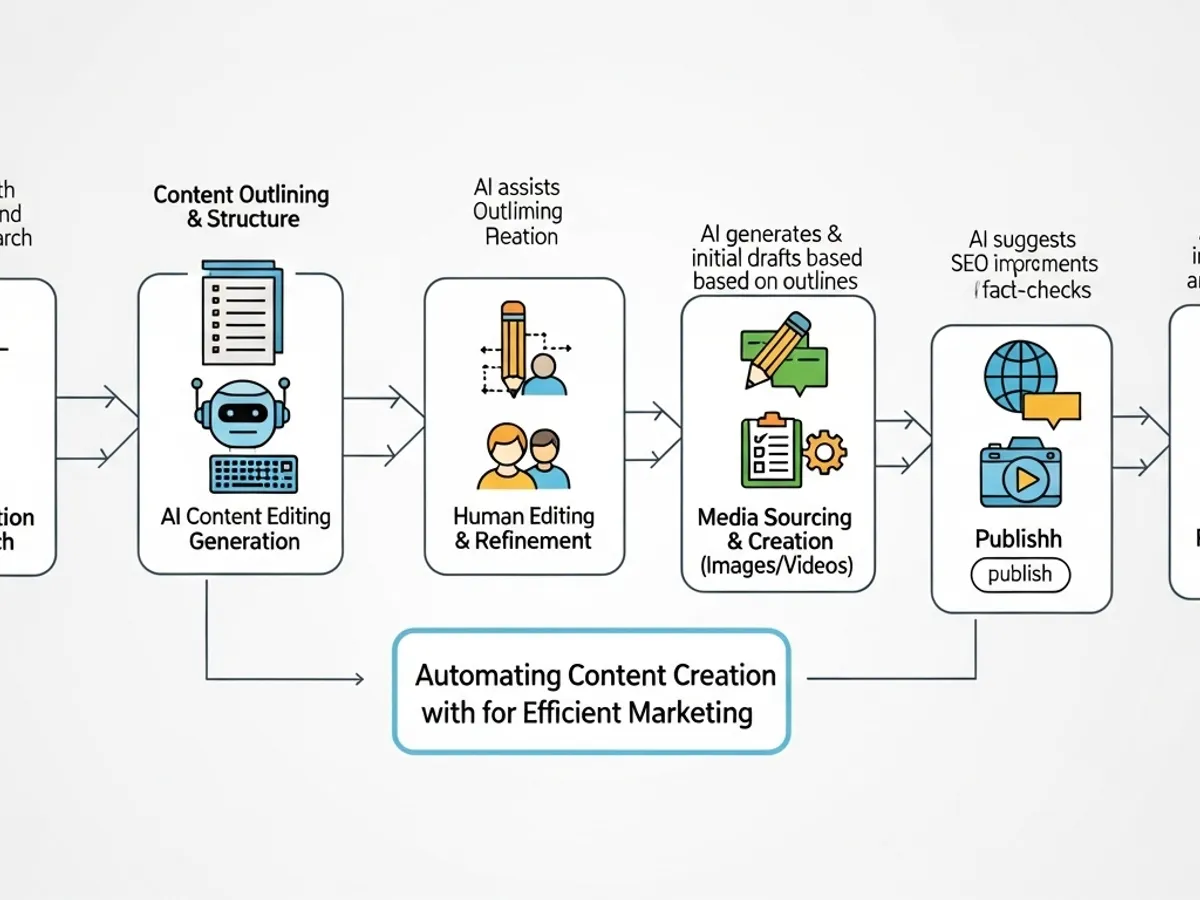
The landscape of content creation has undergone a seismic shift, particularly as we navigate 2026. What was once a largely manual, time-intensive endeavor is now being fundamentally reshaped by AI-driven tools, transforming how content is conceived, produced, and optimized. From my perspective at GenWrite, this isn’t just about automation; it’s about intelligent augmentation.
AI tools are accelerating the content lifecycle at an unprecedented pace. Marketers reported a significant increase in content production, with 52% leveraging AI in 2023 to scale their efforts. This surge isn’t merely about churning out more articles; it’s about doing so strategically, aligning with the evolving demands of search engines and user intent.
How AI Tools Streamline Content Creation
AI’s role in content creation is multifaceted, addressing bottlenecks that traditionally slowed down production. These capabilities are why we’re seeing such a dramatic reshaping of workflows:
- Automated Research: The days of manually sifting through countless competitor articles or conducting exhaustive keyword analysis are fading. AI tools can now rapidly identify high-performing keywords, analyze competitor strategies, and even pinpoint content gaps. In fact, by late 2025, there was a 30% increase in the use of AI for keyword research and content optimization alone.
- Draft Generation: Imagine kickstarting your blog posts with a robust, well-structured draft. AI-driven content writing tools can generate initial outlines, sections, and even full article drafts based on a few prompts, saving hours of initial writing time. This allows human writers to focus on refinement, adding unique insights, and ensuring E-E-A-T.
- Content Optimization: Beyond creation, AI excels at fine-tuning content for search engines. An AI SEO content generator can suggest improvements for readability, identify semantic keywords, and ensure your content adheres to best practices for higher rankings. This includes internal linking strategies and meta-data suggestions.
- Scalable Production: The ability to automate repetitive tasks means businesses can produce a far greater volume of high-quality content without proportionally increasing their manual workforce. This is particularly crucial for maintaining a strong online presence and capturing diverse search queries.
At GenWrite, we’ve built our platform around these very principles, enabling users to automate the entire blog creation process. We handle everything from keyword research to competitor analysis and even WordPress auto posting, ensuring your content is not only generated efficiently but also optimized for organic reach and traffic generation. This level of automation allows teams to create SEO-rich blog content instantly with AI, dramatically reducing time-to-publish and enhancing search engine visibility.
The true power lies in leveraging AI to move faster and smarter, not just harder.
By integrating these advanced tools, we’re seeing content teams achieve broader coverage and more consistent publishing schedules. This shift allows human creators to concentrate on the strategic, creative, and expert-driven aspects that AI still cannot fully replicate, ensuring that quality and relevance remain paramount, even as efficiency soars. If you’re looking to dominate Google & AI Search, understanding these tools is non-negotiable.
Can AI Tools Truly Optimize Content for Google’s Evolving Algorithms?
As we’ve explored, AI has undeniably reshaped content creation, accelerating production and broadening coverage. The crucial question, however, isn’t just whether AI can create content, but whether AI tools can truly optimize content for Google’s evolving algorithms to drive meaningful rankings. The answer, in 2026, is a resounding yes—but with a strategic caveat.
AI’s Advanced Role in SEO Optimization
Gone are the days when AI’s contribution to SEO was limited to basic content generation. Today, sophisticated AI SEO optimization tools delve deep into the mechanics of search, offering capabilities far beyond surface-level keyword stuffing. They act as advanced digital strategists, analyzing vast datasets to uncover opportunities that manual efforts simply can’t match.
Precision Keyword & Topic Research
One of AI’s most impactful applications is in keyword research. Instead of merely identifying high-volume terms, AI now maps semantic keyword clusters, analyzes search intent with granular precision, and even predicts emerging trends. This allows us to target not just individual keywords, but entire topics that Google’s algorithms are increasingly favoring. These insights are critical for crafting content that truly satisfies user queries and aligns with Google’s contextual understanding.
On-Page Optimization at Scale
When it comes to on-page elements, AI SEO writing software offers invaluable assistance. It helps structure content for optimal readability, suggests strategic internal linking opportunities, and refines meta descriptions and titles for maximum click-through rates. This level of optimization ensures that every piece of content is technically sound and primed for search engine crawlers. Our platform, GenWrite, automates much of this intricate process, ensuring your content is not just written, but meticulously optimized from the ground up.
Predictive Analytics for Algorithm Shifts
Google’s algorithm updates are continuous, making adaptability a core challenge for SEOs. This is where AI-powered SEO content tools truly shine. They can analyze historical data and current SERP trends to predict potential algorithm shifts, allowing us to proactively adjust our content strategies. This predictive capability is vital for maintaining rankings in an ever-changing landscape.
AI provides the data-driven backbone for SEO, turning uncertainty into actionable insights.
Aligning with Google’s E-E-A-T and User Experience
While AI excels at the technical aspects, Google’s algorithms in 2024 and 2025 have increasingly emphasized E-E-A-T (Experience, Expertise, Authoritativeness, and Trustworthiness) and user engagement metrics. AI tools can certainly assist by identifying authoritative sources, structuring content to convey expertise, and suggesting content formats that enhance user experience. However, the essence of E-E-A-T—the unique insights, original research, and genuine experience—still requires human input and verification. This is why a hybrid approach, where AI handles the heavy lifting of optimization and humans inject the critical E-E-A-T signals, yields the best results, a sentiment shared by 68% of SEO professionals as of January 2026.
Platforms like GenWrite bridge this gap by automating the content generation and initial SEO, freeing up human experts to infuse the critical E-E-A-T elements and strategic oversight. It’s about leveraging the best AI tool for writing SEO rich blog content to gain a competitive edge. This blend ensures that content is not only optimized but also resonates deeply with the audience and satisfies Google’s evolving quality standards, helping you to create SEO-Rich blog content instantly with AI in 2026 and effectively dominate Google & AI Search: Geo-SEO Secrets for 2026.
What Are the Key Limitations of Relying Solely on AI for SEO Success?
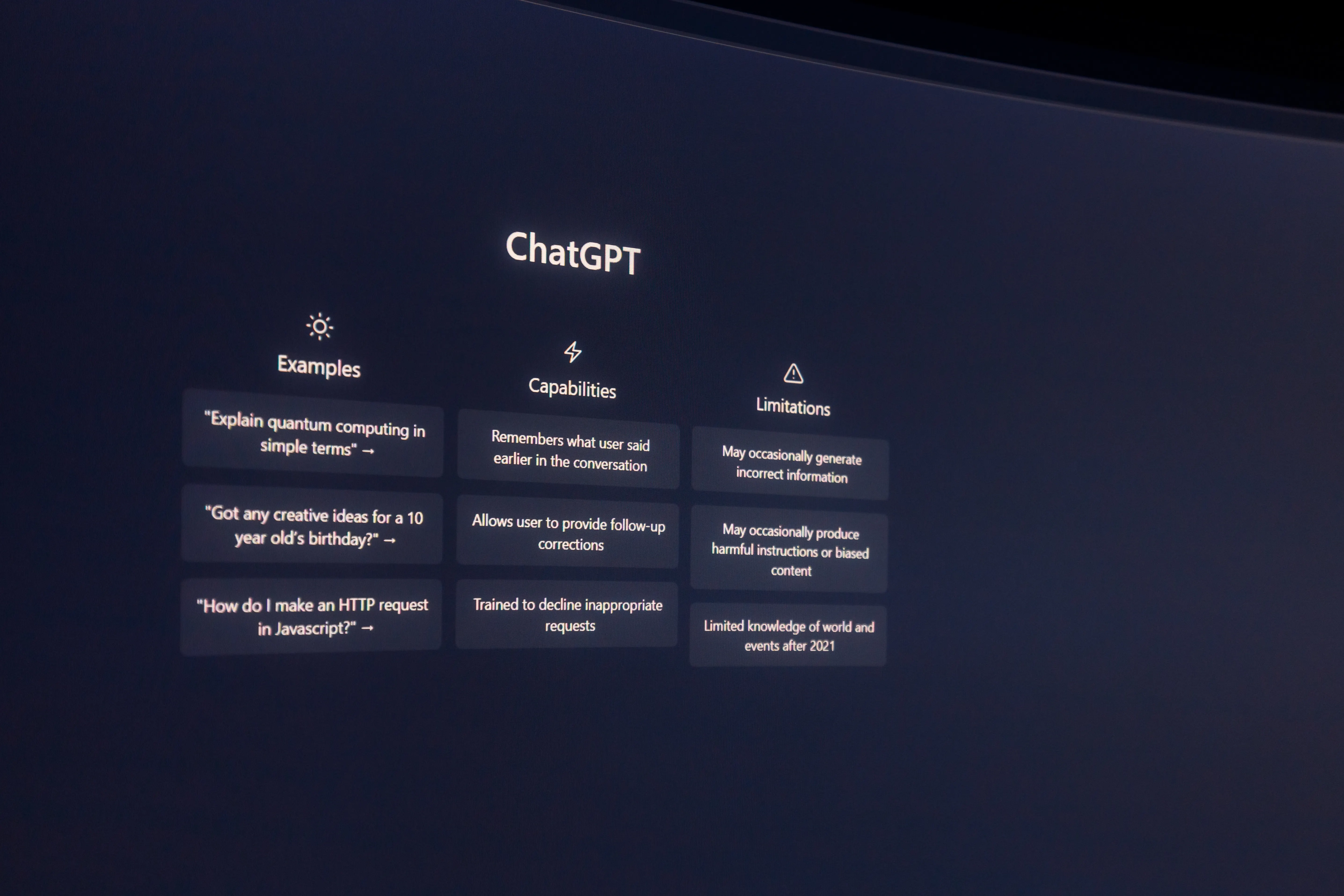
Despite the impressive capabilities of AI SEO Tools, relying solely on them for your content strategy presents significant AI content limitations. While AI excels at speed and scale, it often struggles with the nuanced elements that truly define content quality and drive long-term search engine success.
The Challenge of Factual Accuracy and E-E-A-T
One of the most critical drawbacks of purely AI-generated content is its potential for factual inaccuracies. AI models learn from vast datasets, but they don’t inherently “understand” or verify information in the human sense. This means content can sometimes contain outdated data, misinterpret complex topics, or even generate plausible-sounding but incorrect statements. Google’s algorithms, particularly with their emphasis on E-E-A-T (Experience, Expertise, Authoritativeness, and Trustworthiness) updates in 2024 and 2025, heavily penalize content that lacks verifiable accuracy or genuine expert insight. Without human oversight, AI-generated content risks undermining your site’s credibility.
Lack of Originality and Depth
AI, by its nature, is a pattern-matching machine. This often leads to content that, while grammatically correct and well-structured, can feel generic, repetitive, or derivative. It might rephrase existing information rather than offering truly novel perspectives, unique research, or original thought leadership. In a crowded digital landscape, generic content struggles to stand out, capture audience attention, or earn valuable backlinks. It simply doesn’t offer the depth of insight that comes from genuine human experience.
Struggling with Nuance and Brand Voice
Another significant AI content limitation is its difficulty in consistently capturing subtle nuances, emotional resonance, or a distinctive brand voice. While AI can mimic styles, it often misses the deeper context, wit, or specific tone that makes human-written content engaging and memorable. This can lead to a disconnect with your target audience, making it harder to build rapport and loyalty. Content that feels cold or impersonal won’t foster the connection necessary for conversions or repeat visits.
The Necessity of Human Oversight
Ultimately, AI SEO Tools are powerful augmentations, not replacements. They excel at automating tedious tasks like keyword research, initial drafting, and optimization suggestions, but they cannot replicate human creativity, critical thinking, or the ability to infuse content with genuine E-E-A-T. As we’ve seen, approximately 68% of SEO professionals believe a hybrid approach yields the best results, recognizing that human intervention is vital for fact-checking, adding unique insights, and ensuring the content truly serves user intent and aligns with evolving algorithm demands. Tools like GenWrite are designed to empower content creators, automating the mechanics so you can focus on the strategic, human-centric aspects that elevate content quality and drive real results.
Why Does Human Expertise Remain Crucial in the Age of AI SEO?
Even as AI tools accelerate content creation and optimize for search engines, the question isn’t whether AI can do SEO, but how effectively it can strategize and interpret like a human. In 2026, with 68% of SEO professionals advocating a hybrid approach, the enduring value of human SEO expertise becomes strikingly clear.
While AI excels at data processing and pattern recognition, it lacks the intuitive understanding of human psychology, cultural nuances, and the ever-evolving search intent that defines truly successful campaigns. A purely algorithmic approach risks generic content that, despite being optimized, fails to resonate or build genuine authority.
The Irreplaceable Role of Human Strategy and Interpretation
AI is a powerful assistant, not a sovereign strategist. Our human SEO expertise is critical for setting the overarching vision and ensuring that AI outputs align with real-world business objectives and brand identity. This involves more than just plugging in keywords; it requires a deep understanding of market dynamics and audience needs.
Guiding AI with Strategic Vision
- Nuanced User Intent: AI can identify keywords, but only human insight can truly grasp the why behind a search query, anticipating unstated needs and providing comprehensive answers. This is where manual SEO optimization truly shines.
- E-E-A-T Signals: Google’s emphasis on Experience, Expertise, Authoritativeness, and Trustworthiness (E-E-A-T) cannot be fully automated. Human experts provide the unique insights, real-world experience, and critical thinking necessary to imbue content with these vital signals.
- Brand Voice and Narrative: AI can generate text, but maintaining a consistent, authentic brand voice and crafting compelling narratives requires a human touch. Generic content, no matter how optimized, struggles to build loyalty.
Human intuition elevates content beyond mere information retrieval.
Moreover, the interpretation of AI-generated insights demands a skilled hand. AI might identify a trend, but a human expert decides how to leverage that trend strategically, considering competitive landscapes and long-term goals. This ensures that the AI SEO integration isn’t just about efficiency, but about achieving superior, sustainable results.
Adapting to Google’s Dynamic Landscape
Google’s algorithms are in constant flux, with recent updates in January 2026 emphasizing personalization and user engagement. While AI tools can adapt to some changes, the ability to anticipate broader shifts, understand their implications, and pivot strategies rapidly remains a uniquely human skill. This agile response is crucial for maintaining rankings.
At GenWrite, we see our platform as a force multiplier for human expertise, not a replacement. Our AI blog generator automates tedious tasks like keyword research and initial drafting, freeing up experts to focus on strategic refinement and ensuring content truly stands out. It’s about empowering your human SEO expertise to achieve more, faster.
Ultimately, while AI provides unprecedented efficiency in content production and optimization, the strategic direction, creative spark, and critical oversight provided by manual SEO optimization remains the bedrock of high-ranking, impactful content. It’s the symbiosis of human intelligence and AI capability that truly drives faster Google rankings.
Manual vs. Automated Content Optimization: The Hybrid Path to Faster Rankings
To secure rapid visibility in modern search engine results pages (SERPs), understanding the core differences between manual and automated content optimization is essential. While manual workflows guarantee editorial depth, automation offers unprecedented speed and scalability.
When evaluating manual vs automated content optimization, digital marketers often face a critical trade-off between editorial depth and execution speed. To help you determine the right approach for your growth goals, here is a detailed, side-by-side comparison outlining how they stack up across key performance and SEO metrics:
| Metric | Manual Optimization | Automated Optimization |
|---|---|---|
| Speed & Scalability | Slow; constrained by human bandwidth, editorial resources, and manual research. | Instantaneous; scales effortlessly across hundreds of pages simultaneously. |
| Quality & Depth | Deep; excels at understanding emotional nuances, complex user needs, and search intent. | Algorithmic; maps search intent based on historical SERP data and semantic patterns. |
| Cost & ROI | High cost per asset due to specialized human labor and time-intensive workflows. | Low cost per asset, maximizing ROI on large-scale campaigns. |
| E-E-A-T & Trust | High; naturally integrates original research, subject matter expertise, and unique brand voice. | Low; requires human editing to avoid generic, repetitive, or factual errors. |
| Adaptability | High; easily pivots to incorporate real-time market changes and brand shifts. | Moderate; relies on training data and algorithmic updates to adjust output. |
The Power of a Hybrid Content Strategy
Rather than treating these two methodologies as mutually exclusive, leading digital brands combine them into a unified hybrid content strategy. By automating data-heavy, repetitive tasks, you free up valuable human resources to focus on high-impact creative and qualitative enhancements. This approach directly satisfies informational search intent by providing data-backed, comprehensive answers that are thoroughly refined by subject matter experts to ensure accuracy, authority, and trust.
Implementing the Blended Workflow for Faster Rankings
To capture the speed of automation alongside the depth of human expertise, modern marketing teams use a structured, five-phase production pipeline:
Phase 1: Automated Research & Semantic Mapping
Use automated tools to conduct initial keyword research, map semantic clusters, and generate comprehensive outlines. This processes vast amounts of SERP data in seconds, identifying high-potential topics and structural requirements.
Phase 2: AI-Assisted Drafting
Leverage an advanced blog generator like GenWrite to produce a highly structured first draft. This ensures all primary SEO elements, target keywords, and recommended subheadings are integrated from the start, saving hours of manual drafting.
Phase 3: Manual E-E-A-T Injection
Have a subject matter expert review the draft to inject original insights, proprietary data, real-world case studies, and a distinct brand voice. This phase is critical for transforming standard output into high-value content that satisfies Google’s strict quality guidelines.
Phase 4: Targeted Manual SEO & UX Refinement
A human SEO specialist performs a final review to optimize internal linking structures, verify external references, and refine the layout for maximum readability and user engagement.
Phase 5: Automated Publishing & Continuous Monitoring
Streamline the publishing process using content automation tools (such as GenWrite’s WordPress auto-posting features) while manually tracking performance metrics to guide future optimization cycles.
By executing this structured hybrid model, you achieve the scalability needed to compete in modern SERPs while maintaining the editorial integrity required to secure and sustain faster Google rankings.
Which AI SEO Tools Are Essential for Your 2026 Content Strategy?
The landscape of SEO in 2026 demands more than traditional methods; it requires intelligent augmentation. The right AI tools for SEO are no longer a luxury but a fundamental component of any successful content strategy, driving efficiency and precision. As we navigate Google’s increasingly sophisticated algorithms, leveraging these tools becomes paramount for achieving competitive rankings. They empower content teams to work smarter, not just harder.
Streamlining Strategy with AI-Powered Research
AI has transformed keyword research from a manual slog into a strategic advantage. Tools like Semrush and Ahrefs utilize advanced AI to uncover deep insights into search intent, identify competitive gaps, and map out semantic clusters, far beyond what simple keyword volume analysis can provide. This level of detail helps us understand the nuances of what users are truly searching for.
Understanding user intent is paramount for achieving faster Google rankings.
These platforms help identify high-potential topics and opportunities that manual analysis might miss, ensuring your content development aligns precisely with what your target audience is actively seeking. This strategic foundation is critical before even a single word is written.
Elevating Content Creation with AI SEO Content Generators
The next frontier in content production lies with intelligent generation. AI SEO content generator tools are revolutionizing how we produce high-quality, optimized content at scale. They assist with everything from outlining and drafting to enriching existing content with relevant information and structure.
For teams focused on rapid scaling, platforms like Copyscale.io have emerged as essential assets in the modern stack. Direct comparisons of copyscale.io vs manual writing highlight a massive leap in operational efficiency. While manual writing demands hours of research, drafting, and manual optimization, Copyscale.io streamlines this entire pipeline into minutes.
To understand the practical impact, consider this comparison of speed and SEO outcomes:
| Metric | Manual Writing | Copyscale.io Generation |
|---|---|---|
| Drafting Speed | 4 to 6 hours per article | Less than 2 minutes |
| SEO Integration | Manual keyword insertion | Automated NLP and semantic optimization |
| Scalability | Highly limited by human hours | Virtually unlimited on-demand output |
| Cost per Article | High (writer rates) | Extremely low (software subscription) |
From an execution standpoint, leveraging copyscale.io seo capabilities allows brands to maintain a highly active publishing schedule that satisfies search engine demands for fresh, relevant content without exhausting their budgets.
This is also where platforms like GenWrite truly shine. We’ve designed GenWrite to automate the end-to-end blog creation process, from researching keywords and analyzing competitors to adding relevant links and images, and even auto-publishing to platforms like WordPress. It’s an indispensable tool for those aiming for superior SEO optimization and increased organic reach without compromising on quality or alignment with search engine guidelines. Such tools provide an initial, highly optimized draft that human experts can then refine with unique insights and crucial E-E-A-T signals.
Optimizing for Performance with AI SEO Optimization Tools
Beyond initial generation, optimizing content for search engines is a continuous, data-driven process. AI SEO optimization tools analyze your content against top-ranking pages, providing actionable recommendations for on-page SEO factors like readability, keyword density, and semantic relevance. They ensure your content is not just good, but also technically sound for search engines.
Tools like Surfer SEO or MarketMuse use AI to ensure your content comprehensively covers all necessary topics and entities Google expects for a given query. These tools act as a critical bridge between content creation and ranking success. They help fine-tune every piece to satisfy Google’s evolving algorithms, focusing on user engagement and comprehensive topic coverage.
Integrating these specialized AI tools for SEO into your workflow is essential for building a robust and competitive content strategy in 2026. They empower teams to produce more relevant, higher-ranking content more efficiently, making the blend of AI and human expertise the ultimate winning formula.
What Does the Future Hold: AI’s Continued Evolution in Driving Google Rankings?
The landscape of SEO is perpetually shifting, with AI undeniably its primary driver. What does this relentless evolution mean for content creators and SEO professionals striving for faster Google rankings?
We’re rapidly moving beyond AI as a mere content generator. The future of SEO will see AI deeply integrated into every facet of strategy, from predictive analytics understanding nuanced user intent to hyper-personalization. Late 2025 studies already showed a 30% increase in AI use for keyword research and optimization, signaling this acceleration.
Google’s algorithms will increasingly emphasize true quality, focusing on E-E-A-T (Experience, Expertise, Authoritativeness, and Trustworthiness) signals. The January 2026 algorithm update underscored this. AI’s role will evolve from producing content to strategically optimizing it for human-centric factors.
The Hybrid Imperative for Future Success
The path to faster Google rankings won’t choose AI or human expertise; it will master their synergy. As of January 2026, approximately 68% of SEO professionals believe a hybrid approach yields the best results. This strategy leverages AI for efficiency in research, drafting, and technical optimization, while human experts infuse content with unique insights, creativity, and critical E-E-A-T elements.
The future demands a symbiotic relationship between AI efficiency and human ingenuity.
To thrive, creators must embrace advanced AI-powered SEO content tools that automate mundane tasks and provide data-driven insights. Our focus at GenWrite is to empower this transition. Cultivate deep subject matter expertise, develop unique perspectives AI can’t easily replicate, and continuously adapt strategies based on evolving algorithm signals.
Tools like GenWrite are designed precisely for this future, automating the end-to-end blog creation process—from keyword research and competitor analysis to content generation and publication. They enable you to harness AI’s speed for foundational work, freeing human talent for strategic depth and unique value. This proactive integration of advanced AI solutions is key to unlocking faster Google rankings in the evolving digital landscape.
Is Your Content Ready to Outrank Competitors in the AI-Dominated SERPs?
The digital landscape of 2026 demands more than just content; it requires content engineered for visibility in an increasingly AI-dominated search environment. We’ve explored how traditional SEO has evolved, and the critical role of human expertise, even as AI tools reshape content creation. The question now isn’t if AI will impact your rankings, but how effectively you’re harnessing its power while safeguarding human quality.
Our journey through the evolving SEO landscape has consistently pointed to one truth: a hybrid approach is non-negotiable for achieving faster Google rankings. Purely manual SEO optimization is often too slow and resource-intensive, while a sole reliance on AI-driven content writing risks generic outputs lacking the essential E-E-A-T signals Google prioritizes. A balanced strategy is key to sustainable SEO success.
This is where intelligent automation becomes a game-changer. Tools like GenWrite exemplify how to streamline the content workflow, moving from keyword research and competitor analysis to full blog creation and automated publishing. This allows teams to scale content production significantly, covering more ground with greater efficiency.
Yet, efficiency alone isn’t enough. The 2024 and 2025 Google algorithm updates underscored the paramount importance of E-E-A-T. This means human oversight remains vital for injecting unique insights, ensuring factual accuracy, and aligning content with brand voice. Human expertise is the irreplaceable ingredient for building trust and authority.
To truly outrank competitors, your strategy must be proactive and adaptive. Begin by using AI for data-driven insights into search intent and trending topics. Then, empower your human experts to craft compelling narratives and add the nuanced perspectives that resonate deeply with your audience.
For implementation, think of AI as your co-pilot. GenWrite can handle the heavy lifting of drafting, adding relevant links and images, and performing initial SEO optimization. This frees up human time to refine, fact-check, and infuse the content with the distinct expertise that builds trust and authority. GenWrite empowers you to produce high-quality, SEO-friendly content efficiently. This blend ensures your content isn’t just present, but truly competitive.
Ultimately, continuous monitoring and adaptation to algorithm changes are crucial. The digital landscape is dynamic, and your content strategy must evolve with it. By embracing a smart hybrid model, you’re not just ready for the AI-dominated SERPs; you’re positioned to lead them.
Ready to dominate the AI-driven SERPs? Discover how GenWrite can automate your blog creation and accelerate your Google rankings.
People Also Ask
Will AI content replace manual content for SEO in 2026?
It’s unlikely that AI content will entirely replace manual content. While AI excels at efficiency and data processing, human expertise is crucial for E-E-A-T signals, originality, and nuanced understanding. The most effective strategy in 2026 involves a hybrid approach, leveraging AI for speed and humans for strategic depth.
How does Google evaluate AI-generated content in 2026?
Google’s algorithms in 2026 focus on content quality, helpfulness, and E-E-A-T, regardless of whether it’s AI-generated or manual. Purely AI-generated content lacking unique insights or expertise may struggle. Content that is AI-assisted but human-refined, demonstrating experience and authoritativeness, is more likely to perform well.
What are the benefits of using AI tools for SEO?
AI tools can significantly speed up keyword research, content drafting, and optimization tasks. They help identify trends, analyze competitor content, and automate repetitive processes, allowing SEO professionals to focus on higher-level strategy and refinement. Tools like those offered by GenWrite can streamline the entire blog creation workflow.
How can I ensure my content has strong E-E-A-T signals with AI assistance?
To ensure strong E-E-A-T signals, human oversight is essential. Use AI to gather information and draft content, but always have a human expert review, fact-check, add personal experiences, and ensure the content reflects genuine expertise and trustworthiness. This blend is key for building authority in 2026.
Is a hybrid approach truly better for Google rankings?
Yes, a hybrid approach is widely considered the most effective strategy for achieving faster and more sustainable Google rankings in 2026. It combines the efficiency and scalability of AI with the creativity, critical thinking, and E-E-A-T that only human expertise can provide, leading to higher quality, more authoritative content.
Which AI SEO tools are recommended for 2026?
Essential AI SEO tools for 2026 include those for keyword research, content generation, and on-page optimization. Platforms that offer comprehensive solutions, like AI-powered blogging agents for research, drafting, and publishing, are highly valuable. You can explore advanced AI content automation at GenWrite.