
Streamline Your SEO Workflow: Top 6 AI Tools for 2026
Why is AI Integration Critical for SEO Success in 2026?
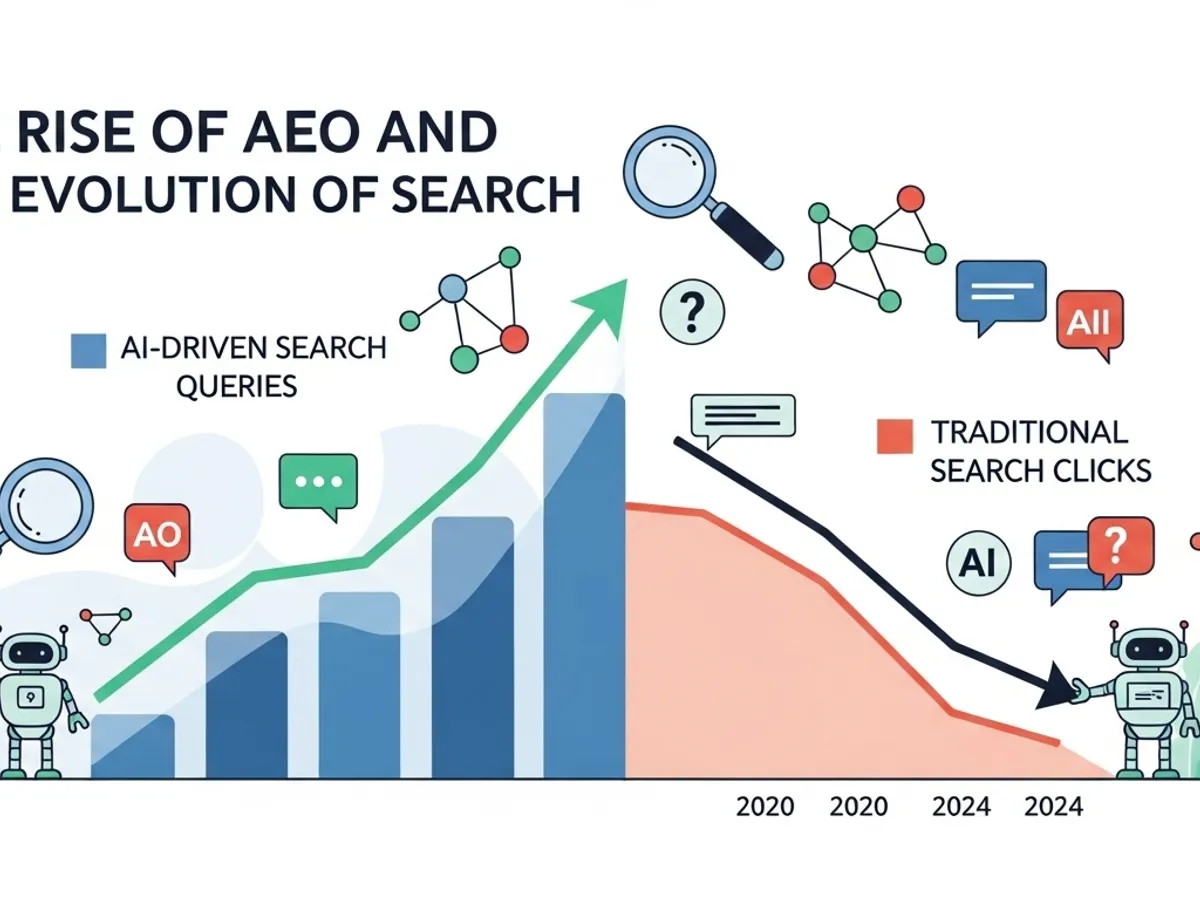
The landscape of Search Engine Optimization (SEO) is undergoing a profound transformation, making AI integration not just beneficial, but absolutely critical for success by 2026. Gone are the days when manual keyword stuffing and rudimentary analysis guaranteed visibility. Today, advanced algorithms demand a more sophisticated, data-driven approach that only artificial intelligence can truly deliver.
The Shifting Tides of Search
We’re witnessing a fundamental shift from traditional search results to dynamic AI search results and increasingly prevalent AI overview systems. Google’s BERT algorithm, for instance, has already made AI-driven content optimization paramount, focusing on intent and context rather than mere keywords. This evolution means that relying solely on human intuition or outdated tactics will inevitably lead to diminishing returns.
AI provides the competitive edge necessary to navigate this complex, evolving digital environment.
Why AI Tools Are Indispensable
Integrating seo ai tools into your workflow addresses several core challenges that traditional methods simply cannot. Consider the sheer volume of data involved in effective SEO: keyword research, competitor analysis, content gaps, technical audits, and performance tracking. AI algorithms can analyze these vast datasets with unparalleled speed and accuracy, uncovering trends and opportunities that human analysts might easily miss.
- Automation of Routine Tasks: AI can automate up to 80% of routine SEO tasks, freeing up valuable time for strategic initiatives. This efficiency allows teams to focus on high-impact activities rather than repetitive chores.
- Enhanced Content Relevance: AI-driven content optimization can improve keyword rankings by an average of 20% within three months. Tools like GenWrite exemplify this by automating the end-to-end blog creation process, ensuring SEO-rich content that aligns with search engine guidelines and LLMs from the outset. You can learn more about how to Create SEO-Rich Blog Content Instantly with AI in 2026.
- Personalized User Experiences: AI enables the creation of personalized content that resonates deeply with target audiences, leading to increased engagement and conversion rates by up to 15%.
This isn’t just about doing things faster; it’s about doing them smarter. Companies leveraging 2026 ai seo tools are already seeing an average increase of 45% in organic traffic, a clear indicator of the competitive advantage AI offers.
Future-Proofing Your SEO Strategy
The move towards AI overview systems means search engines are becoming more conversational and intent-driven. Content that is not only optimized for keywords but also structured for clarity, authority, and comprehensive answers will rank higher. AI tools are essential for crafting content that satisfies these advanced requirements, ensuring your brand remains visible and authoritative.
Embracing AI isn’t an option; it’s a strategic imperative for sustained SEO success.
To truly dominate the search landscape, especially with the rise of AI seo tool 2026, embracing AI is non-negotiable. It provides the automation, insights, and predictive power needed to stay ahead. For a deeper dive into tools that can help, consider exploring resources on how to Boost Rankings with Top AI SEO Tools for 2026.
How Do AI Search Environments Redefine Content and Visibility?
The rise of AI within search environments has fundamentally altered the landscape, making traditional SEO strategies increasingly insufficient. It’s no longer just about keyword ranking; it’s about anticipating and satisfying user intent within dynamic, intelligent systems.
This seismic shift introduces what we at GenWrite call generative engine optimization (GEO). It’s a proactive approach to ensure your content is not just found, but intelligently understood and utilized by AI models that power search. As an advocate for efficient content creation, I see GEO as the next logical step for anyone looking to truly dominate Google and AI search in 2026.
The core challenge stems from the evolution of AI search results and the prevalence of AI overview systems. These aren’t simply lists of links; they are sophisticated syntheses of information, often directly answering complex queries right on the search results page. Your content, therefore, isn’t just displayed; it’s interpreted, re-contextualized, and potentially summarized.
Content that once drove direct clicks might now be absorbed and presented within an AI-generated snippet. This means our goal isn’t just visibility; it’s interpretability by machines.
To thrive in this new ecosystem, content creators must embrace precision and clarity. This is where robust structured data becomes non-negotiable. By explicitly labeling the components of your content—like definitions, steps, or key facts—you provide AI with the clear signals it needs to understand, extract, and present your information accurately. Without this foundational layer, your valuable content might be overlooked by these intelligent systems.
This isn’t merely a technical tweak; it’s a strategic imperative that redefines content creation. Your content strategy must now anticipate how AI will interpret and present your expertise.
We are moving from a world of ‘find this page’ to ‘answer this question definitively’. This requires building comprehensive, authoritative content that can stand alone as a source of truth. At GenWrite, as an AI blog generator, we focus on creating SEO-friendly content that aligns with search engine guidelines and LLMs, making it ideal for this new era. This ensures your content is not only accessible but also readily consumable by advanced AI overview systems.
What Essential Criteria Should Guide Your AI SEO Tool Selection?

In a rapidly expanding market projected to hit $12.6 billion by 2028, the sheer volume of available AI SEO tools can feel overwhelming. Choosing the best AI SEO tool isn’t about picking the flashiest option; it’s about making a strategic investment that genuinely enhances your digital presence. My experience shows that a methodical approach, grounded in clear criteria, is paramount to avoid costly missteps.
Defining Your Strategic Needs Before Tool Selection
Before evaluating individual tools, clarify your specific SEO objectives. Are you prioritizing workflow automation for content creation, detailed keyword research, or competitive analysis? Understanding your core pain points and desired outcomes will narrow down your search significantly. Remember, AI is a powerful amplifier, but it needs a clear direction.
The right AI SEO tool isn’t just powerful; it’s the right fit for your strategy and business goals.
This initial self-assessment ensures that any AI SEO tools criteria you apply are directly relevant to achieving your measurable goals, whether that’s a 45% increase in organic traffic or a 20% improvement in keyword rankings.
Essential Criteria for Your AI SEO Toolkit
Selecting from the myriad of options requires a structured framework. Here are the critical factors I advise considering for any SEO toolkit powered by AI:
- Comprehensive Feature Set: Does the tool offer robust capabilities for automated content creation, keyword research, competitor analysis, and link building? Tools like GenWrite, an advanced
AI blog generator, exemplify a comprehensiveSEO toolkitby automating end-to-end blog creation—from keyword research and content generation to image addition and automated publishing—ensuring high-quality, SEO-friendly content that aligns with search engine guidelines and LLMs. - Seamless Integration: How well does it integrate with your existing CMS, analytics platforms, and other marketing tools? Effective
workflow automationhinges on smooth data flow and interoperability. - Accuracy and Actionable Insights: AI’s strength lies in data analysis. The tool must provide reliable, data-driven insights that translate directly into actionable strategies, not just raw data.
- Scalability and Flexibility: Can the tool grow with your business? As your SEO needs evolve, will it adapt to handle increased content volume or more complex strategies?
- User Experience and Support: An intuitive interface and responsive customer support are crucial for widespread adoption within your team and maximizing your investment.
- Cost-Effectiveness and ROI: Evaluate the pricing model against the features offered and the potential return on investment. The goal is to optimize your SEO efforts, not just add another expense.
Understanding the nuances of AI search environments, particularly for Generative Engine Optimization (GEO), is crucial for making an informed choice. For deeper insights into navigating this evolving landscape, explore strategies for dominate Google & AI search: GEO-SEO secrets for 2026.
By meticulously evaluating prospective AI SEO tools against these criteria, you empower your team to not just keep pace with the evolving digital landscape but to lead within it, transforming your workflow automation and achieving superior results.
Which AI Tools Are Revolutionizing Content Creation and Optimization Workflows?
The landscape of content creation and SEO is rapidly evolving, driven by powerful artificial intelligence. We’re no longer just writing; we’re leveraging AI to sculpt content that not only resonates with readers but also ranks high on search engine results pages.
Elevating Content Creation with AI
At the forefront of this revolution are AI content generator tools that automate the once-arduous process of drafting articles, blog posts, and marketing copy. These tools move beyond simple text generation; they’re becoming sophisticated partners in content strategy.
Take, for instance, a platform like GenWrite. As an AI-powered blogging agent, it doesn’t just write; it automates the end-to-end blog creation process. This includes everything from in-depth keyword research and competitor analysis to integrating relevant links and images, and even automatically publishing to platforms like WordPress. This level of automation ensures your content is not only high-quality but also inherently SEO-friendly, aligning with both search engine guidelines and large language models.
Automating blog creation frees up invaluable time for strategic oversight.
These AI writing tools are designed to provide a competitive edge, ensuring content is optimized for user intent right from its inception. The goal is to produce content that performs, not just fills a space.
Precision-Driven Content Optimization
Once content is created, the next critical step is optimization. This is where specialized tools shine, transforming good content into great, high-ranking content. The difference between content that languishes and content that soars often lies in its optimization.
Tools like Surfer SEO and Clearscope have become indispensable in this phase. They analyze top-ranking content for target keywords, providing data-driven recommendations on word count, keyword density, semantic keywords, headings, and overall structure. This detailed feedback allows for a methodical approach to content optimization, ensuring every piece is primed for search engine visibility.
AI-driven optimization can boost keyword rankings by an average of 20% within three months.
These platforms offer more than just suggestions; they act as a bridge between creative writing and algorithmic demands. They help us understand the nuances of what search engines prioritize, ensuring our content is relevant, comprehensive, and authoritative. By identifying semantic keyword clusters and content gaps, these tools allow us to refine our narratives, making them more robust and appealing to both users and AI algorithms.
The combined power of AI in both generating and optimizing content streamlines workflows dramatically. What once took hours of manual research and iteration can now be accomplished with unprecedented efficiency, allowing marketers and content creators to focus on strategy and creativity rather than repetitive tasks.
Can All-in-One AI SEO Platforms Transform Your Entire Digital Strategy?

The fragmented nature of digital marketing often leads to siloed efforts, but the emergence of truly comprehensive AI SEO platforms is fundamentally shifting this landscape. These robust solutions promise to centralize and automate many critical facets of your digital strategy, offering a holistic view that was once difficult to achieve.
At their core, all-in-one SEO platforms like Semrush AI integrate an impressive array of tools. They move beyond singular functionalities, encompassing everything from deep keyword research and comprehensive competitor analysis to technical SEO audits, content optimization, and sophisticated backlink analysis. The goal is to provide a single source of truth for your entire online presence.
The Holistic Power of Integrated AI
Imagine a scenario where your content strategy, technical optimizations, and competitive landscape are all analyzed and acted upon within a unified interface. This is the promise of an integrated marketing platform. Such platforms leverage AI to process vast datasets, identifying trends and opportunities that might escape human detection. They automate up to 80% of routine SEO tasks, freeing marketing teams to focus on strategic initiatives rather than manual data compilation.
A unified platform provides the clarity needed to make data-driven decisions across your digital channels.
This integration allows for a seamless flow of insights. For instance, competitor analysis isn’t just a standalone report; it directly informs your content strategy, guiding what topics to cover and how to optimize them. Similarly, technical SEO recommendations are linked to their potential impact on ranking, giving you clear priorities.
Transforming Strategy Through Automation
Can these platforms truly transform your entire digital strategy? Absolutely. By streamlining workflows and offering a consolidated view of performance across various SEO pillars, they enable a more agile and responsive approach. Companies using AI for SEO have reported an average increase of 45% in organic traffic, a testament to the power of these integrated systems. The ability to quickly adapt based on real-time data from a single platform is a massive competitive advantage.
While these all-in-one SEO platforms provide the overarching strategy and analysis, specialized tools still play a crucial role in execution. For example, once an all-in-one SEO platform identifies high-potential keywords and content gaps, tools like GenWrite step in to automate the actual creation of high-quality, SEO-optimized blog content. Our AI blog generator ensures that the content aligns with search engine guidelines and LLMs, effectively closing the loop from strategy to publication. This synergy between comprehensive analysis platforms and specialized content automation tools creates an incredibly powerful digital ecosystem.
These comprehensive AI SEO platforms transform digital strategy by centralizing data, automating routine tasks, and providing actionable insights for continuous improvement.
How Can Specialized AI Tools Deliver Granular Insights and Automated Solutions?
Even with comprehensive all-in-one platforms, the true competitive edge in SEO often comes from leveraging specialized AI tools designed for laser-focused tasks. These niche solutions dive deeper, providing granular AI insights and enabling truly automated SEO fixes that broader platforms might overlook or simplify. They are not merely supplementary; they are essential for optimizing every facet of your digital presence.
Unlocking Deeper Visibility and Predictive Analytics
Traditional rank trackers offer a snapshot, but specialized AI goes further. Tools like Rankscale.ai, for instance, move beyond basic keyword positions to provide advanced visibility tracking. They analyze SERP features, local pack performance, and competitive gaps with an unprecedented level of detail. This kind of granular AI insight allows strategists to identify precise opportunities and threats, far beyond what manual analysis could achieve.
Precision matters: Knowing why you rank (or don’t) is more valuable than just knowing where you rank.
Implementing Automated Solutions for Technical SEO
Technical SEO issues can silently erode your rankings and user experience. Specialized AI tools, such as the OTTO feature within Search Atlas, are engineered to identify and even implement automated SEO fixes for these often complex problems. From broken links and schema markup errors to core web vitals optimizations, these systems can flag, prioritize, and sometimes even resolve issues autonomously. This frees up valuable human resources for more strategic initiatives.
Crafting Hyper-Specific, Performance-Driven Content Briefs
Content is king, but only if it’s perfectly aligned with search intent and optimized for AI environments. Specialized AI tools like Frase excel at generating hyper-specific content briefs, outlining exact topics, subheadings, and semantic keywords needed to rank for target queries. These briefs are goldmines of granular AI insights into what resonates with both users and algorithms.
This is where a platform like GenWrite becomes indispensable. We take these precise, AI-driven briefs and automate the entire content creation process, transforming detailed outlines into high-quality, SEO-optimized blogs. GenWrite integrates keyword research, competitor analysis, and link building to ensure the generated content is not just good, but positioned to rank. Our AI blog generator ensures that the insights from specialized tools are immediately actionable, reducing the gap between strategy and execution. By automating content creation and SEO optimization, we empower teams to scale their content efforts with unprecedented efficiency and precision. Specialized AI tools give you the map; GenWrite drives you to the destination.
By integrating these specialized AI solutions, businesses gain a significant advantage, moving from reactive problem-solving to proactive, data-driven optimization.
Beyond the Top 6: What Emerging AI SEO Features Should You Monitor?

While the established ai online tools are critical for current SEO success, the true competitive edge often lies in anticipating and integrating emerging AI features. Staying ahead means constantly monitoring innovations that redefine how users find information and how search engines evaluate content. This isn’t just about optimization; it’s about evolving your entire SEO strategy.
The Rise of AI Chatbot Integration in SEO
We’re seeing a rapid evolution of AI chatbots from mere customer service agents to integral components of the search experience. These intelligent assistants are increasingly becoming primary interfaces for users seeking information, directly impacting content discovery. For SEO, this means optimizing content not just for traditional search queries, but for conversational AI models.
Optimizing for conversational AI requires structured, precise answers.
Your content needs to be easily digestible and directly answer questions, much like how a chatbot would synthesize information. This shift demands a focus on semantic clarity and explicit factual statements that AI can readily understand and utilize. Tools like GenWrite, which emphasize high-quality, structured, and semantically rich content, are well-positioned to help generate material that excels in these new conversational search environments.
Leveraging AI-Powered Social Listening
Social listening has long been a valuable tool for brand monitoring, but with AI, its capabilities for SEO are expanding dramatically. Advanced algorithms can now analyze vast quantities of social data to identify emerging trends, pinpoint niche keywords, and gauge public sentiment around topics relevant to your industry. This goes beyond simple keyword tracking; it’s about understanding the nuances of conversations.
AI-driven social listening uncovers untapped content opportunities.
By understanding what your audience discusses and cares about on social platforms, you can proactively create content that addresses these needs. This foresight allows for the development of highly relevant and timely content pillars, directly informing your SEO strategy and potentially uncovering long-tail keyword opportunities before competitors. These insights can then feed into your content creation workflow, ensuring every piece you produce is aligned with real-world user intent.
Advanced Workflow Automation Beyond Content Generation
Beyond just content creation, AI is enabling advanced workflow automation across the entire SEO spectrum. This includes predictive analytics for keyword trends, automated technical SEO audits that proactively identify issues, and even AI-driven backlink opportunity identification. The goal is to minimize manual effort on repetitive tasks, freeing up SEO professionals for higher-level strategic thinking.
Full-spectrum AI automation elevates strategic SEO oversight.
These sophisticated ai online tools can learn from past data, anticipate future changes in algorithms, and recommend optimal actions, making your SEO operations more agile and data-driven. For instance, an AI could analyze your competitor’s backlink profile and suggest outreach targets, or predict which content topics will trend in the next quarter. This level of automation ensures your team can focus on the strategic decisions that truly move the needle, rather than getting bogged down in execution. To learn more about how AI can boost your rankings, see our guide on how to boost rankings with top AI SEO tools for 2026.
Monitoring these emerging AI features and understanding their implications is crucial for maintaining a leading edge. It’s about adapting your SEO strategy to a landscape where AI influences every stage of the user journey and every aspect of content visibility.
What Common Pitfalls Should You Avoid When Implementing AI SEO Tools?
Integrating AI into your SEO strategy promises remarkable efficiencies, yet many teams stumble by overlooking crucial pitfalls. The allure of automation can sometimes lead to missteps that diminish, rather than amplify, your efforts. Understanding these common traps is essential for a successful AI SEO implementation.
Over-Reliance on Automation
One of the most significant AI tool challenges is the temptation to let AI run on autopilot. While AI can automate up to 80% of routine SEO tasks, it’s a tool to augment human expertise, not replace it entirely. Relying solely on AI without critical human review can lead to generic content, misinterpretations of search intent, or even penalties if algorithms produce low-quality or spammy outputs.
AI excels at data processing; humans excel at strategic interpretation.
Always maintain a robust quality assurance process. Your team should regularly audit AI-generated content and recommendations, ensuring they align with your brand voice, audience needs, and overarching business objectives. This balance prevents the AI SEO implementation from becoming a black box.
Neglecting Human Strategy and Context
AI is powerful, but it lacks the nuanced understanding of market dynamics, brand identity, and long-term vision that a seasoned human strategy team possesses. Without clear strategic direction, AI tools might optimize for superficial metrics rather than true business impact. For instance, an AI might suggest keywords with high volume but low conversion intent for your specific niche.
Effective workflow management requires humans to set the strategic North Star. We define the content pillars, identify emerging trends that AI hasn’t yet processed, and understand competitive landscapes in a way that goes beyond raw data. This strategic input ensures AI efforts are always aligned with tangible growth.
Poor Integration and Workflow Fragmentation
Another common pitfall is implementing AI tools in silos. Many organizations adopt various AI solutions for different tasks—keyword research, content generation, technical SEO audits—without a cohesive workflow management system. This fragmentation creates data discrepancies, inhibits seamless collaboration, and ultimately slows down the entire SEO process.
Instead, seek platforms that offer comprehensive integration or, like GenWrite, streamline specific, critical workflows end-to-end. For example, GenWrite automates the entire blog creation process, from keyword research to content generation and publishing, ensuring a unified approach. This kind of integration minimizes manual handoffs and maximizes efficiency, truly transforming your AI SEO implementation.
To see how a truly integrated approach can boost your content strategy, explore how to create seo rich blog content instantly with ai in 2026.
By avoiding these common pitfalls and fostering a collaborative environment between human intelligence and AI capabilities, you can unlock the full potential of your AI SEO investments.
How Can You Measure the ROI of Your AI SEO Investments?
The investment in AI SEO tools isn’t just about adopting cutting-edge technology; it’s about driving measurable business growth. Many ask, “How do I prove the value?” The answer lies in establishing clear SEO ROI metrics and diligently tracking how your AI-powered strategies translate into tangible outcomes.
Defining Key Performance Metrics for AI SEO
To truly understand the return on your AI investment, we need to move beyond simple vanity metrics. We focus on indicators that directly impact your bottom line.
- Organic Traffic Growth: This is foundational. Are your AI-optimized content pieces attracting more visitors from search engines? Tools capable of tracking visibility across target keywords are crucial here.
- Keyword Ranking Improvements: AI-driven keyword research and content optimization should lead to higher positions in SERPs for your priority terms. Consistent monitoring shows the direct impact of your efforts.
- Conversion Rates: More traffic is great, but conversion is better. Is the increased, relevant traffic generated by AI content turning into leads, sales, or subscriptions? This is where the real performance metrics shine.
- Revenue Attribution: The ultimate measure. Can you trace specific revenue increases back to content generated or optimized by AI tools? This requires robust analytics integration.
- Cost Savings & Efficiency: Beyond direct revenue, consider the time and resources saved. If an AI blog generator like GenWrite automates content creation, what’s the dollar value of the hours your team now saves?
Measuring the efficiency gains from AI automation is a critical, often overlooked, component of ROI.
Connecting AI Tool Usage to Business Outcomes
The power of AI in SEO isn’t just in its ability to perform tasks; it’s in its capacity to accelerate and enhance processes that directly contribute to these metrics. For instance, an AI blog generator like GenWrite doesn’t just create content; it automates the entire end-to-end blog creation process, from keyword research to competitor analysis and even automated publishing. This directly impacts organic search growth by ensuring a consistent stream of high-quality, SEO-optimized content.
Consider how GenWrite’s capabilities translate:
- Automated Keyword Research: Ensures content targets high-value terms, boosting the potential for tracking visibility and ranking improvements.
- Competitor Analysis: Helps create content that outperforms, directly impacting keyword rankings.
- SEO Optimization Features: Built-in optimization means every blog post is designed to rank, leading to better organic traffic growth.
- Content Automation: Frees up your team, allowing them to focus on higher-level strategy, which indirectly contributes to better overall performance and efficiency gains.
Every feature within an AI SEO tool should have a clear line of sight to an identifiable ROI metric.
By systematically linking the output of your AI SEO tools to these measurable outcomes, you can confidently demonstrate the SEO ROI of your investments. This data-driven approach not only justifies your current spend but also informs future strategic decisions, ensuring your AI SEO strategy is always aligned with your business objectives.
What’s Next? The Future of AI in SEO and Your Workflow in 2027 and Beyond.
The landscape of Search Engine Optimization (SEO) is on the cusp of another monumental shift, driven by the relentless evolution of artificial intelligence. Looking ahead to 2027 and beyond, the future of AI SEO isn’t just about automation; it’s about a symbiotic relationship where AI acts as our most powerful strategic co-pilot.
We’re already seeing the AI in SEO market projected to hit $12.6 billion by 2028. This isn’t just a number; it reflects a profound change in how businesses capture organic traffic and engage with their audience. Our workflows will continue to evolve, moving beyond manual tasks to truly intelligent, predictive systems.
Anticipating Key AI SEO Trends
Expect a significant leap in how AI understands user intent and content nuances. Natural Language Processing (NLP) will become even more sophisticated, allowing AI models to grasp context, sentiment, and the subtle relationships between topics with unprecedented accuracy. This means content will need to be not just keyword-rich, but truly authoritative and comprehensive.
AI will transform content creation from reactive to proactive, anticipating search trends before they fully emerge.
Predictive analytics, powered by advanced machine learning, will move from being a niche feature to a core component of every SEO strategy. Imagine AI tools not just analyzing past performance, but accurately forecasting future ranking shifts based on algorithm updates, competitor movements, and emerging user behavior. This foresight will be invaluable.
Embracing an Adaptive SEO Strategy
Static SEO plans will become relics of the past. The dynamic nature of AI-driven search environments demands an adaptive SEO strategy that continuously learns and optimizes. This iterative approach, much like agile software development, will be crucial for maintaining visibility.
Our role as SEO professionals will shift further towards strategic oversight, interpretation, and ethical guidance. While AI tools will handle the heavy lifting of data analysis, content generation, and technical audits, human ingenuity will be essential for crafting compelling narratives and understanding complex market dynamics.
The Evolving Role of AI Tools
Platforms like GenWrite, for instance, will advance beyond simply generating blog posts. We envision integrated systems that not only create highly optimized content but also autonomously manage distribution, adapt to real-time performance data, and even personalize content variants for different audience segments. This level of SEO optimization and content automation will streamline workflows like never before.
The next generation of AI tools will offer real-time feedback loops, allowing for instant adjustments to content and strategy.
To stay ahead, focus on understanding the capabilities and limitations of these advanced AI blog generator systems. Develop skills in prompt engineering, data interpretation, and strategic planning. The future rewards those who can effectively collaborate with AI, leveraging its power to achieve outcomes previously unimaginable in organic search. It’s about augmenting human capability, not replacing it.
Ready to revolutionize your SEO? Discover how GenWrite can automate your blog creation and optimize your content for AI-driven search environments.
Frequently Asked Questions about AI SEO Tools
Why is adopting AI SEO tools crucial for 2026?
AI SEO tools are crucial in 2026 because search engines are increasingly driven by AI algorithms. These tools help automate routine tasks, improve content relevance for AI interpretation, and enable personalized user experiences, giving you a significant competitive edge.
How do AI search environments change SEO strategies?
AI search environments shift SEO from traditional keyword stuffing to Generative Engine Optimization (GEO). This means focusing on content that AI models can easily interpret and understand, emphasizing structured data and user intent to improve visibility.
What are the key criteria for choosing an AI SEO tool?
When selecting an AI SEO tool, prioritize accuracy, scalability, ease of use, and integration capabilities. Ensure the tool aligns with your specific SEO goals and offers actionable insights that can be measured for ROI.
Can AI tools automate the entire blog creation process?
Yes, advanced AI tools like GenWrite can automate much of the end-to-end blog creation process, from keyword research and content generation to SEO optimization, image addition, and even publishing, significantly streamlining your workflow.
What are the risks of over-relying on AI SEO tools?
Over-reliance on AI SEO tools can lead to generic content, a lack of human strategic oversight, and poor integration into your overall marketing strategy. It’s essential to use AI as an augmentation tool, not a complete replacement for human expertise.
How can I measure the return on investment for AI SEO tools?
Measure ROI by tracking key metrics like organic traffic growth, improvements in keyword rankings, conversion rates, and direct revenue attribution. Also, consider cost savings and efficiency gains from automated tasks.