
Smart Search Rankings in 2026: An AI SEO Toolkit Overview
What is AI-Powered SEO and Why Does It Matter Now?
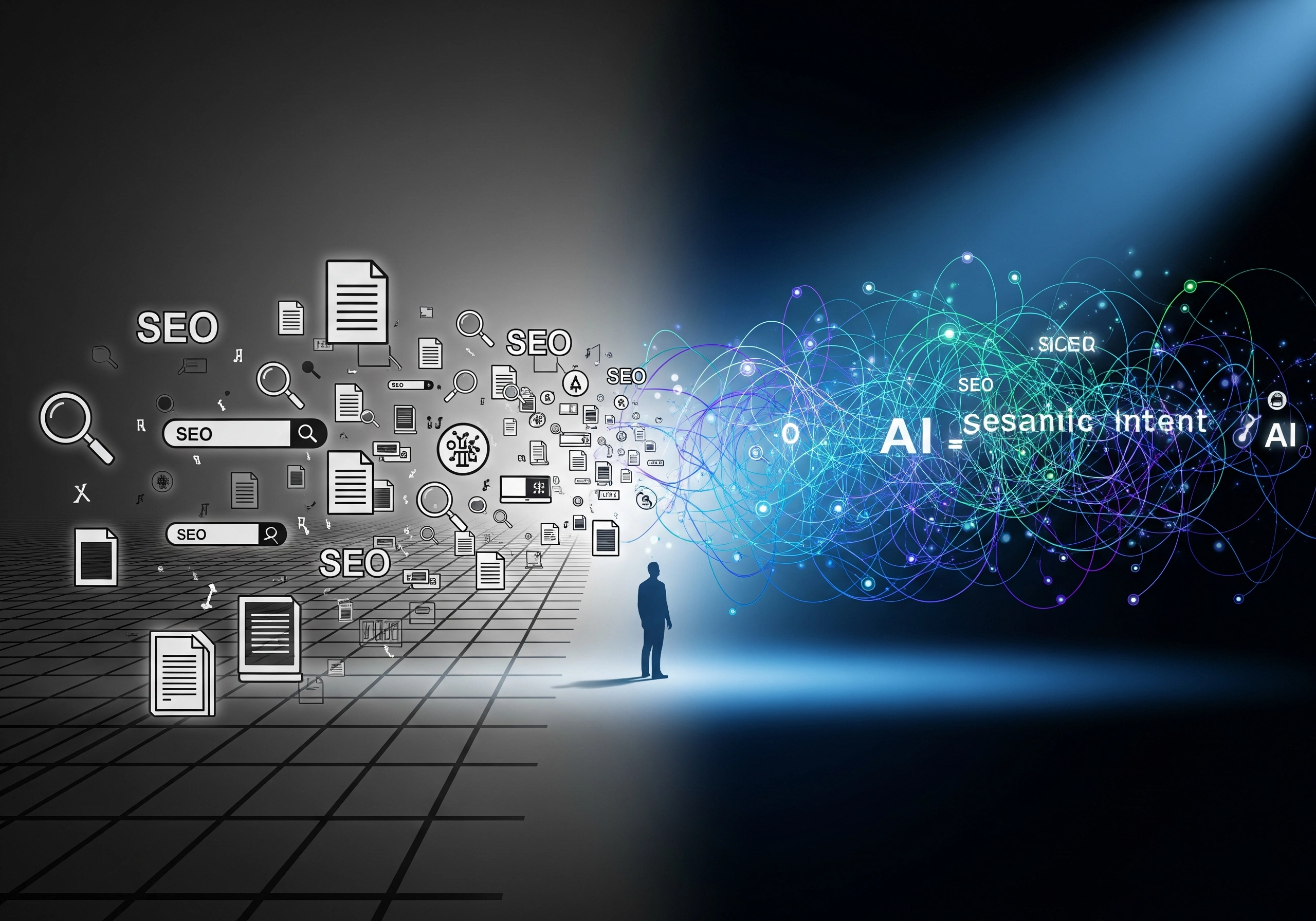
The landscape of search engine optimization (SEO) is undergoing a monumental transformation, moving beyond traditional keyword stuffing and basic link building. Today, we’re navigating an era where artificial intelligence (AI) isn’t just an accessory but the very engine driving search relevance. This seismic shift isn’t a distant forecast; it’s happening now, influencing an estimated $750 billion in US revenue by 2026, with over 75% of Google searches projected to feature AI summaries.
AI-powered SEO leverages machine learning, natural language processing (NLP), and advanced data analytics to automate, enhance, and scale virtually every aspect of SEO. It moves us from a reactive stance to a proactive, predictive approach. What was once a manual, painstaking process of deciphering algorithms is now augmented by systems that can process vast datasets and identify patterns far beyond human capabilities.
This immediate relevance stems from a critical change in how search engines operate and how users interact with them. Approximately 50% of consumers already use AI-powered search, often considering it their primary source for information and buying decisions. This means optimizing for AI Overviews and featured answers is paramount. Traditional SEO focused on keywords; AI SEO focuses on understanding the user’s intent, the semantic nuances of language, and the intricate relationships between entities.
The Shift from Traditional to Intelligent SEO
Historically, SEO was about matching keywords. Now, it’s about context, relevance, and authority. AI allows for a deeper understanding of search intent, helping content creators move beyond surface-level optimization. It enables us to detect ranking volatility in real-time and recommend precise entity relationships, ensuring content resonates with both human readers and sophisticated AI models.
AI-driven insights are no longer a luxury; they are a fundamental requirement for competitive visibility.
This is where AI SEO tools become indispensable. They offer the ability to analyze competitor content, perform intelligent keyword research, and optimize content for the complex demands of generative search. For instance, platforms like GenWrite automate the end-to-end blog creation process, ensuring content is not only high-quality but also deeply aligned with search engine guidelines and large language models (LLMs).
Why AI Matters for Future Rankings
Looking toward AI SEO Tools 2026, the focus intensifies on Generative Engine Optimization (GEO) and Answer Engine Optimization (AEO). Our goal is for content to be cited directly within AI summaries, making structured data and semantic optimization more critical than ever. Predictive SEO allows us to anticipate algorithm changes and adapt strategies before they impact rankings, offering a significant competitive advantage.
Embracing SEO AI tools isn’t merely about automation; it’s about strategic augmentation. It allows for scalable content creation and optimization, freeing up human experts to focus on creativity, brand voice, and niche depth that AI cannot replicate. To truly succeed, businesses need to leverage these tools to understand the evolving search landscape and maintain their competitive edge. To explore how these solutions are reshaping search, consider reading about the essential AI SEO software for 2026 rankings and how they can boost your rankings with top AI SEO tools for 2026. The future of search is intelligent, and our approach to SEO must reflect that reality.
How is AI Transforming Search Behavior and User Expectations?
The landscape of search is undergoing a profound transformation, fundamentally altering how users seek information and make decisions online. This seismic shift is driven by the rapid integration of artificial intelligence, which is not merely refining existing search capabilities but redefining them entirely.
The Rise of AI Overviews and Generative Search
Gone are the days when search results were primarily a list of blue links. Today, AI is at the forefront, introducing features like AI Overviews and generative search experiences. These intelligent summaries, often appearing at the top of search engine results pages (SERPs), synthesize information from multiple sources to provide direct answers.
By 2026, over 75% of Google searches are expected to feature these AI summaries, profoundly impacting visibility and user interaction.
This shift means that users no longer need to click through numerous links to find what they’re looking for. Instead, AI delivers concise, curated answers directly, streamlining the information-gathering process.
Shifting User Expectations and Behavior
With AI providing instant, comprehensive answers, user expectations have soared. We’ve moved from a ‘search-and-click’ mentality to an ‘ask-and-receive’ paradigm. This instant gratification has made AI-powered search an indispensable tool for many.
Indeed, approximately 50% of consumers currently use AI-powered search, with a significant majority considering it their primary source for internet searching and making buying decisions. They expect not just answers, but insights, often tailored to their specific queries, whether it’s finding the best product or understanding a complex topic.
From Keywords to Semantic Intent
This evolution necessitates a fundamental change in our approach to search engine optimization (SEO). Traditional keyword matching is no longer sufficient. The focus has shifted to understanding complex user intent, semantic relevance, and establishing deep topical authority. AI now interprets queries contextually, meaning content must be rich, comprehensive, and accurately address the underlying questions behind a user’s search.
Adapting with Advanced AI SEO Tools
For businesses and content creators, adapting to this new reality is not optional; it’s essential for survival and growth. This is where modern AI SEO Tools become invaluable. These tools leverage machine learning, natural language processing (NLP), and advanced data analytics to help us navigate the complexities of AI-driven search.
They go beyond basic keyword research, helping us optimize content specifically for AI Overviews and featured snippets. For instance, tools can analyze how AI synthesizes information, allowing us to structure our content to be more easily cited and summarized by AI.
The ability to optimize for AI citation is now a critical competitive advantage.
Platforms like GenWrite are designed precisely for this purpose, automating the end-to-end blog creation process, from researching keywords to ensuring content is optimized for AI-driven search engines and LLMs. This automation allows for scaled content production that remains highly relevant and authoritative.
Future-Proofing Content for Generative Search
The future of SEO lies in Generative Engine Optimization (GEO) and Answer Engine Optimization (AEO). This means crafting content that is not only discoverable by traditional search but also perfectly suited to be summarized and cited by AI. It involves a deeper understanding of entity relationships and the strategic use of structured data (schema markup).
To truly thrive, content creators need to choose the Best AI SEO Tool that supports predictive SEO, real-time SERP adaptation, and robust semantic and entity optimization. These capabilities ensure that our content doesn’t just rank, but genuinely answers user queries in the AI-powered ecosystem.
Understanding and leveraging the capabilities of AI SEO tools is no longer a luxury but a necessity for maintaining online visibility and competitive advantage in the rapidly evolving digital landscape. The consumer shift towards AI for information and buying decisions underscores the urgency for this strategic adaptation.
What Core Capabilities Define a Powerful AI SEO Tool?

The landscape of search engine optimization (SEO) has fundamentally shifted. In an era where AI influences a projected $750 billion in US revenue by 2026 and over 75% of Google searches are expected to feature AI summaries, the tools we use must evolve. Understanding the core capabilities that define powerful AI SEO tools isn’t just about efficiency; it’s about competitive survival. These aren’t mere upgrades to old software; they are sophisticated platforms leveraging machine learning (ML), natural language processing (NLP), and advanced data analytics to automate, enhance, and scale virtually every aspect of SEO.
The AI Foundation: Beyond Keywords
At the heart of any effective AI SEO tool lies its ability to process and interpret data at a scale and depth impossible for humans. Traditional SEO focused on keywords and backlinks. Modern AI SEO tools, however, delve deeper, analyzing user intent, semantic relevance, and topical authority. They move beyond simple keyword matching to understand the meaning behind a query, a critical factor for optimizing content for AI Overviews and generative search features.
Powerful AI SEO tools offer predictive insights, not just historical data.
Advanced Intent and Keyword Research
One of the paramount capabilities is their ability to conduct advanced keyword research and intent analysis. These tools don’t just list keywords; they identify semantic clusters, long-tail variations, and the underlying user intent for those queries. This includes analyzing SERP features, understanding question-based queries, and even predicting emerging trends. For instance, tools like GenWrite go beyond basic keyword analysis, helping users to research keywords and analyze competitor content to ensure robust topical coverage, aligning with how AI-powered search engines interpret information. This foresight is crucial for optimizing your content for future search algorithms.
Content Optimization for Generative AI
As AI Overviews become the norm, content optimization shifts from being keyword-stuffed to being factually accurate, comprehensively structured, and semantically rich. Top AI SEO tools excel here by:
- Analyzing existing content: They identify gaps, suggest entity relationships, and recommend semantic enhancements to boost topical authority.
- Optimizing for AI Summaries: They provide insights into how content might be summarized by generative AI, guiding revisions to ensure your information is cited accurately and prominently.
- Schema Markup Generation: Automatically suggesting and generating structured data (schema markup) ensures your content is easily digestible and interpretable by AI systems, a non-negotiable for Answer Engine Optimization (AEO).
Technical SEO Automation and Auditing
While content is king, technical foundations are the kingdom. AI SEO platforms automate complex technical audits, identifying issues like crawl errors, broken links, site speed problems, and core web vital deviations. They can even suggest code-level optimizations and automate schema integration, freeing up valuable developer time. This proactive approach ensures your website remains healthy and accessible to both users and search engine crawlers.
Predictive Analytics and Real-Time Adaptability
The SEO landscape is constantly shifting, with algorithm updates and SERP changes occurring regularly. Top AI SEO tools offer predictive analytics, allowing marketers to anticipate ranking volatility and adapt strategies in real time. They monitor competitor movements, track algorithm shifts, and provide actionable recommendations to maintain or improve rankings. This continuous feedback loop is vital for staying ahead in a dynamic environment.
Scalable Content Generation and Refinement
Perhaps one of the most transformative capabilities is the ability to generate and refine high-quality, SEO-optimized content at scale. Tools like GenWrite streamline the entire content workflow, from initial keyword research and competitor analysis to drafting, optimizing, and even publishing blog posts. This automation allows businesses to significantly increase their content output while maintaining high standards for SEO and readability. Our platform, for example, focuses on producing high-quality, SEO-friendly content that aligns with search engine guidelines and LLMs, making it a powerful AI blog generator for businesses aiming to boost organic traffic. You can learn more about how these solutions are shaping the future of search in articles like “Optimizing Search: The Top AI SEO Solutions for 2026” and “Which AI SEO Tools Offer the Strongest Boost to Your 2026 Search Rankings?”
The best AI SEO tools merge automation with strategic insight, creating a powerful synergy.
By integrating these core capabilities, SEO AI tools transform the arduous, often manual, tasks of SEO into a streamlined, data-driven process. They empower marketers to not just keep pace with the evolving search landscape but to lead the charge, ensuring their content ranks prominently in an increasingly AI-powered world.
Can AI Tools Really Automate My SEO Workflow and Boost Efficiency?
The question isn’t whether AI can automate SEO workflows, but rather how extensively it already does. In an evolving search landscape where AI influences an estimated $750 billion in US revenue by 2026, leveraging automation isn’t just an advantage—it’s a necessity. Modern Online AI SEO Tools are fundamentally reshaping how we approach search engine optimization, moving beyond manual, time-consuming tasks to intelligent, data-driven processes.
The Shift from Manual to Automated SEO
Historically, SEO was a labor-intensive endeavor, requiring extensive manual research, content creation, and technical auditing. Today, AI SEO Tools powered by machine learning (ML), natural language processing (NLP), and advanced data analytics are automating these processes, enhancing precision, and scaling efforts previously unimaginable. This shift allows SEO professionals to focus on strategy and creativity, rather than repetitive execution.
AI tools are not replacing human insight but augmenting it, allowing for unprecedented efficiency.
Core SEO Tasks Revolutionized by AI
AI’s impact spans across the entire SEO spectrum, streamlining operations and boosting efficiency in several key areas:
Intelligent Keyword Research and Intent Analysis
One of the most significant advancements is in understanding search intent. A sophisticated AI SEO Tool no longer just identifies keywords; it deciphers the underlying user intent, semantic relationships, and topical authority. This means moving past simple keyword matching to optimizing for how users actually think and query, especially with over 75% of Google searches expected to feature AI summaries. Tools can analyze vast datasets to uncover emerging trends and AI keyword research opportunities, predicting ranking volatility and recommending entity relationships.
Scalable Content Creation and Optimization
Content generation is where AI truly shines in automation. Platforms like GenWrite exemplify this by automating the end-to-end blog creation process. This includes researching keywords, analyzing competitor content, crafting SEO-optimized drafts, adding relevant links, and even integrating images. By providing AI blog generator capabilities, these tools ensure content is not only high-quality but also aligns with search engine guidelines and Large Language Models (LLMs). This capability is crucial for optimizing content for AI Overviews and featured answers, a growing imperative as approximately 50% of consumers now use AI-powered search as their primary source.
Proactive Technical SEO Audits
Technical SEO can be a labyrinth of audits and adjustments. AI simplifies this by autonomously scanning websites for issues like broken links, slow loading times, schema markup errors, and mobile unfriendliness. These AI SEO Tools don’t just report problems; they often provide actionable recommendations for remediation, dramatically cutting down the time spent on diagnostics and ensuring SEO optimization remains robust.
In-depth Competitor Analysis
Understanding the competitive landscape is vital. AI tools can analyze competitor strategies, identify their top-performing content, backlink profiles, and keyword gaps at a scale no human team could match. This competitor analysis gives businesses a distinct edge, allowing them to adapt quickly and strategically position their content for maximum impact. To see how these tools compare, explore Optimizing Search: The Top AI SEO Solutions for 2026.
The Efficiency Dividend: Time and Resource Savings
The automation provided by Online AI SEO Tools directly translates into substantial time and resource savings. Tasks that once took hours or even days can now be completed in minutes, freeing up valuable human capital. This efficiency allows teams to produce more content, conduct more analyses, and react faster to algorithm changes, ultimately leading to greater organic reach and increased website traffic. For businesses looking to accelerate their growth, leveraging an AI SEO Tool can offer a significant boost to search rankings.
While AI handles the heavy lifting of data processing and content generation, the human element remains paramount for strategic oversight, brand voice, and niche expertise. A suggested 70/30 split—70% AI optimization and 30% human touch—ensures authenticity and creativity GenWrite embodies this philosophy, aiming to provide high-quality, SEO-friendly content that aligns with search engine guidelines and LLMs, streamlining your content creation process. You can learn more about our comprehensive platform at genwrite.co.
By embracing AI, businesses aren’t just automating tasks; they’re future-proofing their SEO strategy and achieving unprecedented levels of efficiency.
Which Key Features Should You Look for in an AI SEO Platform?

Navigating the rapidly evolving landscape of AI-powered search means selecting the right tools is paramount. With an increasing number of AI SEO solutions on the market, understanding the critical features that distinguish a truly effective platform from the rest becomes essential. It’s no longer just about automating tasks; it’s about strategic advantage in an AI-dominated SERP.
Prioritizing Advanced Intent Matching and NLP Scoring
The foundation of any truly powerful AI SEO tool in 2026 is its ability to deeply understand user intent. Traditional keyword matching is a relic; today, it’s about semantic relevance. Look for platforms that leverage advanced Natural Language Processing (NLP) to go beyond surface-level keywords, analyzing the underlying meaning and context of search queries.
The best AI SEO tools decode the ‘why’ behind a search, not just the ‘what’.
These capabilities allow an AI SEO tool to identify comprehensive topical clusters and content gaps that resonate with both human users and AI Overviews. A robust platform should offer clear NLP scoring, guiding you to optimize content for not just keywords, but for entities and concepts that truly fulfill user needs. This is critical for generating content that Google’s Language Models (LLMs) will favor and cite.
AI Visibility Monitoring and Predictive Analytics
As AI-powered search features like AI Overviews become ubiquitous, monitoring your content’s visibility shifts dramatically. The top AI SEO tools offer more than just traditional rank tracking; they provide insights into how your content is being interpreted and summarized by generative AI. This includes features that predict ranking volatility and identify opportunities for your content to be featured in AI summaries.
Platforms that can track generative engine optimization (GEO) and answer engine optimization (AEO) performance are indispensable. They help you understand how well your content is positioned to answer direct questions and contribute to AI-generated summaries, a key differentiator in the current search climate.
Comprehensive Crawl Depth and Technical SEO Insights
Even the most brilliant content won’t rank if technical barriers impede search engine crawlers or AI systems. A leading AI SEO tool must demonstrate exceptional crawl depth, meticulously analyzing every aspect of your site’s technical health. This goes beyond basic broken links; it means identifying issues that affect how AI understands and indexes your content, such as schema markup errors or content accessibility.
Technical SEO forms the bedrock upon which AI content optimization truly shines.
Look for tools that automate the identification of critical technical issues and provide actionable recommendations, especially concerning structured data. Clean, well-structured data is paramount for enabling AI to accurately parse and utilize your content, making it eligible for rich results and AI-driven features.
Seamless Integrations and Workflow Automation
Efficiency is the hallmark of modern SEO. The best AI SEO tools don’t operate in a vacuum; they integrate seamlessly with your existing tech stack. This includes connecting with Content Management Systems (CMS) like WordPress, analytics platforms, and other marketing tools. The goal is to create a streamlined workflow that minimizes manual intervention.
For instance, platforms like GenWrite automate the end-to-end blog creation process, from keyword research and competitor analysis to content generation and WordPress auto-posting. Such integrations are crucial for scaling your content efforts and ensuring consistency without juggling multiple disconnected systems.
Human-in-the-Loop Editing and Customization
While AI offers incredible automation, the human element remains irreplaceable. The most effective AI SEO platforms understand this balance, offering robust human-in-the-loop editing capabilities. This allows you to refine AI-generated content, inject brand voice, ensure factual accuracy, and add nuanced insights that only human expertise can provide.
AI augments human creativity; it doesn’t replace it.
Prioritize tools that make it easy to collaborate with AI, offering flexible editing interfaces and options to customize output. This ensures that while AI handles the heavy lifting of optimization and research, your content retains its authentic voice and authority, providing high-quality, SEO-friendly content that truly stands out.
How Do AI SEO Tools Tackle Content Optimization for Generative Search?
The emergence of generative search, spearheaded by AI Overviews and featured snippets, has fundamentally reshaped how content achieves visibility. By 2026, AI-powered search is projected to influence $750 billion in US revenue, with over 75% of Google searches expected to feature AI summaries. This seismic shift means content optimization is no longer just about ranking; it’s about being understood and cited by AI itself. AI SEO Tools 2026 are engineered precisely for this new frontier.
Deciphering Semantic & Entity Relevance
Traditional SEO focused heavily on keywords, but generative AI demands a deeper understanding: semantics and entities. Modern SEO AI Tools analyze content not just for keyword density, but for the relationships between concepts and named entities within the text. They identify topical gaps and suggest comprehensive coverage that signals deep expertise to AI models.
These tools leverage natural language processing (NLP) to map out semantic networks, ensuring your content thoroughly addresses user intent from multiple angles. This approach helps build topical authority, making your content a more credible source for AI Overviews.
Structuring Data for Machine Readability
For content to be readily consumed and summarized by AI, it must be highly structured. Structured data, or schema markup, acts as a universal translator, providing explicit clues to search engines and AI models about the nature of your content. AI SEO tools play a crucial role in simplifying this complex process.
They guide users in implementing appropriate schema types—like Article, FAQPage, or HowTo—to highlight key information. This ensures that essential data points are easily extractable, increasing the likelihood of your content appearing in featured snippets or AI summaries. Proper schema implementation is non-negotiable for AI visibility.
Crafting Citation-Worthy Content
Ultimately, the goal is to produce content so authoritative and relevant that AI models choose to cite it directly in their generative responses. This requires a shift from merely answering a query to providing comprehensive, nuanced insights that AI trusts. Online AI SEO Tools assist by analyzing top-ranking content for a given topic, identifying patterns, and suggesting improvements.
Tools like GenWrite, an AI blog generator, excel in this domain by automating content creation with a strong focus on SEO optimization. It researches keywords, analyzes competitor content, and helps structure articles for maximum impact. This allows content creators to maintain the crucial 70/30 split, where AI optimizes the structure and semantic depth, leaving human experts to infuse unique insights and brand voice.
Real-time Adaptation for Generative Engine Optimization (GEO)
The landscape of generative search is dynamic, with AI models constantly evolving. AI SEO Tools offer predictive analytics and real-time monitoring capabilities to adapt to these changes. They track how AI Overviews are summarizing content and identify opportunities for optimization.
This proactive approach is vital for Generative Engine Optimization (GEO) and Answer Engine Optimization (AEO), ensuring your content remains visible as AI search capabilities advance. The ability to quickly iterate and refine content based on AI’s evolving understanding is a significant competitive advantage.
The Best AI SEO Tools in 2026: Comparative Analysis & Reviews
In 2026, navigating the rapidly evolving search engine landscape requires more than traditional optimization tactics. As generative search engines redefine how users find information, integrating the best ai seo tools into your workflow is no longer optional—it is a necessity for maintaining organic visibility. To help you navigate these algorithmic shifts, we have curated a comprehensive review of the leading ai seo tools designed to automate workflow efficiency, scale content generation, and secure top-tier rankings. Utilizing the right ai seo tools ensures your business remains competitive in an AI-first search environment.
Comparing the Top AI SEO Tools: Features, Pricing, and Use Cases
Selecting the right technology stack is critical for achieving sustainable growth. The comparison table below details how these top-performing platforms specialize across key optimization categories, features, and pricing tiers to help you choose the right fit for your business:
| Tool / Platform | Core Features | Pricing | Ideal Use Case |
|---|---|---|---|
| GenWrite | Fully autonomous blog generation, automated internal linking, WordPress integration, semantic content optimization | Starts at $49/month | Scaling high-quality, SEO-optimized blog content autonomously |
| Surfer SEO | Real-time NLP guidelines, semantic analysis, entity optimization, content editor | Starts at $89/month | Fine-tuning articles to match search intent and AI Overview criteria |
| Ahrefs / Semrush | Predictive keyword research, search intent analysis, competitor tracking, backlink analytics | Starts at $129/month | Advanced strategy, trend forecasting, and backlink analysis |
| Alli AI | Real-time on-page code optimization, automated schema markup, instant technical SEO audits | Starts at $249/month | Managing technical SEO across large-scale websites |
GenWrite: Leading the Best AI SEO Tools for Autonomous Scaling
GenWrite is a next-generation blogging agent designed to handle the entire lifecycle of content creation autonomously. By deploying automated on-page SEO writing, marketing teams can scale high-quality, search-optimized articles without manual drafting bottlenecks. It stands out among modern platforms for its ability to connect strategy directly to execution, cementing its status as one of the best ai seo tools for automated growth.
- Key Features: Fully autonomous keyword research, writing, and internal linking.
- Ideal Use Case: Scaling high-volume, optimized blog content with minimal human intervention.
- Pricing: Starts at $49/month.
- Pros:
- Seamless WordPress integration and automated publishing.
- Features an advanced seo content optimization tool to align with search intent.
- Significant reduction in content production costs.
- Cons:
- Requires initial brand voice training for highly niche industries.
Surfer SEO: High-Performance AI SEO Tools for Semantic Optimization
Surfer SEO remains an industry standard for aligning content with complex search engine algorithms and generative AI guidelines. It analyzes real-time SERP data to provide actionable semantic recommendations, making it one of the top ai seo tools for content editors who want granular control over their on-page signals.
- Key Features: Precise NLP keyword suggestions, real-time content scoring, and structural recommendations.
- Ideal Use Case: Fine-tuning existing articles and new drafts to match AI Overview ranking criteria.
- Pricing: Starts at $89/month.
- Pros:
- Highly accurate semantic keyword mapping.
- Robust integration with Google Docs, Jasper, and major CMS platforms.
- Cons:
- Primarily focused on on-page optimization rather than full site automation.
Ahrefs / Semrush: Essential AI SEO Tools for Market Intelligence
These legacy platforms have integrated powerful machine learning models to transition from historical data reporting to predictive forecasting, making them essential ai seo tools for strategic planning and competitive intelligence.
- Key Features: Predictive keyword research, search intent analysis, competitor tracking, and backlink analytics.
- Ideal Use Case: Advanced competitor analysis, trend forecasting, and backlink strategy development.
- Pricing: Starts at $129/month.
- Pros:
- Unmatched database size for keywords and backlink profiles.
- Predictive analytics to anticipate ranking volatility and algorithmic shifts.
- Cons:
- Steep learning curve and higher pricing tiers for advanced enterprise features.
Alli AI: Advanced Best AI SEO Tools for Technical Automation
Alli AI simplifies complex technical tasks by automating on-page code modifications and schema deployment directly through its cloud-based dashboard. It is an invaluable addition to any enterprise-level suite of the best ai seo tools.
- Key Features: Real-time on-page code optimization, automated schema markup, instant technical SEO audits.
- Ideal Use Case: Managing large-scale technical SEO audits and instant on-page fixes.
- Pricing: Starts at $249/month.
- Pros:
- No-code implementation of structured data, meta-tags, and robots directives.
- Real-time site speed and crawlability optimizations.
- Cons:
- Does not offer native content generation or deep keyword discovery tools.
Do I Still Need Human Creativity and Expertise in an AI-Driven SEO World?
The rapid ascent of AI SEO Tools might lead some to believe that human input is becoming obsolete. However, this couldn’t be further from the truth. While AI undeniably automates and optimizes processes at an unprecedented scale, the unique blend of human creativity, strategic insight, and authentic voice remains not just relevant, but absolutely critical for sustained success in 2026 and beyond.
The Indispensable Human Touch in a Data-Driven World
AI excels at processing vast datasets, identifying patterns, and executing tasks with incredible efficiency. SEO AI Tools can perform advanced keyword research, analyze competitor content, and even draft initial content outlines. Yet, these capabilities are primarily analytical and generative based on existing data. They lack the nuanced understanding of human emotion, cultural context, and the ability to forge truly original, compelling narratives.
True creativity and strategic foresight are uniquely human attributes.
Think of it as a sophisticated partnership. AI acts as an incredibly powerful engine, while human expertise provides the steering, the destination, and the unique flair. For instance, GenWrite automates the end-to-end blog creation process, handling keyword research, content structure, and even internal linking. This frees up human content strategists to focus on the higher-level, creative work that AI cannot replicate.
Where Human Expertise Outshines AI
Even with the most advanced AI SEO Tool, there are distinct areas where human intervention is not just preferred, but essential:
- Strategic Direction & Vision: AI can optimize for current trends, but humans set the overarching business goals, define brand identity, and anticipate future market shifts. This includes understanding the long-term impact of content on brand perception and customer loyalty.
- Originality & Narrative Crafting: While AI can generate text, it cannot invent a truly unique story, articulate a distinct brand voice, or inject the emotional resonance that captivates an audience. Crafting authentic, engaging content that truly connects requires human empathy and imagination.
- Niche Depth & Nuance: AI struggles with highly specific, evolving, or abstract concepts that require deep domain expertise. Human experts can delve into niche topics, offer proprietary insights, and provide a level of authoritative detail that AI, synthesizing from existing data, often misses.
- Ethical Oversight & Brand Integrity: Ensuring content aligns with brand values, ethical guidelines, and legal considerations is a human responsibility. AI doesn’t possess moral judgment or an inherent understanding of corporate social responsibility.
- Adaptability to Unforeseen Changes: While AI models learn, they are reactive. Humans possess the proactive ability to adapt to entirely new search algorithm shifts, emergent cultural phenomena, or unexpected market disruptions with innovative solutions.
The Synergy: AI Augmenting Human Brilliance
The most effective approach isn’t a choice between AI or human, but rather AI and human. The goal is to leverage AI for what it does best—automation, data analysis, and efficiency—while reserving human talent for strategic thinking, creative storytelling, and building genuine connections. We’re moving towards a model where AI handles the heavy lifting of SEO optimization, allowing human experts to elevate content quality and impact. This strategic allocation often translates to an optimal 70/30 split between AI optimization and human touch, ensuring both efficiency and authenticity.
By embracing AI SEO Tools like GenWrite for the tactical aspects, professionals can dedicate more time to crafting the compelling, human-centric narratives that truly differentiate a brand and resonate with audiences, even as AI summaries become commonplace in search results.
How Can You Integrate AI Tools to Build Your Optimal SEO Stack?

In the rapidly evolving landscape of 2026, where AI summaries dominate search results and user expectations are higher than ever, a fragmented approach to SEO tools simply won’t suffice. The challenge isn’t merely adopting individual AI tools, but strategically integrating them into a cohesive, powerful SEO stack. This shift from disparate solutions to a unified ecosystem is critical for maintaining competitive advantage and adapting to AI-first search.
Why an Integrated AI SEO Stack is Your 2026 Imperative
Traditional SEO often involved a collection of standalone tools, each excelling in its niche but operating in isolation. This led to data silos, manual transfers, and missed opportunities for cross-tool intelligence. However, with the advent of advanced Online AI SEO Tools, the paradigm has shifted.
An integrated stack ensures your SEO efforts are synchronized, data-driven, and truly predictive.
By leveraging the collective power of various AI solutions, you move beyond reactive optimization. You gain a holistic view of your digital presence, enabling proactive adjustments to content strategies, technical improvements, and reporting. This synergy is what defines the Best AI SEO Tools approach for the future.
Core Pillars of an Optimal AI SEO Toolkit
Building an effective AI SEO stack involves carefully selecting tools that complement each other across key SEO domains. These aren’t just individual tools; they represent categories of functionality that, when combined, create a robust system.
1. Research & Strategy
- AI-Powered Keyword & Intent Research: Tools that go beyond keyword volume to analyze semantic intent, topic clusters, and emerging trends based on predictive AI. They help uncover the nuances of what users really want to know, critical for content cited in AI Overviews.
- Competitor Analysis: AI that not only identifies competitors but dissects their content strategies, backlink profiles, and SERP features, offering actionable insights for your own approach.
2. Content Creation & Optimization
- AI Content Generators: Platforms like GenWrite are central here. They automate the end-to-end blog creation process, from researching keywords and analyzing competitor content to drafting SEO-optimized articles, adding relevant links and images, and even auto-publishing. This frees up human experts for strategic oversight.
- Content Optimization Suites: AI tools that score content for readability, sentiment, entity relevance, and NLP (Natural Language Processing) signals, ensuring it’s optimized for both human readers and AI models.
3. Technical SEO & Performance Monitoring
- AI-Driven Auditing: Tools that crawl your site, identify technical issues (e.g., crawlability, indexability, core web vitals), and recommend precise fixes, often with predictive capabilities to foresee future problems.
- SERP & Ranking Trackers: AI that monitors your rankings across various search engines, including generative AI features, and alerts you to volatility or opportunities.
4. Reporting & Analytics
- Unified Dashboards: AI-powered platforms that aggregate data from all your tools, offering real-time insights, custom reports, and actionable recommendations based on machine learning. This consolidates performance metrics, revealing patterns that human analysis might miss.
Integrating for Synergy: The GenWrite Example
Consider how an AI blog generator like GenWrite fits into this ecosystem. While your research tools identify high-potential semantic clusters, GenWrite leverages that insight to produce high-quality, SEO-friendly content at scale. It acts as the bridge between your research and your published content, ensuring that your articles are not only keyword-rich but also aligned with search engine guidelines and optimized for LLMs.
GenWrite automates content creation, allowing your team to focus on strategic refinement and creative direction.
This seamless integration means less manual effort in content production and more time for strategic thinking—a crucial aspect for success with AI SEO Tools 2026.
For a deeper dive into content automation and how it can transform your workflow, explore how GenWrite can become a cornerstone of your content strategy.
Quick Recommendations for a Foundational AI SEO Stack
To begin building your optimal stack, consider these foundational elements:
- A Robust Research Platform: An all-in-one AI-driven suite for keyword, competitor, and topical analysis.
- An AI Content Creation Engine: A tool like GenWrite for efficient, SEO-optimized content production and automation.
- A Technical SEO Auditor: An AI-powered solution to maintain site health and identify critical improvements.
- A Performance Analytics Hub: A dashboard that consolidates data and provides AI-driven insights for ongoing optimization.
By carefully selecting and integrating these components, you move closer to a truly optimized, future-proof SEO strategy.
What Future Trends Will Shape AI SEO Beyond 2026?
The landscape of search engine optimization is never static, but the pace of change driven by artificial intelligence is accelerating beyond anything we’ve seen before. While 2026 marks a significant milestone with AI influencing a vast portion of revenue and search queries, it’s merely a launchpad for even more profound transformations. Looking beyond, we anticipate a future where AI SEO tools will not just enhance, but fundamentally redefine how brands achieve visibility.
The Rise of Generative Engine Optimization (GEO) and AEO
Beyond 2026, the focus will intensify on Generative Engine Optimization (GEO) and Answer Engine Optimization (AEO). It’s no longer enough to rank highly on a traditional list of ten blue links. Instead, the goal shifts to becoming the authoritative source cited in AI Overviews and summarized answers.
This means crafting content that is not only semantically rich but also highly precise and directly answers user queries with factual accuracy. Our approach at GenWrite is already geared towards this, ensuring content is structured for optimal understanding by large language models (LLMs) and search algorithms alike. The future demands content that LLMs can easily parse, synthesize, and present as a definitive answer.
Content designed for citation will outperform content designed purely for clicks.
Predictive SEO: Anticipating the Algorithm
Reactive SEO, where we scramble to adapt after an algorithm update, will become a relic of the past. The next wave of AI SEO Tools 2026 and beyond will be characterized by advanced predictive capabilities. These tools will leverage vast datasets and machine learning to forecast algorithm shifts, identify emerging user intent patterns, and anticipate competitive moves before they happen.
Imagine a system that not only tells you what’s currently ranking but predicts why and how future changes will impact your visibility. This proactive stance allows for continuous optimization, enabling brands to maintain dominance rather than constantly playing catch-up. This is the essence of smart, future-proof SEO.
Real-time SERP Adaptation and Dynamic Content
The current latency between content creation, indexing, and ranking will shrink dramatically. Future SEO AI Tools will enable real-time SERP adaptation, where content can be dynamically adjusted based on live user engagement signals, instant competitor movements, and emerging search trends. This isn’t just about fast indexing; it’s about dynamic content modification.
Consider a scenario where your content automatically optimizes its presentation, calls to action, or even specific paragraphs based on how users are interacting with AI-generated summaries or direct answers. This level of agility is critical for maintaining relevance in an increasingly fluid search environment. Brands that master this will hold a distinct advantage.
LLM SEO Analysis for Enhanced Brand Visibility
Large Language Models will play an increasingly central role in evaluating brand visibility beyond keywords and backlinks. They will analyze content not just for semantic relevance but for brand sentiment, entity relationships, and topical authority across the entire web. This deep understanding will determine how a brand is perceived and cited by other LLMs and, consequently, by users.
Our focus at GenWrite is on creating content that aligns with search engine guidelines and LLMs, ensuring your brand’s narrative is consistently strong and authoritative. For more insights on how we approach this, explore our comprehensive guide on SEO optimization for blogs. The ability of LLMs to synthesize nuanced information will make them the ultimate arbiters of brand reputation within the search ecosystem.
Looking ahead, AI SEO is shifting from mere optimization to strategic foresight and dynamic adaptation. Success will hinge on leveraging intelligent systems to not just understand the present, but to actively shape the future of your brand’s digital presence.
How to Strategically Adopt and Master AI SEO for Competitive Advantage?

Mastering AI SEO isn’t just about integrating the latest AI SEO Tool into your workflow; it’s about a fundamental shift in strategy. As we navigate a landscape where over 75% of Google searches are projected to feature AI summaries by 2026, a reactive approach simply won’t suffice. Competitive advantage now hinges on proactive adoption, continuous learning, and a deep understanding of how these powerful tools truly function.
Strategic Adoption: Beyond the Hype
Simply adding Online AI SEO Tools to your toolkit without a clear strategy is like buying a high-performance car and never learning to drive it properly. The true value emerges when you align AI capabilities with specific business objectives and iterate relentlessly. My experience building GenWrite has shown me that the most successful adopters view AI as an augmentation, not a replacement.
1. Define Your Core Problems, Not Just Features
Before evaluating the myriad of Top AI SEO Tools, clearly articulate the specific SEO challenges you aim to solve. Are you struggling with scaling content production, identifying niche long-tail keywords, or optimizing for generative AI summaries? Understanding the “why” drives effective tool selection.
AI SEO tools should be problem-solvers, not just feature showcases.
For instance, if your goal is to scale high-quality, SEO-optimized blog content, an AI blog generator like GenWrite offers a comprehensive solution, automating keyword research, content creation, and optimization.
2. Understand Tool Methodologies and Limitations
Every AI SEO Tool operates on distinct algorithms and data sets. Delve deeper than surface-level features; understand how a tool performs its analysis, identifies trends, or generates content. This insight allows you to interpret its recommendations more accurately and identify potential biases or gaps.
- For content tools: How does it assess semantic relevance or optimize for AI Overviews?
- For research tools: What data sources does it pull from to identify ranking volatility?
This deeper understanding prevents blind application and fosters true mastery.
3. Implement a Continuous Testing and Iteration Cycle
The AI SEO landscape is dynamic, with algorithm updates and new generative search features emerging constantly. Your strategy must be agile.
- Test: Implement AI-driven recommendations or content.
- Measure: Analyze performance against your KPIs (e.g., traffic, rankings, AI overview citations).
- Learn: Understand why certain strategies succeeded or failed.
- Adapt: Refine your approach and tool usage.
This iterative feedback loop is crucial for staying ahead.
Mastering AI SEO: A Human-Augmented Approach
While AI automates tasks, human expertise remains the linchpin of mastery. The goal isn’t full automation, but intelligent content automation that frees up human strategists for higher-level thinking.
Human Oversight in Action
- Strategic Refinement: Humans interpret AI-generated insights, applying brand voice and market nuance that AI struggles to replicate.
- Ethical Considerations: Ensuring AI-generated content aligns with ethical guidelines and avoids misinformation.
- Creative Storytelling: Injecting the unique human element that builds genuine connection and authority.
We’ve observed that a synergistic approach, where AI handles the heavy lifting of data analysis and content generation, and humans provide the strategic direction and creative polish, yields the best results. This allows businesses to achieve significant SEO optimization and increase website traffic by creating high-quality, SEO-friendly content that aligns with search engine guidelines and LLMs, as we empower our users at GenWrite.
Adopting and mastering AI SEO requires a strategic mindset focused on problem-solving, understanding tool mechanics, and a continuous cycle of testing and iteration, always augmented by human insight and creativity.
Ready to Transform Your Rankings? Your Next Steps with AI SEO.
The landscape of search has irrevocably shifted. What was once a gradual evolution has become a rapid transformation, driven by artificial intelligence. We’ve explored how AI now dictates search behavior, reshapes user expectations, and underpins the very capabilities of cutting-edge SEO tools. The message is clear: AI isn’t just an advantage; it’s the new baseline for visibility.
Embracing the AI-Driven SEO Imperative
Your journey to dominating search rankings in 2026 hinges on a fundamental shift in strategy. The days of keyword stuffing and generic content are long gone. Now, it’s about semantic relevance, deep intent understanding, and optimizing for AI Overviews and generative search features. We’ve seen that approximately 50% of consumers already use AI-powered search, with over 75% of Google searches projected to feature AI summaries by 2026. This isn’t a future trend; it’s our present reality demanding immediate action.
Investing in the right AI SEO Tools is no longer a luxury but a strategic imperative. These platforms, powered by machine learning and natural language processing, automate complex tasks, uncover hidden insights, and scale your efforts in ways traditional methods simply cannot.
Your Strategic Path Forward
So, how do you move from understanding to implementation? The path involves a structured approach, blending AI’s efficiency with human strategic oversight.
-
Audit Your Current SEO Stack: Begin by evaluating where your current tools fall short in an AI-first world. Are they equipped for Generative Engine Optimization (GEO) or understanding entity relationships? This initial assessment highlights the gaps AI can fill.
-
Prioritize AI Tool Categories: Based on your audit, identify the most pressing needs. Do you require advanced content optimization for generative search? Better intent analysis? Or perhaps automation for technical SEO? This helps narrow down the vast array of Best AI SEO Tools available.
-
Start Small, Scale Smart: Implement AI tools in pilot projects. For instance, use an AI blog generator to test content creation at scale, focusing on a specific niche or content cluster. Measure the impact on traffic, engagement, and most importantly, your presence in AI summaries.
-
Integrate Human Expertise: Remember, AI augments, it doesn’t replace. A 70/30 split, where AI handles optimization and data processing, and human experts provide strategic direction, creative flair, and brand voice, often yields the best results. Your unique human insights are critical for authentic, engaging content.
The synergistic blend of AI automation and human creativity is the bedrock of future SEO success.
The Future is Now: Act on AI SEO Tools 2026
The time to act is now. The businesses that adapt swiftly to this AI-driven paradigm will be the ones that capture market share and dominate search results. For those ready to dive deep into automated, SEO-optimized content creation, tools like GenWrite offer a comprehensive solution. This platform automates the end-to-end blog creation process, from keyword research and competitor analysis to content optimization and auto-publishing, ensuring your content aligns with current search engine guidelines and LLMs. By leveraging such AI SEO Tools 2026, you’re not just keeping up; you’re setting the pace.
Don’t let your competitors define the future of search for your brand. Take these next steps to strategically adopt and master AI SEO, transforming your rankings and securing your digital footprint for years to come. The opportunity to reshape your organic reach is here.
Ready to dominate AI-driven search? Explore how GenWrite can automate your SEO workflow and elevate your rankings with cutting-edge AI tools.
Frequently Asked Questions about AI SEO Tools
What exactly are AI SEO tools and how do they differ from traditional SEO?
AI SEO tools use machine learning, natural language processing (NLP), and data analytics to automate and enhance SEO tasks. Unlike traditional methods that focus heavily on keywords, AI tools understand user intent, semantic relevance, and can even predict search trends, optimizing content for AI Overviews and featured answers.
Why are AI SEO tools crucial for achieving smart search rankings in 2026?
By 2026, AI is projected to significantly influence search revenue and dominate search results with AI summaries. AI SEO tools are essential for adapting to this shift, ensuring your content is discoverable and cited in generative search features, thereby securing your online visibility.
Can AI SEO tools help optimize content for generative AI features like Google’s AI Overviews?
Yes, AI SEO tools are specifically designed to tackle this challenge. They analyze content for semantic relevance, entity relationships, and topical authority, helping to craft content that is more likely to be summarized and featured in AI Overviews and other generative search results.
Which core capabilities should I look for in a powerful AI SEO tool?
Key capabilities include advanced intent analysis, NLP scoring for content quality, AI visibility monitoring, crawl depth analysis, seamless integrations with other platforms, and robust human-in-the-loop editing features for maintaining brand voice and accuracy.
Will AI SEO tools replace the need for human SEO experts?
No, human creativity, strategic thinking, and expertise remain crucial. AI SEO tools automate repetitive tasks, provide data-driven insights, and enhance efficiency, but humans are needed for strategic direction, originality, emotional connection, and nuanced interpretation of results.
How can AI SEO tools help with keyword research and content creation?
AI tools can perform more sophisticated keyword research by identifying semantic relationships and user intent beyond simple keywords. They can also assist in content creation by generating outlines, suggesting topics, optimizing existing content for AI features, and even drafting content sections, significantly boosting efficiency.