Your First Steps into AI Blogging: Crafting Website Content with Artificial Intelligence
Are You Ready to Supercharge Your Content with AI?
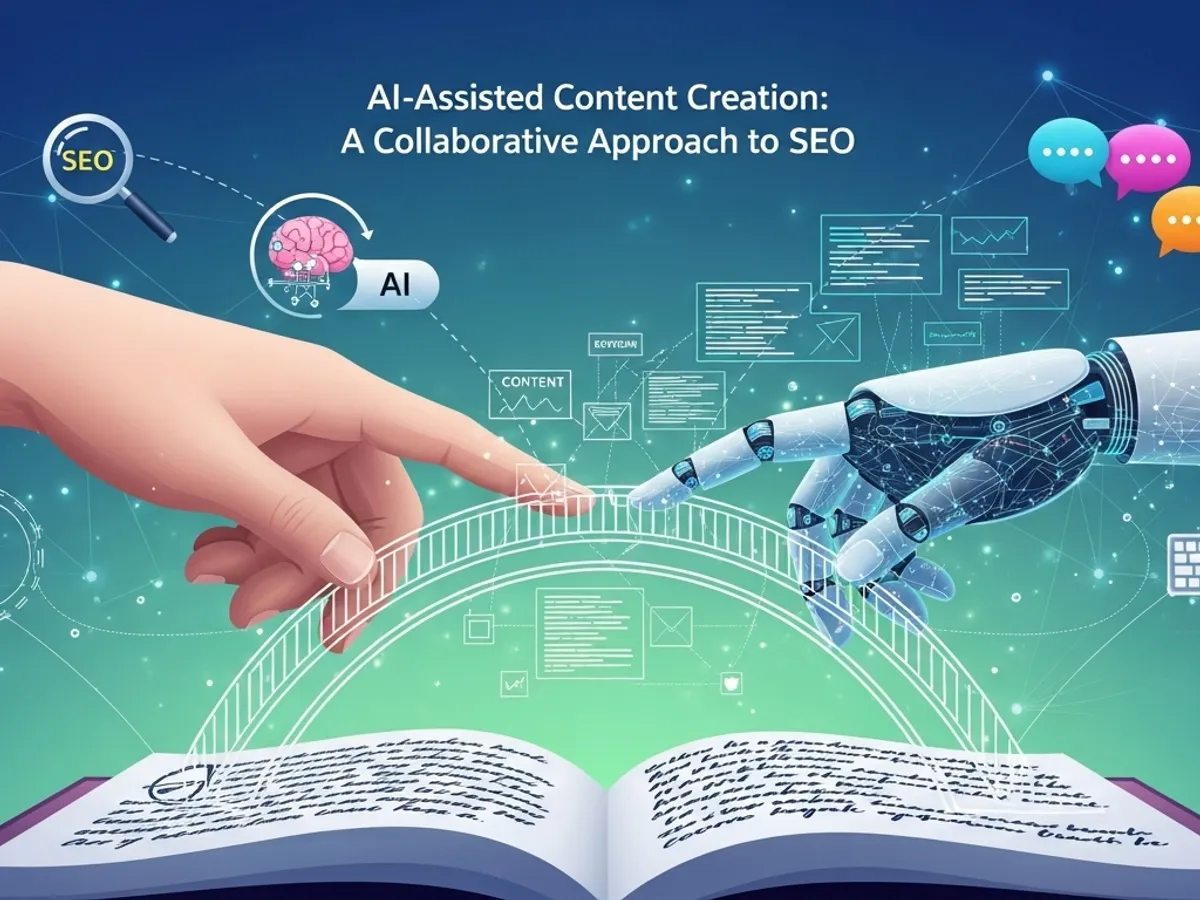
Ready to supercharge your content strategy? AI content creation is rapidly reshaping blogging, with 75.7% of marketers now leveraging these tools. It offers a powerful opportunity to cut initial draft time by up to 50%.
Embrace AI to elevate your blog, not just automate it.
For beginners eager to master AI for blogging, this guide is your essential starting point. We’ll show you how to move beyond generic outputs, making AI your intelligent co-writer. You’ll master AI writing tools for beginners to create high-quality, helpful content that meets E-E-A-T standards.
GenWrite champions smart AI blog generation, automating tasks from keyword research to link building. This guide offers actionable strategies for effective tool usage. For a deeper dive into AI blog generation, explore our dedicated resource. We’ll also ensure your AI-assisted content achieves strong visibility; good rankings are crucial. Discover more in our Starter’s SEO Guide for 2026.
What Exactly is AI-Powered Blogging?
AI-powered blogging might sound like something out of a sci-fi movie, but it’s actually a fantastic way to streamline your content workflow. Simply put, it’s about using artificial intelligence (AI) tools to assist with various stages of blog creation, from brainstorming ideas to drafting full articles.
Think of AI not as a replacement for your creative spark, but as a super-efficient co-writer. Instead of staring at a blank page, AI writing tools for beginners can provide outlines, suggest relevant keywords, and even help you generate blog posts with AI that are SEO-friendly and engaging. It’s about leveraging technology to make the writing process faster and more effective, giving you more time to focus on adding your unique insights and voice.
For instance, platforms like GenWrite automate the end-to-end blog creation process, handling everything from keyword research to adding images. This allows you to focus on refining the content and ensuring it truly resonates with your audience. The goal is to produce high-quality, helpful content that Google loves, regardless of whether a human or AI initiated the draft.
It’s a collaborative approach where you guide the AI, and it helps you achieve better content faster. In fact, statistics show that AI can reduce content creation time by up to 50 percent for initial drafts, freeing you up to concentrate on the strategic elements of SEO optimization and building genuine audience connections. If you’re looking to dive deeper into boosting your website’s visibility, understanding search engine optimization is your next step. This blend of AI efficiency and human oversight is the core of modern AI content creation.
Why Does AI Matter for Your Blogging Future?

The blogging landscape is rapidly evolving, and frankly, if you’re not considering AI for blogging, you might be leaving significant opportunities on the table. It’s no longer just a futuristic concept; it’s a present-day necessity for anyone serious about growing their online presence and staying competitive.
Consider this: a remarkable 75.7 percent of marketers are now leveraging AI tools in their daily work, with the AI writing assistant market projected to grow at a robust CAGR of 14.2 percent through 2030. These aren’t just trendy statistics; they’re clear indicators that content automation artificial intelligence is reshaping how we create.
Many bloggers are already seeing tangible benefits. HubSpot reports that 43 percent of bloggers utilize AI to generate fresh ideas, while 29 percent use it to draft initial content. This translates to real-world efficiency, with AI capable of reducing initial content creation time by up to 50 percent.
Elevate Your Blogging with AI
For us, the shift towards AI for blogging isn’t about replacing human creativity, but enhancing it. Think of it as gaining a powerful co-pilot that handles the heavy lifting, allowing you to focus on strategic insights and unique storytelling.
AI helps streamline your workflow, letting you produce more high-quality content faster than ever before.
This is where an effective AI blogging strategy becomes crucial. Tools like GenWrite, for instance, are designed to automate the end-to-end blog creation process, from keyword research and competitor analysis to SEO optimization and even automatically publishing blogs to increase website traffic. It’s about getting an AI blog generator that understands the nuances of search engines and Large Language Models (LLMs).
However, it’s not just about speed. To truly excel, your AI-generated content still needs that human touch. You’ll want to explore strategies to humanize content and ensure it sounds authentic, rather than robotic. Our goal is always to create high-quality, helpful content that Google rewards, regardless of its origin, by focusing on E-E-A-T.
Developing a solid AI blogging strategy means learning to prompt effectively, iterating on drafts, and always fact-checking and adding your unique voice. This ensures your automated blog writing remains engaging and authoritative, helping you stand out. To learn more about this, check out our guide on how to craft truly human-sounding AI content.
How Can Beginners Start Crafting Blogs with AI?
Ready to dive into how to write blogs with AI? The journey is more accessible than ever, especially with modern AI writing tools for beginners designed to streamline your content creation. It’s not about replacing you, but empowering you to produce high-quality, SEO-friendly content more efficiently.
Master the Art of Prompt Engineering
Your first step into getting started with AI writing is learning to speak its language: prompts. Think of your AI as a brilliant but literal intern. The clearer and more specific your instructions, the better the output.
A well-crafted prompt is the blueprint for exceptional AI-generated content.
Provide context, define your target audience, set the tone, and even suggest a persona. For instance, instead of “write about coffee,” try “Write a friendly, informative blog post for new coffee drinkers about the benefits of freshly ground beans, focusing on taste and aroma, in a conversational tone.”
Embrace Iterative Drafting
Once you’ve got your prompt down, don’t expect a perfect final draft in one go. The most effective approach is iterative drafting, generating content section by section. This allows you to maintain control over the narrative flow and ensure accuracy.
AI can reduce initial content creation time by up to 50 percent, but only if guided effectively.
Tools like GenWrite excel in content automation, helping you generate these drafts efficiently. They can research keywords, analyze competitors, and provide a strong foundation for your blog, making keyword-driven blog writing accessible for everyone. You can explore how GenWrite simplifies this process with its AI blog generator capabilities.
Fact-Check and Humanize Your Content
The final, crucial step is adding your unique human touch. While AI is fantastic for generating ideas and drafting, it’s up to you to verify facts, add personal anecdotes, and infuse your unique voice and perspective. This is where you elevate the content beyond generic output.
Google rewards helpful, high-quality content, regardless of whether AI was involved.
Focus on demonstrating E-E-A-T (Experience, Expertise, Authoritativeness, and Trustworthiness). As Google’s guidelines on helpful content emphasize, the origin of content matters less than its quality and value to the reader. By fact-checking and humanizing, you ensure your AI-assisted blog posts resonate with readers and rank well.
What Common Mistakes Should AI Bloggers Avoid?
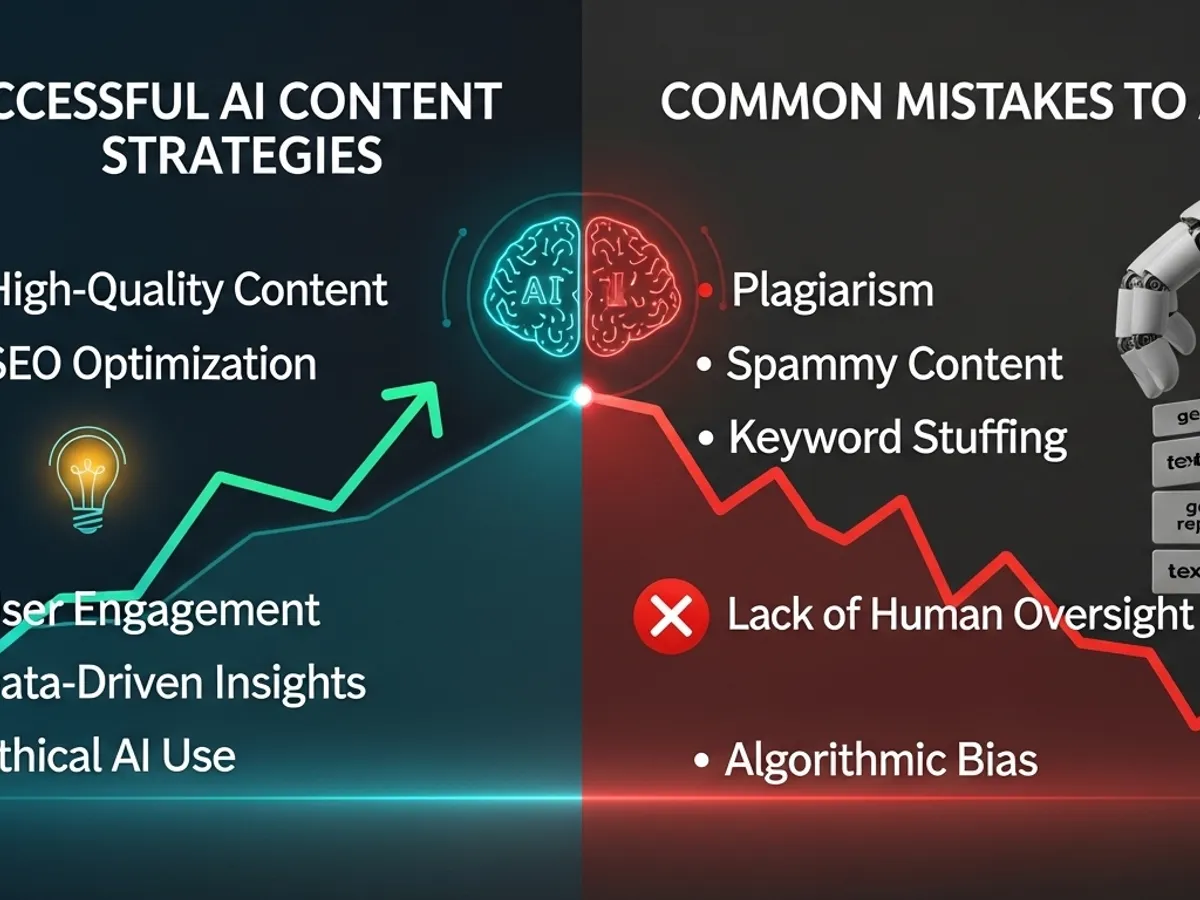
Stepping into AI blogging is incredibly promising, but it’s easy to stumble if you’re not aware of common pitfalls. Many beginners, excited by the speed of AI content generation, can fall into traps that undermine their efforts to build a truly impactful blog.
Over-Reliance on AI for Originality
The biggest mistake I see is treating AI as a complete replacement for human thought. While AI can generate impressive drafts, relying on it solely often leads to generic content that lacks a unique voice or perspective. Your readers crave originality and depth, not just a rehash of existing information.
True value comes from a human-in-the-loop AI approach, where you guide the AI and infuse your own insights.
To prevent this, remember that AI is a co-writer, not the sole author. Use it for brainstorming, structuring, and drafting, but always bring your own experience and unique angle to the final piece. This ensures your content remains distinctive.
Neglecting E-E-A-T Principles
Another common pitfall is failing to prioritize E-E-A-T (Experience, Expertise, Authoritativeness, and Trustworthiness). Google explicitly states that content, regardless of how it’s produced, must be high-quality and helpful. AI-generated text without human oversight can sometimes lack the factual accuracy or nuanced understanding that builds trust.
Always fact-check AI outputs and add credible sources or personal anecdotes.
Ensure every piece of content is thoroughly vetted. Verify statistics, cite sources, and weave in your own insights to demonstrate genuine expertise. This is a critical AI content generation tip for maintaining credibility and search visibility.
Skipping a Solid AI Blogging Strategy and SEO Focus
Without a clear AI blogging strategy, you risk generating content aimlessly. Many new users jump straight to generating text without considering keyword research, competitor analysis, or how the content fits into their overall goals.
An effective strategy is the backbone of successful AI-powered content.
This is where tools like GenWrite shine. They are built to automate the end-to-end blog creation process, focusing on SEO optimization, keyword research, and competitor analysis from the start. By leveraging an AI blog generator designed for strategic output, you ensure your content is not just generated, but optimized to increase website traffic and organic reach. For instance, exploring how GenWrite handles SEO optimization for blogs can give you a significant edge in planning your content effectively.
Can You Show Me Real-World AI Blogging in Action?
Beyond theoretical discussions, the true power of AI blogging unfolds when you witness it in action. Businesses are rapidly adopting advanced AI writing tools to revolutionize their content strategies, drastically cutting down creation time.
Imagine transforming a nascent idea into a fully optimized blog post , complete with keyword research, competitor analysis, and a polished draft , all in a fraction of the time. This isn’t a distant future; it’s the present reality for those who strategically generate blog posts with AI.
Platforms like GenWrite exemplify this efficiency by automating entire content lifecycles. Our sophisticated system helps pinpoint high-potential keywords, dissect competitor strategies, and even suggests relevant internal links and images for superior SEO.
Consider ‘EcoThreads,’ a sustainable fashion brand that leveraged GenWrite to produce 50 new product descriptions and 10 SEO-optimized blog posts in just a week. This rapid content deployment led to a 25% increase in organic traffic within the first month. Or take ‘TechSolutions,’ a B2B SaaS company, which used GenWrite to scale its thought leadership content, generating a series of in-depth articles that captured a 15% higher engagement rate.
This isn’t just about speed; it’s about strategic content scaling and achieving measurable results.
Automated blog writing, when meticulously guided by human expertise, consistently yields high-quality, impactful content. This guidance involves refining prompts, rigorously fact-checking, infusing a distinct brand voice, and adding nuanced insights that only human experience can provide. The AI becomes a powerful co-pilot, not a substitute.
These aren’t generic articles; with thoughtful prompting and human oversight, AI delivers compelling AI content examples that are both helpful and trustworthy. This synergy empowers creators to dedicate their focus to unique value and strategic thinking, freeing them from the repetitive grind of drafting. Discover more about GenWrite’s automated blog writing capabilities.
Where Can You Find More AI Blogging Resources?
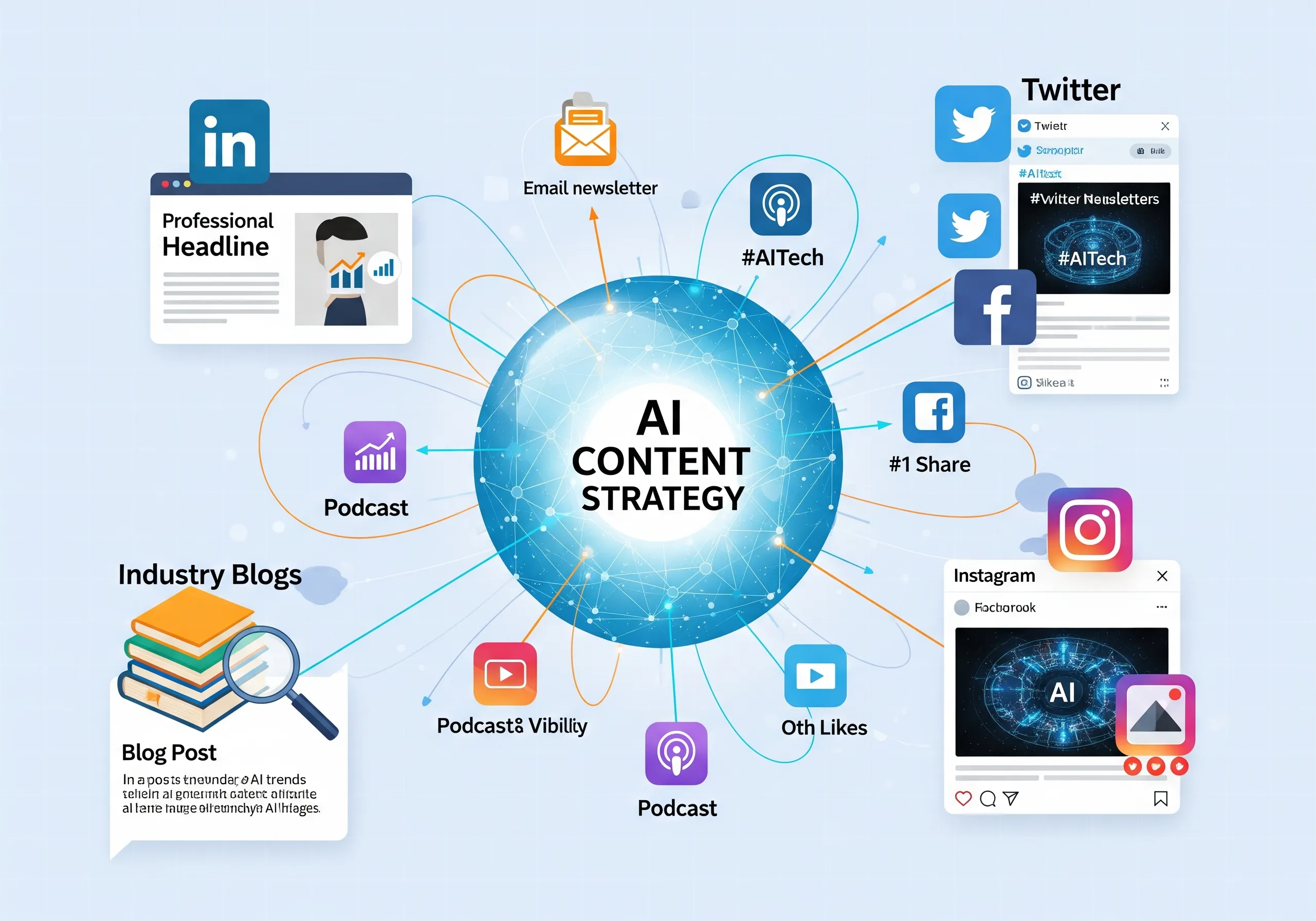
As you embark on your AI blogging journey, continuous learning and access to the right resources are key. The landscape of AI writing tools is evolving rapidly, and staying updated will empower you to create high-quality, SEO-friendly content consistently. Think of these as your go-to guides for mastering AI for blogging.
Essential AI Blogging Tools & Platforms
Beyond the foundational large language models, a suite of specialized tools can significantly enhance your workflow. For end-to-end automation, including keyword research, competitor analysis, and even auto-publishing, I highly recommend exploring platforms like GenWrite. It’s designed to streamline the entire blog creation process, ensuring your content is optimized for search engines right from the start. You can learn more about its capabilities for automated on-page SEO writing directly on their site.
Leveraging dedicated AI tools can drastically cut down content creation time.
Many platforms offer unique features, from idea generation to grammar checks, making them indispensable additional AI resources for any modern blogger.
Learning & Deeper Dives
For those keen to understand the mechanics behind the magic, consider diving into courses or articles focused on machine learning for content. Platforms like Coursera, Udemy, and even specific blog sections from leading AI companies often offer insights into prompt engineering, content strategy, and the ethical considerations of AI. Look for resources that go beyond basic tutorials, offering frameworks for integrating AI seamlessly into a robust content strategy.
Communities & Forums
Connecting with other AI content creators is invaluable. Online communities, LinkedIn groups, and subreddits dedicated to AI writing or content marketing can provide real-time tips, troubleshooting advice, and a space to share your experiences. These networks are fantastic for keeping pace with new developments and refining your approach.
Ready to Take Your First AI-Powered Blogging Step?
We’ve journeyed through the exciting landscape of AI-powered blogging, from its core concepts to mastering prompt engineering and avoiding pitfalls. You now have a solid foundation for effective AI content creation.
The true power of AI for blogging lies in collaboration, not replacement. Leverage AI for idea generation, efficient drafting, and SEO optimization. This ensures content remains high-quality, helpful, and aligns with crucial E-E-A-T principles; human oversight is always key.
Mastering AI-assisted writing is a skill anyone can develop. The future of AI in content is incredibly promising, offering unprecedented opportunities for efficiency and reach. There’s no better time for getting started with AI writing.
Ready to take that leap? Tools like GenWrite simplify your initial steps. Automate blog creation and boost your organic reach. Embrace this powerful shift and start crafting compelling content today with an AI blog generator like ours.
Ready to streamline your content creation and boost your SEO? Explore how GenWrite can automate your blog generation and help you publish high-quality, AI-powered content effortlessly.
People Also Ask About AI Blogging
What is the main benefit of using AI for blogging?
The primary benefit of using AI for blogging is increased efficiency. AI tools can significantly reduce the time spent on drafting content, brainstorming ideas, and performing keyword research, allowing bloggers to produce more content faster.
Can beginners effectively use AI to write blog posts?
Yes, beginners can effectively use AI to write blog posts. The key is to treat AI as a co-writer, guiding it with specific prompts and then refining the output. Tools like ChatGPT and Claude are excellent starting points for idea generation and outlining.
How does Google view AI-generated content?
Google’s stance is that it rewards high-quality, helpful content regardless of how it’s produced. However, content created solely to manipulate search rankings may be penalized. Focusing on E-E-A-T (Experience, Expertise, Authoritativeness, Trustworthiness) is crucial for any AI-assisted blog.
What are the essential steps for beginners to start AI blogging?
Beginners should focus on three key steps: mastering prompt engineering to guide the AI effectively, using iterative drafting to maintain control over the narrative, and diligently fact-checking and humanizing the content to add unique value and ensure accuracy.
What common mistakes should AI bloggers avoid?
Common mistakes include relying too heavily on AI without human oversight, neglecting fact-checking, and failing to humanize the content. It’s also important to avoid creating content solely for search engines and to ensure it aligns with E-E-A-T principles.
How can AI tools help with SEO in blogging?
AI tools can assist with SEO by performing keyword research, analyzing competitor content, suggesting relevant topics, and even optimizing content structure for better readability. Platforms like GenWrite automate many of these SEO tasks as part of the blog creation process.