
Boost Your Website’s Rank: A Starter’s SEO Guide for 2026
Why is Mastering SEO Essential for Your Website’s Future in 2026?

The digital landscape has fundamentally transformed. What was once a battle for ‘blue links’ in search results has evolved into a competition for ‘citations’ within AI-generated summaries. With Google AI Overviews now reaching billions of users monthly, and roughly 60% of searches concluding without a traditional click, the focus has unequivocally shifted to Generative Engine Optimization (GEO). This means that traditional website seo optimization alone is no longer sufficient.
Your website’s future hinges on its ability to be understood and cited by AI.
For those new to the ever-evolving world of digital marketing, or even seasoned professionals grappling with the speed of AI integration, this guide is crafted for you. We aim to demystify the critical importance of mastering search engine optimization in this AI-dominated era. It’s about adapting your strategy to ensure your content provides definitive answers and becomes a trusted reference for Large Language Models (LLMs). For foundational insights into boosting visibility, explore our guide on website traffic optimization.
We’ll introduce practical strategies that go beyond old-school tactics. Leveraging an AI blog generator like GenWrite can automate content creation, optimizing it for current search engine guidelines and LLMs, ensuring your content is structured for AI parsability. This comprehensive 2026 SEO guide will equip you with the knowledge to navigate the Synthesis Era, where becoming a valued source for AI-powered answers is the ultimate goal. You’ll learn to approach website seo optimization from a fresh, future-proof perspective.
What Exactly is Generative Engine Optimization (GEO) and Why is it the New SEO?
The landscape of online visibility has fundamentally shifted, transforming traditional search engine optimization (SEO) into what we now call Generative Engine Optimization (GEO). This isn’t just a new acronym; it represents a profound evolution from optimizing for a list of blue links to strategically positioning content to be cited and summarized by AI systems. In 2026, the SEO definition expands dramatically to encompass how content interacts with large language models (LLMs) and AI Overviews.
Understanding Generative Engine Optimization (GEO)
At its core, generative engine optimization is about making your content discoverable and authoritative within AI-generated search results. With Google AI Overviews now serving billions of users monthly, and roughly 60% of searches ending without a click, the goal is no longer solely to rank #1 organically. Instead, it’s about becoming a trusted source that AI systems reference when synthesizing answers. Brands cited in these AI Overviews see a 35% higher click-through rate, a clear indicator of this paradigm shift.
GEO is about earning citations, not just clicks, from AI.
This new focus requires a deep understanding of how AI processes information. It means structuring your content not just for human readers, but also for machine comprehension, using advanced Schema markup (JSON-LD) and ensuring every piece of information is clear, concise, and verifiable. Our AI SEO tools like GenWrite are designed to streamline this, automating content creation that’s inherently structured for AI parsing, helping you achieve better visibility in this new era.
The Critical Role of E-E-A-T
In the world of GEO, Google’s E-E-A-T framework,Experience, Expertise, Authoritativeness, and Trustworthiness,has never been more vital. AI models are trained on vast datasets and are increasingly sophisticated at discerning credible, high-quality sources. To successfully rank your website on Google AI Overview, your content must demonstrate genuine E-E-A-T.
- Experience: Do you have firsthand knowledge of the topic?
- Expertise: Is your content backed by deep subject matter understanding?
- Authoritativeness: Are you recognized as a leading voice in your field?
- Trustworthiness: Is your information accurate, transparent, and verifiable?
This emphasis ensures that AI Overviews provide reliable information to users, making your site a preferred source for citation. For instance, a detailed guide on digital marketing written by an agency owner with years of proven client results will naturally score higher on E-E-A-T than a generic article. Leveraging an AI content generator like GenWrite can help you produce content that aligns with these standards, freeing up your time to focus on demonstrating your unique E-E-A-T.
Ultimately, GEO is the strategic evolution of search engine optimization for an AI-first world, prioritizing content quality and machine readability to secure prime placement in generative search experiences.
How Has AI Reshaped Why SEO Matters Critically for Your Business Now?

The digital landscape has undergone a seismic shift, fundamentally reshaping why Search Engine Optimization (SEO) matters critically for your business now. What was once a pursuit of traditional “blue links” has evolved into a competition for citations within AI-generated summaries, driven by the pervasive influence of artificial intelligence.
The Irreversible Impact of AI Overviews
Google AI Overviews are no longer a futuristic concept; they are a present reality, reaching an astounding 2 billion monthly users. This proliferation means that nearly 60% of searches now conclude without a click to an external website, directly within the AI-generated answer. This dramatic change underscores the urgent need to optimize for AI-driven results, making traditional SEO methods increasingly insufficient for maintaining visibility.
AI has transformed search from a navigation tool into an answer engine.
The data speaks volumes about this paradigm shift. AI search traffic is projected to surpass traditional search by 2028, signaling a monumental transition in how users discover information and products. More compellingly, current AI search visitors convert at 4.4 times the rate of traditional organic visitors, highlighting the immense value of appearing in these AI-powered results. For businesses, this translates directly into higher engagement and revenue potential.
Why SEO Importance in 2026 is Redefined
Optimizing for the new era of search isn’t just about adapting; it’s about survival. Brands that secure citations within AI Overviews experience a 35% higher click-through rate (CTR) compared to those that are excluded. This contrasts sharply with the sobering reality that traditional #1 organic rankings are facing a 58% decline in clicks, illustrating the diminishing returns of old-school SEO strategies.
To capture this new source of high-converting traffic, content must be structured and optimized for AI parsability. This is where the power of modern tools comes into play. Leveraging an AI blog generator like GenWrite can automate the end-to-end blog creation process, ensuring your content is semantically rich and aligned with search engine guidelines and Large Language Models (LLMs).
The shift to Generative Engine Optimization (GEO) is paramount for staying competitive.
Embracing this new reality ensures your content is not only found but actively cited and trusted by AI systems. Understanding how to rank your website on Google AI Overview is no longer a niche concern but a foundational element of any successful digital strategy. Tools that provide SEO optimization for blogs are essential for preparing your content for the Synthesis Era, where definitive answers, not just links, are the user’s primary demand. This makes the SEO importance 2026 less about keyword stuffing and more about becoming a trusted reference point for AI.
How Can Beginners Get Started with SEO in 2026? Your Step-by-Step Action Plan.
Starting your SEO journey in 2026 might seem daunting, especially with the rapid evolution driven by AI. The good news is that foundational principles remain, albeit with a modern, AI-centric twist. For beginners, the path to ranking isn’t about chasing fleeting hacks; it’s about building a robust, AI-friendly online presence. Let’s outline the essential beginner SEO steps to get you started.
Prioritize E-E-A-T and Advanced Schema Markup
The cornerstone of any effective website SEO optimization strategy in 2026 is E-E-A-T (Experience, Expertise, Authoritativeness, Trustworthiness). Google’s algorithms, and especially its AI Overviews, heavily favor content that demonstrates clear credibility. As a beginner, focus on crafting content that showcases your unique perspective or deep understanding of a topic.
Beyond content, structure is paramount. Implement advanced Schema markup, particularly JSON-LD, to help search engines and Large Language Models (LLMs) understand your content’s context and entities. This allows AI to parse your information accurately, increasing your chances of being cited in generative summaries.
Structured data is your direct line to AI visibility, making your content machine-readable.
Remember that Google’s ‘Vision AI’ now interprets images. Ensure your website’s visuals are high-resolution and descriptively tagged, as this directly influences how your services are categorized and ranked.
Refined Keyword Research for AI-Driven Answers
Traditional keyword research still holds value, but the focus has shifted from mere terms to understanding user intent for AI-generated answers. When learning how to start SEO, think about the questions users ask and how an AI might synthesize information to provide a definitive answer.
Beginners should explore semantic keyword clusters and long-tail queries that reflect natural language. Tools that analyze competitor content and suggest related questions can significantly enhance your research, allowing you to create content that serves both human users and AI models. This approach helps you appear in AI Overviews and traditional search results.
Master Google Business Profile Optimization
For any local or service-based business, Google Business Profile optimization is non-negotiable. In 2026, GBP is a powerful local SEO tool, driven by trust-based signals.
Implement 360° AR-ready walkthroughs of your premises and encourage ‘story’ reviews , short vertical videos from customers sharing their experiences. Maintaining 100% NAP (Name, Address, Phone) consistency across all online directories is also critical for AI-crawled trustworthiness. Actively update photos weekly and respond to reviews within 24 hours to significantly boost your ‘Local Pack’ visibility.
Your Google Business Profile is a dynamic, trust-building asset that demands ongoing attention.
To streamline many of these initial SEO efforts, especially content creation and keyword research, consider leveraging AI-powered tools. An AI blog generator like GenWrite can automate the end-to-end blog creation process, helping beginners with AI content creation for blogs while ensuring SEO optimization. This allows you to focus on strategy and humanization, perhaps even learning how to ai humanizer your AI-generated text for maximum impact.
What Common SEO Mistakes Should Newbies Avoid to Ensure 2026 Success?
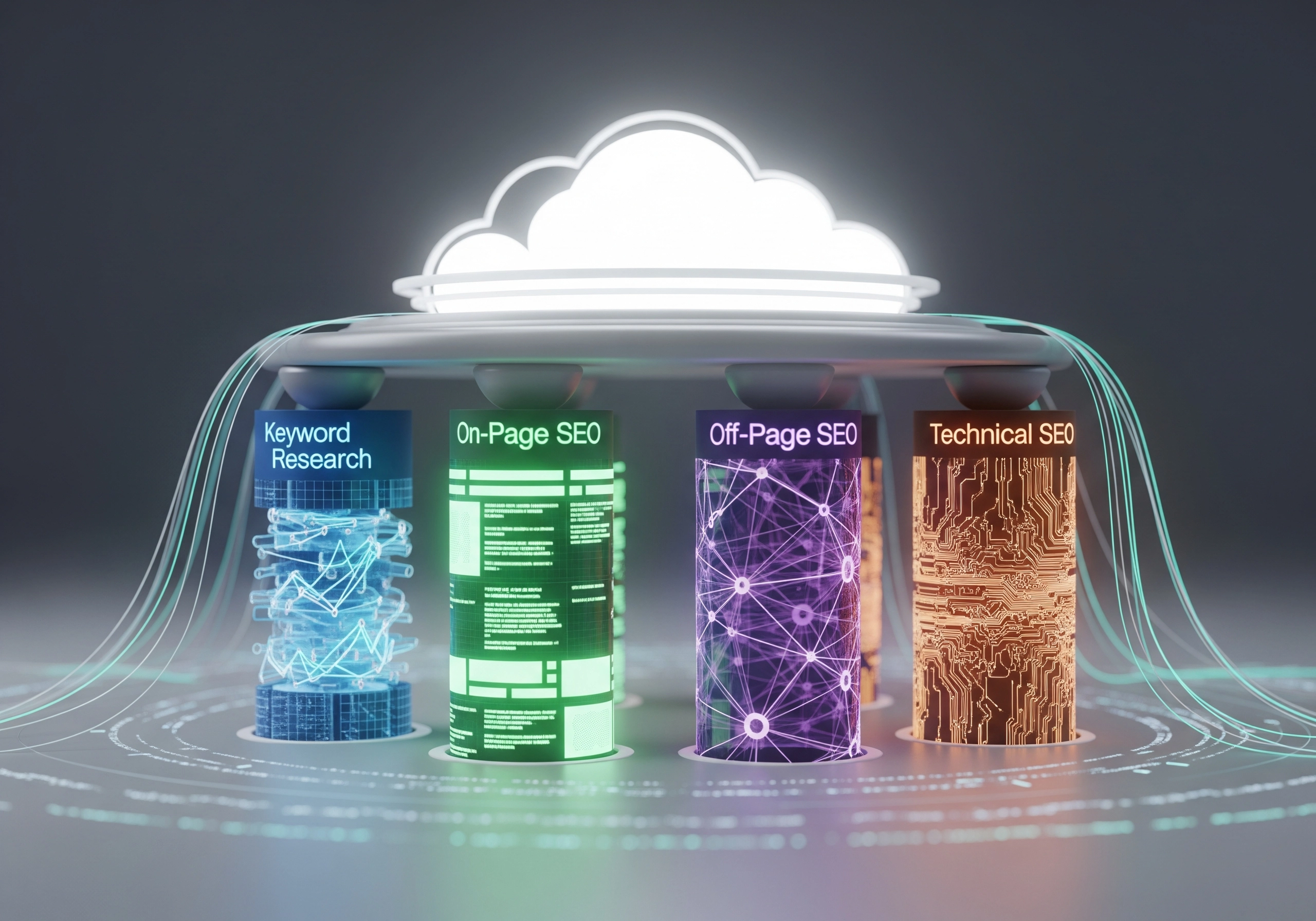
Navigating the evolving SEO landscape of 2026 can feel like a minefield, especially for newcomers. Many beginners fall into common SEO mistakes that severely hinder their progress, often overlooking fundamental shifts brought about by AI search. Avoiding these SEO pitfalls is critical for ensuring long-term success and securing visibility within AI Overviews.
Neglecting Technical SEO Fundamentals
A primary misstep I often observe is the underestimation of technical SEO audit importance, particularly aspects like Core Web Vitals. In the Synthesis Era, search engines, and especially AI, are ‘reading’ your website with unprecedented scrutiny.
A slow or poorly structured site won’t just rank poorly; it’ll be ignored by AI.
Neglecting metrics like Interaction to Next Paint (INP) directly impacts how well your content is parsed and cited by AI models. A robust site architecture and fast loading speeds are non-negotiable for AI parsability. Tools designed for SEO content optimization can help streamline these technical considerations, ensuring your site’s foundation is solid.
Misunderstanding Generative Engine Optimization (GEO)
Another significant common SEO mistake is approaching SEO with a traditional, keyword-stuffing mindset, rather than adapting to Generative Engine Optimization (GEO). GEO isn’t just about ranking for “blue links”; it’s about becoming a trusted source for AI Overviews. Beginners often fail to grasp that AI prioritizes comprehensive answers and contextual relevance over exact keyword matches.
Focusing solely on keywords in 2026 is like bringing a knife to a gunfight.
To avoid this SEO pitfall, shift your strategy from targeting individual keywords to developing content that thoroughly answers user queries and anticipates follow-up questions. This involves creating detailed, authoritative content that AI models can easily synthesize and cite.
Overlooking E-E-A-T in the AI Era
A third critical common SEO mistake for newcomers is underestimating the paramount importance of E-E-A-T (Experience, Expertise, Authoritativeness, Trustworthiness) in the AI-driven search landscape. While always important, E-E-A-T is now foundational for AI to deem your content credible enough for citation in AI Overviews. Many beginners focus purely on content length or keyword density, neglecting to establish their brand’s or author’s genuine authority.
Without strong E-E-A-T, your content might be well-written but invisible to AI.
To circumvent this, actively demonstrate your expertise. This means showcasing author bios and ensuring factual accuracy. For businesses, transparent “About Us” pages and customer testimonials build crucial trust signals. Remember, AI is looking for the most trustworthy answer, not just an answer.
Where Can You Find More Trusted Resources to Master 2026 SEO and Beyond?
Mastering SEO is not a one-time achievement; it’s a continuous journey, especially as we navigate the dynamic shifts towards Generative Engine Optimization (GEO) and AI Overviews in 2026. To truly succeed and ensure your website isn’t just visible but cited by AI, ongoing learning is paramount. I often find that the best way to stay ahead is by tapping into a diverse set of trusted SEO learning resources.
Foundational Knowledge & Industry Insights
To build a robust understanding, always start with the source. Google’s official documentation provides the foundational guidelines for how search engines interpret content.
- Google Search Central: The definitive guide for webmasters, offering insights directly from Google on how to improve your site’s visibility. This is crucial for understanding core principles.
- Industry Blogs: Reputable publications like Search Engine Journal, Search Engine Land, and Moz Blog consistently offer expert analysis on algorithm updates, emerging trends, and practical strategies for learn SEO online. They dissect complex topics, helping you adapt to changes like the rise of AI search traffic.
- Backlinko & Semrush Blogs: These platforms offer deep dives into data-driven SEO, often providing studies and statistics that contextualize current trends, such as the increasing conversion rates of AI search visitors compared to traditional organic traffic.
Practical Tools for Modern SEO
In the modern SEO landscape, tools are no longer optional,they are an extension of your strategy. Leveraging the right technology can streamline everything from keyword research to content creation, enabling efficient SEO optimization.
- Keyword Research Tools: Tools like Semrush, Ahrefs, and Google Keyword Planner are indispensable for identifying high-intent semantic keywords, crucial for both traditional search and AI parsability.
- Technical SEO Audits: Platforms like Screaming Frog or Sitebulb help uncover technical issues that hinder AI crawlers and user experience, ensuring your site’s infrastructure supports your GEO efforts.
- AI Content & Optimization Platforms: For those looking to automate and scale their content strategy, AI-powered tools are a game-changer. My experience shows that platforms like GenWrite excel at automating blog creation, conducting advanced keyword research, and ensuring your content aligns with search engine guidelines and LLMs for maximum organic reach. GenWrite is an AI blog generator designed to boost your website’s rank by integrating competitor analysis and relevant links and images. This is where the future of content creation truly lies.
- Google Business Profile Manager: For local SEO, actively managing your GBP with updated photos and prompt review responses is vital, as discussed earlier regarding ‘trust-driven’ signals.
Courses & Communities for Advanced Learning
Beyond individual resources, structured learning and community engagement provide invaluable perspectives and support for those committed to mastering SEO.
- Online Courses: Platforms like Coursera, Udemy, and HubSpot Academy offer structured curricula, from beginner basics to advanced topics like Schema markup and E-E-A-T implementation.
- SEO Communities: Engaging with peers on Reddit’s r/SEO, specialized Slack channels, or industry forums allows for real-time problem-solving and shared insights.
- AI Writing Guides: For novices venturing into AI-powered content creation, resources such as From Blank Page to Blog Post: AI Writing for Novices 2026 are essential. This guide helps beginners understand AI blogging basics and leverage automation effectively.
Ready to Rank? Your Next Steps for Dominating Search in the AI Era.

The digital landscape of 2026 demands a new approach to online visibility. We’ve moved beyond the era of simply chasing “blue links”; today, the battle is for “citations” within AI-generated summaries, a shift that redefines SEO success tips. This evolution, driven by the widespread adoption of Google AI Overviews, means traditional SEO is now Generative Engine Optimization (GEO).
Mastering this new frontier is not just for seasoned experts; beginners can absolutely achieve significant rankings.
To recap, your journey to dominate search in the AI era hinges on several critical pillars. First, prioritize E-E-A-T (Experience, Expertise, Authoritativeness, Trustworthiness) across all your content, ensuring it’s not just informative but truly valuable and credible. Second, embrace advanced Schema markup (JSON-LD) to make your content machine-readable for AI, transforming your website into an easily parsable data source. Third, optimize your Google Business Profile (GBP) with trust-driven signals like AR-ready walkthroughs and consistent updates, recognizing that local search is now heavily influenced by AI’s interpretation of real-world interactions.
These elements collectively form the foundation of the future of SEO. Your immediate SEO next steps should be to audit your current content for E-E-A-T deficiencies and begin structuring new content with AI parsability in mind. This might sound daunting, but smart tools are here to help.
Leveraging an AI blog generator like GenWrite can automate much of this complex process, from keyword research and competitor analysis to creating SEO-optimized content that aligns with both search engine guidelines and Large Language Models (LLMs). GenWrite focuses on content automation to help you efficiently adapt to the Synthesis Era, ensuring your content is poised to dominate Google AI search.
The path to ranking in 2026 is about intelligent adaptation and strategic automation. Start by understanding these core principles, then empower your efforts with tools designed for this new reality.
Ready to dominate search in the AI era? Discover how GenWrite can automate your end-to-end blog creation and SEO optimization, ensuring your content is perfectly tuned for AI Overviews and GEO.
People Also Ask
What is Generative Engine Optimization (GEO) and how is it different from traditional SEO?
Generative Engine Optimization (GEO) is the evolution of SEO for 2026, focusing on getting your website cited within AI-generated summaries like Google AI Overviews. Unlike traditional SEO, which targets ‘blue links’, GEO prioritizes structured content, E-E-A-T, and Schema markup to be easily understood and leveraged by AI models.
Why is E-E-A-T so important for SEO in 2026?
E-E-A-T (Experience, Expertise, Authoritativeness, Trustworthiness) is crucial because AI search algorithms heavily rely on these signals to determine the credibility and reliability of information. Demonstrating strong E-E-A-T helps your content rank higher and be favored for inclusion in AI Overviews.
How can I optimize my website content for AI Overviews?
To optimize for AI Overviews, ensure your content is clear, concise, and directly answers user queries. Utilize advanced Schema markup (JSON-LD) to provide structured data that AI can easily parse. Prioritize factual accuracy and cite reputable sources to build trust and authority.
What are the key changes for Google Business Profile optimization in 2026?
For 2026, Google Business Profile optimization goes beyond keywords. Focus on trust-driven signals like 360° AR-ready walkthroughs, ‘story’ reviews (short videos), and maintaining 100% NAP consistency. Regularly updating photos and responding quickly to reviews significantly boosts Local Pack visibility.
How is AI search traffic different from traditional search traffic?
AI search traffic is projected to surpass traditional search and converts at a significantly higher rate (4.4x). Users interacting with AI search results are often further down the funnel and seeking definitive answers, making them more valuable prospects.
What is the ‘Synthesis Era’ in SEO and what does it mean for businesses?
The ‘Synthesis Era’ refers to the shift where users expect definitive answers rather than a list of links. This means SEO is evolving into ‘AISO’ (AI Search Optimization), where the goal is to become a trusted reference for AI models, providing comprehensive and authoritative information.