
Outperform Competitors: How AI SEO Tools Achieve Faster Google Rankings by 2026
Why Are Traditional SEO Methods Falling Behind in the AI Era?
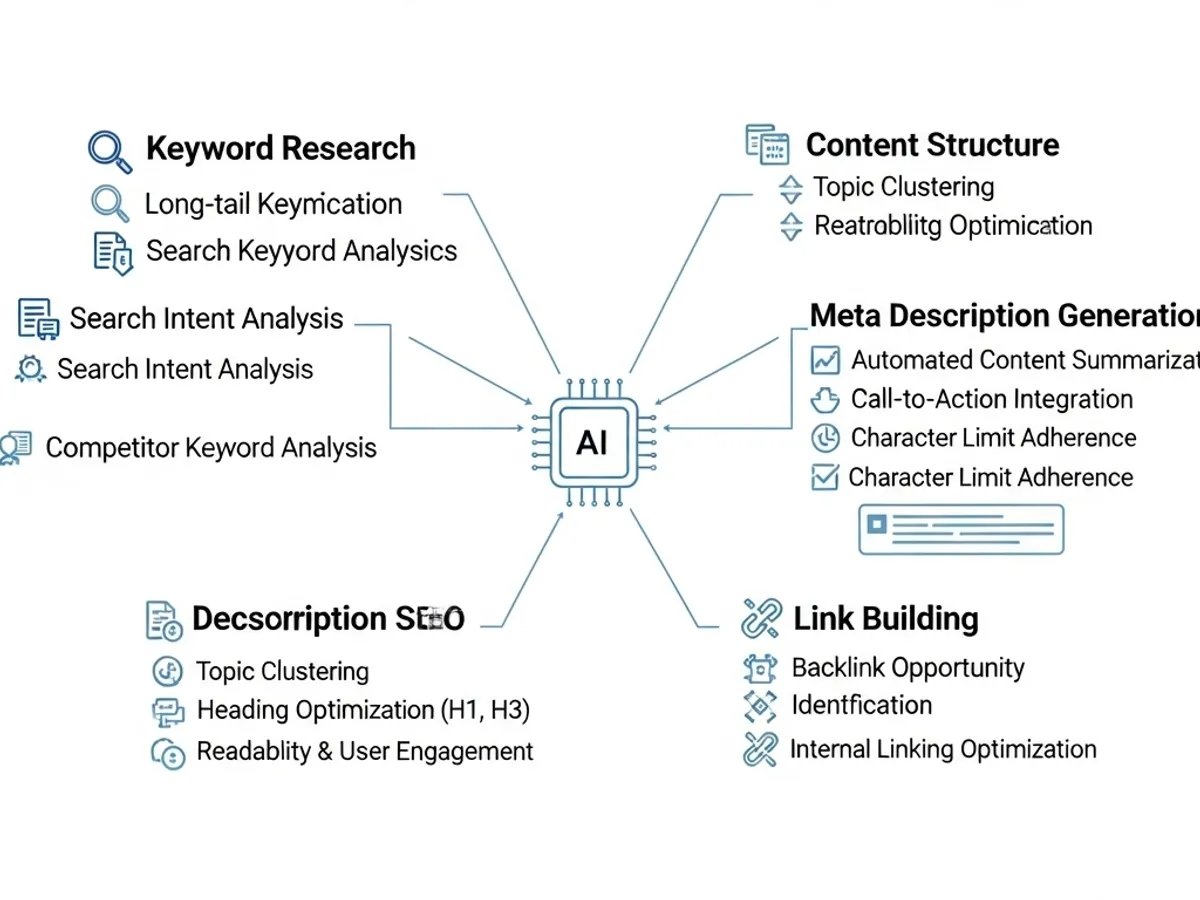
The landscape of search engine optimization (SEO) is undergoing a profound transformation. What once delivered reliable results through meticulous manual effort and consistent content output now often falls short. In an era defined by dynamic algorithm updates and an explosion of online data, the foundational principles of traditional SEO are simply not equipped to keep pace.
The Shifting Sands of Search
For years, SEO professionals relied on labor-intensive keyword research, manual content creation, and painstaking backlink acquisition. This approach, while effective in its time, struggles with the sheer volume and velocity of information Google’s algorithms now process. Google’s ongoing updates, emphasizing user experience and content quality, demand an agility that human-led teams find increasingly difficult to maintain.
Staying competitive requires more than just effort; it demands intelligent automation.
Consider the scale: AI algorithms can analyze thousands of data points to identify ranking opportunities that humans might miss, and they can do it in real-time. This isn’t just about efficiency; it’s about a fundamental shift in how we understand and execute SEO. The traditional model, with its slower cycles of analysis and implementation, invariably leads to missed opportunities and a slower ascent in Google rankings.
Why Traditional SEO Can’t Compete with AI Speed
The core limitation of traditional SEO lies in its inability to process and react to market signals at the speed of modern search engines. Manual content creation is slow, keyword research can be outdated before it’s even implemented, and adapting to new ranking factors is a reactive, rather than proactive, process. This creates a significant bottleneck, preventing businesses from achieving faster ranking results.
This is where AI SEO tools become not just an advantage, but a necessity. Unlike conventional software, AI-powered solutions leverage machine learning to automate and enhance every facet of SEO, from uncovering hidden keyword gems to optimizing content for relevance and improving site structure for better crawlability. This adaptive learning capability allows for continuous improvement and real-time optimization.
For instance, tools like GenWrite automate the end-to-end blog creation process, conducting keyword research, analyzing competitor content, and generating SEO-optimized articles at an unprecedented speed. This level of automation is critical for businesses aiming for faster ranking and increased website traffic.
The clear contrast between AI SEO software vs. traditional methods reveals why businesses are increasingly adopting these advanced solutions. They bridge the gap between human capacity and algorithmic complexity, ensuring that your organic reach isn’t just maintained, but significantly accelerated. To dive deeper into this shift, explore how AI content vs. manual SEO stacks up in the current landscape.
Traditional SEO’s manual limitations and slow adaptation cycles mean it simply cannot deliver the faster ranking and competitive edge that AI SEO tools provide in today’s dynamic digital environment.
What Exactly Are AI SEO Tools, and How Do They Differ from Conventional Software?
In the rapidly evolving landscape of search engine optimization, the distinction between traditional SEO software and modern AI SEO tools has become increasingly pronounced. While conventional tools have long served as static repositories for data and rule-based analysis, AI tools for SEO represent a paradigm shift, leveraging advanced technologies to automate, optimize, and predict.
At their core, AI SEO tools are sophisticated software applications powered by artificial intelligence, primarily machine learning (ML), natural language processing (NLP), and predictive analytics. Unlike their predecessors, which often require extensive manual input and interpretation, these tools are designed to learn, adapt, and execute complex SEO tasks autonomously. They don’t just present data; they actively process, interpret, and generate actionable insights.
The Fundamental Shift: Adaptive Intelligence vs. Static Rules
The primary differentiator lies in adaptive intelligence. Traditional SEO software, while valuable, operates on predefined algorithms and fixed parameters. You input data, and it outputs results based on established rules. This approach struggles to keep pace with Google’s dynamic algorithm updates and the sheer volume of data necessary for competitive ranking.
AI SEO tools, conversely, are built to analyze thousands of data points simultaneously, identifying subtle patterns and correlations that human analysts might miss. This machine learning SEO software continuously refines its understanding of search engine behavior and user intent. It’s not just about what is ranking, but what will rank.
Automation and Predictive Power
Think about the sheer efficiency. While older tools might help you conduct keyword research, an SEO AI tool can automate the entire process, identifying high-potential keywords, analyzing competitor strategies, and even suggesting content structures. This level of automation can reduce content production time by up to 70%, allowing teams to focus on strategy rather than repetitive tasks.
Moreover, the predictive capabilities of these new tools are transformative. They don’t just react to current trends; they forecast future shifts in search demand and algorithm changes, providing a proactive advantage. This allows businesses to optimize content and technical elements before competitors even recognize the opportunity.
Platforms like GenWrite exemplify this new generation, functioning as an AI SEO blog writing software that not only automates content creation but also integrates keyword research, competitor analysis, and optimization for relevance. This integrated approach highlights how AI-driven content is becoming the key to achieving rapid Google rankings. The value proposition of AI SEO tools is clear: they offer unparalleled speed, scale, and intelligence, transforming how we approach online visibility.
How AI SEO Tools Automate Search Tracking for Faster Google Rankings
To secure and sustain top search engine positions in today’s rapidly shifting digital landscape, relying on legacy SEO methodologies is no longer viable. Forward-thinking brands must leverage advanced AI tools for SEO optimization to drive faster, more resilient search visibility.
Automated SEO Ranking Check and Real-Time Alert Systems
To outperform competitors, maintaining precise visibility over your search engine results page (SERP) positions is critical. Historically, executing a manual google ranking check was a slow, labor-intensive chore. Marketers had to search target keywords individually, log positions in static spreadsheets, and manually account for localized search variables. This reactive approach meant that sudden drops in visibility were often discovered weeks after they occurred, resulting in lost traffic and revenue.
Modern AI-driven platforms completely transform this workflow by fully automating the seo ranking check process. Rather than relying on delayed, periodic audits, an advanced seo alerts ranking tool conducts continuous, real-time monitoring across thousands of keywords simultaneously. By automating these checks, AI systems eliminate hours of manual labor and save valuable time, letting teams focus on strategy rather than spreadsheet updates. More importantly, they shift the paradigm from reactive monitoring to proactive strategy by utilizing predictive ranking analytics to forecast search trend shifts before they impact your organic traffic.
Manual vs. AI-Driven Predictive Rank Tracking
| Feature | Manual Rank Tracking | AI-Driven Predictive Analytics & Alerts |
|---|---|---|
| Process Efficiency | Slow, manual google ranking check | Real-time, 24/7 automated monitoring |
| Alert Capabilities | None; requires manual verification | Instant notifications via seo alerts ranking tool |
| Data Accuracy | Prone to localization and personalization bias | Normalized, multi-location, and multi-device SERP tracking |
| Analytical Depth | Raw historical data requiring manual analysis | Predictive forecasting of SERP volatility and competitor moves |
| Speed to Action | Delayed recovery due to slow detection times | Immediate, actionable optimization recommendations |
By automating the seo ranking check, AI systems eliminate data latency entirely. The moment a rank fluctuation is detected, the platform diagnoses the root cause—whether it is an algorithmic shift or a competitor’s content update—and suggests immediate corrective actions. This proactive, automated vigilance directly accelerates and safeguards your rankings.
Intelligent Content Optimization and Creation
Beyond automated monitoring, AI significantly accelerates the content creation and optimization pipeline—the very foundation of search visibility. AI-powered platforms do more than suggest keywords; they analyze top-performing competitor content, map semantic gaps, and assist in generating high-quality, search-compliant copy.
For example, an AI blog generator automates the end-to-end blog creation process, ensuring content is structured specifically for both search engine guidelines and Large Language Models (LLMs).
How AI Transforms Content for Faster Rankings:
- Semantic Keyword Mapping: AI identifies primary keywords alongside deep clusters of semantically related terms, ensuring the comprehensive topic coverage that search engines reward.
- Content Gap Analysis: AI instantly pinpoints what competitors rank for that you do not, revealing lucrative content opportunities.
- On-Page Optimization: From meta descriptions to header structures and internal linking suggestions, AI provides real-time recommendations as content is being written.
- Readability & Engagement: AI analyzes readability scores, sentiment, and user engagement metrics, recommending improvements that increase dwell time and lower bounce rates.
This level of granular, automated optimization is exceptionally difficult to replicate manually. To understand how these automated systems compare to legacy practices, read our detailed analysis on AI SEO software vs. traditional methods for 2026 speed.
Technical SEO Efficiency
Technical SEO is another critical area where AI automation accelerates performance. AI tools crawl websites exponentially faster than human auditors, instantly identifying broken links, crawl errors, site speed bottlenecks, and duplicate content.
Instead of delivering an overwhelming list of errors, AI prioritizes these technical issues based on their direct impact on search performance. This automated diagnostics system reduces the time spent on troubleshooting, ensuring your site remains technically optimized for search crawlers at all times.
Which Advanced Features of AI SEO Tools Will Define Success by 2026?
The days of basic keyword optimization are rapidly fading. By 2026, success in the competitive organic search landscape will hinge on platforms that offer deep, strategic intelligence rather than simple automation. To outperform competitors, businesses must transition to predictive, intent-driven optimization powered by next-generation seo ai tools.
Natural Language Processing (NLP) and Semantic Optimization
At the core of this technological shift is advanced Natural Language Processing. A modern nlp seo tool goes far beyond basic keyword density, instead analyzing content through the lens of semantic entities, sentiment, and search intent. By evaluating the relationships between concepts and terms, these tools ensure your content aligns perfectly with Google’s sophisticated understanding of topical authority.
An AI SEO content generator leveraging NLP will analyze your drafts against top-performing pages to detect semantic gaps, evaluate user sentiment, and determine whether the content genuinely satisfies the searcher’s query. This ensures that whether you use an AI SEO writing software or rely on human writers, the output is contextually rich, authoritative, and structured for maximum impact.
Automated, Proactive SEO Audits
By 2026, site audits will shift from manual, retrospective reviews to continuous, proactive health checks. Intelligent systems will detect technical issues and anticipate crawlability problems before they impact your rankings.
Whether it is flagging schema markup discrepancies or monitoring crawl budget allocation in real time, automated technical audits ensure your foundational SEO remains flawless, freeing up your team to focus on high-level content strategy.
Advanced SERP Analysis and Intent Mapping
Understanding the Search Engine Results Page (SERP) requires looking beyond who is ranking to understand why they are ranking. Next-generation seo ai tools deconstruct SERP layouts, analyzing user engagement signals, dominant content formats, and the exact sentiment that resonates with searchers.
This granular analysis uncovers hidden opportunities and subtle ranking factors that manual reviews miss, allowing you to craft a highly differentiated content strategy that stands out from competitors.
Predictive Analytics and Strategic Forecasting
Forward-looking platforms now offer predictive analytics to forecast search trends and algorithm volatility. This allows brands to build topical authority before a trend peaks, transforming SEO from a reactive maintenance task into a proactive growth engine.
Platforms like GenWrite exemplify this integration, combining these advanced features to automate the end-to-end blog creation process—from keyword discovery to NLP-driven optimization and publishing. To explore how these advanced systems redefine content creation, see how an AI SEO blog generator can streamline your workflows and maximize your ROI.
Can AI Truly Generate High-Ranking Content, or Is Human Oversight Still Essential?
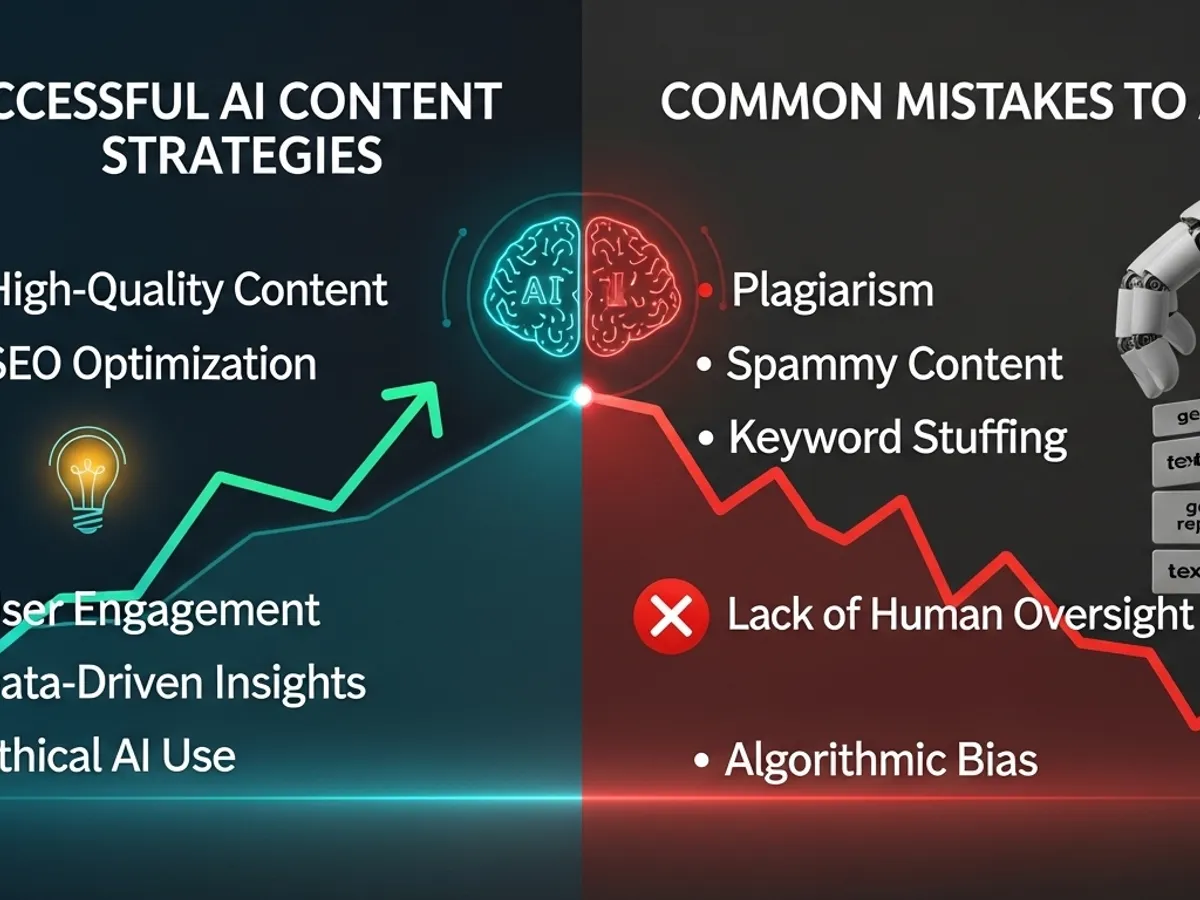
The question of whether an AI SEO content generator can truly produce high-ranking content independently, or if human oversight remains essential, is at the heart of modern SEO discussions. While AI has made incredible strides, a nuanced understanding reveals that the most effective strategy lies in a powerful collaboration between advanced technology and human intelligence.
AI’s role in content creation is transformative. Tools leveraging AI writing can swiftly generate initial drafts, conduct thorough keyword research, and analyze competitor strategies at a scale and speed impossible for humans. This capability significantly reduces the time to market for content, with studies indicating AI-driven content creation can slash production time by up to 70%. An effective AI SEO content generator excels at identifying semantic keyword clusters and structuring content for optimal search engine visibility.
Where AI Excels in Content Generation
Modern AI Seo Blog Tools are remarkably adept at handling the data-intensive aspects of content creation. They can:
- Generate detailed outlines: Based on top-ranking competitor content and target keywords.
- Draft initial articles: Providing a solid foundation that adheres to SEO best practices.
- Optimize for readability: Ensuring sentence variety and clear structure.
- Integrate semantic keywords: Ensuring comprehensive topic coverage.
AI provides the efficiency and data-driven insights needed to kickstart content production and optimize for initial visibility.
The Indispensable Role of Human Oversight
However, the leap from generated to high-ranking, authoritative content often requires a human touch. This is especially true for E-E-A-T (Experience, Expertise, Authoritativeness, Trustworthiness), a crucial factor for Google rankings. An SEO blog writing AI can produce grammatically correct text, but it struggles with genuine empathy, unique insights, and the subtle nuances of human experience that resonate deeply with readers.
Consider these critical areas where human oversight is non-negotiable:
- Fact-Checking and Accuracy: While AI draws from vast datasets, it can sometimes hallucinate or present outdated information. Humans are essential for verifying facts and ensuring precision.
- Brand Voice and Tone: Maintaining a consistent, authentic brand voice is vital for connection. AI can mimic, but a human editor infuses the true personality and values of the brand.
- Strategic Nuance and Storytelling: High-ranking content isn’t just about keywords; it’s about compelling narratives, persuasive arguments, and unique perspectives that only a human writer can craft. This includes understanding the subtle intent behind complex search queries.
- Ethical Considerations and Bias: Human editors must review content for potential biases, ensuring it is inclusive, ethical, and aligns with organizational values.
Human oversight elevates AI-generated content from merely informative to truly authoritative and engaging.
The Hybrid Approach: AI as a Co-Pilot
The most successful approach to AI writing in SEO is a hybrid one. Think of an AI Seo Content Tool like GenWrite as an incredibly efficient co-pilot. It handles the heavy lifting of research, drafting, and optimization, freeing up human experts to focus on the strategic, creative, and qualitative aspects. This collaboration allows businesses to scale content production significantly without sacrificing quality or brand integrity.
By leveraging the speed of an AI SEO content generator for initial drafts and optimization, and then applying expert human editing for nuance, accuracy, and strategic alignment, organizations can create content that not only ranks high but also genuinely connects with their audience. This balanced strategy is key to outperforming competitors and achieving sustainable growth, as explored in articles like “Boost Website Rankings: AI Content vs. Manual SEO in 2026”. Choosing an AI SEO content generator that facilitates this collaboration effectively is crucial, as detailed in guides like “Choosing the Best AI Blog Generator: Features, Speed, and ROI in 2026”.
Ultimately, while AI writing tools provide unprecedented efficiency and data-driven advantages, human oversight remains critical to inject the E-E-A-T, brand voice, and strategic depth necessary for truly high-ranking and impactful content.
How Do AI Tools Analyze Competitors to Uncover Your Untapped Ranking Opportunities?
Manually sifting through competitor strategies is a monumental task, often leading to missed opportunities and outdated insights. The sheer volume of data—from keywords and content to backlinks and technical SEO—makes traditional competitor analysis a slow, labor-intensive process. This is precisely where modern ai seo tools shine, transforming what was once a reactive chore into a proactive, strategic advantage that accelerates google rankings.
The Evolution: Manual Audits vs. AI Competitor Analysis (2025 vs. 2026)
To stay ahead of the curve, understanding the direct comparison between manual and automated frameworks is essential. As competitor intelligence has matured, 2025 and 2026 trends emphasize dynamic gap analysis—moving away from static spreadsheets toward real-time predictive modeling.
| Evaluation Metric | Traditional Manual Audits | AI Competitor Analysis (2025) | AI Competitor Analysis (2026) |
|---|---|---|---|
| Processing Speed | Weeks of manual data gathering | Hours of automated scraping | Real-time, continuous streams |
| Keyword Gap Analysis | Flat, exact-match lists | Semantic clustering & search volume | Real-time intent-shift & entity-gap mapping |
| Backlink Profiling | Static link counting & DR checks | Automated anchor text & toxicity flags | Predictive link value & automated outreach matching |
| Content Evaluation | Subjective quality & word count checks | Basic readability & keyword density scoring | Deep cognitive gap analysis & automated competitive briefing |
By contrasting these methodologies, it is clear that 2026-era tools do not just report on what your competitors did; they predict their next moves and highlight the exact content vectors you need to exploit.
Uncovering Keyword Gaps with AI-Powered Research
One of the most critical aspects of competitive SEO is understanding keyword landscapes. AI tools excel at keyword research by analyzing not only the keywords your competitors rank for, but also the semantic variations and long-tail phrases that drive their traffic. They can then cross-reference this with your own performance to pinpoint significant keyword gaps.
These gaps represent terms your audience is searching for, terms your competitors are capturing, and terms you’re currently missing. An effective AI blog generator leverages these insights to recommend precise topics and keyword clusters for new content, ensuring every piece targets a real opportunity.
Strategic Backlink Analysis for Authority Building
Beyond keywords, a competitor’s backlink profile is a goldmine of information. AI tools conduct thorough backlink analysis, dissecting the quality, relevance, and volume of links pointing to rival sites. They identify high-authority domains linking to your competitors, uncover common link-building tactics, and even flag potential disavow opportunities.
This intelligence allows you to reverse-engineer successful link-building strategies and discover new, high-value link prospects. Instead of guessing, you’re building a targeted outreach plan based on proven paths to authority. Remember, a robust backlink profile is a cornerstone of digital authority.
Dissecting Content and Performance Strategies
AI doesn’t stop at keywords and links; it delves into content strategy. These tools analyze competitor content for structure, readability, topic depth, and engagement metrics. They can identify the types of content (e.g., listicles, how-to guides, in-depth studies) that perform best within your niche, as well as the topics that resonate most with your shared audience.
By understanding these nuances, you can craft content that not only fills keyword gaps but also outperforms competitor articles in terms of quality and relevance. This data-driven approach to content creation is fundamental for any brand looking to boost their website rankings and achieve faster growth. Integrating an AI SEO blog writing software can make this process seamless, as it automates content generation based on these competitive insights, moving beyond manual optimization alone.
Platforms like GenWrite synthesize these competitive insights into actionable recommendations, automating the creation of SEO-optimized blogs. For those looking to streamline their content strategy and achieve a strong blog generator ROI, understanding the features and speed of AI SEO blog writing tools is crucial for selecting the best fit.
What Crucial Factors Should Guide Your Choice of AI SEO Tools in a Crowded Market?
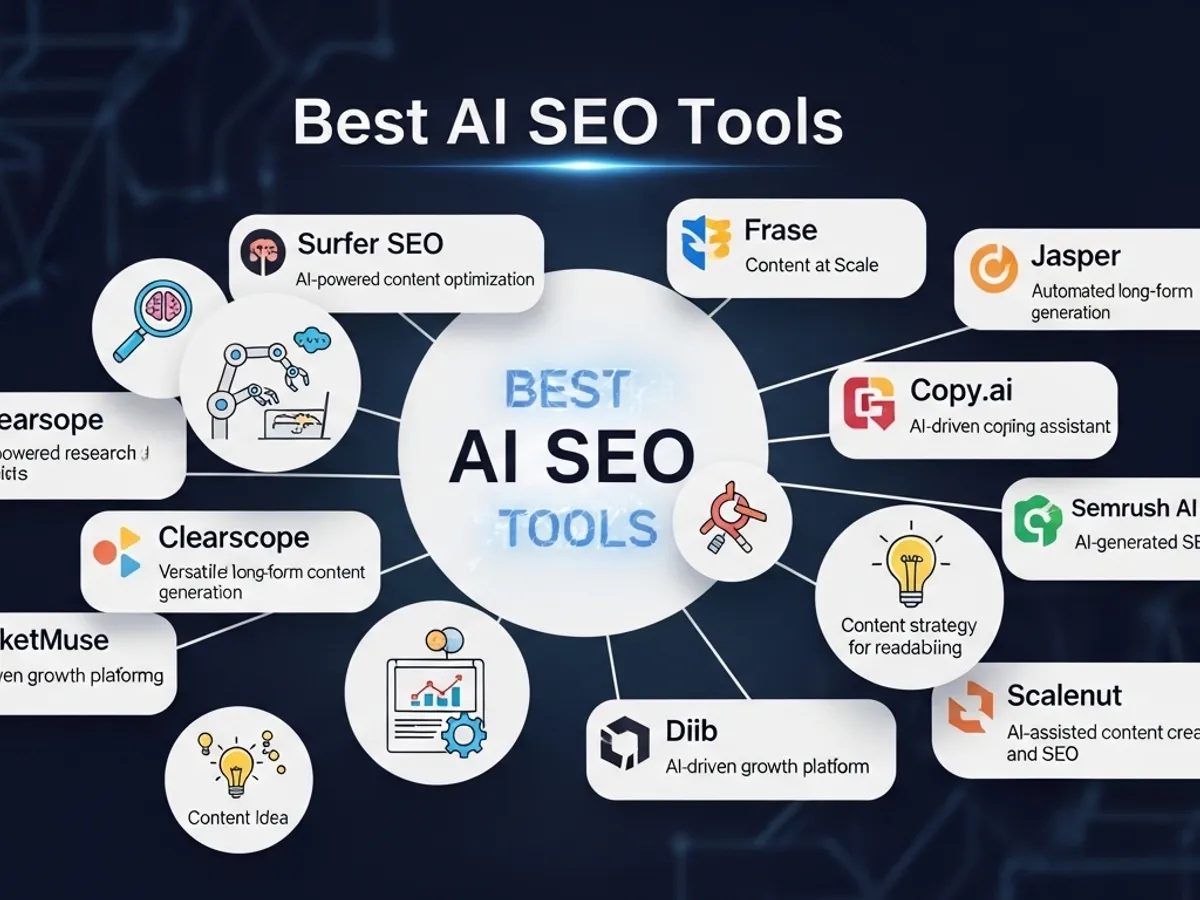
Navigating the increasingly crowded landscape of AI SEO tools can feel daunting. The market is projected to reach several billion dollars by 2026, making it critical to discern which solutions genuinely deliver value and which are merely hype. As an advocate for efficient content creation, I believe the right tool acts as a strategic partner, not just a software utility.
The Foundational Pillars of Effective AI SEO Tool Selection
When evaluating different platforms, it’s essential to look beyond surface-level features. The core objective is to select an AI SEO tool that aligns with modern search engine demands and your strategic goals. This means prioritizing intelligence over automation for its own sake.
Intent Matching: The Heart of Ranking Success
Google’s algorithms are increasingly sophisticated, prioritizing content that deeply satisfies user intent. An effective AI SEO tool must excel at intent matching, not just keyword stuffing. It should analyze search queries to understand the underlying user need—informational, transactional, navigational, or commercial investigation—and guide your content creation accordingly.
Matching search intent precisely is non-negotiable for higher rankings.
This capability ensures your content directly addresses what users are looking for, significantly improving engagement and reducing bounce rates. Tools that merely identify keywords without deep semantic analysis fall short in this critical area.
NLP Scoring: Gauging Content Quality and Relevance
Natural Language Processing (NLP) is at the core of how search engines understand content context and quality. A top-tier AI SEO tool will incorporate robust NLP scoring to evaluate your content’s semantic depth, readability, and relevance. This isn’t just about grammar; it’s about how well your text covers a topic comprehensively and naturally.
By leveraging NLP, these tools can identify gaps in your content, suggest semantically related terms, and ensure your writing resonates with search engine expectations. This is a significant leap from traditional keyword density checks, moving towards true content quality assessment.
AI Visibility Tracking: Adapting to the New SERP
With Google’s ongoing algorithm updates and the rise of AI Overviews, tracking traditional SERP positions is no longer enough. A crucial factor for choosing AI SEO tools is their ability to provide advanced AI search visibility tool metrics. This includes monitoring performance in conversational search, featured snippets, and other evolving elements of the search results page.
Proactive tracking of AI-driven SERP changes is vital for sustained visibility.
Understanding how your content performs in these new formats allows you to adapt your strategy effectively, ensuring you remain visible where it matters most. This is about staying ahead of the curve, not just reacting to it.
Human-in-the-Loop: Preserving Quality and Brand Voice
While AI can significantly reduce content production time—by up to 70%—human oversight remains indispensable. The best AI SEO tools integrate a strong “human-in-the-loop” philosophy. This means providing data-driven insights and automated workflows while allowing human experts to refine, verify, and infuse content with unique brand voice and E-E-A-T (Experience, Expertise, Authoritativeness, Trustworthiness).
For example, platforms like GenWrite automate the end-to-end blog creation process, from keyword research to publishing, but always with the understanding that human input is essential for accuracy and brand consistency. This hybrid approach ensures that while AI handles the heavy lifting, the final output is polished, authentic, and truly high-ranking content. The synergy between AI’s analytical power and human creativity is what ultimately drives superior results, as explored in the article about AI SEO blog writing software.
Selecting the right AI SEO tool means prioritizing those that offer deep intent matching, robust NLP scoring, advanced AI visibility tracking, and a clear path for human collaboration. These factors collectively ensure your investment translates into measurable growth and sustained competitive advantage.
Will Google’s AI Overviews Reshape How We Measure Search Visibility and Rankings?
The introduction of Google’s AI Overviews is arguably one of the most significant shifts in search engine results pages (SERPs) in recent memory. This new layer of AI search results fundamentally redefines what it means to achieve prominent Google rankings and, by extension, how we measure search visibility.
Traditional SEO metrics, centered around organic blue links, are facing an unprecedented challenge. Where we once aimed for the top three organic positions, the prime real estate is now often occupied by a concise, AI-generated summary, pushing traditional results further down the page.
This isn’t just a cosmetic change; it’s a strategic seismic shift.
For SEO professionals and content creators, the question isn’t if this will impact strategy, but how profoundly. Our understanding of AI search visibility must evolve. It’s no longer enough to rank highly in the traditional sense; we must also optimize for inclusion and prominence within these AI Overviews.
This necessitates a new generation of tools. We need more than just conventional rank trackers; we require an AI Overview checker capable of monitoring not only keyword positions but also the presence, content, and source attribution within these new AI sections. Without this, our ability to accurately assess performance and adapt our strategies for the evolving search landscape will be severely hampered.
At GenWrite, we understand this evolving need. Our focus on leveraging AI for SEO means we’re constantly adapting to these changes, helping users create content that resonates not just with traditional algorithms but also with the underlying mechanisms driving these advanced AI search results.
This shift underscores the importance of a comprehensive AI Search Toolkit. Such a toolkit would integrate capabilities to analyze AI Overviews, understand their triggering mechanisms, and provide insights into optimizing content for these new formats. It’s about ensuring your content is not just found, but featured in a world increasingly dominated by AI summaries.
Ultimately, measuring Google rankings will become a dual task: tracking traditional organic positions while simultaneously optimizing for and monitoring performance within AI Overviews. This integrated approach is critical for maintaining and enhancing search visibility in the AI era.
What Does the Future Hold for AI in SEO, and How Can You Stay Ahead of the Curve?
The landscape of search engine optimization is transforming at an unprecedented pace, driven largely by the relentless advancements in artificial intelligence. What was once a theoretical concept for the future of AI and SEO is now a tangible reality, reshaping how we approach Google rankings and online visibility.
The Rise of AI Co-Pilots in SEO Workflows
We’re moving beyond simple AI tools that automate individual tasks. The next evolution brings sophisticated AI co-pilots that integrate seamlessly into our workflows, assisting with strategic decisions rather than just execution. These co-pilots will analyze vast datasets to identify emerging trends, pinpoint content gaps, and even suggest entirely new content angles based on real-time search behavior.
AI will act as a strategic partner, enhancing human expertise.
This partnership means SEO professionals will spend less time on manual data crunching and more on high-level strategy, creative ideation, and human-centric content refinement. It’s about augmenting our capabilities, not replacing them.
Shifting Focus: From Keyword Rankings to Deep User Intent
The traditional obsession with individual keyword rankings is rapidly giving way to a more nuanced understanding of user intent. AI, with its capacity for advanced natural language processing (NLP), allows us to decipher the true meaning behind queries, beyond just the words themselves. This deeper insight enables us to create content that genuinely answers questions and fulfills user needs, leading to higher engagement and better organic performance.
Understanding user intent is the new gold standard for search visibility.
This shift demands that we optimize for comprehensive topics and user journeys rather than isolated keywords, creating content that is truly authoritative and valuable.
Leveraging Predictive Analytics and Building Topical Authority
One of the most exciting aspects of the future of AI and SEO lies in its predictive analytics capabilities. AI can forecast search trends, anticipate algorithm changes, and even predict the performance of potential content before it’s published. This foresight allows us to be proactive, not reactive, in our SEO strategies.
By combining these insights with a robust content strategy, we can systematically build topical authority. This means consistently producing high-quality, comprehensive content around a core set of related themes, establishing our websites as go-to resources in their respective niches. Tools like GenWrite, for instance, are designed to automate the end-to-end blog creation process, leveraging AI for keyword research, competitor analysis, and content optimization to help you build this authority efficiently and secure faster Google rankings. Explore how GenWrite can streamline your content strategy and boost your organic reach by visiting GenWrite.
Future-Proofing Your SEO Skills
To stay ahead of the curve, SEO professionals must adapt. This involves:
- Embracing AI literacy: Understand how AI works, its capabilities, and its limitations.
- Developing strategic thinking: Focus on high-level strategy, content quality, and user experience.
- Mastering data interpretation: Learn to translate AI-generated insights into actionable SEO strategies.
- Prioritizing E-E-A-T: Emphasize experience, expertise, authoritativeness, and trustworthiness in all content.
The future of SEO isn’t about competing with AI; it’s about collaborating with it to achieve unparalleled results and maintain leadership in an ever-evolving digital landscape.
Ready to Outperform? How to Integrate AI SEO Tools for Measurable Growth and Success.
The landscape of search engine optimization has irrevocably shifted. The days of manual, labor-intensive SEO are steadily giving way to an era where artificial intelligence isn’t just an advantage—it’s a prerequisite for relevance and visibility. We’ve explored how traditional methods struggle to keep pace and how AI SEO tools provide the analytical depth and speed needed to thrive.
The Indisputable Edge of AI in SEO
Throughout our discussions, a clear picture emerges: AI-powered solutions offer unprecedented capabilities for achieving faster ranking and securing prime spots in Google rankings. These tools don’t just automate tasks; they learn, adapt, and predict, enabling a proactive SEO strategy that anticipates algorithm changes and identifies opportunities human teams might miss. Think of the power to analyze thousands of data points in real-time, optimizing content and technical elements with precision.
AI moves SEO from reactive to predictive, transforming how we approach digital visibility.
From advanced NLP for content generation to predictive analytics for trend forecasting, AI redefines what’s possible. It empowers you to not only understand your audience better but also to dissect competitor strategies, uncover keyword gaps, and streamline your entire content production lifecycle. This efficiency can reduce content creation time by up to 70%, freeing up valuable resources for strategic oversight.
Integrating AI for Measurable Growth
Adopting AI SEO tools isn’t merely about buying software; it’s about embedding a new operational philosophy into your marketing efforts. For truly measurable growth, integration must be strategic and deliberate. Here’s how to approach it:
- Define Clear Goals: Identify what you aim to achieve with AI—be it improved keyword performance, increased organic traffic, or enhanced content efficiency.
- Staff Training: Equip your team with the knowledge and skills to leverage AI effectively. Human oversight remains crucial, ensuring brand voice, accuracy, and E-E-A-T (Experience, Expertise, Authoritativeness, Trustworthiness).
- Phased Implementation: Start with specific use cases, like keyword research or content optimization, and gradually expand as your team gains proficiency.
- Continuous Monitoring: Regularly track performance metrics to understand the impact of AI tools on your
Google rankingsand overallSEO strategy.
By integrating AI, you’re not replacing human intelligence but augmenting it, creating a powerful synergy. This hybrid approach ensures quality and strategic alignment while harnessing AI’s unparalleled analytical and automation capabilities.
Your Path to Outperformance with GenWrite
To truly outperform competitors and achieve consistent measurable growth, embracing AI is non-negotiable. Tools like GenWrite exemplify this future, offering an AI blog generator that automates the end-to-end blog creation process. It researches keywords, analyzes competitors, adds relevant links and images, and even auto-publishes, all designed to enhance your SEO optimization and drive traffic.
GenWrite empowers you to generate high-quality, SEO-friendly content at scale, aligning with search engine guidelines and LLMs.
By leveraging GenWrite for your content automation needs, you’re not just creating blogs; you’re building a robust, AI-powered SEO strategy that’s primed for faster ranking and sustained success. The future of Google rankings belongs to those who adapt and integrate, and the time to act is now. Are you ready to claim your competitive edge?
Ready to outperform your competitors and achieve faster Google rankings? Discover how GenWrite can automate your end-to-end blog creation and SEO strategy for measurable growth.
Frequently Asked Questions about AI SEO Tools
How do AI SEO tools help achieve faster Google rankings?
AI SEO tools accelerate rankings by quickly identifying high-potential keywords, optimizing content for relevance and user intent, and improving technical SEO aspects like site structure and loading speed. Their ability to analyze vast datasets and adapt to algorithm changes in real-time provides a significant advantage over traditional methods.
What makes AI SEO tools different from conventional SEO software?
AI SEO tools utilize machine learning and natural language processing to learn, adapt, and predict trends. Unlike conventional software that relies on static rules and manual inputs, AI tools offer adaptive intelligence, predictive analytics, and automated insights, enabling more dynamic and effective SEO strategies.
Can AI SEO tools generate high-quality content that ranks well?
Yes, AI SEO tools can generate high-quality, SEO-optimized content efficiently. However, human oversight is still essential to ensure accuracy, maintain brand voice consistency, and add unique insights that align with E-E-A-T principles, making a hybrid approach the most effective.
How do AI tools analyze competitors for SEO advantage?
AI tools meticulously analyze competitor websites to identify their top-performing keywords, backlink strategies, and content gaps. This provides actionable insights into what’s working for them, allowing you to uncover untapped ranking opportunities and refine your own strategy.
What are the key factors to consider when choosing an AI SEO tool?
When choosing an AI SEO tool, consider its accuracy in keyword research and intent matching, the sophistication of its NLP capabilities for content analysis, its ability to track visibility in AI Overviews, and whether it supports a human-in-the-loop approach for quality control. Ease of use and integration capabilities are also crucial.
How will Google’s AI Overviews impact search visibility?
Google’s AI Overviews will likely shift search visibility from traditional ‘blue link’ results to AI-generated summaries. This means SEOs need to focus on optimizing content to be featured in these overviews, potentially requiring new strategies and tools to track this evolving landscape.