
Making Your Website Visible: A Starter’s Guide to SEO in 2026
Why is Website Visibility So Crucial in 2026?
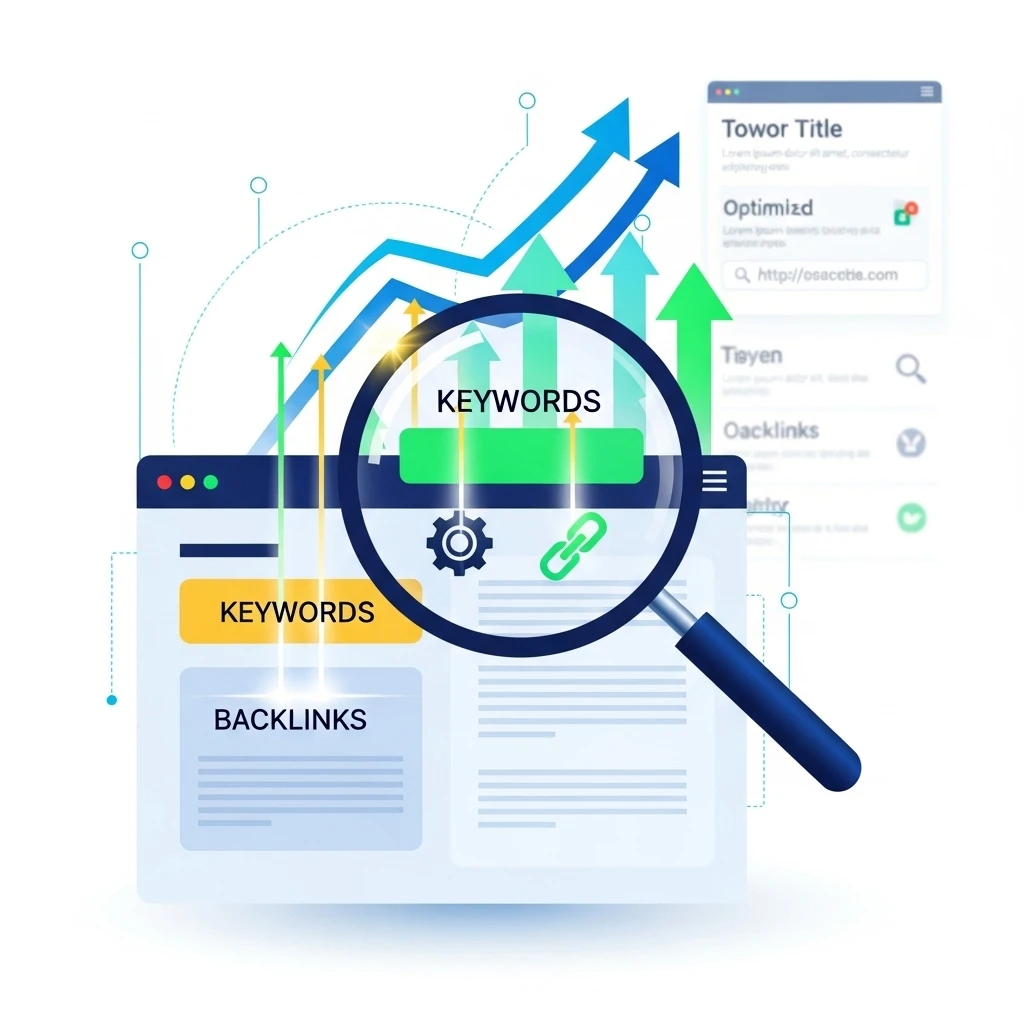
In the fast-evolving digital landscape of 2026, simply having a website is no longer sufficient; its visibility dictates your online success. The reality is stark: approximately 53% of all global website traffic originates from organic search, with a staggering 68% of online journeys beginning directly at a search engine. This isn’t just about being present; it’s about being discoverable.
However, the rules of discovery have shifted dramatically. With AI Overviews (SGE) now influencing over 80% of informational queries, we’ve observed organic click-through rates plummeting by as much as 61% for certain search terms. This seismic shift underscores a critical truth: traditional Search Engine Optimization (SEO) is rapidly transitioning into Generative Engine Optimization (GEO), where being a cited source within AI-generated summaries is paramount.
For anyone new to this complex yet crucial arena, grasping these changes is your first step toward meaningful online impact. This is where mastering website visibility becomes non-negotiable.
This beginner seo guide will demystify the intricacies of making your site stand out, providing actionable strategies to navigate the modern search environment. We’ll explore how to optimize your content, understand AI’s influence, and build a robust online presence from the ground up. To truly thrive in this landscape, leveraging intelligent tools is key. Platforms like GenWrite, an AI-powered tool, are designed to automate content creation and optimize it for evolving search engine guidelines and Large Language Models (LLMs), helping you increase your website traffic and organic reach.
If you’re looking for a comprehensive seo guide 2026 to kickstart your journey, you’re in the right place. We will equip you with the knowledge to not just appear, but to genuinely resonate with both search engines and your target audience, ensuring your digital presence is felt. For a deeper dive into the foundational concepts, consider exploring Starting SEO: A Beginner’s Guide to Boosting Your Website in 2026 and Your Simple Starting Point for AI Blog Generation in 2026.
What Exactly is Search Engine Optimization (SEO) in 2026?
Imagine the vast ocean of the internet, teeming with billions of websites. How do you ensure yours isn’t just a tiny speck, but a prominent beacon guiding relevant users directly to your shores? This is the fundamental purpose of search engine optimization (SEO).
At its core, SEO is the strategic process of enhancing your website’s visibility when people search for products, services, or information related to your business on search engines like Google. Unlike paid advertising, where you pay for clicks, SEO focuses on earning organic, unpaid traffic through various techniques that make your site more appealing to search engine algorithms.
The Evolving Landscape of SEO in 2026
What is SEO in 2026 looks significantly different from even a few years ago. The rise of artificial intelligence (AI) has dramatically shifted the goalposts, moving beyond mere keyword matching to what we now call Generative Engine Optimization (GEO) or Answer Engine Optimization (AEO). With AI Overviews (SGE) impacting over 80% of informational queries and B2B buyers trusting generative AI results, the game has changed.
Success in modern SEO means becoming a trusted, cited source within AI-generated summaries.
This new paradigm demands content that is snippet-friendly, modular, and data-rich, designed to be easily ‘sourceable’ by Large Language Models (LLMs). Our focus is no longer just on ranking for a keyword, but on providing the definitive answer that AI can confidently present to users.
Think of it this way: traditional SEO was about building a better roadmap for search engines to find your destination. Today, SEO is about becoming the authoritative guide that search engines, and increasingly AI, quote directly when asked for directions. It’s about optimizing your website not just for human readers, but for the sophisticated algorithms that interpret and deliver information.
Platforms like GenWrite are at the forefront of this evolution, offering AI-powered tools that automate keyword research, content optimization, and blog generation, ensuring your content is engineered for both search engines and LLMs. Learning to leverage these advanced capabilities for AI content creation is crucial for maintaining visibility, as explored in our guide on Your First Steps into AI Blogging: Crafting Website Content with Artificial Intelligence. Furthermore, mastering the art of Naturalizing AI Content: Your Starter Guide to Humanization in 2026 is equally vital to meet Google’s E-E-A-T standards and ensure your content resonates authentically.
Ultimately, the goal of seo basics remains consistent: to connect your valuable website content with the users who are actively searching for it. The methods, however, have become more intelligent, requiring a strategic blend of traditional optimization and AI-centric content development. To delve deeper into how AI can specifically enhance your SEO optimization efforts for blogs, check out GenWrite’s AI SEO Content Generator.
How Has SEO Evolved, and Why Does it Matter Now More Than Ever?
The landscape of search engine optimization (SEO) has undergone a profound transformation, evolving from a simple game of keyword matching to a sophisticated discipline centered on user intent, entity understanding, and AI-driven content. In 2026, understanding this evolution isn’t just an advantage; it’s a prerequisite for digital relevance, driving personal growth, professional success, and industry leadership.
The Shift from Keywords to Entities and Human-Centric Content
Historically, website seo optimization often meant strategically placing keywords. Today, that approach is obsolete. Search engines now index brands and topics as sophisticated knowledge entities, evaluating their reputation and authoritative associations across the entire web. This means your content needs to demonstrate a deep understanding of its subject, not just mention keywords.
This entity-first indexing paradigm is complemented by Google’s heightened emphasis on Experience, Expertise, Authoritativeness, and Trustworthiness (EEAT). With AI-generated content becoming ubiquitous, algorithms prioritize real-world case studies, first-person narratives, and verified expertise to combat spam. It’s no longer enough to be informative; you must be demonstrably credible.
Modern SEO demands authenticity and deep subject matter authority.
This shift underscores why tools like GenWrite are vital. They help automate the foundational elements of seo guide 2026, allowing creators to focus on injecting that crucial human experience. We focus on optimizing content to align with search engine guidelines and LLMs, ensuring your expertise is recognized.
The Rise of Answer Engine Optimization (AEO)
The most impactful change has been the transition of search engines into answer engines. This is the core of AEO vs SEO. While organic search still drives approximately 53% of all website traffic globally, with 68% of online experiences beginning at a search engine, the nature of those interactions is drastically different. AI Overviews (SGE) now impact over 80% of informational queries, leading to organic click-through rate (CTR) drops of up to 61% for certain terms. This means search engines often resolve queries directly on the results page, diminishing the “ten blue links” era.
Success in this new era means being a cited source within AI-generated summaries. Your content must be snippet-friendly, modular, and data-rich to be “sourceable” by Large Language Models (LLMs). This is where the strategic application of AI for content creation becomes a powerful ally. While generative AI results are trusted by 80% of B2B buyers for supplier research, the content still needs to sound genuinely human to resonate and rank.
To thrive, content must be optimized to serve as a direct answer, not just a link.
Leveraging an AI blog generator like GenWrite ensures your content is structured for optimal visibility in these AI-driven results. We can help you humanize content while integrating the necessary semantic richness for entity recognition and AEO success.
How Can Beginners Start Their SEO Journey in 2026?
For anyone wondering how to start seo in the current digital landscape, the journey begins with understanding that today’s search engines prioritize expertise, user experience, and a deep grasp of search intent. It’s no longer just about keywords; it’s about becoming a credible source for both human users and AI Overviews.
Mastering Content Foundations
Your first step into beginner seo must be rooted in creating high-quality, human-centric content. In 2026, Google’s algorithms heavily favor Experience, Expertise, Authoritativeness, and Trustworthiness (EEAT). This means your content needs to be insightful, well-researched, and ideally, reflect real-world experience.
Crafting Sourceable Content
Focus on producing modular, data-rich content that can be easily cited by Large Language Models (LLMs) for AI-generated summaries. Think in terms of answering specific questions comprehensively and providing unique insights. Tools like GenWrite can streamline this process, automating the end-to-end blog creation process and helping you produce AI blog generator content that is both engaging and optimized for search.
On-Page Optimization Essentials
Once your content is solid, optimizing its on-page elements is crucial. This involves more than just stuffing keywords; it’s about semantic richness and user experience.
Structuring for Clarity and Search
Ensure your title tags, meta descriptions, and headings (H1, H3, H4) accurately reflect your content’s topic and include relevant semantic keywords. This helps search engines understand your page’s context and improves click-through rates. A well-structured page, clear headings, and concise paragraphs make content more scannable and digestible for users.
Crucial Technical SEO Elements
Technical SEO forms the backbone of your website’s search performance. With mobile devices driving 60-65% of global web traffic, mobile-first indexing is the absolute standard. Ignoring technical seo can severely hinder visibility.
Prioritizing Site Speed and Mobile Experience
Focus on core web vitals like Largest Contentful Paint (LCP) under 2.5 seconds and Interaction to Next Paint (INP). Googlebot now prioritizes ‘compute seconds,’ meaning lightweight, high-performance code is essential. Regularly audit your site for crawlability, indexability, and mobile responsiveness. You can find more comprehensive strategies by exploring 2026 SEO trends.
Local Presence with Google Business Profile
For businesses serving a local audience, google my business optimization is non-negotiable. Local searches on mobile convert 28% higher than desktop, making a strong local presence a powerful asset.
Maximizing Your GBP Listing
Beyond basic setup, optimize your Google Business Profile (GBP) by uploading high-quality 360-degree imagery, encouraging ‘story’ reviews (short vertical videos), and maintaining 100% Name, Address, Phone (NAP) consistency across all online directories. This builds crucial entity trust for Google. For detailed guidance, consult a Google Business Profile optimization guide.
Starting your beginner seo journey in 2026 requires a multi-faceted approach, blending high-quality content with technical soundness and local optimization. By leveraging AI for AI keyword research and content assistance, you can efficiently lay a strong foundation for organic growth. Focusing on these fundamentals will position your website for long-term visibility and traffic generation. To learn more about how to enhance your site’s discoverability, explore SEO optimization for blogs.
What Common SEO Mistakes Should You Absolutely Avoid?
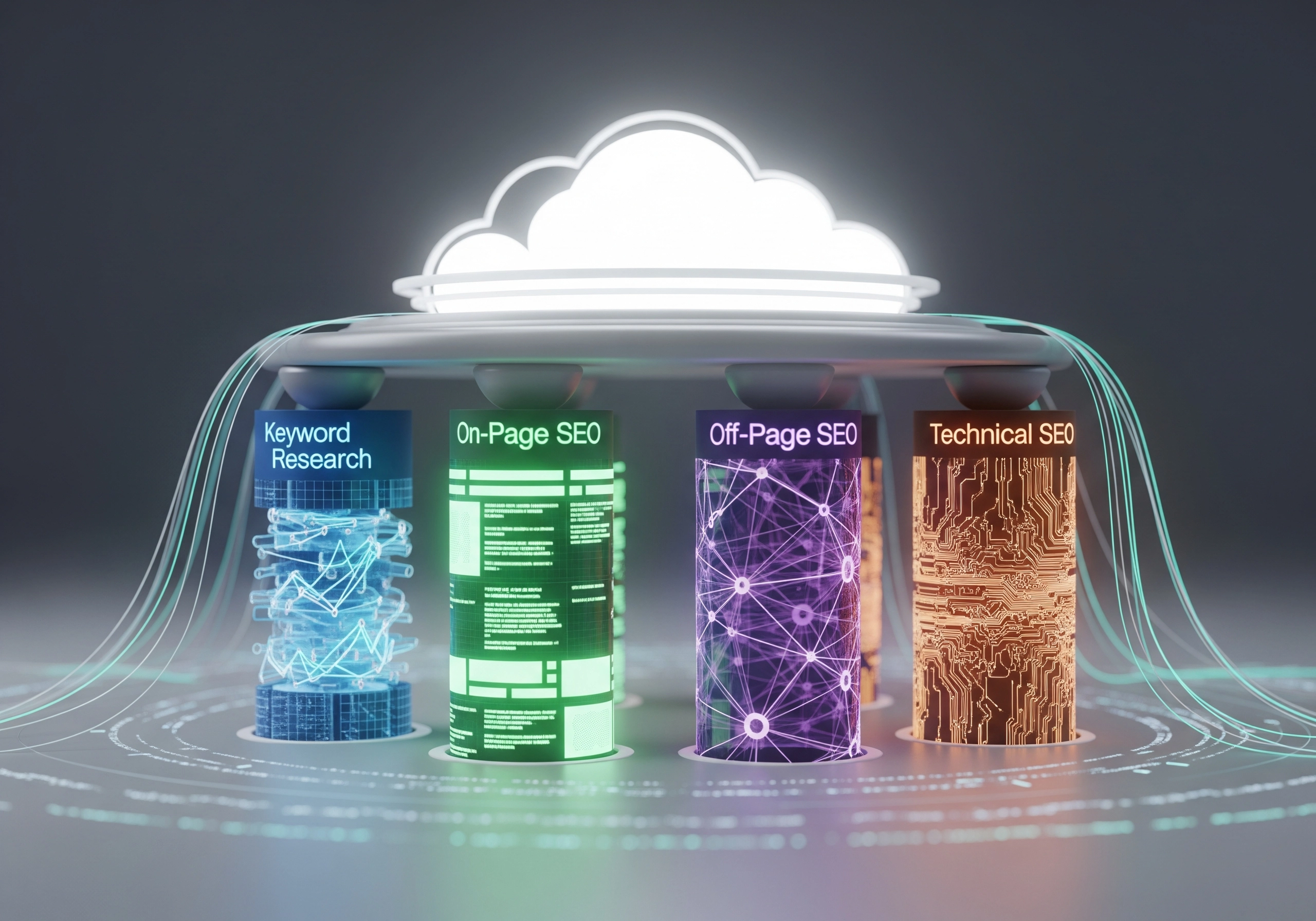
Even with the undeniable importance of Search Engine Optimization (SEO) in 2026, many businesses still fall prey to common missteps that can derail their visibility efforts. Understanding and actively avoiding these beginner SEO pitfalls is crucial for building a resilient online presence and achieving a sustainable, long-term SEO strategy.
Over-Optimizing with Keyword Stuffing
One of the most persistent SEO mistakes to avoid is the outdated practice of keyword stuffing. In the past, simply repeating keywords might have provided a temporary boost, but today, search engines prioritize semantic relevance and natural language. Algorithms, especially with the rise of AI Overviews, penalize content that feels unnatural or manipulative.
Focus on delivering genuine value and context rather than keyword density.
Instead of forcing exact-match keywords, concentrate on topic clusters and semantic variations. Tools like the AI Keyword Research features in platforms like GenWrite can help identify related terms and user intent, ensuring your content is both comprehensive and naturally optimized for how people actually search and how Large Language Models (LLMs) source information.
Neglecting Technical and Mobile-First SEO
Many still overlook the foundational elements of technical SEO, especially in a mobile-first world. With 60-65% of global web traffic originating from mobile devices, Google’s indexing heavily favors mobile performance. Ignoring aspects like Largest Contentful Paint (LCP) under 2.5 seconds or Interaction to Next Paint (INP) is a critical oversight.
A slow, clunky mobile experience directly impacts your search rankings.
Your website’s technical health, including site speed, crawlability, and secure browsing (HTTPS), forms the backbone of effective SEO. Prioritize a lightweight, high-performance code base that satisfies Googlebot’s ‘compute seconds’ preference, ensuring your content is accessible and fast for every user.
Expecting Instant Results and Ignoring Long-Term Strategy
SEO is not a quick fix; it’s a marathon, not a sprint. Many beginners become disillusioned when they don’t see immediate top rankings, leading them to abandon their efforts prematurely. This short-sighted view is a significant beginner SEO pitfall.
Sustainable growth comes from consistent, strategic effort over time.
True organic growth requires a dedicated long-term SEO strategy that encompasses continuous content creation, technical audits, and adaptation to evolving algorithm updates. Investing in an SEO content optimization tool like GenWrite can automate consistent, high-quality content generation, which is fundamental for sustained visibility.
Underestimating Local SEO’s Power
For businesses with a physical location or a service area, neglecting local SEO is a massive missed opportunity. Local searches on mobile convert 28% higher than desktop, highlighting the immediate intent of these users. Simply setting up a Google Business Profile (GBP) isn’t enough anymore.
Local visibility demands active optimization and consistent information.
Effective local SEO in 2026 involves encouraging ‘story’ reviews, uploading AR-ready imagery, and maintaining 100% Name, Address, Phone (NAP) consistency across all directories. These actions build ‘entity trust,’ signaling to search engines that your business is a credible, relevant local resource.
Avoiding these common seo mistakes to avoid and committing to a thoughtful, long-term SEO strategy is paramount. By focusing on quality content, technical excellence, patience, and local relevance, you can build an online presence that thrives in the competitive digital landscape.
How Do Real Businesses Achieve Visibility with SEO? (Examples)
Real-world application provides the clearest insight into effective SEO strategies in 2026. Businesses, both large and small, are adapting to the evolving search landscape by focusing on highly localized efforts, content designed for AI Overviews, and cultivating robust entity trust. These seo examples demonstrate how strategic implementation leads to tangible website visibility strategy improvements.
Achieving Local SEO Success
Consider “The Daily Grind,” a hypothetical coffee shop in a bustling urban neighborhood. Their local seo success isn’t accidental. They’ve optimized their Google Business Profile (GBP) by uploading high-quality, 360-degree imagery that invites virtual exploration and actively encourage customers to leave ‘story’ reviews,short vertical videos sharing their experience. This rich, user-generated content, combined with unwavering Name, Address, Phone (NAP) consistency across all online directories, has built significant entity trust with Google.
Local searches on mobile convert 28% higher than desktop, making GBP optimization a non-negotiable.
This meticulous approach ensures that when a potential customer searches “coffee shop near me” on their mobile device, The Daily Grind appears prominently, often above competitors. For businesses seeking to automate the content creation for such local landing pages or GBP updates, an AI blog generator can streamline the process, ensuring consistent, geo-targeted messaging.
Thriving with AI Overviews and Entity Trust
Another compelling seo example comes from “Quantum Analytics,” a B2B data consultancy. Understanding that AI Overviews now impact over 80% of informational queries, Quantum Analytics shifted its content strategy. Instead of long, monolithic articles, they produce modular, data-rich snippets and answer-focused content. Each piece is crafted to be snippet-friendly and sourceable by Large Language Models (LLMs), aiming to be the authoritative reference cited within AI-generated summaries.
This deliberate focus on being a trusted source, rather than merely a clickable link, is central to their website visibility strategy.
They achieve this by using tools for SEO optimization that analyze competitor content and identify opportunities for authoritative, factual contributions. This not only positions them as an expert entity but also helps them navigate the new era where zero-click searches dominate. By consistently providing high-quality, verifiable information, Quantum Analytics builds the entity trust that search engines now prioritize, ensuring their insights are featured even when users don’t click through to their site directly.
Where Can You Find More Resources to Master SEO in 2026?

Mastering Search Engine Optimization (SEO) in 2026 is an ongoing journey, not a destination. The landscape continues to evolve rapidly with AI Overviews and Generative Engine Optimization (GEO), making continuous learning crucial. Fortunately, a wealth of seo learning resources are available to help you stay ahead.
Essential SEO Tools for Data-Driven Decisions
To effectively navigate the modern SEO world, leveraging the right tools is non-negotiable. Your first stop should always be Google Search Console, which provides invaluable insights directly from Google about your site’s performance, indexing status, and any critical issues. Beyond that, consider exploring a suite of seo tools designed for keyword research, competitor analysis, and technical audits.
Data-driven insights are the bedrock of any successful SEO strategy.
Many of these functions, from identifying high-impact keywords to analyzing competitor content, can be streamlined using AI-powered platforms. For instance, GenWrite’s AI SEO tools automate keyword research, competitor analysis, and content optimization, giving you a competitive edge by freeing up time for strategic thinking. Understanding how AI is transforming website optimization is key, and our blog on how AI is transforming website optimization offers deeper insights.
Reputable Blogs, Courses, and Communities
Staying informed means tapping into the collective wisdom of the SEO community. Industry-leading blogs like Search Engine Journal and Moz provide daily updates, analyses, and best practices. For structured learning, platforms like Coursera, Udemy, and HubSpot Academy offer comprehensive courses ranging from beginner to advanced levels.
Engaging with a community accelerates your learning curve and keeps you updated on emerging trends.
Don’t forget to explore our own GenWrite SEO blog, where we frequently share insights on leveraging AI for content creation, SEO optimization service, and achieving higher rankings in the current digital climate. Active participation in online forums and social media groups dedicated to SEO can also provide peer support and real-time problem-solving.
When to Consider a Professional SEO Optimization Service
While this guide empowers you with foundational knowledge, there may come a time when you need specialized expertise. For complex technical SEO challenges, large-scale content strategies, or highly competitive niches, engaging a professional seo optimization service can be a strategic investment. These services often provide bespoke solutions that go beyond what DIY efforts can achieve, ensuring your website gets the attention it needs to thrive.
However, even with professional help, tools like GenWrite can act as powerful complements, automating routine tasks and ensuring your content pipeline remains robust and optimized. For a broader understanding of SEO principles and services, explore GenWrite’s comprehensive SEO resources.
Ready to Make Your Website Unmissable in 2026?
The journey to making your website unmissable in 2026 might seem daunting, especially with the rapid shifts driven by AI. However, as this seo guide 2026 has illustrated, understanding the core principles and adopting an iterative approach makes website seo optimization entirely achievable for beginners and seasoned marketers alike.
We’ve navigated the crucial transition from traditional keyword matching to Generative Engine Optimization (GEO), emphasizing the need for content that serves as a cited source for AI Overviews. We’ve also highlighted the undeniable power of human-centric content, validated by Google’s EEAT guidelines, and the non-negotiable foundations of technical and mobile-first SEO.
Consistency and a strategic mindset are your most powerful allies in the evolving SEO landscape.
Remember, the goal isn’t just to rank, but to genuinely inform and engage your audience, building entity trust with search engines. While the intricacies of algorithm updates and AI integration can be complex, modern tools are designed to streamline these efforts. Platforms like GenWrite exemplify this, acting as an advanced AI blog generator that automates content creation, keyword research, and on-page optimization, freeing you to focus on strategy and authentic audience connection.
Our final seo thoughts are simple: start small, learn continuously, and leverage smart solutions. Taking the first step, perhaps by exploring how automated on-page SEO writing can elevate your content strategy, is the most critical action. The digital stage of 2026 is ready for your website to shine; it’s time to make your mark.
Ready to make your website unmissable in the AI-driven search landscape of 2026? Discover how GenWrite can automate your end-to-end blog creation and SEO optimization to drive traffic and organic reach.
People Also Ask
What is Generative Engine Optimization (GEO) and how does it differ from traditional SEO?
Generative Engine Optimization (GEO) is the evolution of SEO in an AI-driven search landscape. Instead of just matching keywords, GEO focuses on ensuring your content is authoritative, well-structured, and data-rich enough to be cited as a source within AI-generated summaries and overviews. This means content needs to be highly credible and human-centric to be recognized by Large Language Models (LLMs).
How do AI Overviews affect organic search traffic in 2026?
AI Overviews, like Google’s SGE, are now impacting over 80% of informational queries. This means many users get their answers directly on the search results page, potentially reducing click-through rates to traditional websites by up to 61% for certain search terms. To combat this, content must be optimized to be a featured snippet or a cited source within these AI overviews.
What are the key elements of Google Business Profile (GBP) optimization in 2026?
Beyond basic setup, 2026 GBP optimization involves uploading 360-degree AR-ready imagery, encouraging ‘story’ reviews (short video testimonials), and ensuring 100% NAP (Name, Address, Phone) consistency across all online directories. This builds strong entity trust and enhances local search visibility.
Why is mobile-first indexing and technical SEO crucial for website visibility?
Mobile-first indexing is the standard, meaning Google primarily uses the mobile version of your content for ranking. Crucial technical metrics include fast loading times (e.g., Largest Contentful Paint under 2.5 seconds) and smooth interactivity (Interaction to Next Paint). Efficient, lightweight code is essential as Googlebot prioritizes ‘compute seconds’ for indexing.
How important is EEAT (Experience, Expertise, Authoritativeness, Trustworthiness) for SEO in 2026?
EEAT is more critical than ever in 2026 to combat AI-generated spam. Google’s algorithms heavily prioritize content that demonstrates real-world experience, deep expertise, and established authority and trustworthiness. First-person narratives and verifiable case studies are now top ranking signals.
What are the typical costs associated with SEO services in 2026?
SEO pricing has shifted towards custom, strategy-led models. While basic local SEO management might start around $500/month, growth-oriented strategies for small to mid-market businesses can range from $1,500 to $10,000+ per month. US-based agencies often charge hourly rates between $100 to $250.