
Bypass AI Detection: Your Guide to Writing Natural Human-Like Content in 2026
What Challenges Does AI Content Creation Pose in 2026?

In 2026, the promise of instant content is more accessible than ever. With a single click, advanced tools can generate entire articles. Yet, a more critical challenge has emerged: making that AI-generated content sound genuinely human and provide unique value.
The digital landscape has fundamentally shifted. Google’s quality updates, which have already purged 45% of low-quality content from search results, now relentlessly prioritize its E-E-A-T framework. Content must prove its Experience, Expertise, Authoritativeness, and Trustworthiness to rank.
Running parallel to this is the rise of sophisticated AI detection technology. These tools can easily flag raw, unedited AI output, creating a significant hurdle for creators who rely solely on automation without a human touch.
Generic, robotic text, no matter how grammatically perfect, fails this crucial two-part test.
The core challenge, therefore, isn’t merely about bypassing algorithms. It’s about learning how to humanize content to add irreplaceable insight and an authentic voice. While a powerful platform for automated blog writing like GenWrite provides a strong, SEO-optimized foundation, the final refinement is what separates top-performing content from the rest.
This guide will walk you through the exact strategies needed to elevate your work. You’ll learn how to transform a solid AI draft into an authoritative piece that connects with readers, satisfies search engine quality standards, and confidently passes any detection.
How Do AI Detectors Work, and What Exactly Is ‘Humanizing AI Content’?
The Predictable Rhythm of AI vs. The Chaos of Human Writing
At their core, AI content detectors operate as sophisticated pattern-finders. Trained on vast datasets of both human and machine-generated text, these tools learn to spot the subtle, mathematical signatures left behind by Large Language Models (LLMs). They primarily hunt for two key tells: low perplexity and a lack of burstiness.
Perplexity measures the predictability of word choices. An AI model is designed to select the most statistically probable next word, resulting in text that is logical and smooth but often unsurprising. Human writers, on the other hand, make less predictable choices, leading to higher perplexity.
Burstiness refers to the variation in sentence length and structure. Humans write in bursts,mixing short, punchy sentences with longer, more complex ones. AI-generated text often lacks this rhythm, exhibiting a uniform sentence structure that feels unnaturally consistent.
What Does It Mean to ‘Humanize’ Content?
This leads directly to the concept of humanizing AI content. It’s the deliberate process of revising AI-generated drafts to introduce the very unpredictability that detectors are trained to flag. An ai humanizer tool automates this by algorithmically altering word choices and sentence structures to increase both perplexity and burstiness.
However, the goal isn’t merely to trick an ai content detector. True humanization is about elevating the content to meet Google’s E-E-A-T standards. It involves adding unique insights, personal anecdotes, and a natural narrative flow that resonates with human readers. Platforms like GenWrite focus on producing drafts that align with search engine optimization best practices from the start, but a final human touch ensures authenticity.
For a deeper dive, our guide on mastering AI-written content provides actionable steps for this process. Ultimately, humanizing is less about deception and more about transforming a functional AI draft into a valuable, trustworthy, and engaging piece of content.
Why Does Authentic Human-Like Content Matter More Than Ever for Your Success?

In 2026, the ability to generate text is a commodity. The real challenge,and the most significant competitive advantage,is making that content genuinely connect with people. While AI tools can produce content at an unprecedented scale, the market has shifted from valuing quantity to demanding quality, authenticity, and a clear human touch.
Aligning with Google’s Quality Standards
The most compelling reason to prioritize authentic writing is to meet the stringent criteria set by search engines. Google’s E-E-A-T (Experience, Expertise, Authoritativeness, and Trustworthiness) framework is no longer just a guideline; it’s the core of how content is judged. The first ‘E’,Experience,is where raw AI output consistently falls short. It cannot replicate first-hand anecdotes, unique perspectives, or insights gained from real-world application.
Following the major core updates that removed vast amounts of low-quality content from search results, it’s clear that simply publishing generic, unedited AI articles is a failing strategy. To achieve and maintain high search engine optimization, your content must demonstrate verifiable human involvement and expertise.
Building Reader Trust and Credibility
Beyond algorithms, your most important audience is human. Readers are increasingly adept at spotting the rhythmic, predictable, and often soulless prose of unedited AI. This type of content fails to build trust and can actively damage your brand’s credibility. Authentic, human-like writing fosters a connection, encourages engagement, and persuades readers to act.
Ultimately, content that lacks a human touch fails to hold human attention.
This is why a modern workflow involves using a powerful platform like GenWrite to handle the heavy lifting of research and drafting, freeing you to infuse the final product with your unique voice and experience. The goal is not just to bypass a detector but to humanize content so it provides genuine value, ensuring better performance and a loyal audience.
In short, embracing human-like content isn’t about resisting automation; it’s about using it strategically to elevate your unique voice for greater search engine visibility and reader trust.
What Are the Essential Steps to Start Writing Undetectable AI-Assisted Content?
Transforming a raw AI draft into undetectable, high-value content is a systematic process, not a guessing game. The goal isn’t merely to trick a tool; it’s to infuse the text with the authenticity and unique perspective that aligns with Google’s E-E-A-T standards. This journey begins with a solid foundation and ends with a piece that truly resonates with human readers.
Step 1: Start with a High-Quality AI Draft
The quality of your final output is directly tied to the quality of your initial input. Using a sophisticated ai content writer like GenWrite ensures your draft is well-researched, structurally sound, and optimized for your target keywords from the start. A generic, low-effort draft forces you to spend more time correcting basic errors than adding value.
A strong AI-generated foundation accelerates your entire workflow.
Step 2: Conduct a Thorough Manual Revision
This is where the human touch becomes indispensable. A manual revision goes beyond fixing typos. Focus on breaking the robotic rhythm common in AI text by varying sentence length and structure. Adjust the tone to match your brand voice and simplify overly complex phrasing. The initial steps in AI content creation should always involve a human editor refining the machine’s output.
Step 3: Apply Layered Paraphrasing
This technique is far more advanced than simply swapping out synonyms. Layered paraphrasing involves restructuring entire sentences and re-articulating core ideas in your own words. Instead of asking, “How else can I say this?” ask, “What is the core message, and how would I explain it to a colleague?” This method fundamentally alters the text’s statistical patterns, making it far more human-like.
Step 4: Inject Irreplaceable Human Experience
To truly understand how to humanize AI text, you must add what the AI cannot: genuine experience. Weave in personal anecdotes, unique data, or a contrarian viewpoint not present in the AI’s training data. This concept, known as ‘Information Gain,’ is critical for modern search engine optimization and is the ultimate differentiator.
By following these essential steps, you shift from being a content generator to a content strategist, using AI as a powerful assistant to create work that is both efficient and exceptional.
What Common Mistakes Should You Avoid When Humanizing AI Content?
Over-Relying on Basic Paraphrasing Tools
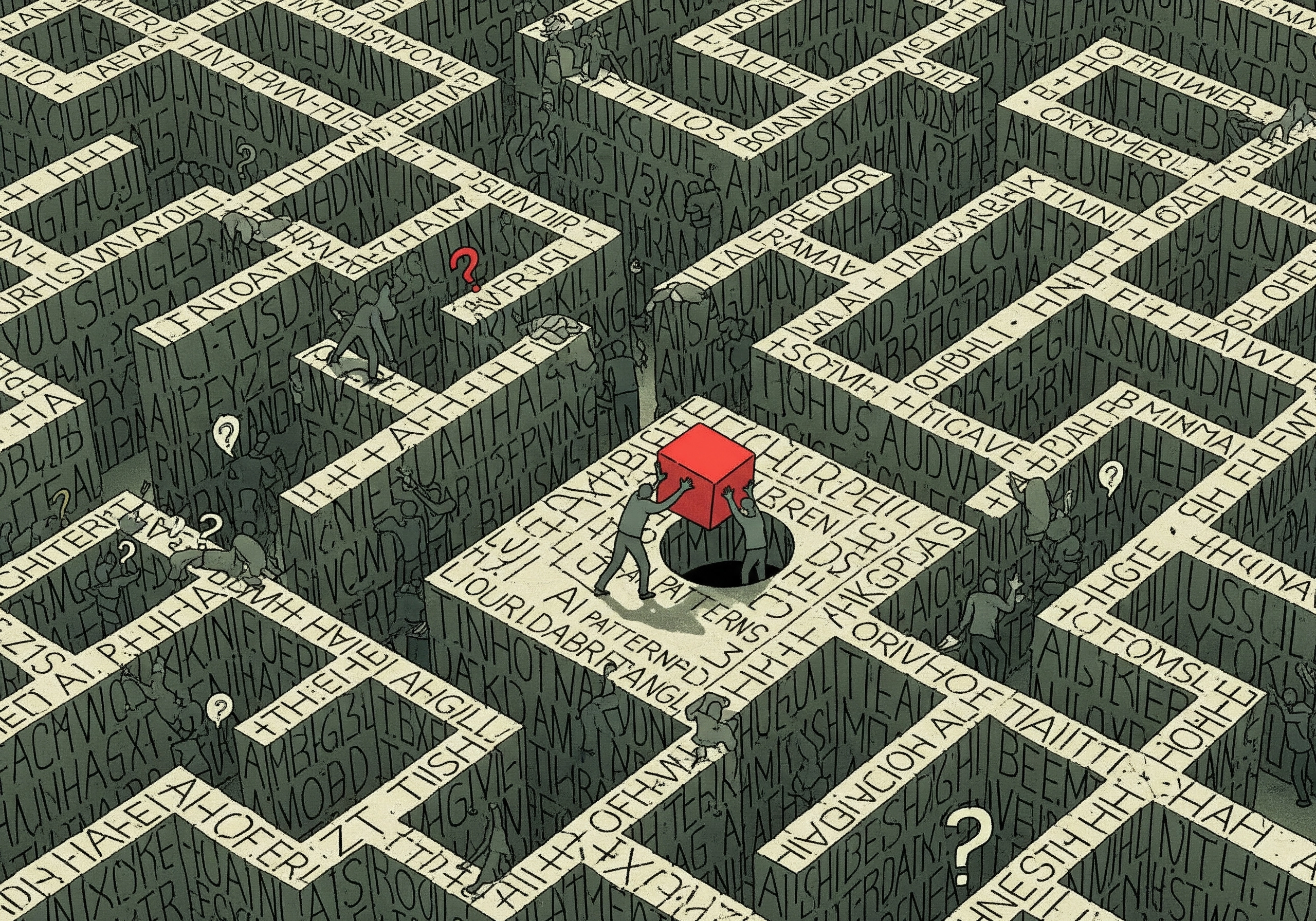
One of the most common AI writing mistakes is treating humanization as a simple synonym swap. Running AI text through a basic paraphraser or article spinner often results in awkward phrasing that fails to change the underlying robotic structure. These tools can’t add the unique perspective or firsthand experience that builds content authenticity.
Instead of just rephrasing, focus on restructuring. The goal is to add new value, not just shuffle existing words. A sophisticated AI humanizer can help, but manual intervention to inject unique data or anecdotes is far more effective.
Ignoring the Rhythmic and Structural Patterns
AI models have a tell-tale rhythm. They often produce sentences of similar length and paragraphs with a predictable, uniform structure. Editing for grammar and word choice alone won’t fix this fundamental issue, leaving the content vulnerable to detection and feeling lifeless to a human reader.
To avoid AI detection, you must break the machine’s cadence.
Actively introduce variety,what experts call burstiness. Combine short, punchy sentences with longer, more complex ones. This simple act of varying sentence structure is one of the most powerful ways to mimic natural human writing.
Forgetting the “Experience” in E-E-A-T
In 2026, Google’s E-E-A-T guidelines are non-negotiable. Raw AI-generated content is excellent at summarizing existing information (Expertise, Authoritativeness, Trustworthiness) but fails completely at demonstrating genuine Experience. Publishing content that lacks a unique, human perspective directly harms your long-term search engine optimization.
Infuse your content with personal insights, case studies, or proprietary data. Using phrases like “from our analysis” or “what we discovered” instantly adds a layer of credibility that AI cannot replicate. For those learning the ropes of AI content creation, this should be a primary focus.
Avoiding these pitfalls ensures your content not only bypasses detectors but also provides genuine value that resonates with readers and search engines alike.
Which Advanced Strategies and Tools Can Enhance Your Humanization Process?
Moving Beyond Basic Edits with an AI Humanizer Tool
While manual paraphrasing and syntax adjustments are foundational, the 2026 content landscape demands a more sophisticated approach. Basic edits often fail to mask the rhythmic predictability of AI-generated text. This is where an advanced AI humanizer tool comes into play, serving as a powerful first-pass editor to break these patterns.
These tools do more than just swap synonyms. They analyze sentence structures, re-map word probabilities, and introduce variations in length and complexity,the very burstiness and perplexity that AI detectors scrutinize. However, relying solely on a tool is a mistake. Think of it as a specialized assistant that handles the technical restructuring, freeing you to focus on the most critical element: adding unique value.
The Ultimate Strategy: Achieving True Information Gain
To truly humanize AI text and make it indispensable, your content must provide ‘Information Gain.’ This means adding new knowledge, perspectives, or data that cannot be found in the AI’s training set. It’s the definitive way to demonstrate experience and expertise under the E-E-A-T framework.
Consider these practical applications:
- Injecting Proprietary Data: Instead of saying “many businesses benefit,” state “Our Q3 analysis of 500 small businesses showed a 15% increase in lead conversion after implementing this strategy.”
- Adding Expert Anecdotes: Share a brief, relevant story from your professional experience that illustrates a key point.
- Providing a Contrarian Viewpoint: Challenge a commonly held belief in your industry and back it up with a logical argument.
True humanization isn’t about hiding AI; it’s about amplifying human insight.
Navigating Technical Authenticity with the C2PA Standard
The increasing adoption of the C2PA standard is another reason to prioritize genuine value. This standard embeds invisible metadata into AI-generated content to certify its origin. As this technology becomes more widespread, content that relies purely on technical manipulation without substantive human input may be flagged.
By focusing on Information Gain, you create content that is inherently authentic and valuable, rendering its origin secondary. A powerful workflow involves using a tool like GenWrite’s AI blog writer for initial drafting and SEO structuring, then dedicating your time to layering in these advanced human elements.
Ultimately, advanced humanization combines smart tooling with irreplaceable human experience, ensuring your content is both undetectable and undeniably valuable.
Ready to Write Undetectable Content? Your Next Steps Begin Now!

The Path Forward: From AI-Assisted to Human-Approved
The gap between powerful AI generation and authentic human connection is no longer an obstacle; it’s a bridge you now know how to build. We’ve moved beyond the simple fear of AI detection and into an era of strategic collaboration. The core principle is clear: success isn’t about tricking algorithms, but about creating content that genuinely serves your audience with real expertise and a natural voice.
Mastering this skill doesn’t require years of writing experience. It requires a new workflow,one where AI handles the initial lift, and you provide the irreplaceable human touch. The humanize content strategies we’ve detailed, from layered paraphrasing to infusing personal anecdotes and unique data, are your new toolkit for elevating machine-generated drafts into high-value, trustworthy assets.
True natural writing stands out because it adds value beyond what algorithms can synthesize.
Your next step is to put this knowledge into practice. Don’t just read about it; do it. Use a powerful AI blog generator to create a solid, SEO-optimized foundation for your next article. Then, apply the techniques from this guide to refine, restructure, and infuse your unique perspective. The goal is to create content that not only ranks well but also resonates deeply with your readers.
When you’re done, put your work to the test. Run it through a reliable AI content detector to see how your humanization efforts measure up. This iterative process of generating, refining, and testing is the key to consistently producing content that is both efficient and undeniably human.
Ready to create high-quality, undetectable content that ranks? Discover how GenWrite can automate your blog creation and amplify your organic reach.
People Also Ask
How can I make AI-generated content sound more human?
To make AI content sound more human, focus on increasing perplexity and burstiness. This involves varying sentence structure and length, using a more diverse vocabulary, and injecting personal anecdotes or unique insights. Tools and techniques can help break the predictable patterns of AI output.
What are the main ways AI content detectors identify AI writing?
AI content detectors primarily identify AI writing by analyzing patterns in sentence structure, word choice, and overall text predictability. They look for low ‘perplexity’ (how surprising the text is) and low ‘burstiness’ (lack of variation in sentence length and complexity), which are common in raw AI output.
Is it still possible to bypass AI detection in 2026?
Yes, it is possible to bypass AI detection in 2026, but it requires more than just simple paraphrasing. The key is to add genuine human value, such as personal experience, unique data, or expert insights, to the AI-generated draft. This ‘Information Gain’ makes the content truly original and harder for detectors to flag.
How does Google’s E-E-A-T relate to humanizing AI content?
Google’s E-E-A-T (Experience, Expertise, Authoritativeness, Trustworthiness) guidelines prioritize content that demonstrates real-world experience and deep knowledge. Humanizing AI content ensures it aligns with E-E-A-T by adding authentic perspectives and unique insights that AI alone cannot replicate, thereby building reader trust and improving search rankings.
What are the risks of relying solely on AI humanizer tools?
Relying solely on AI humanizer tools can be risky because they often only mask the surface-level AI patterns. Sophisticated AI detectors and Google’s evolving algorithms can still identify such content. True humanization requires substantial human input, creativity, and the addition of unique value beyond what automated tools can provide.
Can AI tools like GenWrite help create undetectable content?
AI tools like GenWrite can be powerful allies in creating undetectable content by handling the initial drafting, keyword research, and SEO optimization. However, to ensure content is truly human-like and bypasses detection, significant human editing, adding personal insights, and focusing on ‘Information Gain’ are crucial steps after the AI generation process.