
Bypass AI Content Detectors: A Humanizer’s Guide for 2026
Ready to Master the Art of AI Content Humanization in 2026?

In 2026, generating content with AI is simple, but ensuring it resonates with a human audience is a different challenge entirely. Advanced tools can now identify raw AI output with up to 99% accuracy, making the practice of simply publishing unedited text a significant risk to your SEO performance and brand credibility. The goal is no longer just to create content, but to create content that connects.
This is where the art of humanization comes in. If you’re new to this concept, you’re in the right place. This guide is designed to move you from relying on basic AI output to crafting sophisticated, authentic content that aligns with Google’s stringent E-E-A-T standards. We aren’t just trying to trick an ai content detector; we are elevating the output to meet a higher standard of quality.
The focus has shifted from evasion to genuine value addition.
Throughout this guide, you will learn the practical strategies needed to humanize content effectively. We’ll break down core concepts like perplexity and burstiness,the very metrics detectors use to evaluate text,and show you how to master them. You will discover how a hybrid workflow, blending AI efficiency with human insight, is the gold standard for success. While tools like the GenWrite AI blog generator provide a powerful foundation for content creation, the techniques here are the final step to ensuring your work is undetectable and genuinely helpful.
By the end, you’ll have a clear framework for transforming any AI-generated draft into a polished, authoritative article that engages readers and satisfies search engine expectations.
What Exactly is AI Content Humanization and Why Does it Matter Now?
Decoding AI Humanization: Beyond Synonym Swaps
Think of raw AI-generated text as a block of unrefined marble,structurally sound, but lacking the nuance and artistry of a finished sculpture. AI content humanization is the process of sculpting that raw output into a polished, authoritative piece that reads as if it were written by a seasoned expert. It’s not about tricking algorithms; it’s about elevating machine-generated drafts into content that resonates with human readers.
The urgency for this process in 2026 is driven by the sheer sophistication of modern detection tools. Platforms like Originality.ai and GPTZero now boast accuracy rates up to 99% for raw AI outputs, making unedited content a significant liability for digital publishers.
The Science Behind Detection: Perplexity and Burstiness
To effectively humanize content, you must first understand how an ai content detector works. These tools primarily analyze two key metrics:
- Perplexity: This measures the complexity and unpredictability of your text. Human writing is naturally varied and less predictable, resulting in high perplexity.
- Burstiness: This evaluates the variation in sentence length and structure. Humans write in bursts,mixing long, flowing sentences with short, punchy ones.
Raw AI output is often the opposite: low in perplexity and uniform in structure. Complicating matters further are technologies like invisible watermarking, which embed a digital signature directly into the text.
This is why an effective ai humanizer moves beyond simple synonym swapping. Modern tools, like those integrated into the GenWrite platform, perform deep semantic restructuring to increase these metrics, altering the logical flow to mimic human thought patterns.
Ultimately, the goal is to create helpful, people-first content that aligns with Google’s E-E-A-T standards. Humanization bridges the gap between machine efficiency and the genuine expertise your audience demands.
Why Are AI Detectors Catching Your AI-Generated Content?

The Predictable Footprint of AI-Generated Text
It’s a common frustration: you use a sophisticated ai content writer to produce what looks like a perfect article, only to have it flagged by an ai content detector. The reason isn’t a flaw in your process but a fundamental difference in how machines and humans create language. AI models are trained to be predictable; they select the most statistically probable next word, resulting in text that is smooth, logical, and incredibly uniform.
This uniformity is precisely what detectors are built to find. They analyze two key metrics:
- Perplexity: This measures the complexity and unpredictability of the text. Human writing is naturally high in perplexity because we use varied vocabulary and unconventional phrasing.
- Burstiness: This refers to the variation in sentence length and structure. Humans write in bursts,short, punchy sentences followed by longer, more descriptive ones. AI tends to produce sentences of similar length and rhythm.
Raw AI output is often too perfect, lacking the natural chaos of human expression.
Beyond Detection: The E-E-A-T and False Positive Problem
The challenge extends beyond simple detection. Raw AI content rarely satisfies Google’s E-E-A-T (Experience, Expertise, Authoritativeness, and Trustworthiness) standards because it lacks genuine experience. It can summarize existing information but cannot provide unique insights or personal anecdotes. This is why using an seo friendly blog generator requires a human touch to add that critical layer of value.
Furthermore, detectors aren’t infallible. Industry data shows a persistent 2-5% false positive rate, which disproportionately affects non-native English writers whose sentence structures can sometimes mimic AI patterns. The goal, therefore, isn’t just to create content that sounds human but to structure it in a way that avoids these pitfalls, a topic covered in detail in our guide on making AI content undetectable.
Ultimately, AI detectors succeed because they spot the absence of human-like variation and authentic experience,the very elements essential for high-quality, trustworthy content.
How Can You Truly Humanize AI Content: A Step-by-Step Approach for 2026?
Moving beyond the theory of detection, let’s establish a practical workflow. The goal isn’t to simply trick an algorithm; it’s to create content that is genuinely valuable, aligns with E-E-A-T, and performs exceptionally well. This is achieved through a ‘Hybrid Writing’ model, where an ai content writer handles the structure, and a human expert provides the irreplaceable soul.
This approach ensures both efficiency and quality, transforming a generic draft into an authoritative asset.
The 4-Step Humanization Framework
Adopting a structured process is key to consistently producing high-quality, humanized content. Here’s a reliable, step-by-step method for 2026.
-
Generate a Strong Foundation: Start with a high-quality draft from an advanced
ai blog writer. Tools like GenWrite create an SEO-optimized structure, complete with headings, keyword integration, and a logical flow. This is your 80% solution, not the final product. -
Apply Semantic Restructuring: This is the most critical technical step. Instead of just swapping synonyms, you must alter the core logic. Combine short paragraphs, split long ones, and reorder key arguments. This fundamentally breaks the predictable sentence-to-sentence patterns that AI detectors are trained to identify.
-
Inject Authentic Experience (E-E-A-T): This is where you truly humanize content. Weave in a personal anecdote, a unique data point from your own experience, or a contrarian opinion. Ask yourself: “What insight can I add that an LLM cannot find on the internet?” This layer is your competitive advantage.
-
Refine for Voice and Flow: Read the entire piece aloud. Does it sound stiff or unnaturally uniform? Manually adjust sentence lengths to improve burstiness and tweak word choices to match your brand’s unique voice. The final step is to validate your work with a reliable ai humanizer or detector as a final quality check.
This hybrid workflow transforms AI-generated text from a liability into a powerful starting point for creating truly helpful and authoritative content.
What Common Mistakes Should Beginners Avoid When Humanizing AI Text?
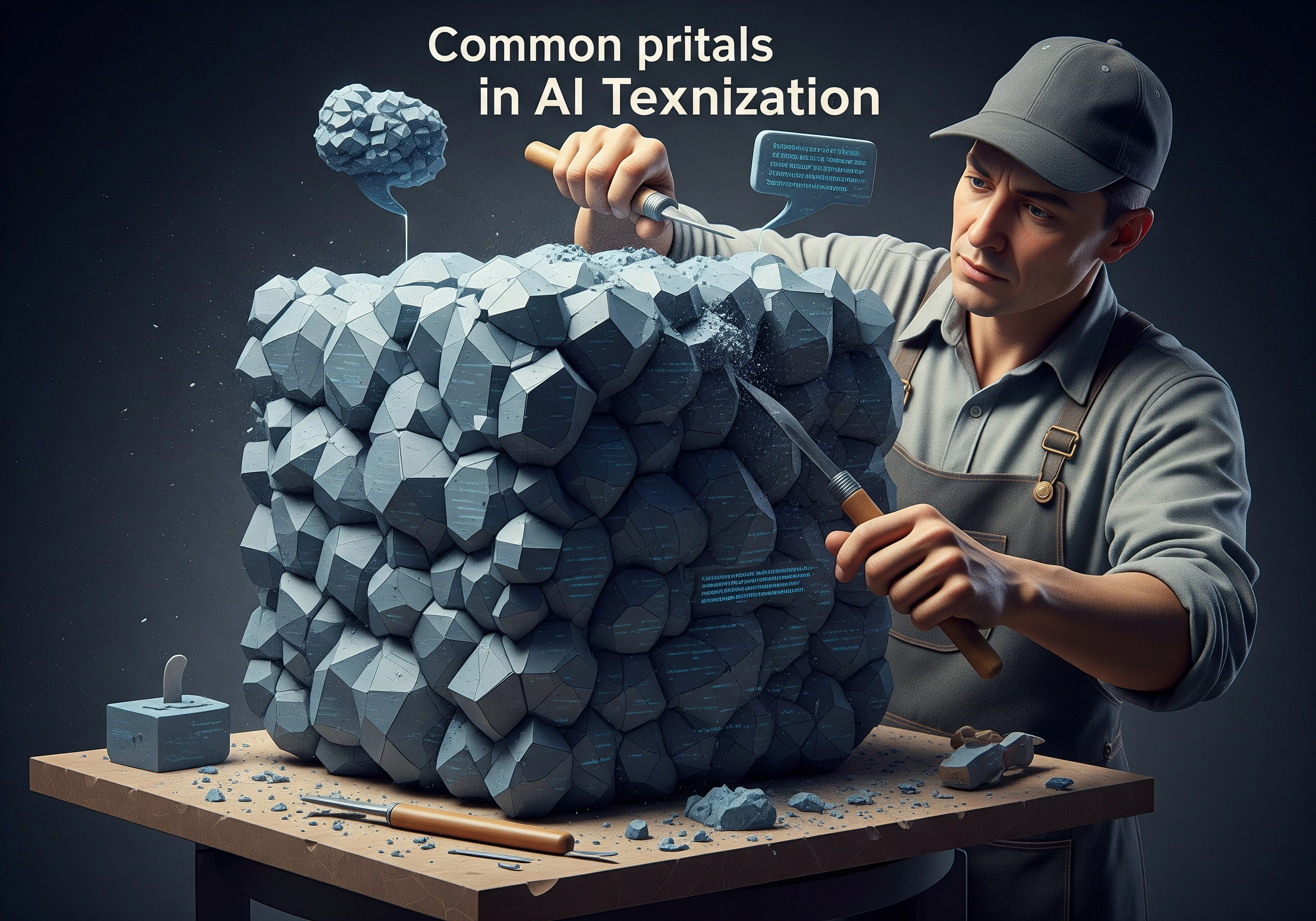
Jumping into the world of AI content humanization can feel like walking a tightrope. The goal is to make your text sound authentic without falling into common traps that either fail to bypass detectors or simply make the content worse. Let’s break down the most frequent missteps beginners make when they first try to humanize content.
Mistake 1: The Synonym Swap Trap
The most common error is treating humanization like a game of find-and-replace. Simply swapping out common AI words for synonyms doesn’t work against a modern ai content detector. These systems analyze sentence structure (burstiness) and complexity (perplexity), not just vocabulary. A text with swapped words but the same robotic sentence rhythm will still get flagged.
Instead of changing individual words, focus on semantic restructuring. This means altering the entire sentence’s architecture,combine short sentences, break down long ones, and rephrase core ideas to create a natural, varied reading experience.
Mistake 2: Ignoring Context and Narrative Flow
Another pitfall is editing in a vacuum. Beginners often correct grammar and phrasing line by line without considering the overall narrative. This leads to a piece that feels disjointed, even if every sentence is technically “human.” AI-generated text often lacks a compelling story or logical progression from one idea to the next.
After your initial edits, read the entire article aloud. Does it flow logically? Does it build an argument or tell a coherent story? This step is crucial for transforming raw output into a valuable asset.
Mistake 3: Sacrificing Clarity for Complexity
In an effort to increase perplexity, many beginners over-edit their content, stuffing it with jargon and convoluted phrasing. This makes the text difficult to read and undermines the user-first principle that search engines reward. Your goal is to sound human, not like an indecipherable academic paper.
True humanization enhances clarity; it doesn’t obscure it.
The most effective strategy is to find a balance. Using an advanced AI humanizer can help restructure content intelligently, but always verify the output with a reliable AI content detector and your own judgment to ensure it remains helpful.
Can Real-World Examples Show the Power of Humanized AI Content?
The Transformation: From Robotic Text to Ranking Content
Let’s consider a common scenario: a B2B tech company uses an AI blog writer to generate an article on cloud security trends. The initial output is factually accurate but lacks a distinct voice. It uses repetitive sentence structures and generic phrasing,classic signs of unedited AI that sophisticated detectors flag instantly.
This is where the humanization process creates tangible value. Instead of publishing the raw text, the content team implements a hybrid workflow.
First, they process the draft through an ai humanizer tool like GPTHuman or Human Writes. This initial step restructures sentences and varies vocabulary, increasing the text’s perplexity and burstiness. But the real work begins after this automated pass. A human editor injects specific case studies, adds a compelling client anecdote, and reframes the introduction with an expert prediction for the coming year. They humanize content not just to pass detectors, but to build authority.
The raw AI draft becomes a powerful, SEO-optimized asset.
This transformation is crucial. An advanced AI blog writer like GenWrite provides a robust, SEO-friendly foundation, but the final layer of human expertise is what secures top rankings and builds reader trust.
Before vs. After: A Comparative Snapshot
| Metric | Raw AI Output | Humanized Content |
|---|---|---|
| AI Detector Score | 98% AI-Generated | 99% Human-Written |
| E-E-A-T Signals | Low (Generic Facts) | High (Expert Insights, Data) |
| Reader Engagement | High Bounce Rate | Low Bounce Rate, High Time-on-Page |
| Search Ranking | Page 3-4 | Top 5 Position |
This example shows that humanization is not about tricking algorithms; it’s a strategic process for elevating machine-generated drafts into content that performs. The goal is to align the efficiency of AI with the irreplaceable value of human experience, a core principle for optimizing content in 2026.
Where Can You Find Advanced Resources to Deepen Your Humanization Skills?

Mastering the art of humanization is an ongoing journey, not a one-time fix. As the technology behind any ai content detector evolves, so must our skills in refining AI-generated text. To stay ahead, you need to continuously learn from the best minds and leverage the right tools. Think of it as building a toolkit for content excellence.
Expanding your expertise requires looking beyond basic tutorials. The goal is to internalize the principles of compelling, human-centric writing so that you can apply them efficiently to AI-generated drafts. This hybrid approach ensures you maintain both quality and velocity in your content production.
Key Resources for Advanced Learning
To deepen your understanding, I recommend diversifying your learning channels. Combining theoretical knowledge with practical application is the fastest way to develop an intuitive sense for what makes content feel genuinely human. Below are some curated resources to guide you.
| Resource Category | Recommended Examples | Primary Benefit |
|---|---|---|
| Advanced Blogs | Search Engine Journal, Content Marketing Institute | Latest trends in SEO and E-E-A-T. |
| Essential Books | On Writing Well by William Zinsser, Everybody Writes by Ann Handley | Timeless principles of clarity and style. |
| Online Courses | Coursera’s “Creative Writing Specialization”, HubSpot Academy | Structured learning on narrative and persuasion. |
| Communities | Traffic Think Tank, Superpath | Peer insights and advanced strategies. |
While a dedicated ai humanizer can help with surface-level edits, true mastery comes from understanding the core mechanics of good writing. For a streamlined workflow, starting with a powerful seo friendly blog generator like GenWrite provides a robust foundation. Our platform is an AI SEO content generator engineered for advanced SEO optimization for blogs, giving you a high-quality draft that requires less manual intervention from the start.
By combining a powerful AI engine with your own refined skills, you create a content workflow that is both efficient and capable of bypassing even the most advanced detectors.
Ready to transform your AI content into undetectable, SEO-optimized masterpieces? Discover how GenWrite automates the end-to-end blog creation process, helping you achieve unparalleled organic reach.
People Also Ask About Humanizing AI Content
What is the main goal of humanizing AI content?
The main goal of humanizing AI content is to make it indistinguishable from human-written text. This ensures it bypasses sophisticated AI content detectors, maintains authenticity, and meets search engine quality guidelines like E-E-A-T, ultimately improving SEO performance and user engagement.
How do AI content detectors work?
AI content detectors primarily analyze text for patterns indicative of AI generation. They measure metrics like perplexity (text complexity) and burstiness (sentence structure variation). Raw AI output often has low perplexity and burstiness, making it detectable. Advanced detectors use semantic analysis to identify these uniform patterns.
What are perplexity and burstiness in content?
Perplexity refers to the complexity and unpredictability of text; human writing is generally more complex. Burstiness measures the variation in sentence length and structure; humans tend to use a mix of short and long sentences, while AI often produces uniform sentences. Increasing these metrics helps humanize AI content.
What is the ‘Hybrid Writing’ approach for AI content?
Hybrid writing combines the efficiency of AI content generation with human expertise and creativity. AI can draft content, research keywords, and structure articles, while humans add unique insights, personal anecdotes, and refine the narrative for authenticity and E-E-A-T compliance. This approach is considered the gold standard for creating high-quality, undetectable AI content.
Are there risks in using simple synonym swaps to humanize AI text?
Yes, relying solely on synonym swaps is a common mistake. This superficial edit often fails to alter the underlying sentence structure or logical flow, making the content still detectable by advanced AI detectors. It can also lead to awkward phrasing and a loss of original meaning, negatively impacting readability and SEO.
How does Google view AI-generated content in 2026?
Google’s stance is that AI-generated content is not inherently penalized as long as it is helpful, high-quality, and created for users, not just search engines. The focus is on the content’s value and adherence to E-E-A-T principles. Humanizing AI content ensures it meets these standards, making it valuable for both users and search engine rankings.