
Make AI-Written Content Sound Human: An Easy Guide for 2026
Why Does AI-Written Content Need a Human Touch in 2026?

The Human Imperative in an AI-Driven World
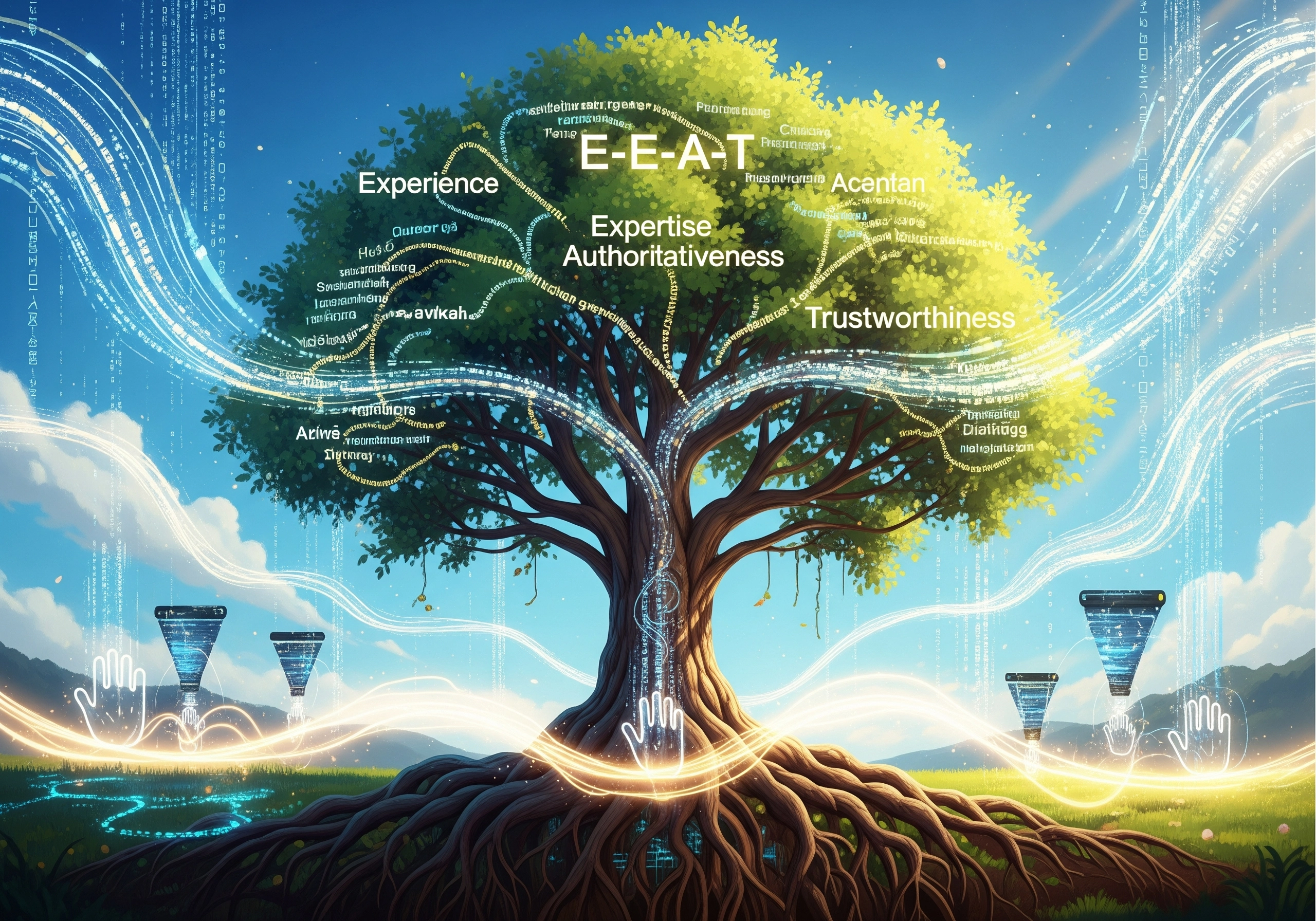
In 2026, the digital landscape is saturated with content generated by AI. While an ai blog writer can produce articles at an unprecedented scale, a critical gap has emerged between automated output and genuine human connection. Readers and search engines alike are prioritizing authenticity, experience, and trust,qualities that pure AI struggles to replicate. As Google’s E-E-A-T (Experience, Expertise, Authoritativeness, and Trustworthiness) standards become more sophisticated, simply publishing unedited AI text is no longer a viable strategy for sustainable growth.
This guide is for marketers, entrepreneurs, and content creators who leverage the power of an ai content writer but recognize the need for a final, crucial step: the human touch. If you want to transform robotic drafts into engaging, high-ranking articles that build a real audience, you’re in the right place.
Raw AI output often fails because it lacks the nuance of lived experience.
We will provide a practical framework to humanize content effectively. You will learn how to move beyond generic text by injecting unique perspectives, personal anecdotes, and a distinctive voice. We’ll explore why AI struggles with linguistic variance and how to overcome it to satisfy both readers and the algorithms of tools like an ai content detector. By the end, you’ll have a clear process for refining AI-generated drafts, ensuring your content stands out, connects deeply, and achieves its strategic goals using the best smart AI SEO tools.
What Exactly Does ‘Humanizing AI Content’ Mean?
Bridging the Gap Between ‘Correct’ and ‘Compelling’
At its core, to humanize content means to infuse AI-generated text with the authentic qualities of human communication: personality, experience, and unique perspective. While an AI can produce a grammatically perfect and factually accurate article, it often lacks the subtle nuances that build trust and engage a reader. It’s the difference between a textbook definition and a story told by an expert.
Think of it this way: raw AI content is like a technically flawless but soulless musical performance. Every note is correct, the tempo is perfect, but it lacks the passion and emotion that connects with an audience. Humanizing the content is the act of adding that emotion,the personal anecdotes, the contrarian opinions, and the unique voice that makes the piece memorable.
This isn’t just about sounding less robotic; it’s a strategic imperative for 2026.
Search engines, guided by principles like E-E-A-T (Experience, Expertise, Authoritativeness, Trustworthiness), are increasingly adept at distinguishing generic summaries from content that demonstrates genuine, first-hand experience. An ai humanizer tool can help smooth out the linguistic patterns, but the real value comes from a human editor adding insights that an algorithm cannot invent. This final step transforms a functional draft into a high-performing asset that resonates with both people and search engines. Utilizing the right ai seo writing tools provides the foundation, but the human touch builds the skyscraper.
Ultimately, humanizing AI content is the process of transforming automated output into a trustworthy resource that feels like it was written for a person, by a person.
Why is Authentic AI Content Essential for Your Success in the Digital Age?
The Authenticity Gap in an AI-Saturated World
In 2026, the digital landscape is flooded with content. The barrier to entry for publishing has all but vanished, thanks to powerful AI tools. Yet, this explosion in quantity has created a massive deficit in quality and authenticity. Readers are becoming adept at spotting the robotic, lifeless prose of unedited AI, and search engines are getting even better at it.
The core challenge isn’t just avoiding penalties; it’s about building a genuine connection. Generic AI content, by its nature, regurgitates existing information. It lacks personal stories, unique insights, and the critical “Experience” component of Google’s E-E-A-T guidelines. This is precisely why Google’s spam policies explicitly target content created solely to manipulate search rankings without adding real value.
Authentic content is no longer a preference; it’s a prerequisite for digital relevance.
Navigating E-E-A-T and Advanced AI Detection
Google’s emphasis on Experience, Expertise, Authoritativeness, and Trustworthiness (E-E-A-T) acts as a quality filter. Content that merely summarizes what’s already known fails this test. True success lies in providing “Information Gain”,offering a perspective or data point that readers can’t find elsewhere. This is something base AI models struggle with, as they are trained on the past, not on novel experiences.
Simultaneously, the rise of a sophisticated ai content detector means that simply running text through a “humanizer” isn’t a sustainable strategy. These detectors analyze linguistic patterns like perplexity and burstiness. While an seo friendly blog generator like GenWrite can create a solid, optimized foundation, the essential final step is human refinement. This is where you inject unique anecdotes and genuine experience to create content that not only satisfies algorithms but also boosts your Google AI ranking.
The Strategic Imperative: From Automation to Augmentation
The most successful creators in 2026 don’t view AI as a replacement for human writers but as a powerful assistant. They use AI for what it excels at: rapid research, structuring drafts, and initial SEO optimization. Then, they layer on their unique expertise, transforming an automated draft into an authoritative asset. This human-in-the-loop model is the key to scaling content production without sacrificing the authenticity that builds trust and drives conversions.
Ultimately, your goal is to create content that is so valuable and unique that it becomes a primary source. This is how you optimize for AI summaries and establish your brand as a leader.
Authentic, human-refined AI content is essential because it bridges the gap between automated efficiency and the genuine connection required for lasting success.
How Can You Start Transforming AI Text into Engaging Human Voice?
Start with a High-Quality AI Draft
Transitioning from raw AI output to a human-like voice begins with the quality of your source material. Instead of a generic prompt, use a sophisticated AI blog generator that handles initial keyword research, structuring, and competitor analysis. Platforms like GenWrite provide an SEO-optimized framework, which serves as a robust blueprint rather than a finished product. This approach saves hours and ensures the foundational elements are already in place for you to build upon.
Think of the AI as your research assistant, not the final author. Its job is to create a logically sound and topically relevant draft, freeing you up to focus on the high-value task of humanization.
Inject Your Unique Voice and Experience
This is the most critical step to humanize content. AI models are trained on existing data; they cannot generate novel experiences or genuine opinions. Infuse the text with your unique perspective.
- Add Personal Anecdotes: Start a section with a brief, relevant story from your own experience.
- Incorporate Contrarian Views: Challenge a common assumption in your industry. AI rarely does this, as it defaults to consensus.
- Use Specific Examples: Replace generic statements like “many businesses benefit” with a concrete example: “A small e-commerce client of ours increased conversions by 15% by implementing this exact strategy.”
Authentic experience is the one thing that algorithms cannot replicate.
Refine Sentence Structure and Word Choice
AI-generated text often has a uniform, predictable rhythm that an AI content detector can easily flag. To counter this, you must introduce variance, or “burstiness.” Deliberately mix short, punchy sentences with longer, more descriptive ones. This simple change breaks up the robotic cadence and improves reader engagement.
Furthermore, audit the vocabulary. AI tends to overuse formal words like “utilize,” “delve,” and “leverage.” Swap these for more conversational alternatives. This isn’t just about avoiding detection; it’s about creating a more natural and accessible reading experience.
Leverage an AI Humanizer as a Final Polish
After you’ve manually edited the content, an AI humanizer can be a useful final step. These tools are designed to rephrase sentences to increase linguistic complexity and variance, further reducing the AI footprint. However, use them with caution. Over-reliance can sometimes lead to awkward phrasing or diluted meaning.
Always review the output from a humanizer tool. Consider it a final check to catch any remaining robotic patterns, not a shortcut to skip the essential manual editing and injection of personal expertise.
What Common Pitfalls Should Beginners Avoid When Humanizing AI Content?

Navigating the final steps of content creation can be tempting to automate completely, but this is where many promising articles fall short. To ensure your AI-assisted content truly performs, you must sidestep a few common beginner traps.
Pitfall 1: Over-Reliance on Automated Polishers
A common mistake is feeding raw AI text directly into an ai humanizer and calling the job done. While these tools can help smooth out phrasing, they can’t add substance. Relying on them exclusively often results in grammatically correct but soulless content that still feels generic. It might even introduce awkward phrasing that hurts readability and SEO.
The Fix: Treat humanizers as a final-pass tool for minor adjustments, not a primary editor. The real work of injecting personality and unique insights must happen manually before this step.
Pitfall 2: Neglecting E-E-A-T Signals
Simply rewording AI output is not humanizing; it’s just paraphrasing. Beginners often focus on flow and forget to add the critical signals of Experience, Expertise, Authoritativeness, and Trustworthiness (E-E-A-T). AI models are trained on existing data and cannot generate genuine, first-hand experience.
The Fix: Actively embed your unique perspective. Add a personal anecdote, a short case study, or a contrarian opinion that challenges the status quo. This is what truly differentiates your content and builds trust with both readers and search engines.
Pitfall 3: Ignoring Rhythmic Variance
An ai content detector often flags text based on its predictability, especially uniform sentence length and structure (low burstiness). A common oversight is preserving this robotic rhythm during the editing process. The result is content that feels monotonous and fails to hold reader attention.
The Fix: Intentionally vary your sentence structure. Follow a long, detailed sentence with a short, punchy one. This creates a more dynamic and engaging reading experience that mimics natural human speech.
Ultimately, effective humanization is about strategic enhancement, not just cosmetic fixes. Using a powerful AI blog generator to handle the initial research and drafting frees up your time to focus on these high-impact refinements, ensuring your final product is both efficient and authoritative.
Where Can You Find More Tools and Knowledge to Master AI Content Humanization?
Advanced Tools for Your Workflow
While the human-in-the-loop model is paramount, the right tools can accelerate your refinement process. An effective workflow often involves a combination of generation, detection, and humanization platforms. While our own AI blog generator excels at creating a strong, SEO-optimized foundation, other specialized tools can help with the final polish.
- AI Content Detector Tools: Platforms like Originality.ai and GPTZero are essential for auditing your content. They analyze perplexity and burstiness to flag text that still sounds robotic, giving you a clear benchmark for your editing efforts.
- AI Humanizer Tools: Services like Undetectable AI can help rephrase sentences to increase linguistic variance. Use them sparingly as a final step to smooth out awkward phrasing, but never as a replacement for genuine human insight.
Essential Reading and Knowledge Hubs
Staying ahead in 2026 requires continuous learning. The principles of what makes content valuable are constantly being refined by search engines and audience expectations. To truly humanize content, you must understand the rules of the digital ecosystem.
For authoritative guidance, make the official Google Search Central Blog your primary resource. It provides direct insight into algorithm updates and content quality expectations. Supplement this with industry-leading publications that offer practical strategies and case studies.
Communities and Ongoing Learning
Finally, don’t underestimate the power of community. Engaging with other professionals in SEO and content marketing provides real-time insights that static articles cannot. Platforms like LinkedIn groups and specialized subreddits offer a space to discuss new techniques, share results from different approaches, and learn how others effectively humanize AI-generated text. For more insights on building a robust content plan, explore our guide on how to strategize with an AI content writer.
Mastering AI content humanization is an ongoing discipline, combining powerful tools with deep strategic knowledge and a commitment to authentic communication.
Ready to Make Your AI Content Truly Shine?

You’ve now explored the essential framework for transforming standard AI output into content that truly connects and converts. We’ve moved from understanding why humanization is critical for E-E-A-T to the practical steps of injecting personality, varying sentence structure, and adding authentic experience. This journey isn’t about spotting AI flaws; it’s about unlocking AI’s potential as a powerful collaborator.
The most important takeaway is that this skill is entirely achievable. You don’t need to be a seasoned editor to start. The process begins with a simple shift in mindset: viewing the AI draft as the starting block, not the finish line.
This is precisely where an advanced AI blog writer like GenWrite provides a strategic advantage. By handling the heavy lifting of keyword research, competitor analysis, and SEO-optimized drafting, it frees up your valuable time. You can bypass the tedious setup and focus directly on the high-impact task of refining the narrative, adding unique insights, and ensuring the voice is unmistakably yours.
Your next step is a practical one.
Take the next article from your AI tool and apply just one technique from this guide. Add a short, relevant anecdote. Rewrite a single paragraph to improve its rhythm. Learning to humanize content effectively is an iterative process, and the journey begins with that first deliberate edit. By doing so, you build a powerful, sustainable engine for content that both search engines and human readers will reward.
Ready to elevate your AI content? Streamline your drafting process and focus on adding that crucial human touch with GenWrite, your AI-powered partner for exceptional blog creation.
People Also Ask
How accurate are AI content detectors in 2026?
By 2026, AI content detection tools are expected to exceed 98% accuracy for base AI models. This means that raw AI-generated content is easily flagged. Humanizing your content is essential to bypass these advanced detection systems and ensure your writing is perceived as authentic.
What are the key differences between AI content and human content?
Human content typically exhibits higher perplexity and burstiness, characterized by varied sentence structures and less predictable word choices. It also naturally incorporates personal experiences, emotions, and unique perspectives. AI content often has uniform sentence lengths and predictable phrasing, lacking the nuanced ‘human touch’.
Can AI humanizer tools completely make AI content sound human?
AI humanizer tools can significantly assist in rephrasing content to mimic human variance, but over-reliance can lead to unnatural phrasing or ‘word salad’. The most effective approach in 2026 is a ‘human-in-the-loop’ model, where AI drafts content, and human editors refine it to ensure quality, authenticity, and SEO effectiveness.
How does Google’s E-E-A-T relate to humanizing AI content?
Google’s E-E-A-T (Experience, Expertise, Authoritativeness, Trustworthiness) guidelines prioritize content that demonstrates real-world experience and genuine insight. Humanizing AI content, by adding personal anecdotes, case studies, and unique perspectives, directly supports these E-E-A-T signals, making your content more trustworthy and valuable to readers and search engines.
What is ‘burstiness’ in writing, and why is it important for humanizing AI content?
Burstiness refers to the variation in sentence length and complexity within a piece of writing. Human writing naturally includes a mix of short, punchy sentences and longer, more complex ones. AI content often lacks this variation, resulting in a uniform rhythm. Increasing burstiness helps AI-generated text mimic human writing patterns and evade detection.
What are the risks of using AI-generated content without human editing?
The primary risks include being flagged by AI content detectors, potentially leading to penalties from search engines like Google for violating spam policies. Furthermore, content that lacks a human touch, personal experience, and unique insights will fail to engage readers, build trust, and establish authority, ultimately hindering your SEO performance and brand reputation.