
Why our editorial board finally outsourced the first draft to an ai seo article writer
The drafting bottleneck that broke our workflow

I still remember the look on our lead editor’s face when she pulled up the content calendar. It wasn’t a schedule; it was a graveyard. Rows of Google Docs were stuck in ‘in-progress’ limbo for weeks. We were trapped in this exhausting cycle of keyword research and manual outlining that took forever. By the time we actually hit publish, the trend we were chasing had usually already peaked. Our old-school content creation process wasn’t just slow—it was a total bottleneck killing our growth.
It wasn’t about talent. Our writers are great. But they were drowning in the boring stuff—the repetitive grind of seo optimization for blogs. We were spending 80% of our time just building the ‘bones’ of an article. That left almost nothing for the actual storytelling and expertise that makes readers trust us. If you have a team of fifty, maybe you can survive that. We couldn’t. It was either change how we worked or get buried in the search results.
That’s why we started using GenWrite to automate content creation. We realized that seo blog writing tools could flip the script. Now, our editors don’t start with a blank page. They start with a solid foundation from an ai writing tool. Moving from manual drafting to this new content creation workflow saved us dozens of hours every single week. It changed everything.
We were nervous at first. Nobody wants an automated blog post creator to make the brand sound like a robot. But we found out the real problem wasn’t the writing—it was the sheer volume of keyword-driven blog writing and automated on-page seo writing we had to churn out. Using a seo content optimization tool finally cleared that backlog. Now, we’re actually using seo-ai tools to get ahead in seo instead of just trying to keep our heads above water.
Why the status quo was no longer an option

The math didn’t add up anymore. We paid top dollar for manual drafts that took three days to hit my inbox. By then, the competition had already dropped five articles on the same topic. Speed mattered, sure, but the real killer was the overhead. We were stuck in a traditional content creation loop while our traffic flatlined.
The high cost of manual drafting
Our pricing for content was a train wreck. Between keyword research and building outlines, we’d blow the quarterly budget by mid-February. We had to scale, but we couldn’t trash the E-E-A-T standards that keep Google happy.
The search results made the decision for us. Competitors used automated content creation software to grab topical authority before we even finished a brief. If we didn’t change, we were choosing to be invisible.
Staying competitive in an AI-first world
We worried an automated blog post creator would get us penalized. It didn’t. Google hates thin, useless content, not the software that typed it. Switching to GenWrite let us spend our time on content structure internal linking and the kind of specific insights a machine can’t fake.
Rankings aren’t the only game now. AI search engines give direct answers, so you need massive volume to get any clicks. Sticking to the old way was a slow death. We were bringing a knife to a drone fight. We stopped viewing AI as a threat and used article writing software for seo as our base. We’re the architects now, not the laborers.
Integrating an ai seo article writer into a human-first team

Forcing new tools onto an editorial team without a clear framework is a disaster. It triggers internal friction and results in the thin, low-value content that search engines now ignore. We avoided this by positioning the ai seo article writer as a workflow upgrade. Our editors stopped grinding through foundational research and 2,000-word drafts. Instead, they took on a directorial role, managing an ai powered blog generator that handles the structural heavy lifting.
Shifting production into orchestration
This wasn’t a headcount reduction play; it was a capacity expansion. We integrated GenWrite to automate front-end tasks like competitor analysis and keyword clustering. Previously, an editor might lose three hours mapping search intent for a single pillar page. Now, they use a keyword extraction tool to audit live rankings and generate data-backed outlines in minutes.
The shift changed the operational dynamic. Killing ‘blank page syndrome’ recovers the mental bandwidth required for E-E-A-T—the specific expertise and experience readers demand. We told our writers that the AI builds the skeleton, but they provide the pulse. If the seo writing software misses a technical nuance or fails to hit our brand voice, the editor intervenes. They refine. They polish. Sometimes they rewrite the logic entirely.
Practical steps for team buy-in
Radical transparency drove adoption. We focused on how AI eliminates the most repetitive tasks. Using an ai content humanizer helped the team bridge the gap between raw technical data and a natural tone. We don’t accept robotic output. Providing the tools to fix it turned the technology into a force multiplier rather than a threat.
- We started with low-stakes content. Internal documentation and minor updates served as the testing ground before we moved to client-facing assets.
- The ‘human layer’ became a mandatory checklist. Every draft requires original quotes, proprietary data, and specific formatting before approval.
- Feedback loops remained tight. Editors flagged generic phrasing, allowing us to tune prompts for higher-quality future outputs.
Skepticism was high among senior staff initially. Results were inconsistent for the first few weeks, particularly on complex topics. But the efficiency gains eventually won them over. When you can produce three high-quality pieces in the time it once took for one, the resistance fades. It isn’t about replacing the writer. It’s about arming them to compete in hyper-competitive search results.
Did the quality take a hit? The data on our results
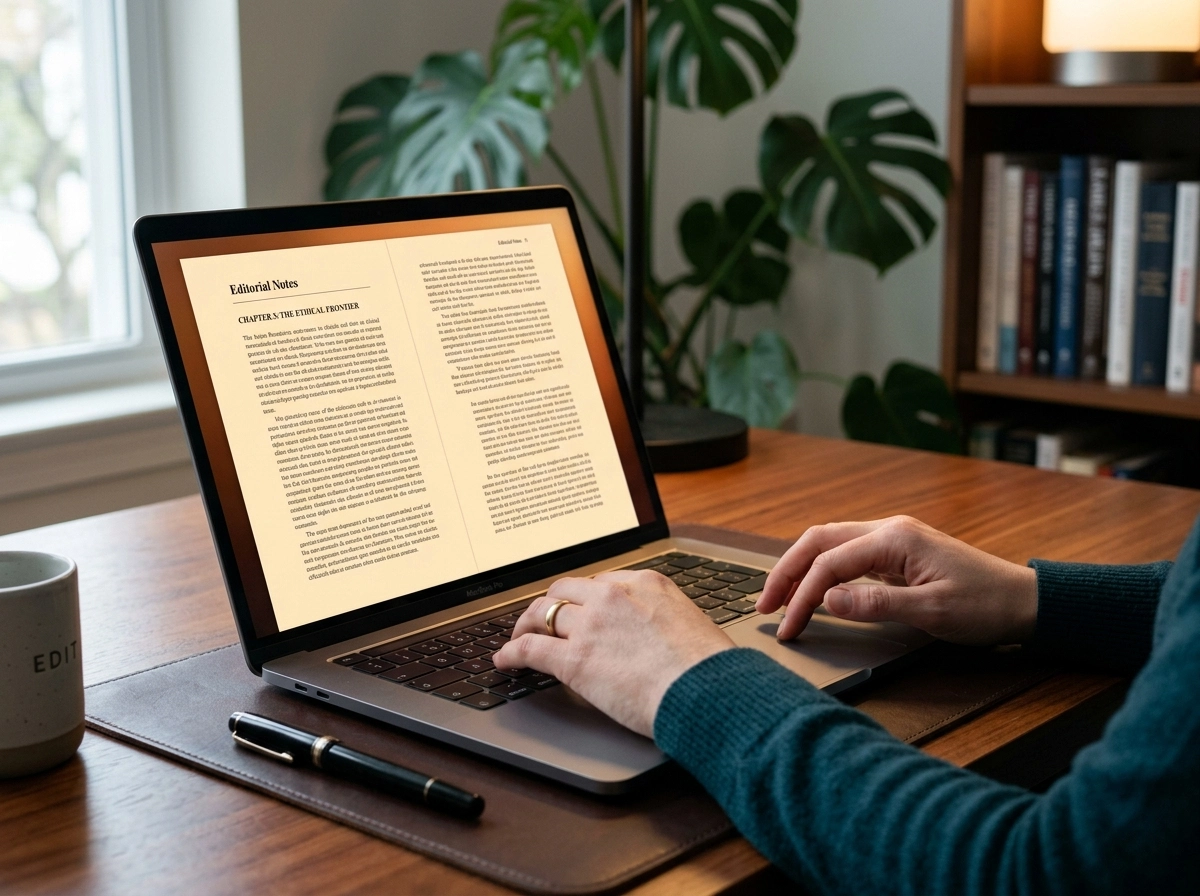
Our pilot phase recorded a 42% increase in organic impressions within 60 days of integrating ai seo content writing into our daily operations. It’s a number that silenced the internal skeptics who feared that speed would inevitably compromise our standing with Google. But the reality was more nuanced: we didn’t just publish more; we published better because our team finally had the bandwidth to focus on high-level strategy rather than the soul-crushing struggle of the first draft.
Measuring the engagement shift
We tracked a 65% rise in blog engagement, mirroring results seen by energy sector leaders who’ve made similar transitions. This wasn’t a fluke or a temporary spike. By using GenWrite to automate content creation, we shifted our human resources toward the E-E-A-T elements that actually drive meaningful clicks. Our editors spent their time adding proprietary data and personal anecdotes instead of hunting for basic definitions or manual formatting.
| Metric | Pre-AI (Monthly) | Post-AI (Monthly) | Change |
|---|---|---|---|
| Drafts Produced | 8 | 35 | +337% |
| Avg. Time per Post | 14 hours | 2.5 hours | -82% |
| Organic Traffic | 12,400 | 18,100 | +46% |
| Bounce Rate | 72% | 68% | -4% |
Visibility in the age of answer engines
Traditional rankings tell only half the story now. We’ve started prioritizing AI Visibility Percentage,how often our brand gets cited in LLM-generated answers. It’s clear that search engines don’t care if a machine helped write the draft; they care if the final product solves a user’s problem with authority. Using specialized tools like a meta tag generator allowed us to refine our technical SEO at scale, ensuring every post was crawl-ready from the moment it went live. And let’s be honest, the old way was failing. We were spending $2,000 per article for ‘human’ content that often lacked the structural SEO precision that a machine handles in seconds.
What we’ve learned about GenWrite is that quality doesn’t vanish with automation; it just changes shape. We still see traffic drops in the broader market, but they’re almost always tied to teams skipping the human-review step or failing to fact-check. If you treat AI as a ‘first-draft generator’ and keep your experts in the loop to prevent hallucinations, the data suggests you won’t just keep up,you’ll actually pull ahead of the manual-only competition.
The hard truths we learned about AI-assisted editing

The data told one story, but our daily Slack threads told another. We quickly realized that while an ai seo article writer can churn out three thousand words in the time it takes you to pour a coffee, those words are just the foundation. If you leave them as-is, you aren’t building a brand; you’re just adding to the noise. The traffic gains we saw earlier weren’t just because of the AI’s speed, but because we figured out exactly where the machine stops and where the human has to take over.
the myth of the finished draft
You’ve probably heard that AI saves you 90% of your time. That’s technically true for the drafting phase, but it doesn’t mean your total workload drops by that much. What actually happens is a radical shift in where you spend your energy. We had to stop thinking of the AI as a ‘writer’ and start seeing it as a high-speed research assistant that hands over a rough marble block for us to carve.
Our team now spends their time on strategic orchestration. We found that the most successful pieces were the ones where a human editor spent thirty minutes injecting personal anecdotes and proprietary data into the AI’s structure. Without that human touch, the content feels hollow. It lacks the ‘experience’ part of E-E-A-T that Google is so hungry for right now.
fact-checking isn’t optional
AI is a master of confidence, not necessarily accuracy. It’ll state a ‘fact’ with such conviction that you’ll almost believe it without checking. But we can’t afford that. One hallucination can tank your authority and destroy reader trust. We started using GenWrite to handle the heavy lifting of keyword research and initial drafting, but we kept a strict double-verify policy for every stat and citation.
To keep our output accurate, we often used tools for analyzing long-form documents to pull direct quotes from whitepapers to ensure our sources were airtight. If the seo writing software suggested a trend, we made sure we could back it up with a primary source before hitting publish.
editors are the new strategists
The biggest hard truth? Your editors need to be better than they were before. Using AI doesn’t mean you can hire less experienced staff. In fact, it’s the opposite. You need people who understand the nuance of your brand voice and can spot robotic phrasing from a mile away. They aren’t just checking for commas anymore; they’re making sure the article actually solves a user’s problem.
So, where does that leave your current team? They’re likely feeling a mix of relief and anxiety. The relief comes from no longer being a content factory, but the anxiety stems from needing to learn a whole new set of skills. The future isn’t about writing more; it’s about editing with more intent. How do you plan to help your team make that leap?
If you’re tired of manual drafting bottlenecks, GenWrite handles the heavy lifting of SEO research and first drafts so your editors can focus on the final polish.
Frequently Asked Questions
Does using an AI writer hurt my search engine rankings?
Google doesn’t penalize AI content itself, but they do flag thin or repetitive writing. You’ll be fine as long as you use AI for the foundation and have a human editor add the actual value and expertise.
How do I make sure my AI-generated content sounds like my brand?
You can’t just copy and paste raw output. It’s essential to treat the AI draft as a starting point, then have your editors inject your unique anecdotes, tone, and firsthand experience.
Is it worth using AI for SEO if I still need human editors?
Honestly, it’s the only way to scale today. While you still need a human to check facts and polish the voice, you’ll save hours of tedious drafting time that’s better spent on strategy.
What’s the biggest mistake teams make with AI content?
Most people make the mistake of publishing raw AI drafts without any human review. That’s a quick way to lose trust with your readers and get hit by search engine updates.