
Unlock a flood of organic traffic with AI-driven content that truly connects
Introduction: The AI Revolution in Content and Organic Traffic Growth
In today’s digital landscape, achieving significant organic traffic growth requires innovative approaches that go beyond traditional methods. AI content writing strategies are transforming how businesses create and optimize content, offering unprecedented opportunities to connect with audience in meaningful ways. The integration of artificial intelligence into Search Engine Optimization (SEO) and content marketing is not just a trend but a fundamental shift towards more intelligent, data-driven strategies. By leveraging AI, marketers can craft content that meets audience needs and excels in search engine results pages (SERPs), driving organic traffic and improving return on investment (ROI). As AI evolves, its role in shaping search engine strategies will become even more pivotal, making it an essential component of any successful digital marketing plan. This article explores practical AI content writing strategies that can unlock a flood of organic traffic while ensuring a deeper connection with your audience, enhancing engagement, and improving search engine rankings.

Strategy 1: AI-Powered Keyword Research for Connecting with Your Audience
Leveraging AI for Enhanced Keyword Discovery
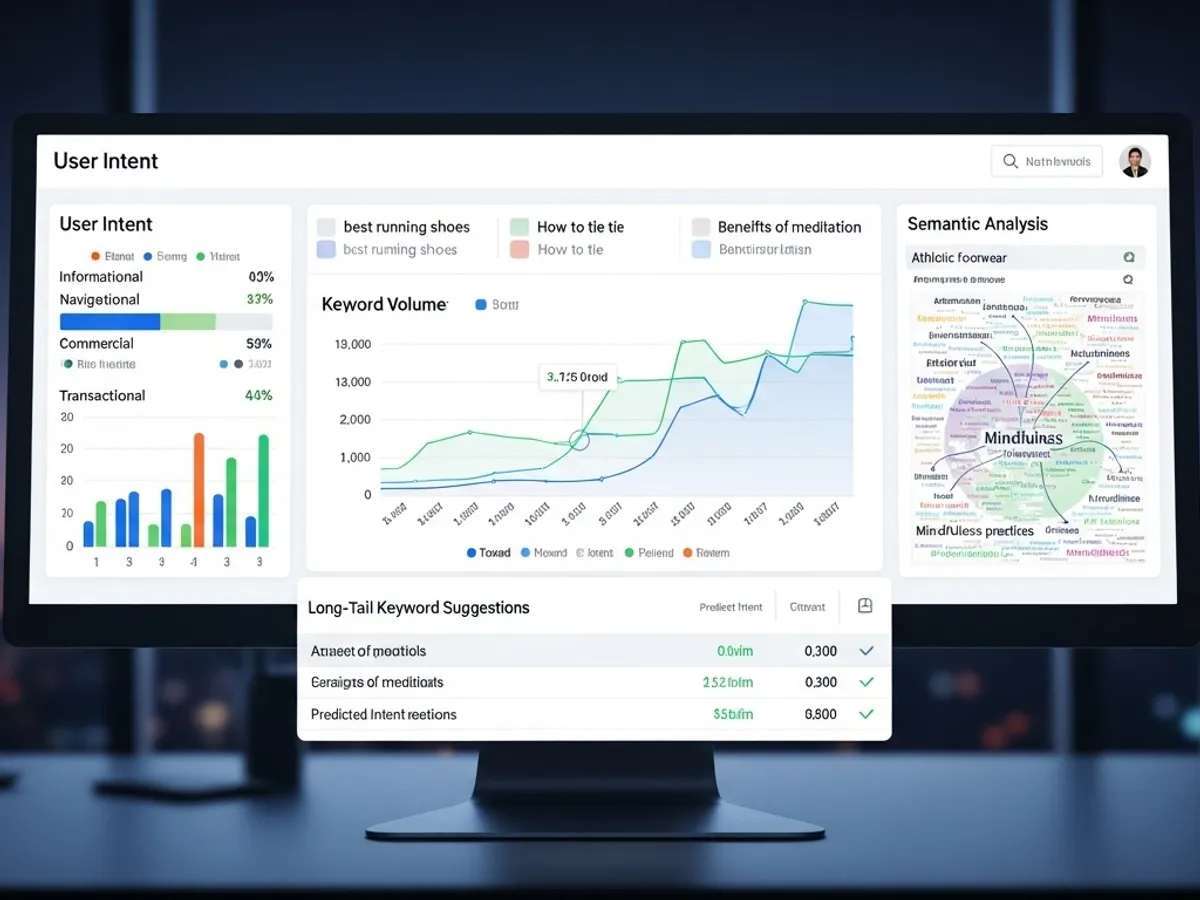
Traditional keyword research can be time-consuming and often misses nuanced opportunities. AI-powered keyword research tools analyze vast datasets to identify high-performing keywords, suggest content topics based on user intent, and recommend optimization strategies. Tools like SEMrush use AI to provide detailed keyword metrics, competitive analysis, and trend forecasts. By leveraging these AI-driven insights, marketers can uncover valuable keywords that resonate with their target audience, driving more relevant website traffic and improving search engine ranking.
Semantic Analysis for Deeper Audience Connection
AI content writing strategies incorporate semantic analysis to understand the context and intent behind search queries. This approach goes beyond simple keyword matching, enabling content creators to develop content that truly connects with audience by addressing their specific needs and interests. By using synonyms, related terms, and natural language variations, AI ensures that content is both SEO-friendly and engaging for readers, leading to higher engagement and improved organic traffic growth.
Strategy 2: Leveraging AI for SEO Content Creation that Resonates
Automating Content Generation with AI Writing Tools
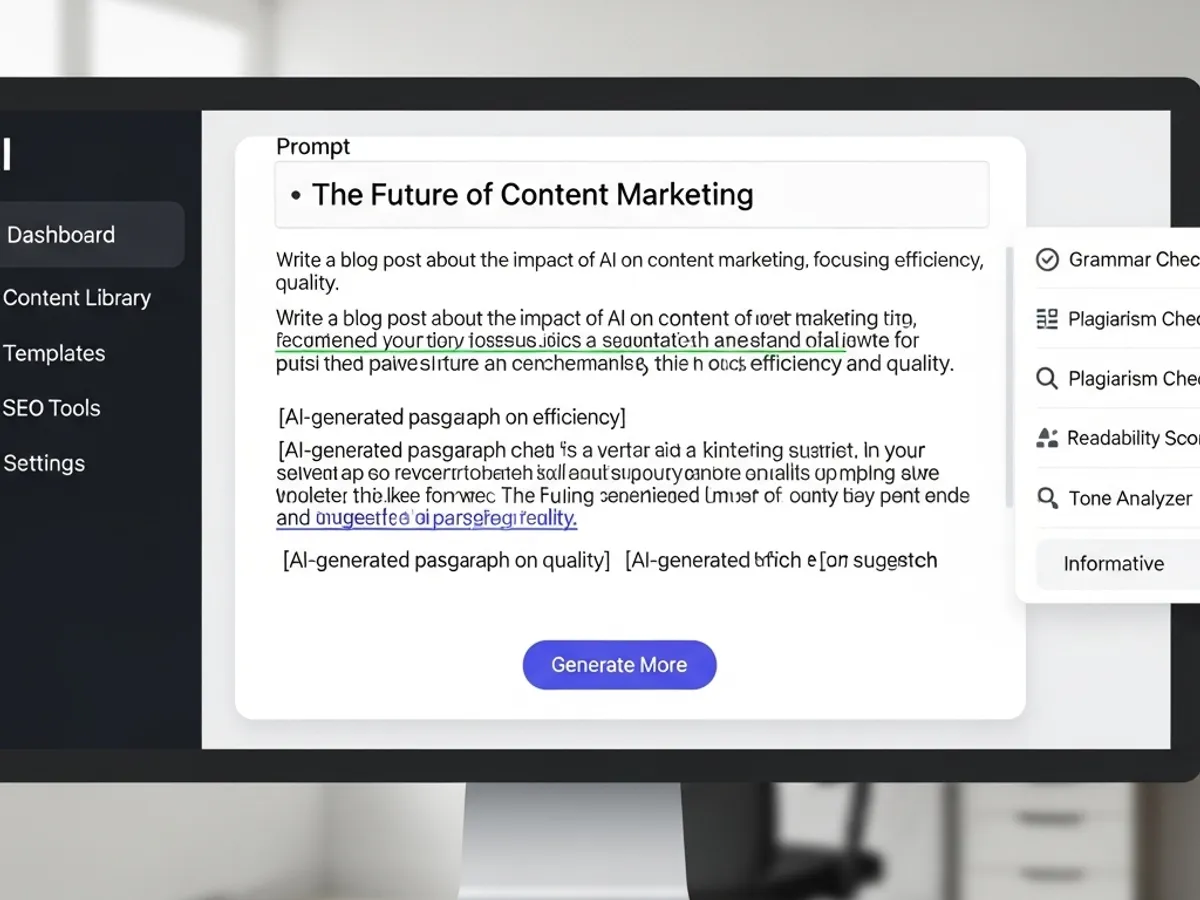
AI writing tools are revolutionizing SEO content creation by automating many aspects of the content generation process. From blog posts to social media updates, AI can generate high-quality, optimized content that aligns with search engine algorithms and captures audience attention. Tools like Jasper and HubSpot AI Tools excel in AI-powered content creation, consistently generating engaging and relevant suggestions that help overcome writer’s block. By using these tools, marketers can streamline their content marketing efforts, producing more content in less time while maintaining relevance and quality, driving organic traffic growth.
Enhancing Content Quality with AI Content Optimization
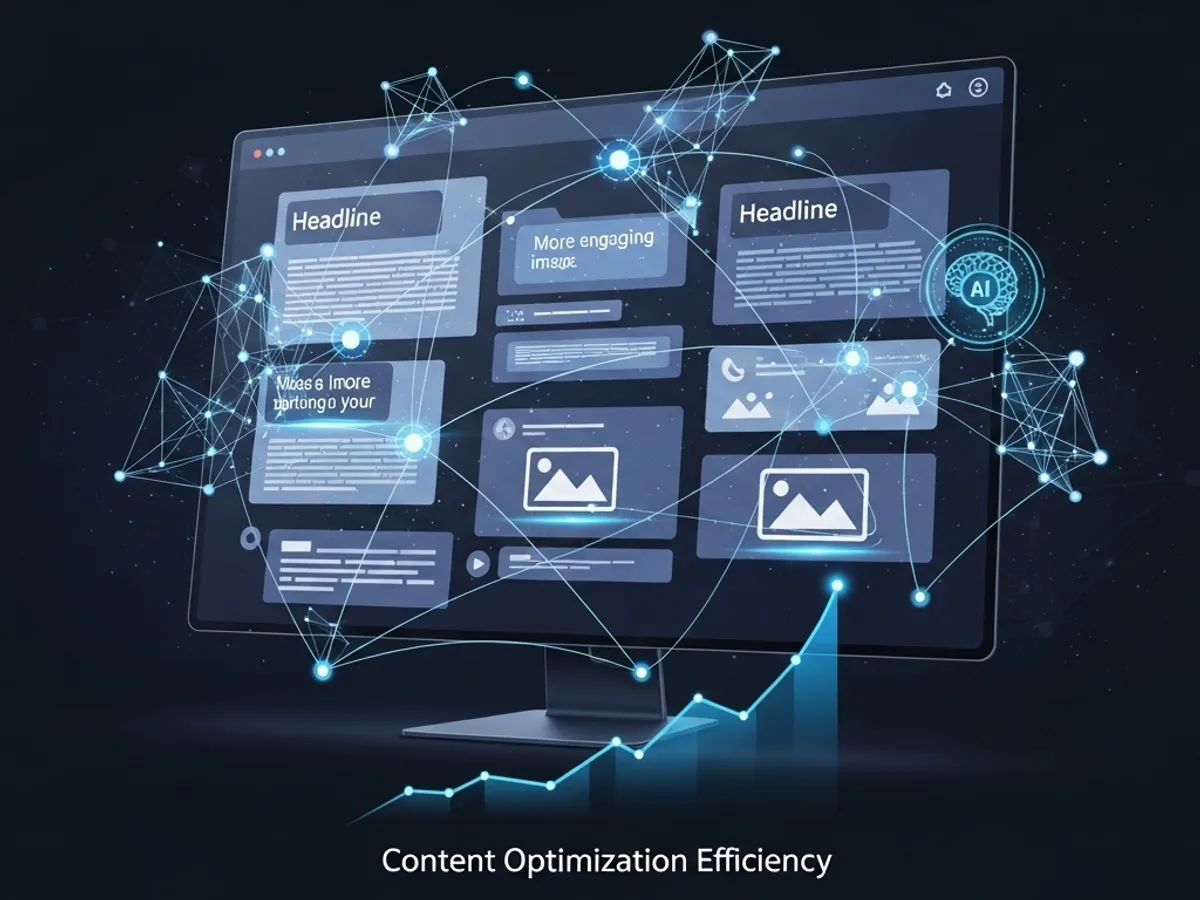
Beyond simple generation, AI plays a crucial role in AI content optimization. These tools analyze existing content, identifying areas for improvement in terms of readability, keyword usage, and overall SEO performance. By dynamically creating metadata based on real-time analysis of user behavior and search trends, AI ensures that content remains compelling and relevant, driving more clicks and traffic. This continuous optimization helps in achieving better search engine ranking and greater audience engagement.
Strategy 3: AI-Driven On-Page Optimization to Enhance Search Engine Ranking
Optimizing Content Structure for AI Comprehension
AI-driven on-page optimization involves structuring content to make it easily understandable for AI systems. This includes using clear headings, subheadings, and concise paragraphs that flow logically from broad concepts to detailed points. By writing for direct answers and using snippable content formats like lists and Q&As, marketers can increase their chances of ranking in AI-powered search results. This approach not only improves search engine ranking but also enhances user experience, leading to higher engagement and website traffic.
Implementing Schema Markup for Better Visibility
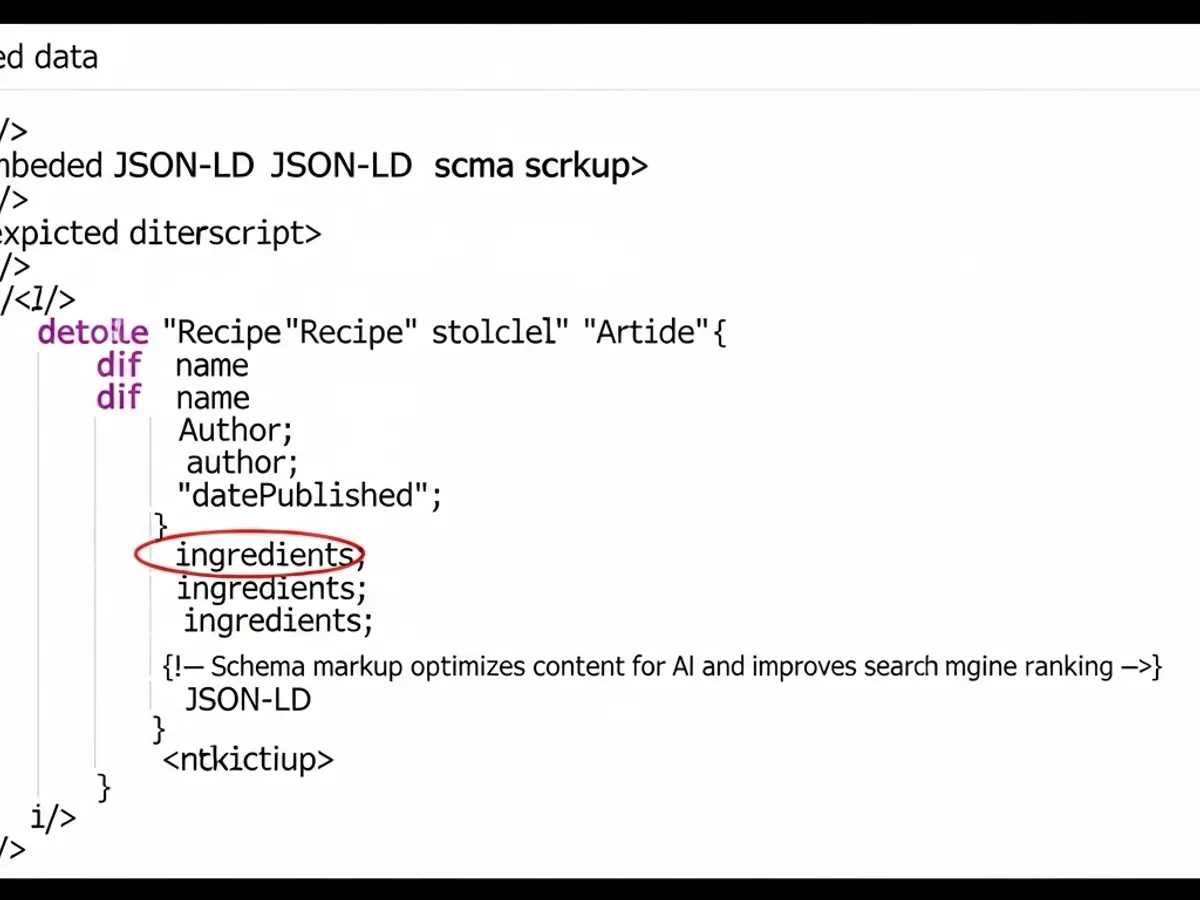
Schema markup is another critical aspect of AI content optimization. By adding structured data to your website, you provide search engines with more information about your content, making it easier for them to understand and display it in rich search results. This can significantly improve visibility and click-through rates, driving more organic traffic to your site. Implementing schema markup ensures that your content is well-indexed and easily accessible to AI crawlers, further enhancing your search engine ranking.
Strategy 4: Content Personalization with Machine Learning to Boost Audience Engagement
Leveraging Machine Learning for Personalized Content
Content personalization is a key strategy for boosting audience engagement and driving organic traffic growth. Machine learning algorithms analyze user data, such as browsing history and preferences, to deliver personalized content experiences. By tailoring content to individual user needs, marketers can increase engagement, reduce bounce rates, and improve overall website performance. This personalized approach ensures that users find the content relevant and valuable, leading to higher satisfaction and increased website traffic.
Dynamic Content Creation Based on User Behavior
AI enables dynamic content creation, where content is generated in real-time based on user behavior and context. For example, an e-commerce site might display different product recommendations based on a user’s past purchases or browsing history. By dynamically adapting content to user preferences, marketers can create more engaging and relevant experiences, driving higher conversion rates and increased organic traffic. This level of personalization ensures that users always see the most relevant content, improving their overall experience and fostering a deeper connection with audience.

Strategy 5: AI Writing Tools for Streamlining Content Marketing Efforts
Enhancing Efficiency with AI-Driven Content Generation
AI writing tools are transforming content marketing by enhancing efficiency and scalability. These tools automate various content creation tasks, from generating topic ideas and outlines to drafting full articles and social media posts. By streamlining content creation workflows, marketers can produce more content in less time, freeing up resources for other strategic initiatives. This increased efficiency leads to greater content velocity, improved AI content creation, and enhanced organic traffic growth.
Maintaining Content Quality with AI-Assisted Editing
While AI can generate content quickly, it’s important to maintain a focus on quality. AI writing tools often include editing and proofreading features that help ensure content is accurate, grammatically correct, and engaging. By using AI-assisted editing, marketers can refine their content, ensuring it meets high standards of quality and resonates with their target audience. This focus on quality helps build trust with readers and improves search engine ranking, driving more organic traffic.
Strategy 6: Optimizing for AI Search to Maximize Organic Traffic
Understanding AI Search Engine Optimization (AI SEO)
AI search engine optimization (AI SEO) is the practice of optimizing your website and content to rank in AI-powered search results. Unlike traditional SEO, which focuses on ranking in blue links, AI SEO optimizes for systems that use your content to generate answers, summaries, and recommendations. This involves tailoring content to perform well in AI-driven search environments, such as large language models (LLMs), generative AI tools, and chat-based search interfaces. By understanding how LLMs work and how AI chat interfaces use LLMs, you can optimize your content for AI-related results and stay ahead of the content curve.
Creating Comprehensive, Authoritative Content
AI systems favor content that provides complete, well-researched answers. Content over 3,000 words often wins significantly more traffic than shorter content. Your content should:
-
Cover topics in-depth
-
Provide clear, concise answers
-
Use supporting data and evidence
-
Be well-structured and easy to read
By creating comprehensive, authoritative content, you increase your chances of appearing in AI-generated responses and driving more organic traffic.
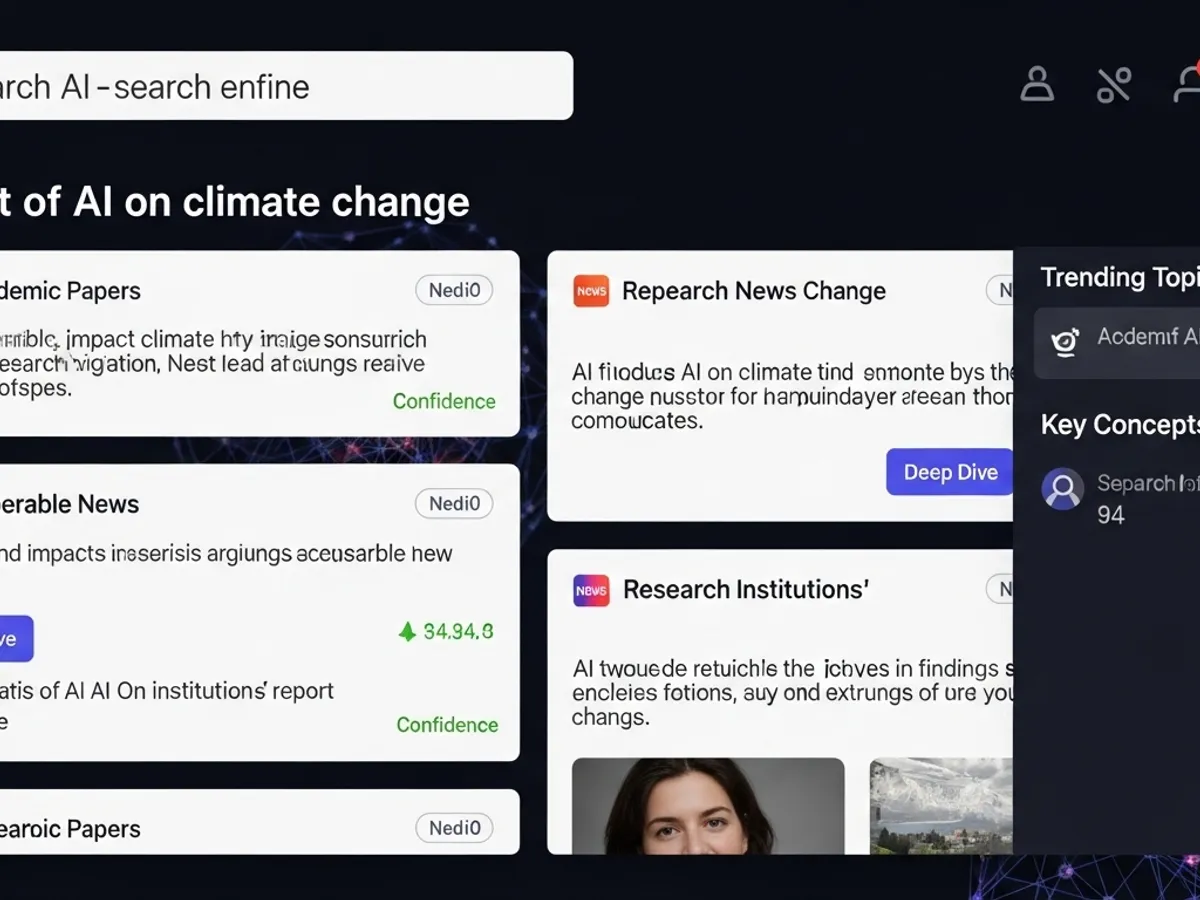
Strategy 7: Analyzing User Behavior with AI to Connect with Your Audience
Using AI to Uncover Audience Insights
AI-driven analytics tools can analyze vast amounts of user data to uncover valuable insights about audience behavior, preferences, and needs. By analyzing survey data, customer reviews, interviews, and sales call records, marketers can identify high-value keywords and topic clusters to target. These insights help you create content that directly addresses your audience’s pain points and interests, leading to higher engagement and improved organic traffic growth. Understanding your audience deeply allows you to connect with audience more effectively, fostering stronger relationships and driving loyalty.
Predicting Search Trends with AI
AI can also be used to predict future search trends, allowing marketers to proactively create content that aligns with emerging topics and keywords. By monitoring search engine data and social media trends, AI can identify shifts in user behavior and provide early warnings about upcoming trends. This predictive capability enables you to stay ahead of the competition and capture more organic traffic by being among the first to create content on trending topics. By anticipating user needs, you can maintain a strong search engine ranking and continuously attract new visitors to your website.
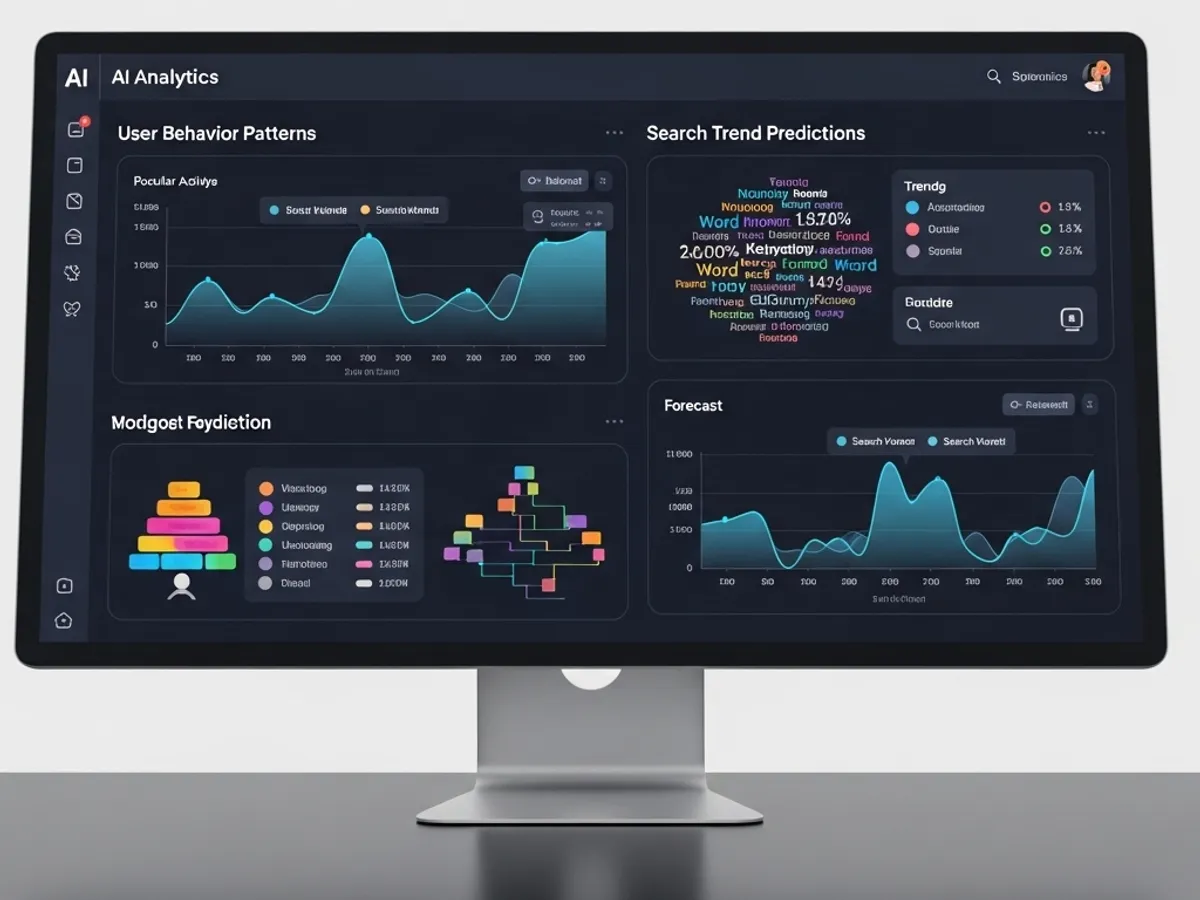
Strategy 8: Monitoring Content Performance with AI-Driven Analytics
Tracking Key Performance Indicators (KPIs) with AI
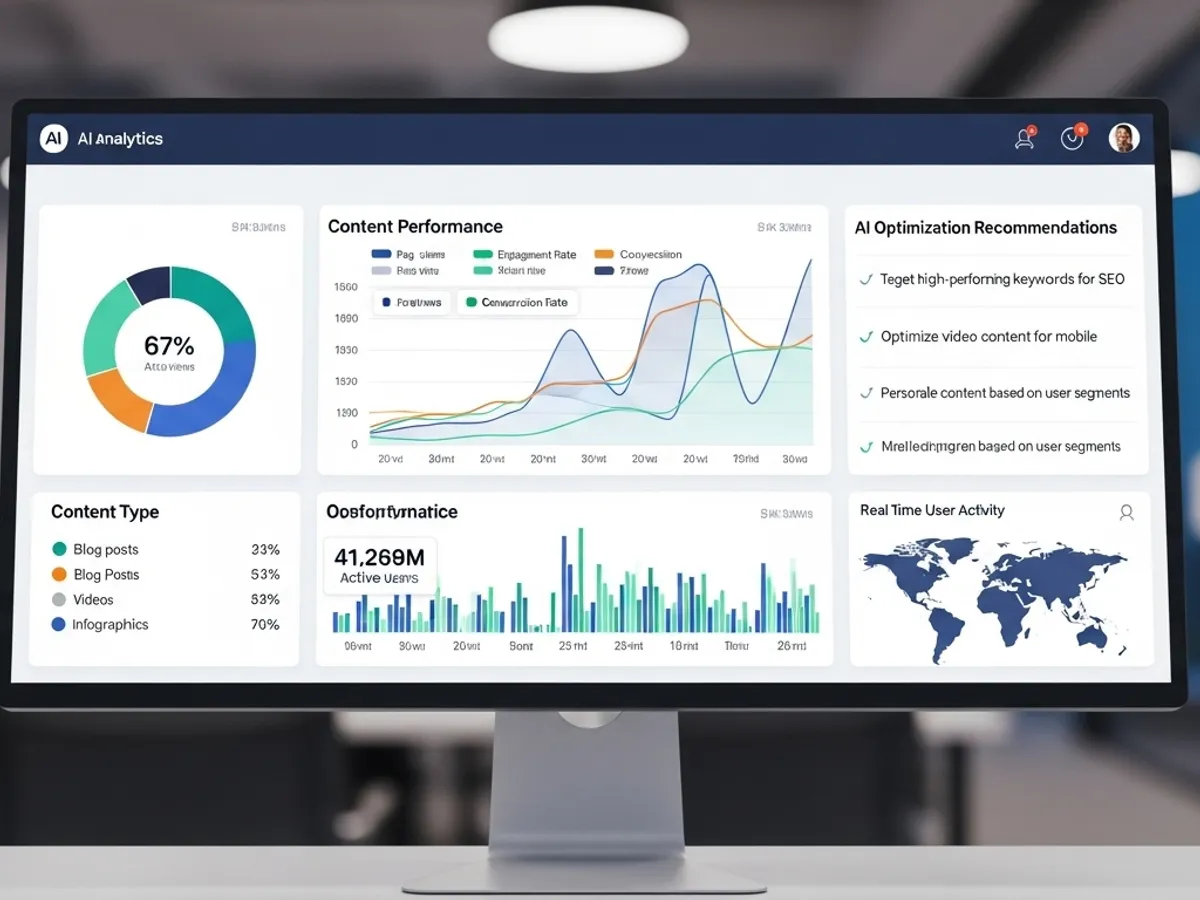
AI-driven analytics provide real-time insights into content performance, allowing marketers to track key performance indicators (KPIs) such as:
-
Content Velocity Growth
-
Organic Traffic Growth
-
Keyword Rankings
-
Organic Traffic Conversion Rate
-
Content ROI
By monitoring these KPIs, you can assess the effectiveness of your AI content writing strategies and make data-driven adjustments to improve results.
Optimizing Content Based on Performance Data
AI can identify underperforming content and provide recommendations for optimization. This includes suggestions for improving keyword usage, readability, and overall SEO performance. By continuously optimizing your content based on performance data, you can maximize its impact and drive more organic traffic over time. This iterative approach ensures that your content remains relevant and engaging, maintaining a strong search engine ranking and fostering a deeper connection with audience.
Conclusion: Future-Proofing Your Content Strategy with AI
In conclusion, AI content writing strategies are essential for unlocking a flood of organic traffic and ensuring a deeper connection with audience. By leveraging AI for keyword research, content creation, on-page optimization, personalization, and performance monitoring, marketers can create more effective and engaging content that drives results. As AI continues to evolve, its role in SEO and content marketing will only become more significant. Embracing these strategies now will help you future-proof your content strategy and stay ahead of the competition, ensuring sustained organic traffic growth and long-term success. Integrating AI writing for blogs into your workflow, optimizing for AI search, and continuously analyzing user behavior will enable you to create content that not only ranks well but also truly resonates with your target audience, fostering lasting relationships and driving meaningful business outcomes.

FAQs: Maximizing Organic Traffic Growth with AI-Driven Content
How can AI help in identifying the right keywords for my content?
AI-powered tools analyze vast datasets to identify high-performing keywords, suggest content topics based on user intent, and recommend optimization strategies, ensuring your content aligns with what your audience is searching for.
What role does AI play in creating engaging content that connects with the audience?
AI writing tools can generate high-quality, optimized content that resonates with your audience, while semantic analysis helps in understanding the context and intent behind search queries, enabling you to address their specific needs and interests effectively.
How does AI enhance on-page optimization for better search engine rankings?
AI-driven on-page optimization involves structuring content for AI comprehension, implementing schema markup for better visibility, and ensuring your content is well-indexed and easily accessible to AI crawlers, all of which improve your search engine ranking.
Can AI help in personalizing content to boost audience engagement?
Yes, machine learning algorithms analyze user data to deliver personalized content experiences, tailoring content to individual user needs, reducing bounce rates, and improving overall website performance, which leads to higher engagement and increased organic traffic.
What are the key benefits of using AI writing tools for content marketing?
AI writing tools enhance efficiency by automating content creation tasks, streamline workflows to produce more content in less time, and include editing features to ensure content is accurate and engaging, allowing you to scale your content marketing efforts effectively.