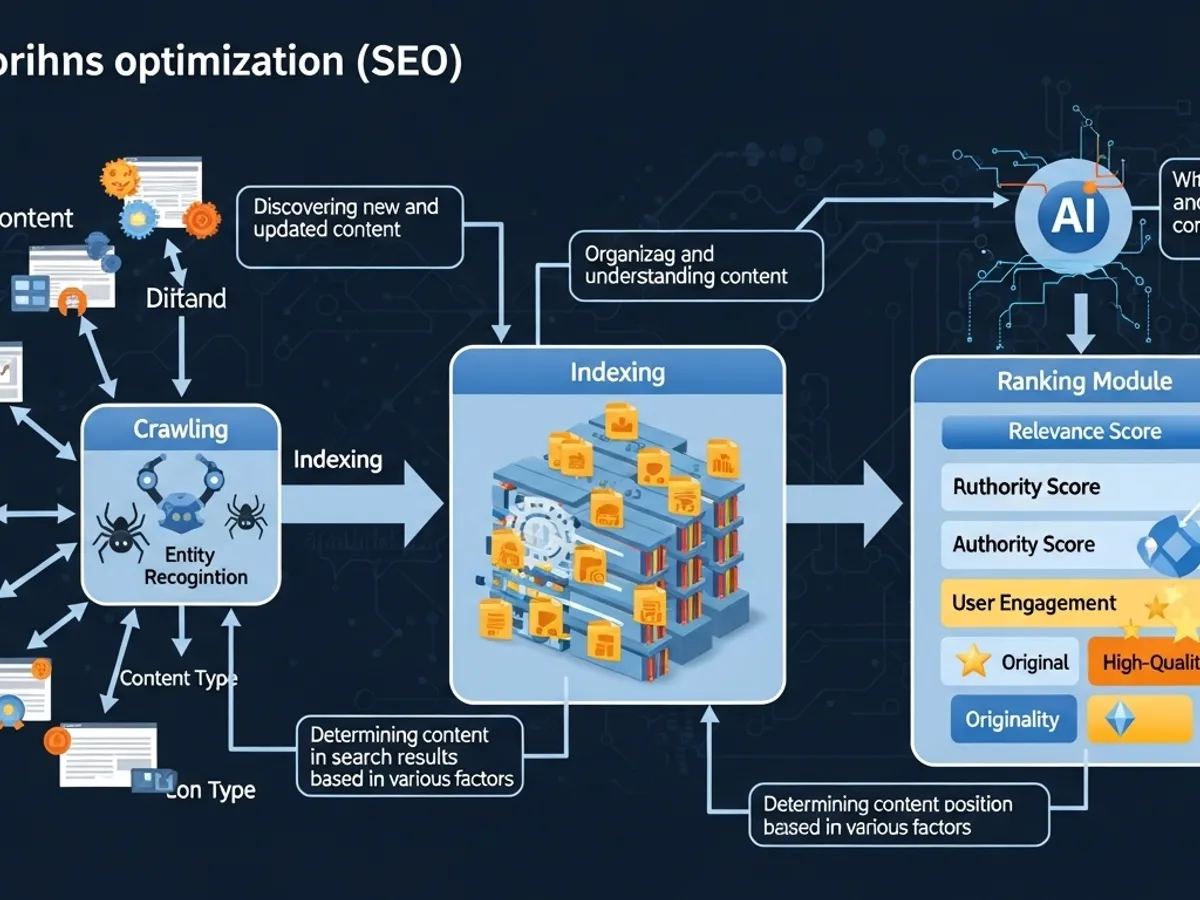
Skyrocket your blog’s authority with AI-driven content strategies
1. Introduction: Elevating Your Blog Authority Through AI Content Writing for SEO
In today’s digital landscape, establishing and maintaining blog authority is paramount for success. With the rise of artificial intelligence, a new frontier has opened in content creation and SEO. This article delves into how AI-driven content strategies can revolutionize your approach, helping you rank higher, engage your audience, and ultimately, skyrocket your blog’s authority. We’ll explore the synergy between ai content writing for seo and traditional SEO techniques, revealing how to harness the power of AI to create seo friendly ai content.
2. Understanding the AI SEO Strategy: Crawlability, Indexability, and Original Content
One of the primary challenges in the age of AI is ensuring your content is not only discoverable but also deemed valuable by both traditional search engines and AI-powered systems. Content must be crawlable and indexable. According to Xponent21, if search engines can’t access your content, it doesn’t exist. Creating original content that AI and search engines will cite is crucial. Embrace content creation ai tools to brainstorm fresh ideas, identify audience pain points, and uncover trends that traditional keyword research might miss.
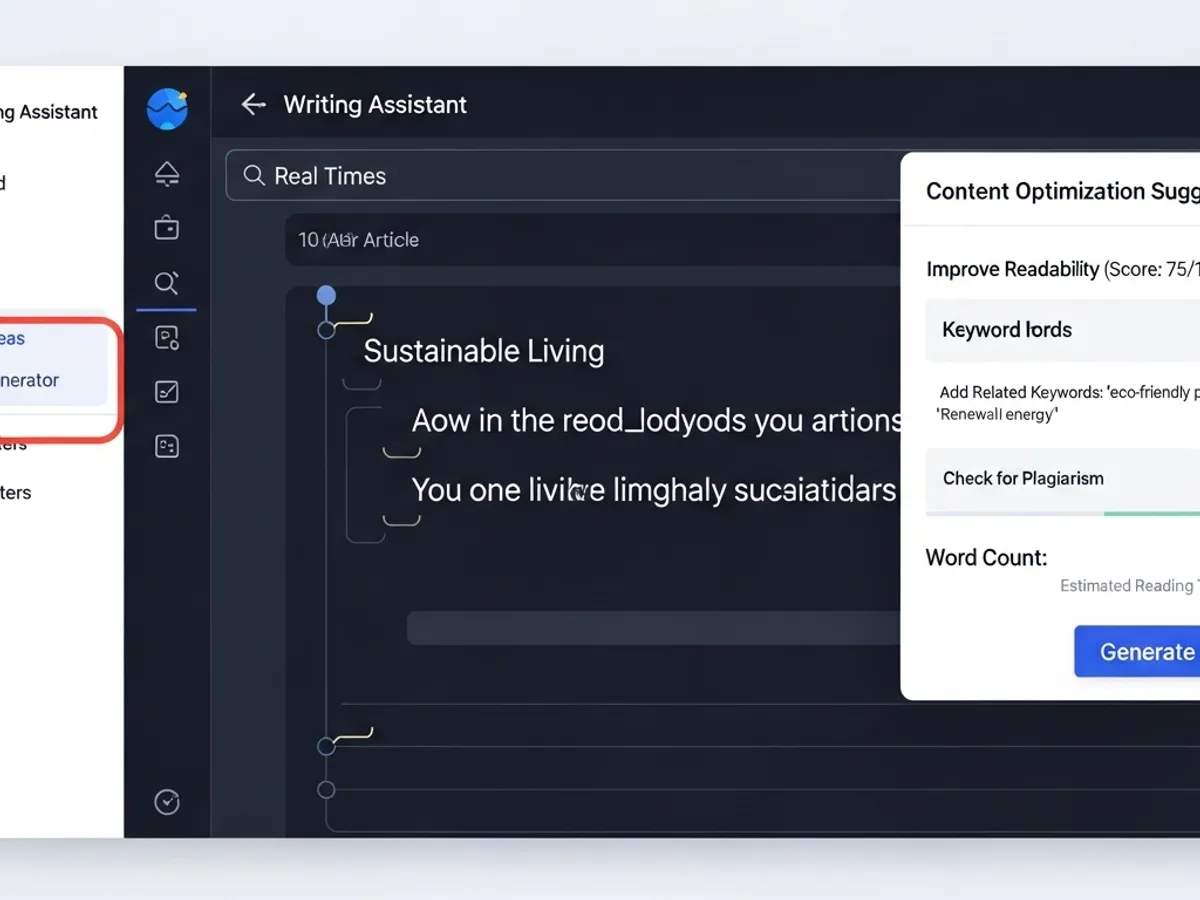
3. Leverage AI Writing Assistant for Brainstorming and Content Optimization
Instead of solely relying on keyword tools, use an ai writing assistant like GenWrite, Jasper, or Copy.ai to brainstorm content ideas. Ask questions like, “What are the biggest challenges [your audience] faces?” This approach will help you uncover pain points and trends, leading to content ideas that resonate with your audience. Furthermore, these tools can assist in seo content optimization, ensuring your content is structured for both human readers and AI algorithms. According to ResearchFDI, By embracing these changes and leveraging AI-powered SEO tools, businesses can optimize their content, improve their search engine rankings, and attract more organic traffic.
4. Mastering AI-Powered Search: Relevance, Structure, and Conversational Content
AI-powered search engines prioritize content that is accurate, useful, and engaging for both people and AI systems. Focus on writing human-first content that showcases experience, expertise, authority, and trust (E-E-A-T), as this is essential for better visibility in search results. Write conversational, structured content with natural language, clear headings, and easy-to-skim formatting to increase the likelihood of your content being cited in AI search. By making your content more direct and contextually responsive, you’ll rank higher with ai, attracting quality traffic. As developers.google.com highlights, AI systems favor content that provides complete answers, includes supporting data, and uses clear formatting with headings, lists, and tables.

5. AI for Content Marketing: Specialization and Efficiency in SEO Use Cases
AI SEO tools can analyze webpage performance and content quality, offering recommendations to improve ranking factors like backlinks, keywords, and user experience. Use AI for data analysis, content generation, and optimization, while relying on human expertise for strategy, emotional resonance, and final quality checks. Consider platforms like Surfer SEO and SEMrush for core SEO needs like keyword research, content optimization, technical audits, and rank tracking. With GenWrite, you can automate keyword research, add relevant links and images, and analyze competitor content.

6. Optimizing Content for Dual Visibility: Google and AI Search Engines
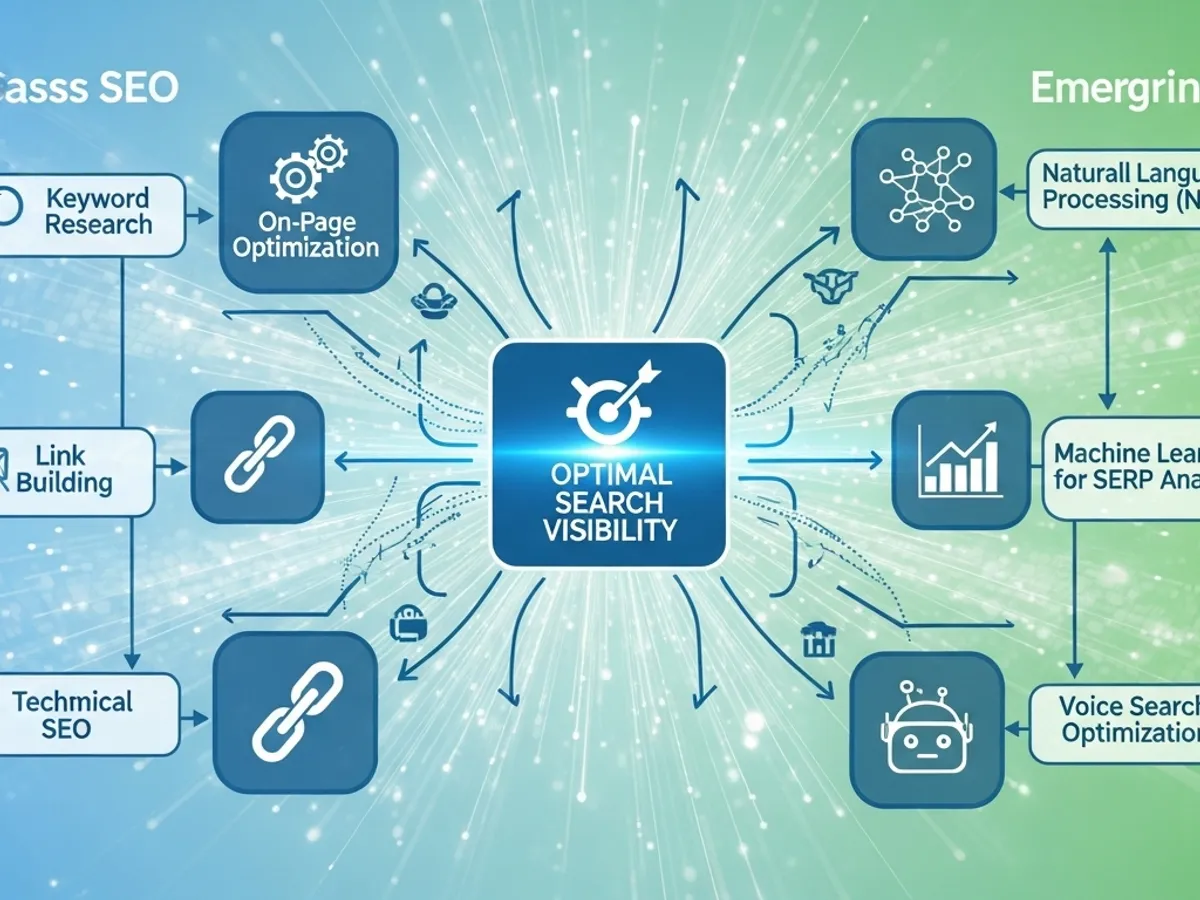
To succeed in today’s search landscape, you must optimize your content for both Google and AI search engines. Apply content clustering strategies, leverage structured data, and emphasize E-E-A-T to achieve effective hybrid search engine optimization. This dual approach involves using proven SEO practices like quality content and robust backlink profiles while also incorporating AI tools and conversational keyword optimization. By integrating AI and traditional SEO strategies, you can achieve outstanding search engine visibility. As about.ads.microsoft.com highlights, Large Language Models (LLMs) play a crucial role in modern search technology.
7. Harnessing AI-Driven Blogging for Consistent SEO Success
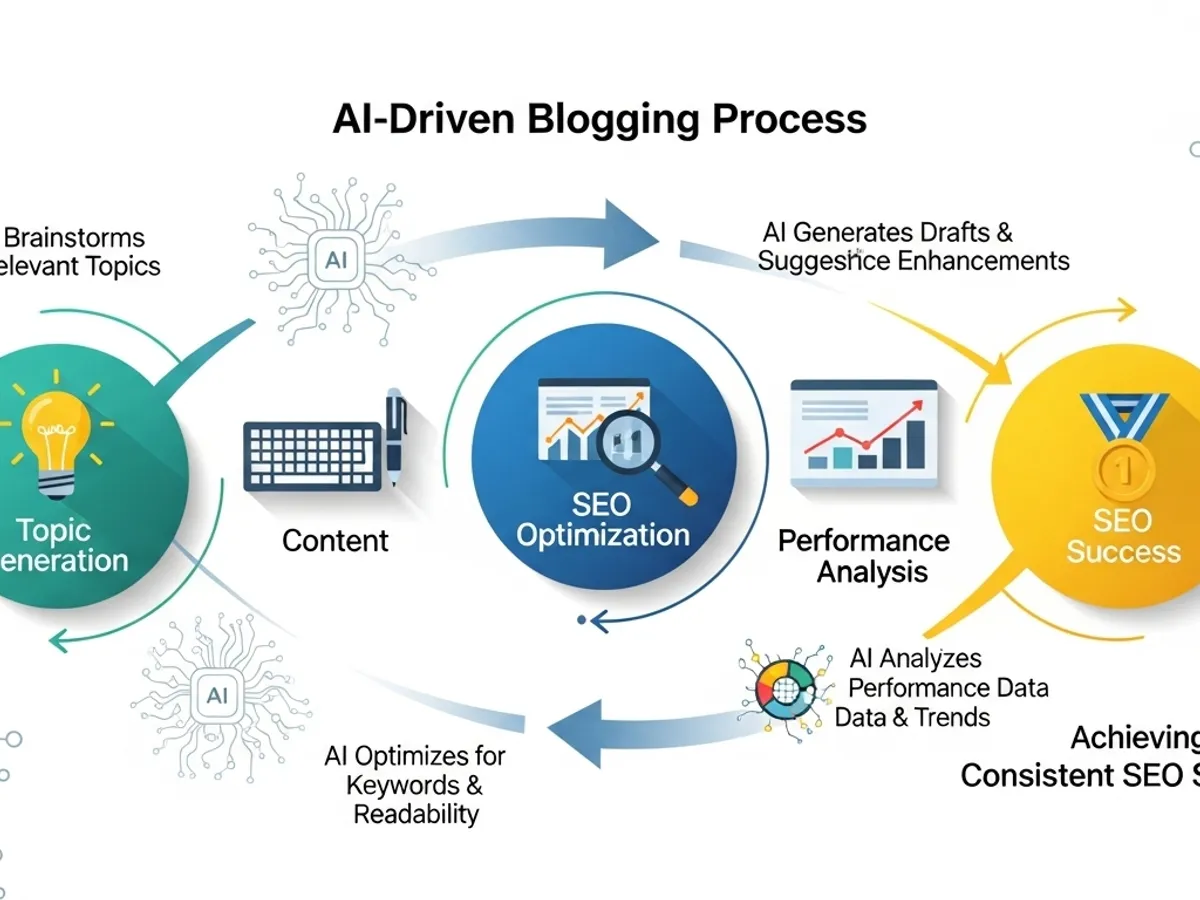
An AI-driven blogging strategy can be the cornerstone of your SEO efforts, ensuring you consistently reach your target audience. By understanding the intent behind user queries, you can create targeted content and advertising campaigns that resonate with their needs and preferences. Generative AI allows you to produce high-quality, optimized SEO content that boosts your website’s visibility in search engine results. Remember, improve seo with ai by focusing on content structure, intent alignment, and semantic relevance. With GenWrite, you can effortlessly scale content creation and improve search rankings.
8. Content Optimization for AI Search: Schema Markup and Complete Answers
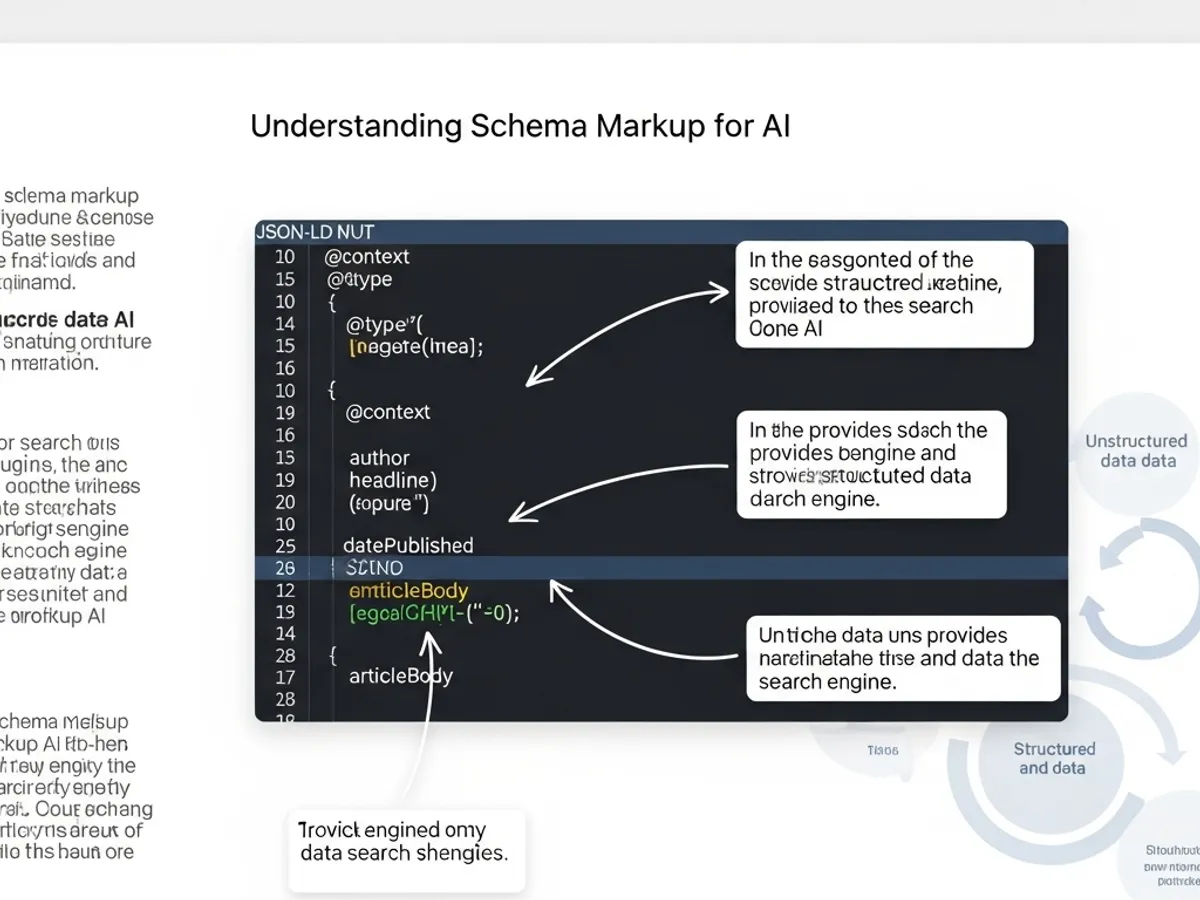
AI search engines understand user intent and context, synthesize information from multiple sources, and provide direct answers with source citations. Schema markup is crucial for AI search optimization because it helps AI systems understand your content’s context and meaning. Always include author information, publication dates, and article descriptions in your Article schema to help AI systems understand content freshness and authority. Focus on providing complete answers, including supporting data, and using clear formatting with headings, lists, and tables.
9. The Future of AI-Driven Content Marketing: Personalization and Predictive Analytics
AI-driven content strategies offer a powerful combination of efficiency, personalization, data-driven insights, and cost savings. Many AI SEO tools analyze webpage performance and content quality, providing recommendations to improve ranking factors such as backlinks, keywords, and user experience. Use AI for data analysis, content generation, and optimization, but rely on human expertise for strategy, emotional resonance, and final quality checks. According to Orbitmedia, there are many ways that AI can support the content strategy.

10. StoryChief: Creating an AI Content Strategy in Minutes
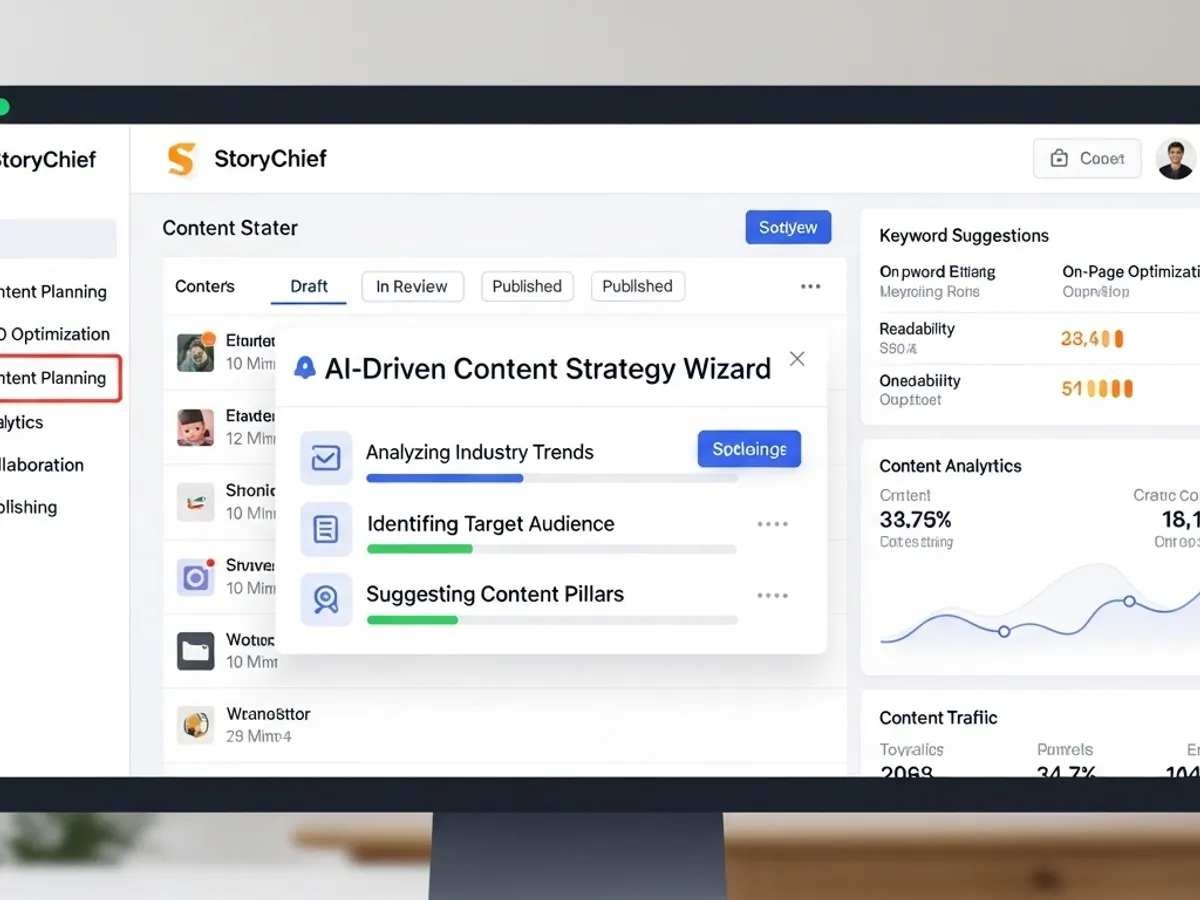
With StoryChief, creating an ai seo strategy is as simple as following a few steps. This platform consolidates SEO, content planning, and AI-generated analytics into a single hub, helping you focus on creating captivating narratives. Let StoryChief’s AI content agent automate and optimize your content strategy, transforming your marketing efforts. By using such platforms, you can effectively manage your ai content marketing efforts and ensure your blog remains a trusted authority in your niche.
Conclusion: Embrace AI to Skyrocket Your Blog’s Authority
By strategically implementing AI-driven content strategies, you can significantly enhance your blog’s authority, improve search engine rankings, and engage your audience more effectively. From leveraging AI writing assistants for brainstorming to optimizing content for dual visibility, the possibilities are vast. Embrace the power of AI to create compelling, seo friendly ai content that resonates with both human readers and AI algorithms, ensuring your blog remains a trusted and authoritative source in the ever-evolving digital landscape. Unlock a surge of organic traffic with content powered by GenWrite.
FAQs: Optimizing Your Blog with AI-Driven Content Strategies
What is AI SEO and how can it improve my blog’s authority?
AI SEO refers to using artificial intelligence and machine learning to optimize your website and content for search engines, aiming for improved rankings and organic traffic. It enhances SEO by automating keyword research, optimizing content creation, predicting search trends, analyzing competitor strategies, and personalizing user experiences to boost rankings.
How can I use AI to brainstorm content ideas for my blog?
Use an AI writing assistant to brainstorm content ideas by asking questions like, “What are the biggest challenges [your audience] faces?” This approach will help you uncover pain points and trends, leading to content ideas that resonate with your audience and improve your ai seo strategy.
What is schema markup and why is it important for AI search optimization?
Schema markup is code that helps search engines understand the context and meaning of your content. It is crucial for AI search optimization because it helps AI systems understand your content’s context, enabling them to provide more accurate and relevant results to users searching for ai powered content.
How can I optimize my content for both Google and AI search engines?
To optimize your content for both Google and AI search engines, apply content clustering strategies, leverage structured data, and emphasize E-E-A-T (Expertise, Experience, Authority, Trustworthiness). Use proven SEO practices like quality content and robust backlink profiles while also incorporating AI tools and conversational keyword optimization. With GenWrite, you can unlock your blog’s SEO potential.
What are some future trends in AI-driven content marketing?
Future trends in AI-driven content marketing include increased personalization, predictive analytics, and automation of content creation processes. AI will continue to enhance efficiency, provide data-driven insights, and enable cost savings in content marketing efforts. Dominate search results with GenWrite.