
Getting your content cited by AI search models: Where to start with AEO
Introduction

What happens when your number-one Google ranking suddenly brings zero clicks?
Your customers are increasingly bypassing traditional search engines to get direct, synthesized answers from large language models. This massive shift is why you must urgently rethink your digital visibility strategy.
We are moving rapidly from standard page rankings to ai search engine optimization, where visibility is strictly binary. Either you are cited as a trusted source, or you are completely invisible to the user. In this new era, citation frequency and mention share dictate your brand’s organic reach.
To win, you must master Answer Engine Optimization (AEO),a practice focusing on semantic clarity and structured data over legacy keyword density. At GenWrite, we’ve realized that capturing these highly qualified searchers requires a dramatic pivot. It is about building high-intent workflows that feed these engines verified, authoritative data they can easily reference. If you don’t adapt your content structure now, AI search engines will simply bypass your site for a competitor who does.
The shift from ten blue links to direct synthesis
Recent search studies show that zero-click searches have climbed to nearly 58%, meaning more than half of user queries end without a single click to an external website. This isn’t just a minor drop in traffic; it’s a structural rewrite of how information is consumed. Instead of browsing ten blue links, users now consume a single, synthesized narrative generated by an LLM.
If your site ranks number one on Google, you might still remain completely invisible if the underlying model doesn’t cite your page. To combat this, smart marketers must optimize for ai search by focusing on factual consensus and clear, structured data. This new paradigm, often termed generative engine optimization, shifts the goalpost from chasing position one to securing inline citations.
Of course, this doesn’t mean classic search is dead overnight. But relying solely on old-school keyword density is a losing battle. Using advanced tools like GenWrite’s ai seo content generator helps format content into the semantic chunks that LLMs actually prefer to extract.
Four steps to make your content machine-readable
Structuring for the synthetic web
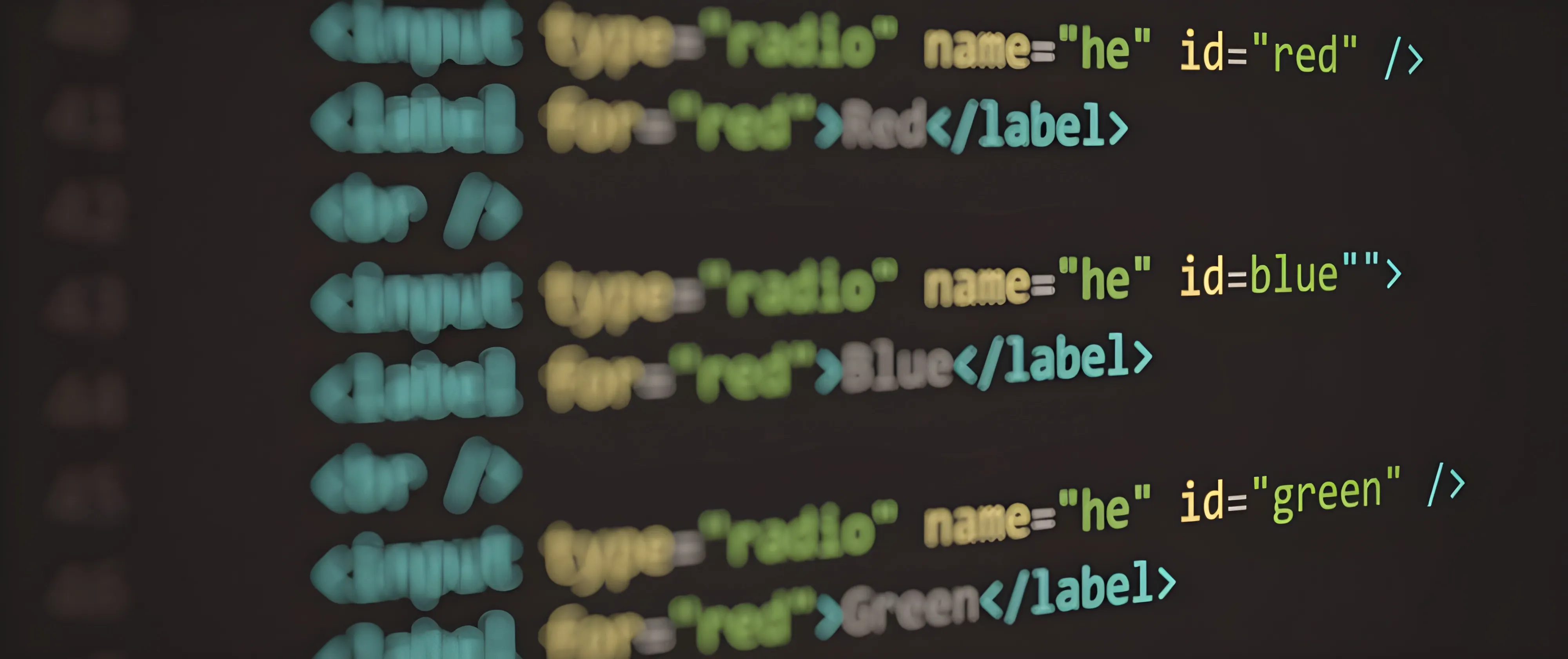
Traditional SEO layouts don’t work for LLMs. If a model’s parser can’t digest your page structure, your brand simply doesn’t exist in its latent space. Successfully optimizing content for llms is now the foundation of modern AEO. It requires four specific architectural changes.
First, use semantic chunking. Break your content into tight, thematic blocks under descriptive H3 and H4 tags. Avoid long, rambling paragraphs. A logical content structure and internal linking strategy helps crawler bots map your arguments without losing context.
Second, place 40-to-60-word “capsule answers” directly below your subheadings. These are highly extractable. While it might feel repetitive to a human reader, retrieval-augmented generation (RAG) systems rely on these dense blocks to pull direct citations.
Third, deploy explicit schema markup. JSON-LD is non-negotiable here. It provides the clean, structured entity relationships that LLM parsers need to verify facts.
Finally, host an llms.txt file in your root directory. This text file is a clean, markdown-formatted road map for AI agents. It won’t fix your indexing issues overnight, but it keeps scrapers out of your heavy code.
Tools and schemas that support automated extraction
Machine-readable schemas and tools for extraction
Manual optimization is a waste of time. To win at generative search optimization, you must feed the bots structured data they can parse instantly. Start with Schema.org markup. You need Product, Article, and FAQ schemas. Messy code means LLM crawlers will just skip your site.
You need a dedicated ai seo writing tool to enforce these JSON-LD structures automatically. Our platform, GenWrite, bakes structured data directly into the content creation process so scrapers grab your core facts on the very first pass. We built it to handle the heavy lifting. No custom code required.
Don’t forget your llms.txt file. This is a simple text file placed in your root directory that directs AI agents to clean, markdown-formatted versions of your pages. Without it, you’re forcing LLMs to guess your hierarchy. They won’t bother. They’ll just cite a competitor who actually made extraction easy. True ai answer engine optimization requires raw, structured clarity because if you make crawlers work for the data, you lose the citation.
Why ambiguity destroys your citation chances

Imagine spending hours setting up schema, only to watch ChatGPT bypass your guide to cite a competitor’s brief bulleted list. You did the technical work perfectly. But your actual phrasing was buried under passive voice, corporate jargon, and “it depends” disclaimers.
LLMs hate fluff. If a crawler encounters vague language like “various factors influence conversion rates,” it quickly moves on. They need hard, extractable parameters. When optimizing content for llms, declarative structures win. If you do not state facts directly, search models will find someone else who does.
Sometimes, a complex topic genuinely requires nuance, and you cannot give a simple binary answer. But you must still provide a clear, direct anchor answer first before adding conditions. Using an automated platform like GenWrite for seo content writing ai ensures your text maintains clean semantic chunking without the typical fluff that blocks AI crawlers. If your robots.txt file accidentally blocks these user-agents, even the clearest phrasing will not save your citation visibility.
Closing
Taking action on your foundational pages
Clearing up ambiguity is just the beginning. If you want to optimize for ai search, you need to restructure your existing content. Waiting for the next big search engine update is a mistake. Generative models are already rewriting how people find information online, and they are doing it right now.
Start with your top-performing pages. Break down long, winding paragraphs into direct, machine-readable facts and add structured schema markup. If you manage content at scale, doing this manually is incredibly slow, which is why using an automated ai seo content generator makes sense to handle the tedious formatting. It is about clarity, not keyword stuffing.
We built our aeo website ranker at GenWrite to handle this shift. It connects your traditional seo aeo efforts without forcing you to start from scratch.
You don’t need to overhaul your entire site overnight. Just pick your top ten pages. The brands securing early citations now will own search visibility for years to come. When a model looks for an answer, your content needs to be the obvious choice—not an afterthought.
Tired of spending hours restructuring blogs for AI search? GenWrite handles the technical optimization and keyword research automatically so your content gets cited.
Frequently Asked Questions about AEO
How does AEO differ from traditional SEO?
Traditional SEO focuses on ranking blue links on search engine result pages, while AEO targets direct citations and mention share inside synthesized AI answers. Success in AEO means your brand is pulled as a direct source, which often leads to higher conversion rates.
Does ranking number one on Google guarantee an AI citation?
No, it doesn’t. Language models frequently pull from sources outside the traditional top ten based on structural clarity, factual density, and direct answer formatting rather than pure backlink authority.
Why do language models ignore certain pages?
Models usually skip pages with vague phrasing, buried core answers, or blocked crawlers in robots.txt files. If your content isn’t machine-readable with clear structural chunking, it’s tough for LLMs to extract.
What is a capsule answer in generative optimization?
A capsule answer is a concise 40 to 60-word summary placed immediately following a prominent heading. LLMs routinely scrape these blocks because they provide direct, extractable definitions to user queries.